Search Results for: 120 mortar

When to Use a Leveling System: Where It Helps and Where It Hides Bad Prep

When to Use a Leveling System: Where It Helps and Where It Hides Bad Prep

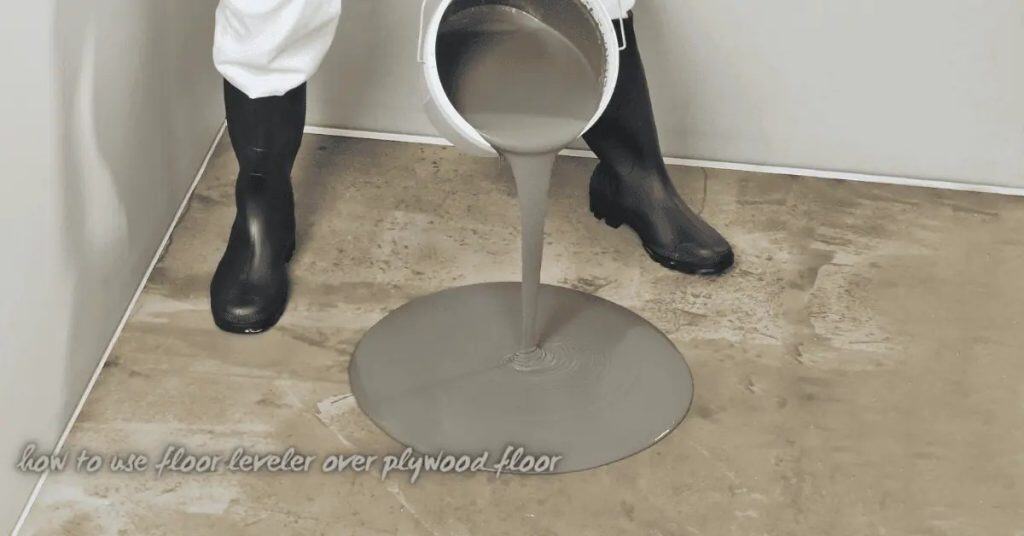
Introduction Use a leveling system to create flat, stable surfaces when the base is sound, and recognize it won’t compensate for bad prep. You’ll learn how to assess when it’s appropriate, how to place and use it for accurate results, and how to spot prep issues that require attention before proceeding. Key takeaways Leveling systems […]

When to Use a Leveling System: Where It Helps and Where It Hides Bad Prep Read More »

Inside Corners in Showers: Caulk Vs Grout and Where Movement Actually Happens

Inside Corners in Showers: Caulk Vs Grout and Where Movement Actually Happens

Introduction In shower inside corners, caulk handles movement while grout is best for rigid joints. The guide explains when to use each, how to assess movement in corners, and practical steps for proper application and sealing. Key takeaways Caulk tolerates movement in vertical corners; grout is rigid and can crack. Movement occurs mainly where framing

Inside Corners in Showers: Caulk Vs Grout and Where Movement Actually Happens Read More »

Expansion/Movement Joints: Where to Leave Gaps and How to Finish Them Cleanly

Expansion/Movement Joints: Where to Leave Gaps and How to Finish Them Cleanly

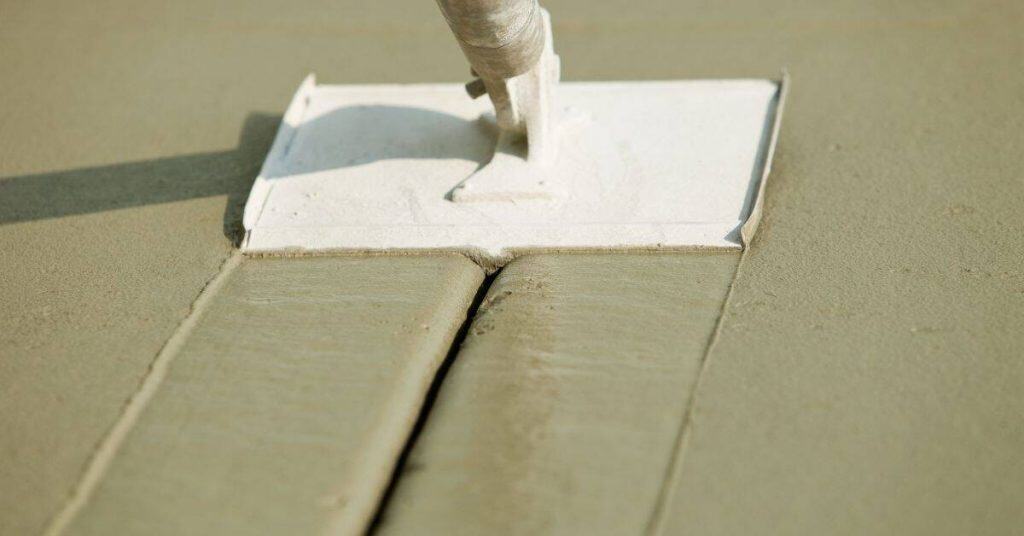
Introduction Leave proper gaps at expansion and movement joints to accommodate building movement and prevent cracking. This introduction explains how to choose appropriate gap sizes, where joints belong, and how to finish them cleanly with durable sealants and proper detailing. You’ll learn practical tips, common mistakes to avoid, and a straightforward approach to creating joints

Expansion/Movement Joints: Where to Leave Gaps and How to Finish Them Cleanly Read More »

The Most Overlooked Step in Flashing Installation That Prevents Annoying Water Leaks

The Most Overlooked Step in Flashing Installation That Prevents Annoying Water Leaks

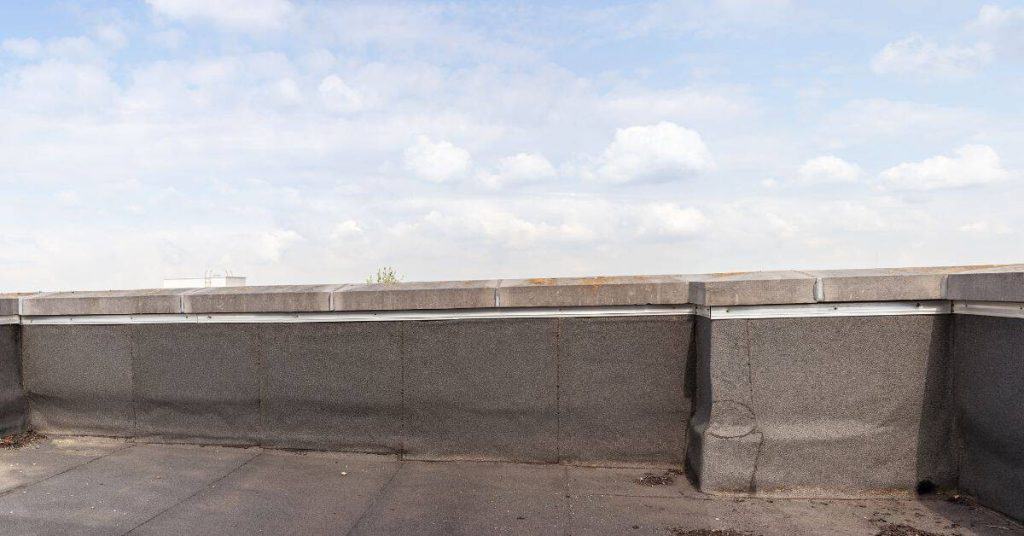
Introduction Properly sealing joints during flashing installation is the most overlooked step that prevents annoying water leaks. This article explains why that step matters and walks you through practical techniques, tips, and common mistakes to avoid so you can install flashing with confidence. You’ll learn how to identify vulnerable spots, choose the right sealant, and

The Most Overlooked Step in Flashing Installation That Prevents Annoying Water Leaks Read More »

When Paint Sealers Backfire: the Moisture Problem Most Diyers Don’t Anticipate

When Paint Sealers Backfire: the Moisture Problem Most Diyers Don’t Anticipate

Introduction Paint sealers can backfire by trapping moisture, leading to issues most DIYers don’t anticipate. In this guide, you’ll learn how moisture interacts with sealers, how to spot warning signs, and practical steps, tips, and rules of thumb to prevent moisture-related failures. Key takeaways Assess moisture sources first: leaks, condensation, hydrostatic pressure before painting Basement

When Paint Sealers Backfire: the Moisture Problem Most Diyers Don’t Anticipate Read More »

Flashing and WRB: the Seasonal Pattern of Spring Showers That Tests Your Home’s Defense

Flashing and WRB: the Seasonal Pattern of Spring Showers That Tests Your Home’s Defense

Introduction Flashing and WRB define how seasonal spring rain can test a home’s weatherproofing and structural defenses. The article explains why this matters for your home and walks you through practical steps to assess, seal, and maintain flashing and WRB details, with tips and rules of thumb to prevent leaks. You’ll learn what signs to

Flashing and WRB: the Seasonal Pattern of Spring Showers That Tests Your Home’s Defense Read More »

The Simple Test Every DIYer Misses That Saves Time on Concrete Crack Repairs

The Simple Test Every DIYer Misses That Saves Time on Concrete Crack Repairs

Introduction A quick surface moisture test tells you when to fix concrete cracks rather than guessing. This guide walks you through practical steps and simple tips for assessing moisture, timing repairs, and applying durable fixes that reduce future cracking. Back to top ↑ Key takeaways Diagnosis beats sealer choice: moisture and movement reveal repair priorities.

The Simple Test Every DIYer Misses That Saves Time on Concrete Crack Repairs Read More »

The Hidden Moisture Culprit Behind Stucco Cracks (it’s Not What You Think)

The Hidden Moisture Culprit Behind Stucco Cracks (It’s Not What You Think)

Introduction Hidden moisture intrusion behind stucco is the primary cause of cracks, not normal settling. Understanding this shifts how you diagnose problems, prevent further damage, and choose safer repair methods. The guide walks you through simple checks, practical tips for moisture control, and common-sense rules of thumb to protect your stucco walls. Back to top

The Hidden Moisture Culprit Behind Stucco Cracks (It’s Not What You Think) Read More »