Search Results for: 120 mortar

Stucco Color Coat Repairs: Why They Fail and How to Avoid Weak “Skim” Patches

Stucco Color Coat Repairs: Why They Fail and How to Avoid Weak “Skim” Patches

Introduction A Stucco Color Coat Repair is fixing the top stucco layer to seal cracks and restore the surface. This kind of patch relies on proper surface prep, compatible material, and a smooth skim to blend with the surrounding wall. If the skim is weak, patches can crack, delaminate, or look obvious. You’ll need basic […]

Stucco Color Coat Repairs: Why They Fail and How to Avoid Weak “Skim” Patches Read More »
Repairing Rusted Corner Bead: How to Cut Back and Rebuild Without Chasing Cracks Forever

Repairing Rusted Corner Bead: How to Cut Back and Rebuild Without Chasing Cracks Forever

Introduction Rusted corner bead damage is when the metal trim at the wall corner has corroded and risks cracking the drywall. You’ll see rust stains, flaky edge metal, or bent corners that don’t sit square. This article walks you through a practical, hands-on repair plan. First, identify the damaged metal and assess if the drywall

Repairing Rusted Corner Bead: How to Cut Back and Rebuild Without Chasing Cracks Forever Read More »

Scratch Pattern Technique: Creating Consistent Keys Without Weakening the Coat

Scratch Pattern Technique: Creating Consistent Keys Without Weakening the Coat

Introduction Scratch Pattern Technique creates consistent keys without weakening the coat. You’ll learn how to apply a controlled scratch pattern to maintain coat quality, with practical tips, examples, and rules of thumb. The guide walks through the decisions, steps, and common pitfalls so you can implement the method with confidence. Key takeaways Keep consistent scratch

Scratch Pattern Technique: Creating Consistent Keys Without Weakening the Coat Read More »

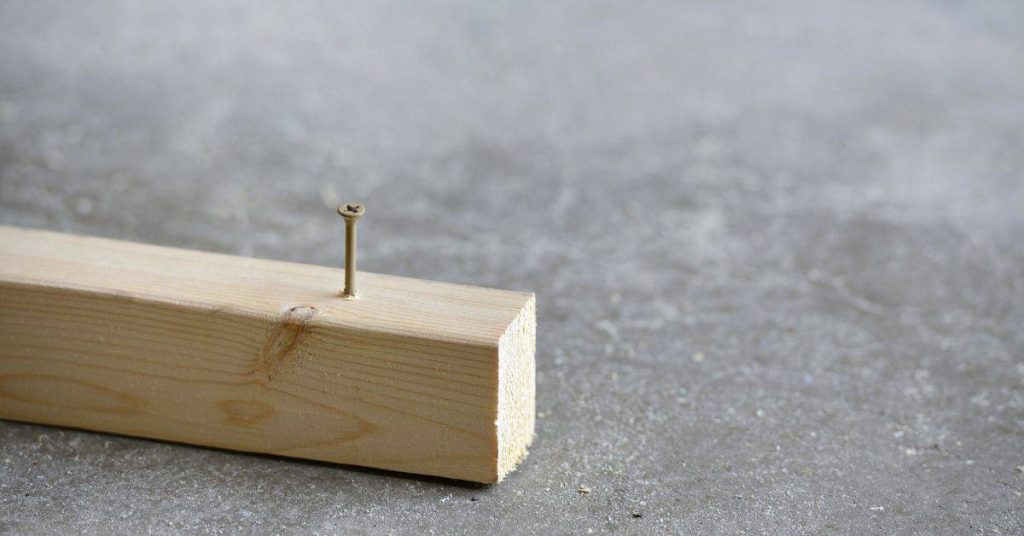
Wood block with nail standing upright on concrete floor

Removing Wood Stuck in Concrete: Safe and Effective Methods

Introduction Wood stuck in concrete can be removed safely and effectively with the right approach. In this article you’ll learn how to assess the situation, choose a method that minimizes damage, and apply practical steps to extract or free the wood. The guide walks through common techniques, safety considerations, and practical tips you can adapt

Removing Wood Stuck in Concrete: Safe and Effective Methods Read More »

Rusting Reinforcement Stains: How to Treat the Cause

Rusting Reinforcement Stains: How to Treat the Cause

Introduction Rusting reinforcement stains are caused by moisture and corrosion in the reinforcing steel, and the key is to address the source. The guide walks through practical steps to identify moisture paths, inspect the concrete and steel, and apply treatments that prevent recurrence. You’ll learn how to prioritize fixes, assess when surface cleaning suffices, and

Rusting Reinforcement Stains: How to Treat the Cause Read More »

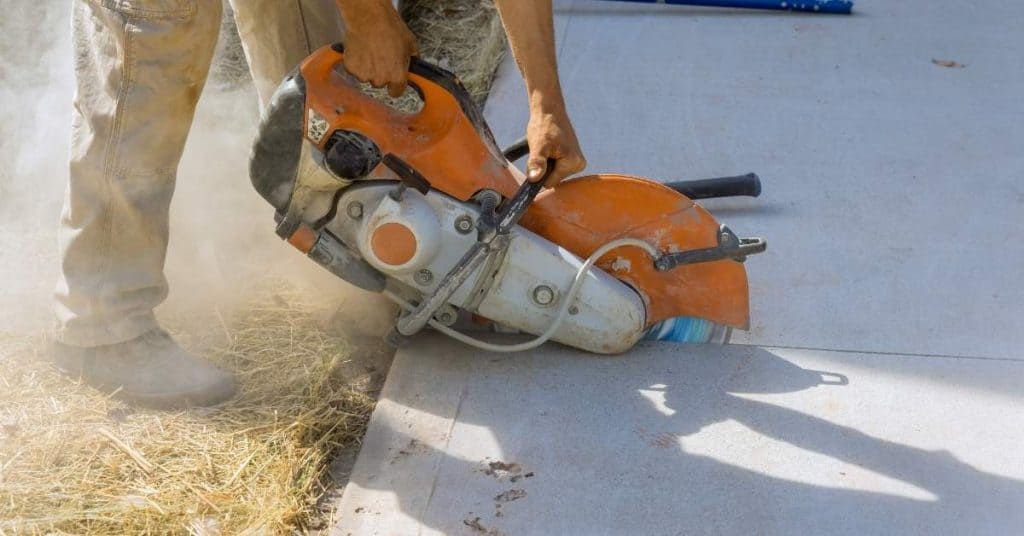
Worker using a concrete saw to cut a line in the driveway.

Tooled Joints Vs Sawed Joints: What to Choose on Small Patios and Walks

Introduction For small patios and walks, tooled joints generally provide tighter seams and greater durability than sawed joints. You’ll learn how to weigh appearance, maintenance, and installation considerations, and the guide walks you through practical tips for choosing and applying the method. Key takeaways Tooled joints resist uplift on mortar-less patios but require consistent jointing

Tooled Joints Vs Sawed Joints: What to Choose on Small Patios and Walks Read More »

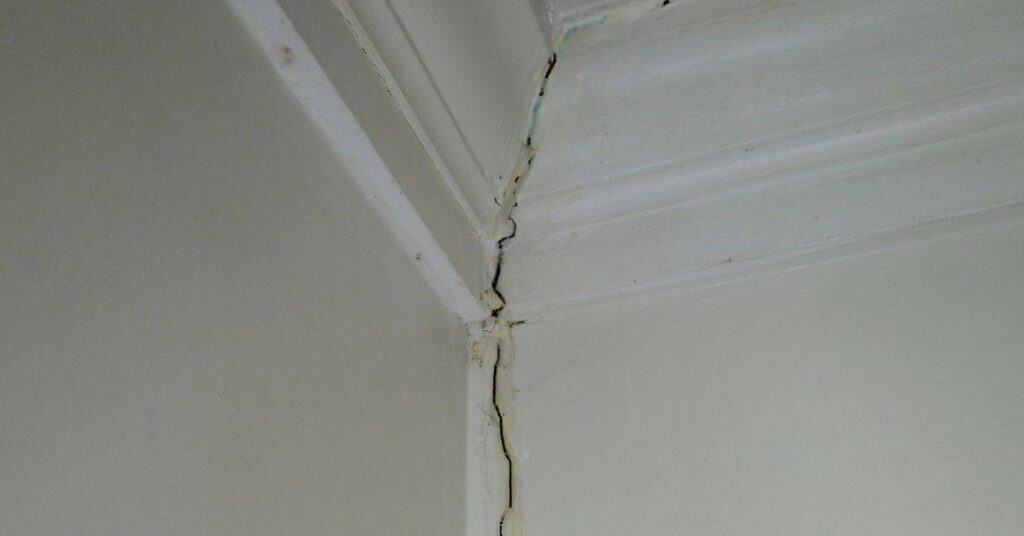
Cracks at Inside Corners: Re-Entrant Corner Relief Cuts That Reduce Risk

Cracks at Inside Corners: Re-Entrant Corner Relief Cuts That Reduce Risk

Introduction Re-entrant corner relief cuts reduce the risk of cracks forming at inside corners. This article explains why inside corners are prone to stress and how relief cuts can mitigate that risk, with practical guidelines you can apply in common fabrication and design scenarios. You’ll learn simple rules of thumb, example layouts, and step-by-step considerations

Cracks at Inside Corners: Re-Entrant Corner Relief Cuts That Reduce Risk Read More »

Concrete Surface Profile for Coatings: How to “feel” If It’s Ready

Concrete Surface Profile for Coatings: How to “Feel” If It’s Ready

Introduction You can determine a concrete surface’s readiness for coatings by assessing its surface profile. The guide explains why this matters for adhesion and durability, and it walks you through practical steps, tips, and rules of thumb to evaluate texture, cleanliness, and uniformity. You’ll learn how to identify when the surface meets basic criteria and

Concrete Surface Profile for Coatings: How to “Feel” If It’s Ready Read More »