Search Results for: 10 INCH ROUND CONCRETE

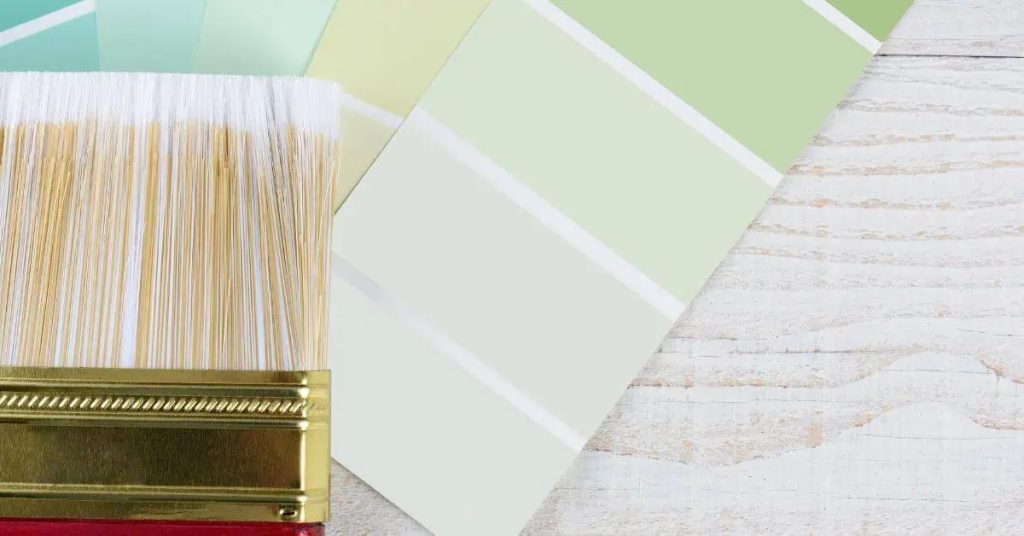
Paint brush next to green color swatch cards on wooden surface

Marmorino Color Layering: Building Depth Without Blotches or Lap Marks

Introduction Marmorino Color Layering is a plaster technique that builds depth by layering pigments and lime plaster to avoid blotches. You’ll apply thin coats, blend colors wet-on-wet, and smooth to keep it even. Work in small areas and test a patch first to learn how your mix behaves. Start with a clean, damp surface and […]

Marmorino Color Layering: Building Depth Without Blotches or Lap Marks Read More »
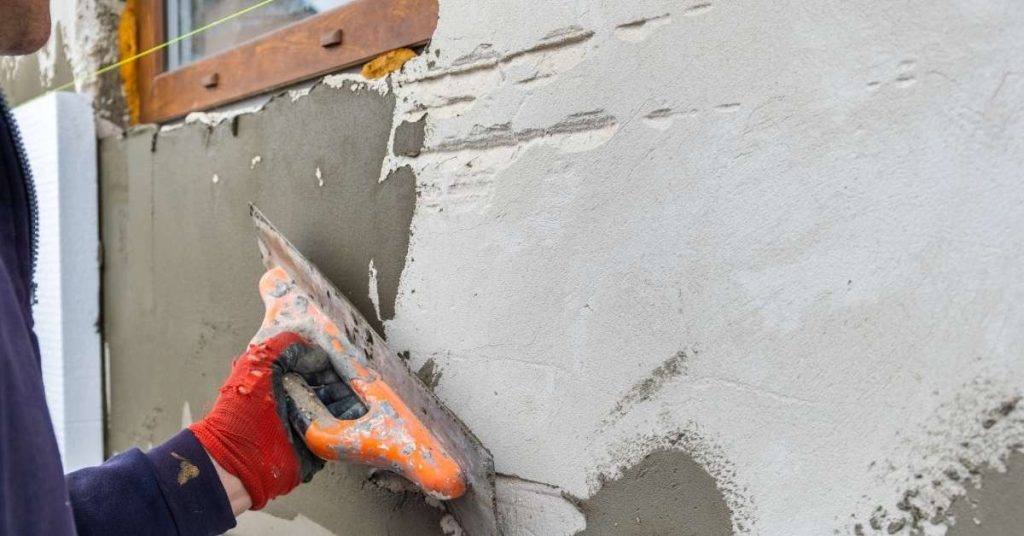
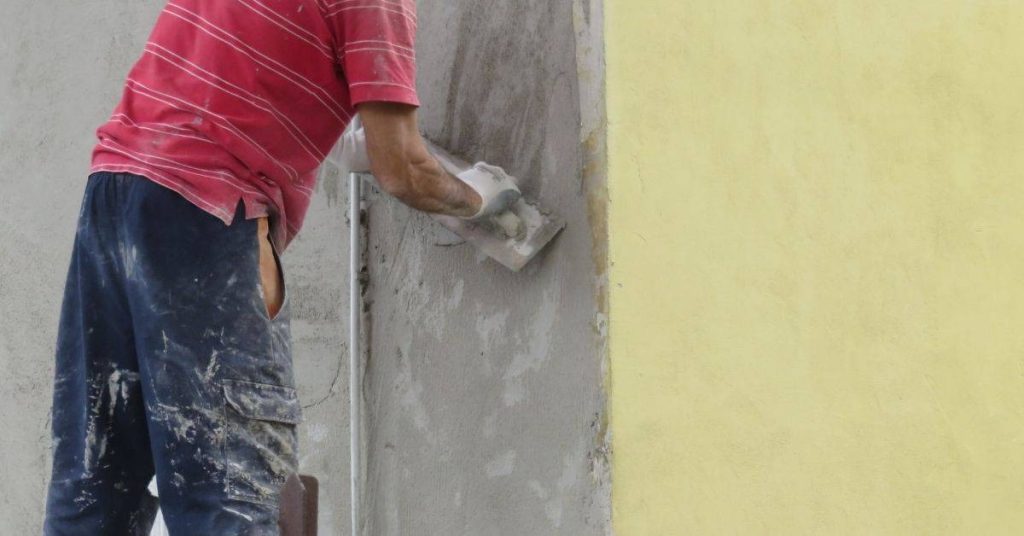
Person applying stucco to exterior wall with trowel

How Thick Is Your Stucco? Measuring Without Full Demo (and Patching Cleanly)

Introduction Measuring stucco thickness without full demolition means estimating how thick the outer layer sits on the wall. In plain terms, you’re looking for clues you can verify without tearing the surface apart. Use simple tools and a careful approach to avoid creating new cracks or exposing the substrate. Tools you can rely on include

How Thick Is Your Stucco? Measuring Without Full Demo (and Patching Cleanly) Read More »

Worker applying wet stucco to wall with trowel

Stopping Parapet Leaks with Stucco: Coping Caps and Top-Edge Detailing

Introduction This article covers how to stop parapet leaks with stucco through coping caps and top-edge detailing. You’ll approach this as a hands-on project, not a textbook lesson. Expect practical steps you can check on site and adjust for your wall setup. Plan for proper flashing, sealants, and coping cap installation, and verify what your

Stopping Parapet Leaks with Stucco: Coping Caps and Top-Edge Detailing Read More »

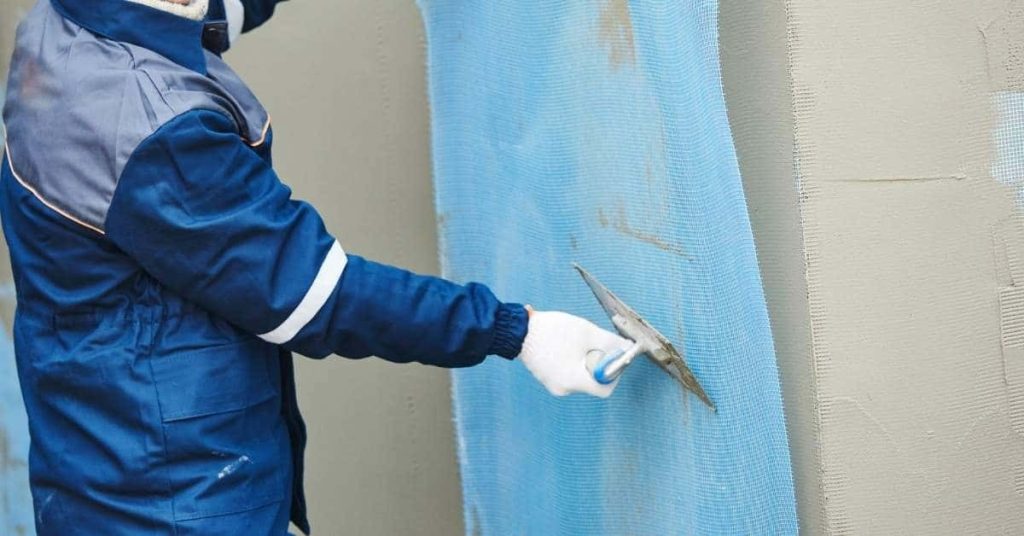
Person applying plaster over blue mesh on wall

Clay Plaster Over Plywood: Movement Joints, Mesh Choices, and Crack-Reduction Tricks

Introduction Clay plaster over plywood is a traditional finish that you apply to plywood walls, using joints and mesh to control movement and cracks. This article gives practical, hands-on steps for choosing joint spacing, mesh types, and tricks to reduce cracking. Expect a process that favors small batches, careful bonding, and testing along the way.

Clay Plaster Over Plywood: Movement Joints, Mesh Choices, and Crack-Reduction Tricks Read More »

Hand in pink glove scrubbing stucco wall with brush

Algae on Stucco: Cleaning Methods That Don’t Bleach Color or Etch Finish

Introduction Algae on stucco is algae growth that appears as green or dark spots on the surface. Identify it by color, texture, and where it’s growing, especially in shaded or damp areas. This guide keeps things simple for DIY homeowners and avoids bleaching or etching. Use safe cleaners that are milder than bleach and follow

Algae on Stucco: Cleaning Methods That Don’t Bleach Color or Etch Finish Read More »

Exposed brick wall partly covered with gray stucco render

Stucco-to-Brick Transitions: Movement Joints and Water Breaks That Don’t Crack

Introduction A movement joint at a stucco-to-brick transition is a deliberate gap that lets the siding materials expand and contract without cracking. Its job is to separate the two substrates so stresses don’t transfer and crack the finish. This article shows practical, hands-on steps for placing joints and installing water breaks so the transition stays

Stucco-to-Brick Transitions: Movement Joints and Water Breaks That Don’t Crack Read More »

Pile of broken red bricks and rubble

Spalling Brick Diagnosis: Freeze-Thaw, Salts, and the “Stop the Water” Plan

Introduction Spalling brick diagnosis is identifying why bricks are flaking or crumbling due to freeze-thaw, salts, or moisture. This is a hands-on check to help you decide what needs repair and how to stop further damage. Look for cracking, hollow sounds, powdery surfaces, or powdery efflorescence as clues. Start by stopping water entry and planning

Spalling Brick Diagnosis: Freeze-Thaw, Salts, and the “Stop the Water” Plan Read More »

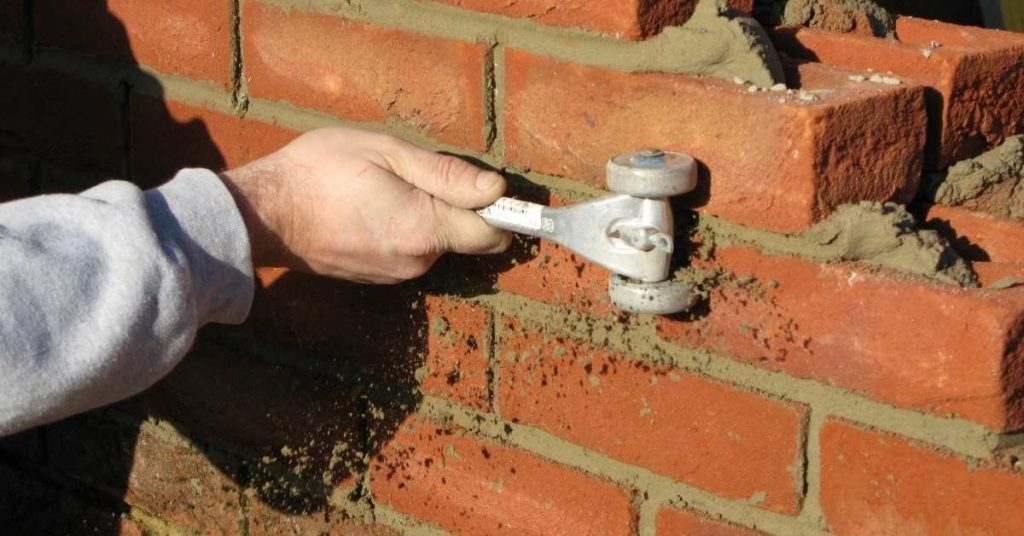
Hand using brick joint roller on fresh mortar joints

Brick Repointing Without Drool Lines: Vertical Joint Control Tricks

Introduction Brick repointing is the process of renewing the mortar between bricks to restore strength and look. This article focuses on doing it without leaving drool lines or smeared mortar, especially along vertical joints. We’ll talk through practical steps you can do on a DIY basis with common tools. Control vertical joints by tooling and

Brick Repointing Without Drool Lines: Vertical Joint Control Tricks Read More »

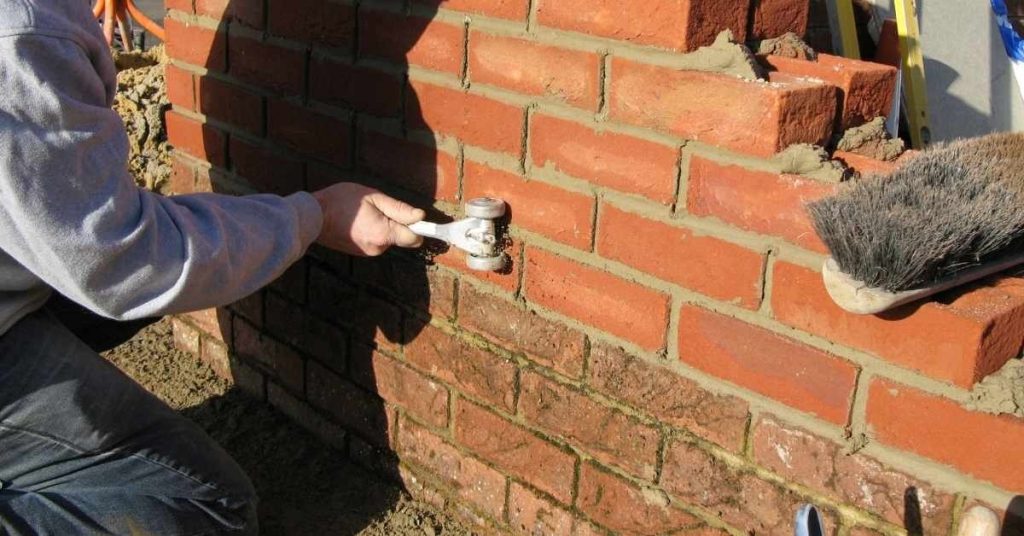
Person using joint roller on brick wall mortar joints

Brick Tuckpointing for DIY: Joint Prep, Tooling, and Curing Basics

Introduction Brick tuckpointing is the process of repairing mortar joints to restore strength and appearance. This article gives a practical, hands-on approach you can use at home. You’ll learn basic prep, tooling, and curing ideas without fancy jargon. Begin with a close inspection of the joints and determine whether you need to rake out damaged

Brick Tuckpointing for DIY: Joint Prep, Tooling, and Curing Basics Read More »

Close-up of textured white plaster wall surface

Finding Studs Behind Plaster and Lath: Magnets, Probing, and Avoiding Wire Hits

Introduction Finding studs behind plaster and lath means locating the wall framing behind the plaster so you know where to anchor. In practice, DIY folks use magnets to find fasteners and then verify with a probing method to confirm stud depth. This approach helps you avoid guessing and reduces the risk of drilling into wires

Finding Studs Behind Plaster and Lath: Magnets, Probing, and Avoiding Wire Hits Read More »