Search Results for: 10 INCH ROUND CONCRETE

Close-up of exposed aggregate concrete edge beside pool water

Permeable Concrete Patios: Aggregate Choices, Placement, and Clog-Proof Maintenance

Introduction Permeable concrete patios are surfaces that let water pass through the slab to the ground below. They use special aggregate and mix proportions to create voids that drain freely. That means you can install a patio that handles rain without pooling, if done right. Gather your options for aggregate styles and layout, then plan […]

Permeable Concrete Patios: Aggregate Choices, Placement, and Clog-Proof Maintenance Read More »

Concrete porch with white rocking chairs and blue siding.

Concrete Porch Drip Edges: Saw-Cut Drip Grooves That Stop Ugly Water Trails

Introduction A concrete porch drip edge is a saw-cut groove that directs water away from the porch surface. It helps reduce streaks and puddling by guiding runoff toward the edge, and it should sit where rainwater tends to flow. Plan with the porch as built and avoid cutting through any critical structural lines. Tools you’ll

Concrete Porch Drip Edges: Saw-Cut Drip Grooves That Stop Ugly Water Trails Read More »

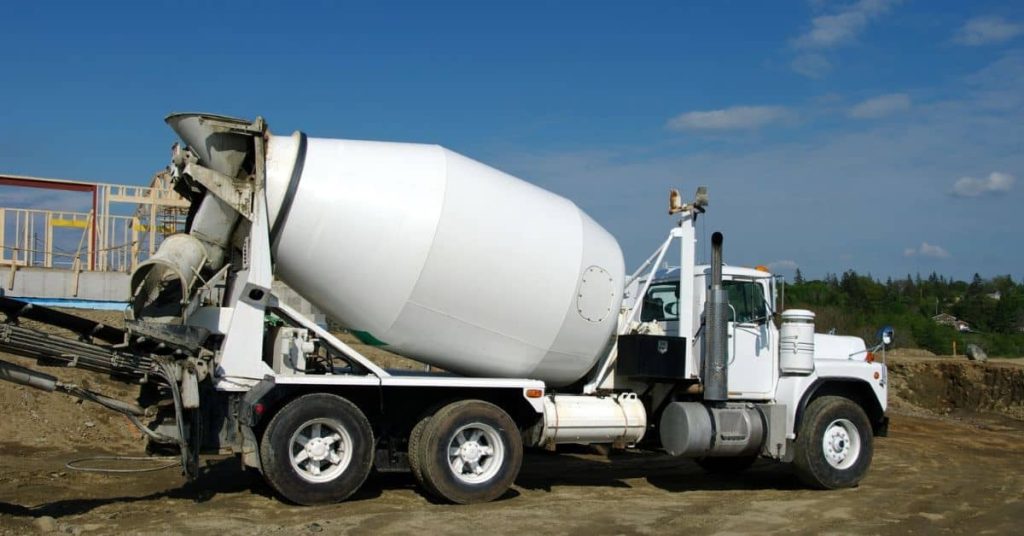
White concrete mixer truck parked on dirt under clear sky

Heaved Sidewalk Fixes in Concrete: Mudjacking vs Polyjacking vs Full Replacement

Introduction This article compares three concrete repair options for a heaved sidewalk: mudjacking, polyjacking, and full replacement. Mudjacking uses a cement slurry to lift the slab from below, while polyjacking uses a foam material to fill voids and lift. Full replacement means removing the old slab and pouring a new one. Each method has its

Heaved Sidewalk Fixes in Concrete: Mudjacking vs Polyjacking vs Full Replacement Read More »

Three workers pouring concrete over rebar framework outdoors

Pouring a Concrete Ramp Over an Existing Slab: Bond Breakers, Dowels, and Slope Math

Introduction Pouring a concrete ramp over an existing slab means adding a new ramp surface on top of the old slab and tying it together properly. Make sure the bond between old and new concrete is controlled with the right bond breaker plan and reinforcement setup. I’ll use bond breakers where they’re needed to prevent

Pouring a Concrete Ramp Over an Existing Slab: Bond Breakers, Dowels, and Slope Math Read More »

Concrete building columns and ceiling beams under blue sky

Deck Stair Footings in Concrete: Getting Below Frost Without Over-Digging

Introduction Deck stair footings are concrete supports placed below the frost line to keep stairs from heaving. This article explains how to do that without digging more than necessary. Check your local code and manufacturers for the exact depths and mix. Understanding frost depth, footing size, and concrete choices matters for a solid, long-lasting set.

Deck Stair Footings in Concrete: Getting Below Frost Without Over-Digging Read More »

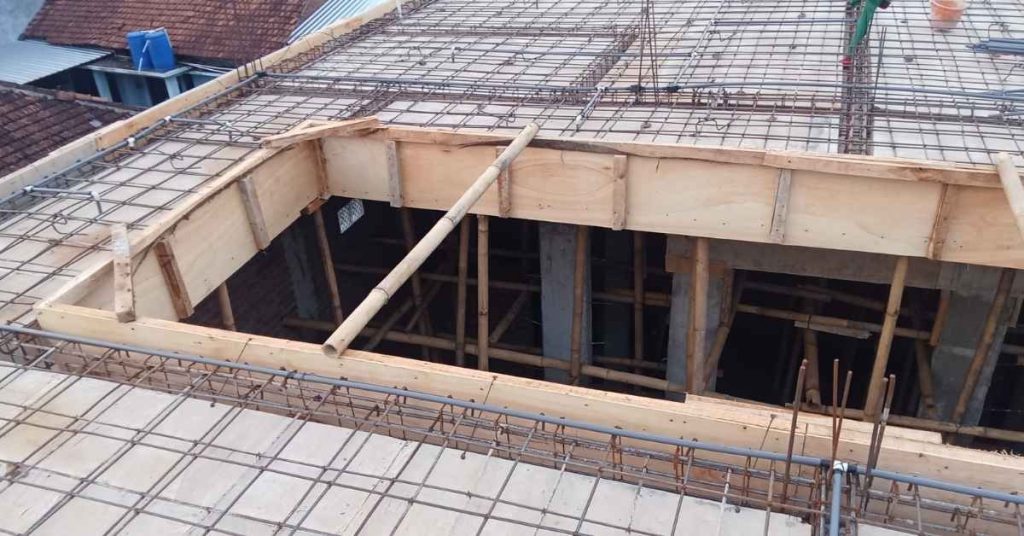
Wooden formwork and steel rebar grid on concrete slab

Concrete Slab-on-Grade for a Small Shed: Vapor Barriers, Thickened Edges, and Bolt Layout

Introduction A slab-on-grade is a concrete floor poured directly on prepared ground with no raised foundation. For a small shed, you’ll want to plan for a vapor barrier, thickened edges, and a simple bolt layout to anchor posts. As you work, verify local rules and follow manufacturer instructions for materials. Starting prep means grading, compacting,

Concrete Slab-on-Grade for a Small Shed: Vapor Barriers, Thickened Edges, and Bolt Layout Read More »

Rough grey concrete wall with varied texture

Strip vs Grind a Failed Sealer: Choosing the Safer Method for Your Concrete Texture

Introduction Stripping removes the sealer with chemicals or rollers, while grinding buffs away the old coating with a machine to reveal a new surface. The safer choice usually depends on the sealer type and how badly the texture is damaged. For most DIYers, start with a careful test area and a gentler approach to evaluate

Strip vs Grind a Failed Sealer: Choosing the Safer Method for Your Concrete Texture Read More »

Concrete building with vertical and horizontal structural elements

How to Patch Vertical Concrete Without Sag: Mix Stiffness, Bonding, and Lift Thickness

Introduction Patch vertical concrete without sag by using a stiff, workable mix that stays put once placed. Choose a mix with good bonding and low slump, and apply in quick, controlled strokes. Always check product labels and local guidelines to confirm compatible bonding agents and lift thickness. Keep the surface clean and dampened as needed,

How to Patch Vertical Concrete Without Sag: Mix Stiffness, Bonding, and Lift Thickness Read More »

Stone water well with bucket hanging from pulley system

How to Prevent Concrete ‘Mud Cracks’ in Patches: Water Control and Layer Thickness

Introduction Mud cracks in patches occur when water leaves the mix faster than the concrete sets and the patch is too thick. Keep forms tight and manage moisture so the surface cures evenly, not with a runny or dry edge. Always check the product label or local guidance for curing and thickness recommendations before you

How to Prevent Concrete ‘Mud Cracks’ in Patches: Water Control and Layer Thickness Read More »

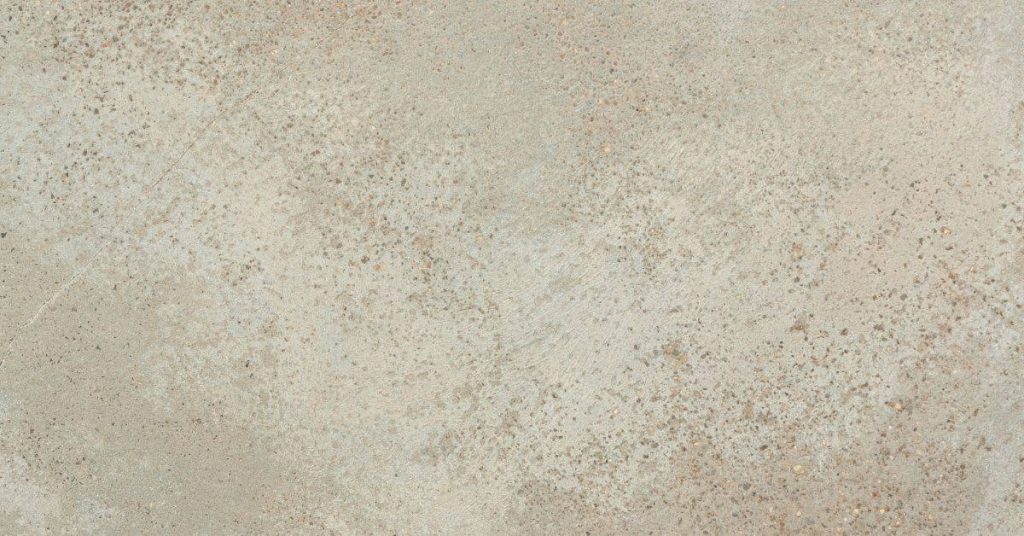
closeup of textured sand-finish concrete surface

DIY Sand-Finish Concrete: Getting a Fine Texture Without Weak Surface Paste

Introduction DIY Sand-Finish concrete is a surface texture created by applying a fine sand mix to the top to achieve a smooth, speckled look. It’s a hands-on technique that can hide light trowel marks and give the surface a gentle, gritty feel. It’s meant to be practical for a DIY project, not a showroom finish.

DIY Sand-Finish Concrete: Getting a Fine Texture Without Weak Surface Paste Read More »