Search Results for: 10 INCH ROUND CONCRETE

Angle grinder and mallet on ceramic tiles laid on concrete floor

Drilling Holes in Tile: Diamond Hole Saw Technique That Doesn’t Crack the Tile

Introduction A diamond hole saw with careful technique can cut clean, crack-free holes in tile. This introduction explains the practical, hands‑on approach you’ll use to drill through ceramic or porcelain tile without damaging the surrounding material. You’ll want the right tools and steady steps to manage dust and avoid chips. Check manufacturer instructions for drill […]

Drilling Holes in Tile: Diamond Hole Saw Technique That Doesn’t Crack the Tile Read More »
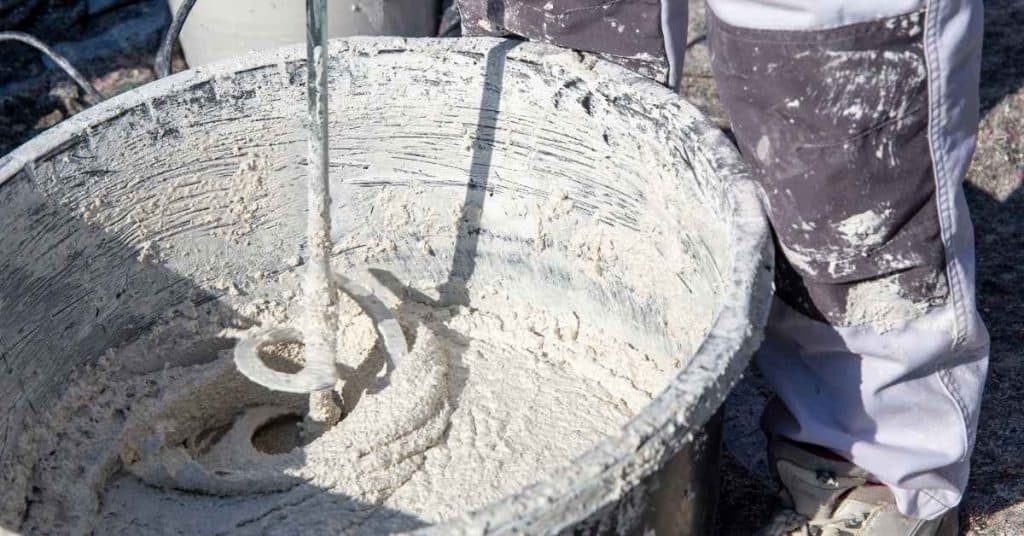
Close-up of plaster being mixed in a large bucket

Mixing Plaster Without Lumps: Water-First Vs Plaster-First and What Changes

Introduction Water-first and plaster-first are two simple ways to mix plaster without lumps. With water-first, you add water to the bowl first, then sift plaster into it and stir. With plaster-first, you dump dry plaster into the water and mix until it smooths. Both methods affect how fast you get a smooth mix and how

Mixing Plaster Without Lumps: Water-First Vs Plaster-First and What Changes Read More »

Stucco Color Coat Repairs: Why They Fail and How to Avoid Weak “Skim” Patches

Stucco Color Coat Repairs: Why They Fail and How to Avoid Weak “Skim” Patches

Introduction A Stucco Color Coat Repair is fixing the top stucco layer to seal cracks and restore the surface. This kind of patch relies on proper surface prep, compatible material, and a smooth skim to blend with the surrounding wall. If the skim is weak, patches can crack, delaminate, or look obvious. You’ll need basic

Stucco Color Coat Repairs: Why They Fail and How to Avoid Weak “Skim” Patches Read More »

Adding a Decorative Band: How to Attach Trim Screeds and Keep Lines Straight

Adding a Decorative Band: How to Attach Trim Screeds and Keep Lines Straight

Introduction Adding a decorative band means attaching trim screeds along a wall to create a framed, visual line while keeping the lines straight. Choose trim and screws appropriate for your surface and check the label or manufacturer instructions for compatibility. Keep the line true with a chalk line and clamps as you set each piece.

Adding a Decorative Band: How to Attach Trim Screeds and Keep Lines Straight Read More »

Parapet Caps and Stucco: Where Water Gets in and How to Detail the Top Edge

Parapet Caps and Stucco: A Step-by-Step Timeline for Installation and Top-Edge Detailing

Introduction The installation of parapet caps is a critical step in protecting your building’s exterior from water intrusion. But how long does it take, and what are the key steps involved? In this guide, we’ll walk you through a detailed timeline for installing stucco parapet caps, ensuring that each stage is completed efficiently and effectively.

Parapet Caps and Stucco: A Step-by-Step Timeline for Installation and Top-Edge Detailing Read More »

Stucco Texture Options That Hide Repairs: Sand Float Vs Lace Vs Dash Vs Skip Trowel

Stucco Repair Timeline: Step-by-Step Guide to Hiding Repairs with Sand Float, Lace, Dash, and Skip Trowel Textures

Introduction Embarking on a stucco repair project? Understanding the timeline is crucial for planning your work efficiently. This guide walks you through the step-by-step process of hiding repairs using sand float, lace, dash, and skip trowel textures, ensuring you complete each task within the right timeframe. Whether you’re a seasoned DIYer or a first-timer, this

Stucco Repair Timeline: Step-by-Step Guide to Hiding Repairs with Sand Float, Lace, Dash, and Skip Trowel Textures Read More »

Stucco over Foam (Eifs/Thin Coat): What Changes with Base Coat and Mesh Placement

Stucco over Foam (Eifs/Thin Coat): What Changes with Base Coat and Mesh Placement

Introduction Stucco over foam (EIFS/thin coat) is a layered exterior finish that uses insulation foam beneath a base coat and reinforced mesh. This article keeps it practical for DIYers and focuses on how base coat and mesh placement change when you install over foam. Think of it as a lightweight, flexible alternative to traditional stucco,

Stucco over Foam (Eifs/Thin Coat): What Changes with Base Coat and Mesh Placement Read More »

Fixing Recurring Stucco Cracks at Corners of Windows: Why They Happen and Reinforcement Options

Fixing Recurring Stucco Cracks at Corners of Windows: Why They Happen and Reinforcement Options

Introduction Recurring cracks at window corners are caused by movement in the wall and framing that stresses the stucco. That movement can come from settling, shrinkage, or simple temperature changes. Understanding this helps you plan repairs that move with the wall rather than fight it. Reinforcement options include embedding a corner mesh in a flexible

Fixing Recurring Stucco Cracks at Corners of Windows: Why They Happen and Reinforcement Options Read More »

Repairing Rusted Corner Bead: How to Cut Back and Rebuild Without Chasing Cracks Forever

Repairing Rusted Corner Bead: How to Cut Back and Rebuild Without Chasing Cracks Forever

Introduction Rusted corner bead damage is when the metal trim at the wall corner has corroded and risks cracking the drywall. You’ll see rust stains, flaky edge metal, or bent corners that don’t sit square. This article walks you through a practical, hands-on repair plan. First, identify the damaged metal and assess if the drywall

Repairing Rusted Corner Bead: How to Cut Back and Rebuild Without Chasing Cracks Forever Read More »

Head Flashing Vs “just Caulk”: What’s Actually Protecting the Opening

Head Flashing Vs “Just Caulk”: What’s Actually Protecting the Opening

Introduction Head flashing is the primary shield against water around an opening, and caulk alone cannot provide lasting protection. This matters because proper flashing directs water away and prevents leaks, while improper gaps can lead to rot and interior damage. The guide walks through how to assess openings, distinguish flashing from caulk, and apply practical

Head Flashing Vs “Just Caulk”: What’s Actually Protecting the Opening Read More »