Search Results for: 10 INCH ROUND CONCRETE

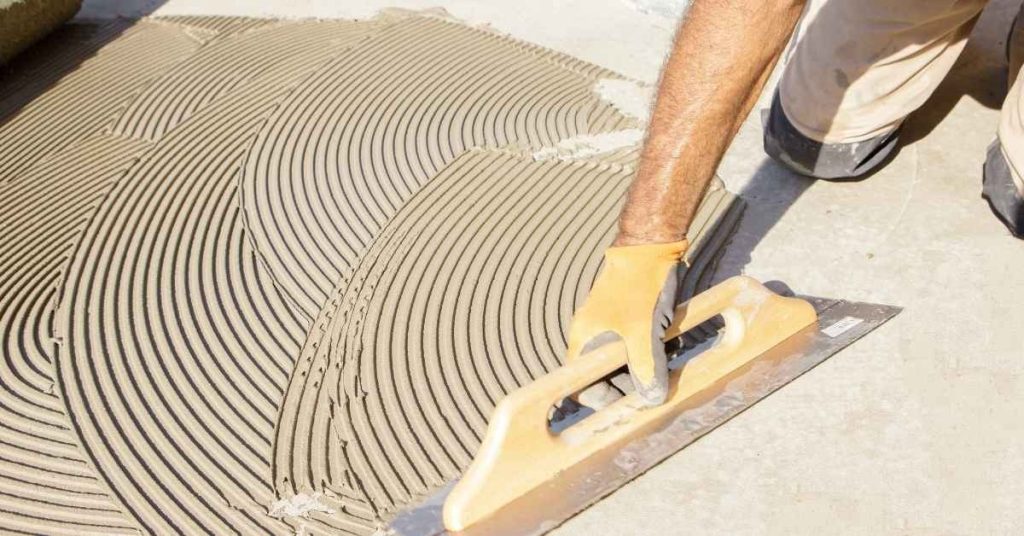
Worker spreading thinset mortar with a notched trowel

Tile on Shower Ceilings: Sag Prevention and Thinset Choice

Introduction Tile on shower ceilings requires proper sag prevention and careful thinset choice. In plain terms, you want the substrate to stay flat and the tile to bond well from day one. Check the thinset instructions for substrate compatibility and follow the manufacturer’s guidance or local rules to avoid surprises. Start by inspecting the ceiling […]

Tile on Shower Ceilings: Sag Prevention and Thinset Choice Read More »

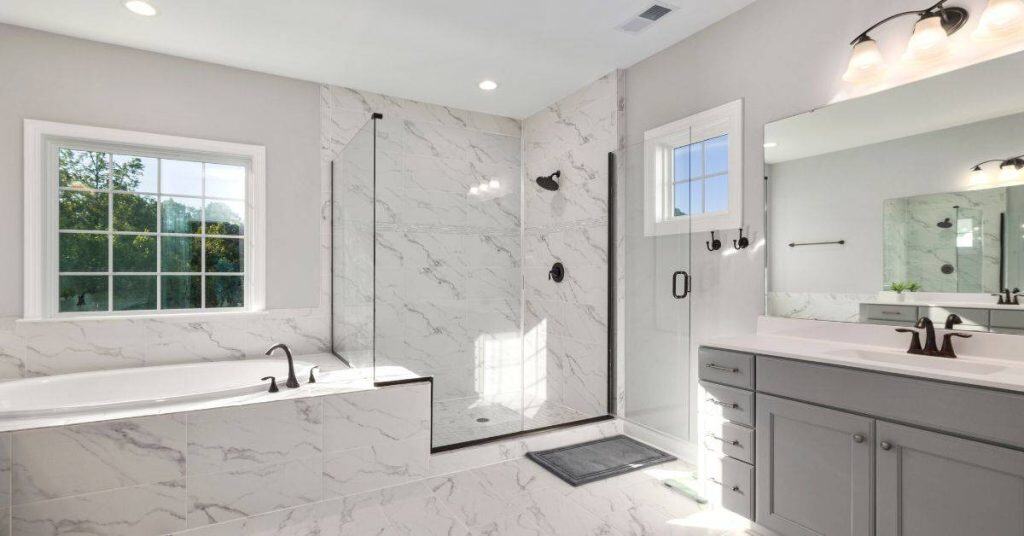
curbless glass shower with marble tile walls and bench

Curbless Shower Slope: How to Check Slope and Fix “Birdbaths” Before Tile

Introduction A curbless shower slope is the gradually sloped floor that drains toward the drain without a raised curb. This intro shows how to check that slope and spot birdbaths before you tile. You’ll use simple tools like a level and straightedge to judge the surface as you work. To fix an incorrect slope, identify

Curbless Shower Slope: How to Check Slope and Fix “Birdbaths” Before Tile Read More »

Modern bathroom with glass shower and marble tiles

Shower Curb Waterproofing: Common Failure Points and How to Build It Right

Introduction Shower curb waterproofing is the process of sealing the edges and top of the curb to keep water from entering walls and floors. Common failure points include gaps at corners, improper flashing, and neglecting the top edge where shower water can splash. In this article, we’ll cover how to build it right with basic,

Shower Curb Waterproofing: Common Failure Points and How to Build It Right Read More »

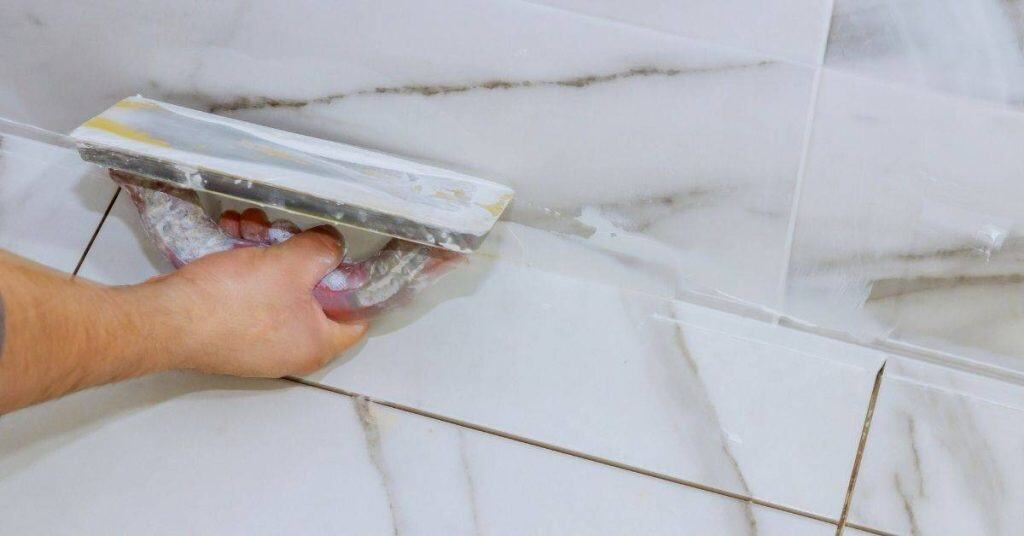
Hand holding grout float over tiled wall surface

Fixing Pinholes in Grout: Why They Happen and How to Repair Without Regrouting Everything

Introduction Pinhole grout gaps are tiny holes in the grout that can let moisture seep behind tiles. They happen when the grout didn’t seal properly, or when movement, wear, or improper mixing weakened it. They’re most noticeable in areas that get routine use or wetting, and they can spread if left unaddressed. You can fix

Fixing Pinholes in Grout: Why They Happen and How to Repair Without Regrouting Everything Read More »

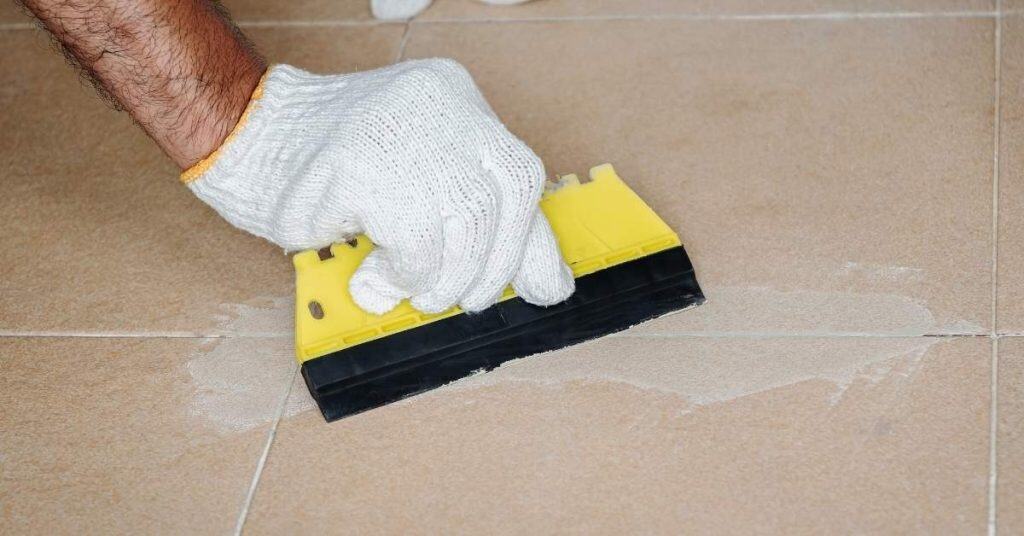
Hand with white glove spreading grout on floor tiles

Tile on Plywood: the Right Build-up so You Don’t Get Cracked Grout Lines

Introduction Tile on plywood is a build-up method that stabilizes a tile surface on a plywood base to prevent cracking. Prep the plywood by cleaning it, dulling any slick spots, and making sure the panel is firmly fastened. Choose an adhesive and any underlayment per the label and local rules, and follow the manufacturer’s prep

Tile on Plywood: the Right Build-up so You Don’t Get Cracked Grout Lines Read More »

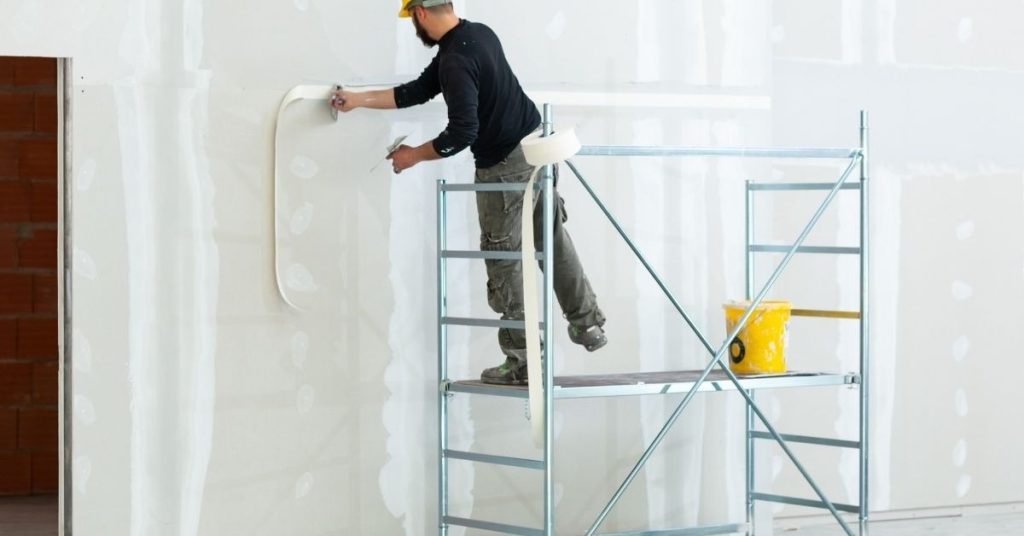
Worker applying tape to drywall seams on scaffold

Cement Board Seams: Tape + Thinset Technique That Doesn’t Create Humps

Introduction Cement board seams are the joints where panels meet and must be taped and mudded to stay flat. This article covers a practical tape plus thinset method that minimizes humps. Work with clean surfaces, use the right tape and setting compound per manufacturer instructions, and blend joints smoothly. If you’re unsure about product specs

Cement Board Seams: Tape + Thinset Technique That Doesn’t Create Humps Read More »

Yellow and black electric hammer drill on white background

Removing Tile Without Destroying the Substrate: Tool Choices and Realistic Expectations

Introduction Removing tile without destroying the substrate means lifting the tile and backing material carefully while protecting the surface underneath. Have the right tools ready, like a chisel, a pry bar, and an oscillating multi-tool with a scraper blade, and plan your work so you don’t pry blindly. Start by testing a corner tile and

Removing Tile Without Destroying the Substrate: Tool Choices and Realistic Expectations Read More »

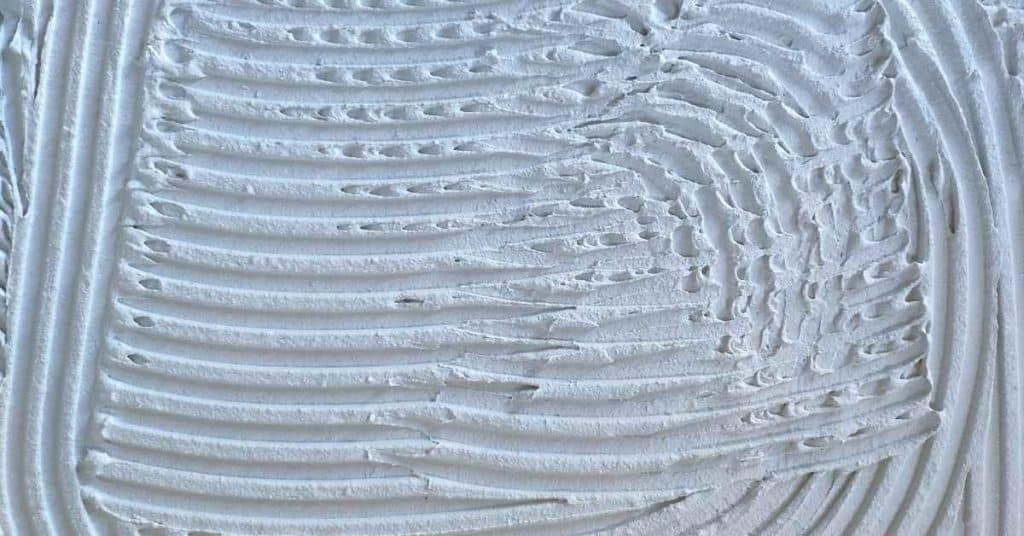
Close-up of white tile adhesive with combed lines

Setting Mosaic Sheets Straight: How to Hide Sheet Lines and Avoid “Snake” Rows

Introduction Setting mosaic sheets straight means aligning the sheets so the grout lines stay in straight, even rows and the sheet edges blend with the pattern. You’ll want a straight edge, a notched trowel, spacers, and a level, plus a method to back-butter where needed. Always check the adhesive label and tile sheet instructions for

Setting Mosaic Sheets Straight: How to Hide Sheet Lines and Avoid “Snake” Rows Read More »