Search Results for: 10 INCH ROUND CONCRETE

Worker applying plaster to an interior wall

Plaster Patch Shrinkage: How to Reduce It with Layering and Timing

Introduction Plaster patch shrinkage is the small pullback and cracking that happens as a plaster patch dries. It occurs when the patch loses moisture and the set plaster contracts, often showing up as fine cracks or a mismatch in texture with the surrounding wall. Watch for hairline cracks, edges that pull away, or visible ridges […]

Plaster Patch Shrinkage: How to Reduce It with Layering and Timing Read More »

Close-up of rough white plaster wall texture

Plaster Dust Control: Small-Job Timeline for Efficient Cleanup

Introduction The timeline of your plaster dust control strategy is crucial to keep cleanup manageable and ensure a successful project. Understanding the duration of each step helps you plan effectively, allocate resources, and maintain a clean work environment. From setting up containment to final cleanup, this guide walks you through the small-job timeline, helping you

Plaster Dust Control: Small-Job Timeline for Efficient Cleanup Read More »

Close-up of blue plaster wall with rough texture

Matching Old Plaster Texture: Brushing – A Step-by-Step Timeline

Introduction The process of matching old plaster texture by brushing can seem daunting, but breaking it down into a clear timeline makes it manageable. This step-by-step guide walks you through the entire process, from preparation to completion, with approximate time frames for each stage. Whether you’re repairing a small patch or restoring an entire room,

Matching Old Plaster Texture: Brushing – A Step-by-Step Timeline Read More »

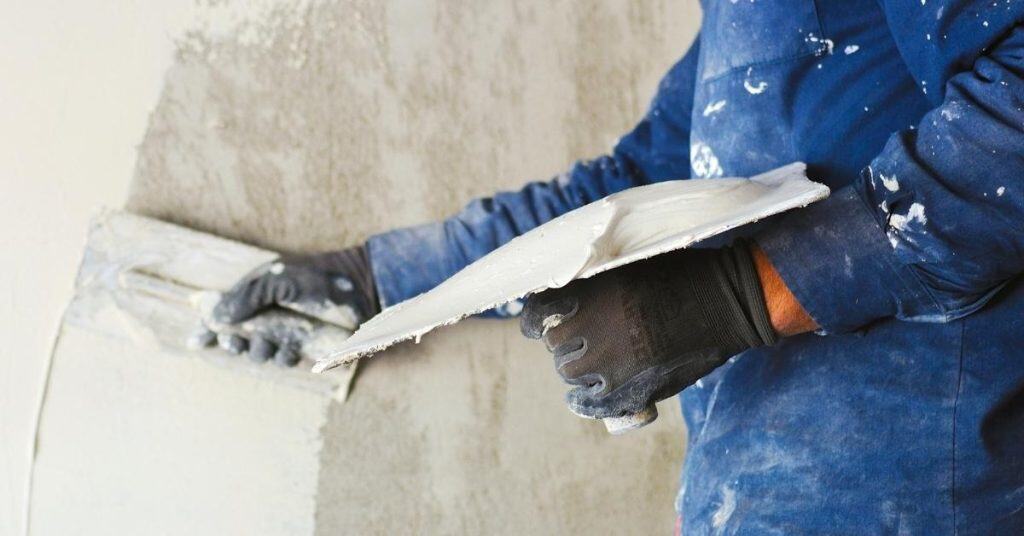
Worker smoothing plaster on wall with trowel wearing gloves and cap

Hardwall Plaster on Masonry: Achieving a Flat Plane Without “Waves”

Introduction Hardwall plaster on masonry is applying a cement-based coating to brick or block to create a flat, level surface. It means you’re sealing the rough masonry and guiding the plaster down to a true plane. Start by checking the wall for moisture and any loose material, then read the instruction on the product label

Hardwall Plaster on Masonry: Achieving a Flat Plane Without “Waves” Read More »

Worker applying plaster to wall with trowel and hawk

Plaster Bonding Agent Application: Coverage Rates and “Tacky Vs Dry” Timing

Introduction Plaster bonding agent application is applying an adhesive coat to help plaster bond, focusing on how much area it covers and when it becomes tacky or dries. In practice, you spread or roll on the bonding agent following the surface you’re working with, pausing long enough for it to tack to the right feel

Plaster Bonding Agent Application: Coverage Rates and “Tacky Vs Dry” Timing Read More »

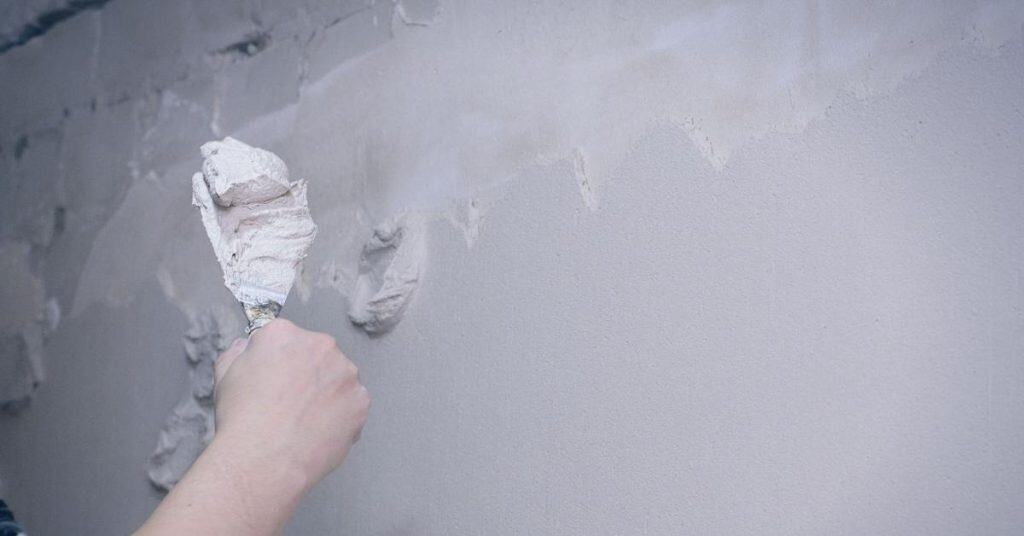
Hand applying plaster to wall with a trowel

Patching Plaster After Plumbing Access Holes: How to Keep the Patch from “Drumming”

Introduction Patching plaster after plumbing access holes means rebuilding the damaged wall so it won’t drum when you tap it. Start by carefully removing loose plaster around the hole and cleaning the edge so the patch bonds well. Check the backing and, if needed, install a thin scrim or patching plaster to create a solid

Patching Plaster After Plumbing Access Holes: How to Keep the Patch from “Drumming” Read More »

Person applying plaster to wall near window corner

Repairing Cracks at Door and Window Corners: Reinforcement Methods That Stay Invisible

Introduction Invisible reinforcement methods for cracks at door and window corners involve strengthening the surrounding frame and substrate without visible patching. This article covers practical, stay-in-place techniques you can do yourself to keep a tight, long-lasting seal. You’ll identify crack types and choose a method that doesn’t alter the look of the opening. Identify crack

Repairing Cracks at Door and Window Corners: Reinforcement Methods That Stay Invisible Read More »

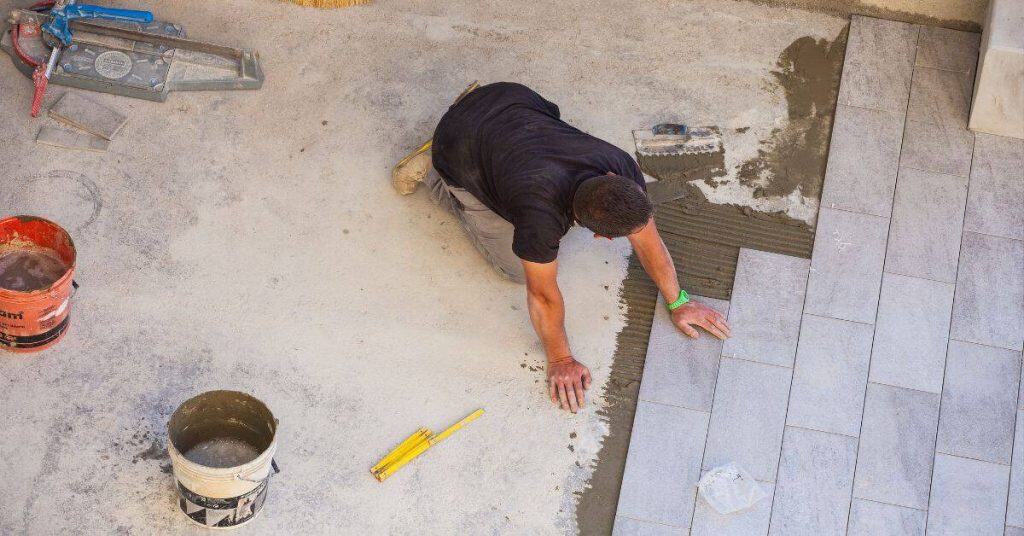
Man kneeling installing rectangular floor tiles

Preventing Hollow Tiles: Spotting Poor Bond Early and Correcting Course

Introduction Hollow tiles occur when the bond between the tile and the substrate fails, leaving empty space behind. You can spot it early by tapping tiles and listening for a dull thud, or feeling movement underfoot. Look for inconsistent grout lines or tiles that crack easily under light load. Correcting course means improving surface prep,

Preventing Hollow Tiles: Spotting Poor Bond Early and Correcting Course Read More »

Woman in dress cleaning white plaster wall near floor

Stains Bleeding Through Plaster: How to Block and Seal Before Repainting

Introduction Stains bleeding through plaster are stains that show up after painting because the stain is seeping through the surface. Common culprits include water marks, tannins from wood, or mildew, and they can push color through even a fresh coat. Before painting, plan to seal and block the stains with the right primer or sealant,

Stains Bleeding Through Plaster: How to Block and Seal Before Repainting Read More »