
Table of Contents
- Introduction
- Understanding Thin-Set Overlay Systems
- Benefits of Overlaying vs. Removing Concrete
- Required Sub-Surface Preparation
- Overlay Paver Installation Techniques
- Product Recommendations for Overlay Systems
- Common Mistakes to Avoid
- Long-Term Maintenance Tips
- Safety Measures
- When to Consult a Professional
- Troubleshooting Common Issues
- Environmental Considerations
- Conclusion
- FAQ
Introduction
Preventing paver rocking on thin-set overlays involves ensuring proper substrate preparation and using the right installation techniques. In this article, you’ll learn about the common causes of paver instability and explore effective strategies to maintain a durable and smooth surface.
Understanding Thin-Set Overlay Systems
Thin-set overlay systems are a versatile solution in landscaping, designed to enhance the appearance and functionality of outdoor spaces. These overlays involve applying a thin layer of material over existing surfaces, typically using materials like cement, polymer, or a combination of both, to create a durable and aesthetically pleasing finish.
Thin-set overlays are particularly beneficial for paver installations, offering increased durability and a range of design options. They are ideal for various applications, including patios, walkways, and pool decks, where a seamless and polished look is desired. However, it’s important to consider factors such as surface preparation and weather conditions to ensure successful application and longevity.
What is a Thin-Set Overlay?
A thin-set overlay is a specialized technique used in paver installations to create a smooth, level surface over an existing base. It’s a mix of cement, sand, and polymers that forms a thin layer, which is applied directly over a prepared substrate. This method is particularly useful when you want to refresh or enhance the appearance of a surface without the hassle of a full replacement.
The primary purpose of a thin-set overlay is to provide a durable and aesthetically pleasing finish. It’s ideal for areas that need a facelift, like old patios or worn-out driveways. However, don’t just slap it on any surface. You need to check base compaction and ensure that the existing substrate is stable and free from cracks. If the base isn’t solid, the overlay will fail, and you’ll be back to square one.
When deciding on using a thin-set overlay, consider the climate and the intended use of the area. In regions with extreme weather, you might need to use additives for extra strength. Also, think about the traffic the surface will endure. For high-traffic areas, a thicker application might be necessary to prevent wear and tear. Remember, the success of a thin-set overlay largely depends on proper preparation and application.
Common Uses for Thin-Set Overlays
Thin-set overlays are a versatile solution for enhancing various surfaces. One of the most popular applications is on patios. If your patio looks worn or outdated, a thin-set overlay can rejuvenate it without the hassle of tearing out the old surface. This approach saves time and money while providing a fresh, modern look.
Walkways are another common area where thin-set overlays shine. They can transform cracked or uneven paths into smooth, attractive walkways. Before starting, make sure to check base compaction to ensure the overlay adheres properly. Ignoring this step can lead to future cracking and peeling.
Driveways can also benefit from thin-set overlays. They offer a cost-effective way to repair minor imperfections and add decorative finishes. However, if your driveway has major structural issues, it’s best to address those first. Thin-set overlays are not a fix for serious underlying problems.

Benefits of Overlaying vs. Removing Concrete
Overlaying existing concrete offers a practical and cost-effective alternative to complete removal and replacement. This approach not only saves money but also significantly reduces the time needed for construction projects. By choosing to overlay, you can enhance the structural integrity and aesthetics of your concrete surfaces while minimizing environmental impact.
For those working on DIY projects or at a jobsite, overlaying can be a game-changer. It allows for a variety of design options that can transform the look of any space, all while protecting and extending the life of the underlying concrete. Additionally, this method reduces waste and lowers the carbon footprint, making it a sustainable choice that benefits both your project and the planet.
Cost Savings
Overlaying concrete can save you a significant amount of money compared to traditional removal methods. When you overlay, you avoid the high costs associated with demolishing and disposing of the old concrete. This means fewer labor hours and no need for heavy machinery to haul away debris. Instead, you just need to focus on preparing the existing surface and applying the new layer.
Another factor to consider is the cost of materials. Overlay materials are generally less expensive than pouring new concrete from scratch. Plus, since you’re building on top of the existing slab, you use less material overall. This not only reduces costs but also speeds up the project timeline.
Before deciding, check base compaction and ensure the existing concrete is in good condition. If the base is solid, overlaying is a smart choice. But if the foundation is compromised, you might end up paying more in the long run to fix issues. Always weigh the initial savings against potential future repairs.
Time Efficiency
Overlaying concrete is a real time-saver compared to tearing out and replacing old slabs. When you overlay, you skip the messy, labor-intensive demolition process. That means less downtime and fewer delays. You can get straight to the fun part—applying your new surface—without waiting for a crew to haul away debris. This makes overlaying a smart choice if you’re on a tight schedule.
Before you start, make sure the existing concrete is in good shape. Check for cracks and stability. If the base is solid, you can move ahead with confidence. A well-prepared surface means the overlay will adhere better and last longer. This step is crucial for saving time in the long run, as it prevents future repairs.
Overlaying also lets you work in stages, which is handy if you’re juggling other projects. You can tackle one area at a time without the stress of a full-scale demolition. This flexibility is a big plus for DIY enthusiasts who want to manage their time effectively. Remember, the faster you finish, the sooner you can enjoy your new space.
Required Sub-Surface Preparation
Proper sub-surface preparation is crucial for a successful thin-set overlay installation. This involves assessing the existing surface to ensure it is stable, clean, and free from debris or loose materials. Additionally, any cracks or imperfections in the concrete should be repaired to create a smooth base.
Preparing the sub-surface not only enhances the adhesion of the thin-set but also prevents future issues such as water pooling and moisture penetration. By ensuring proper drainage and applying a bonding agent, you can significantly improve the durability and longevity of your overlay. This meticulous preparation is essential for achieving a professional and lasting finish.
Assessing Concrete Condition
Before you start any work, take a good look at your concrete slab. You need to know if it’s up to the job. Start by checking for any visible cracks or chips. Small hairline cracks might not be a big deal, but large cracks or crumbling edges are a red flag. These could mean the slab is weak or unstable.
Next, test the surface strength. You can do this with a simple scratch test. Use a screwdriver or a similar tool and scrape the surface. If it crumbles easily, that’s a problem. A strong surface should resist scratching. If it fails this test, you might need to think about replacing the slab entirely.
Also, pay attention to any signs of moisture. Dark spots or damp areas could indicate water damage. This can weaken the concrete over time. Make sure the slab is dry and free from moisture issues before you proceed. If you find any of these problems, take care of them first. Don’t skip this step. Ignoring it can lead to bigger headaches down the road.
Cleaning and Leveling
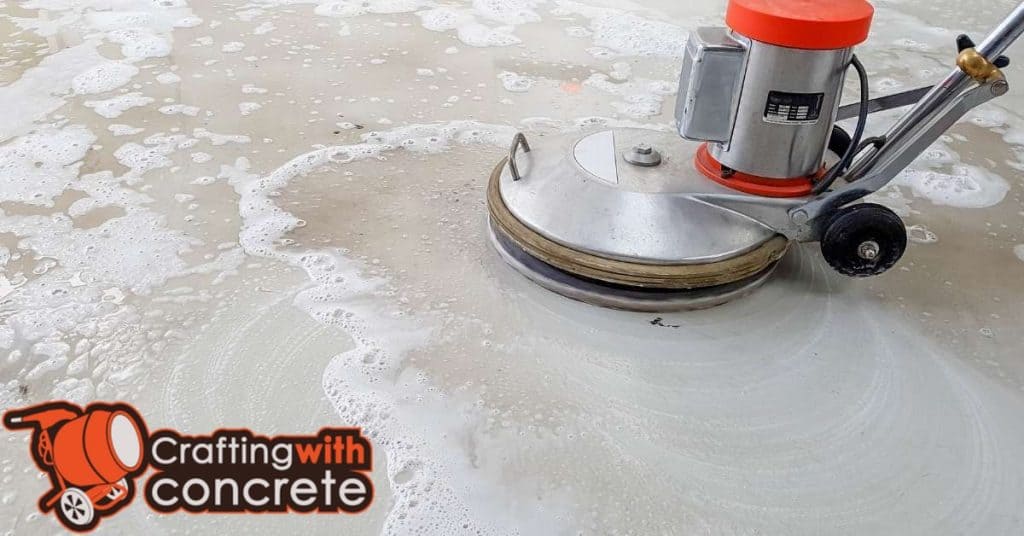
Before you start with the overlay, make sure the surface is spotless. Remove any dirt, dust, or debris. Use a broom or a vacuum to clear the area. If there are oil stains or other stubborn marks, scrub them off with a degreaser. A clean surface ensures the overlay sticks properly.
Next, focus on leveling the surface. Uneven spots can ruin the final look and function of your overlay. Use a straightedge to find high and low points. High spots need to be ground down, while low spots require filling. A self-leveling compound can help with minor dips. Don’t skip this step, or you’ll regret it later.
Finally, check base compaction. A poorly compacted base can lead to cracks and other issues down the line. If you’re unsure, a quick tap test can reveal loose areas. Fix these before moving forward. Remember, a stable base is crucial for a durable overlay.
Overlay Paver Installation Techniques
Overlay paver installation involves a meticulous process that begins with preparing the existing surface. This includes cleaning and assessing the concrete slab for any cracks or imperfections. Once the surface is ready, selecting the right thin-set mortar is crucial for ensuring durability and compatibility with the pavers.
Understanding these techniques is vital for achieving a professional finish that enhances outdoor spaces. Proper installation not only improves the aesthetic appeal but also ensures the longevity of the paved area by preventing issues like uneven surfaces and rocking pavers. This knowledge empowers both DIY enthusiasts and professionals to execute projects with confidence and precision.
Choosing the Right Materials
The right materials make all the difference in overlay paver installations. They affect durability, appearance, and ease of installation. Choose wisely to avoid future headaches.
- Type N mortar is ideal for thin-set overlays. Look for a strength class of 750 PSI. It’s perfect for non-load-bearing walls. Avoid it for heavy traffic areas as it may crack.
- Polymeric sand fills joints between pavers. Check for a high bonding strength. It prevents weed growth and insect infestation. Don’t skimp on quality; cheap sand can wash out easily.
- Concrete adhesive is used to bond overlays to existing surfaces. Look for compatibility with concrete and stone. It ensures a strong bond. Avoid using it in wet conditions; it won’t set properly.
- Sealant protects the surface from stains and weather damage. Choose a UV-resistant option. It enhances color and prevents fading. Skipping sealant can lead to discoloration and erosion.
- Non-slip additive is mixed into sealants for safety. Look for a silica-based product. It provides traction without altering appearance. Essential for poolside or sloped areas to prevent accidents.
- Waterproof membrane is crucial for moisture-prone areas. Ensure it has a high tensile strength. It prevents water infiltration and damage. Without it, expect mold and structural issues.
- Epoxy grout is durable and stain-resistant. Check for chemical resistance. It’s great for kitchens and outdoor kitchens. Avoid it if you’re inexperienced; it sets quickly and requires precision.
- Color enhancer brings out the natural beauty of stone. Look for a penetrating formula. It deepens color without a glossy finish. Test on a small area first to avoid unwanted color changes.
Pro tip: Buy materials in bulk to save money, but store them in a cool, dry place to maintain their quality. Mix only what you need to avoid waste and ensure fresh application.
Step-by-Step Installation Guide
This guide will walk you through installing overlay pavers to ensure a stable and attractive surface for your outdoor space.
- Start by laying a geotextile fabric over the area. This prevents weeds from growing through the pavers and keeps the base stable. Check that the fabric is smooth with no wrinkles.
- Spread a layer of sand evenly over the fabric. This creates a level bed for the pavers. Use a straightedge to ensure the sand is even and smooth.
- Begin placing the pavers from one corner, working your way out. This helps keep the pattern aligned. Make sure each paver is level with its neighbors by using a spirit level.
- Use a rubber mallet to tap each paver into place gently. This ensures they are securely seated in the sand. Check that the pavers do not rock or shift when you walk on them.
- Fill the joints between the pavers with polymeric sand. This locks the pavers together and prevents movement. Sweep the sand into the joints and mist lightly with water to activate the binding agent.
- Compact the surface using a plate compactor. This settles the pavers and sand into a firm, stable surface. If the pavers shift or crack, stop and consult a professional.
- Allow the surface to cure for 24 hours without disturbance. This ensures the sand sets properly and the pavers remain stable. Avoid walking or placing heavy objects on the surface during this time.
Common mistake: Skipping the compaction step can lead to uneven pavers and a wobbly surface. Always compact thoroughly to ensure a long-lasting installation.