
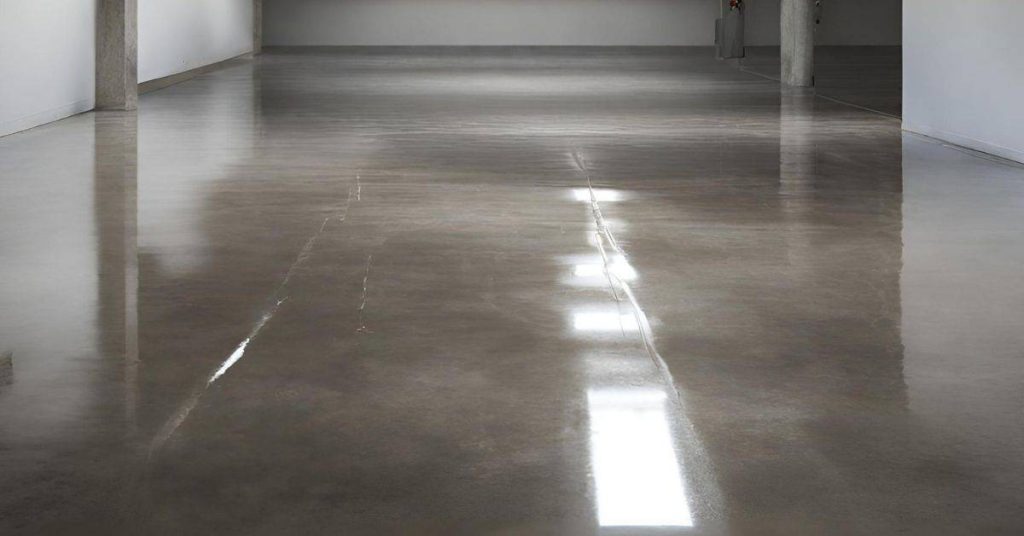
Introduction
Polished concrete stain protection is a practical plan to keep stains from soaking in and the surface looking good.
It relies on guard methods, occasional resealing, and simple maintenance you can handle in a DIY project. This approach aims to slow wear, resist color change, and extend the life of the finish.
To choose the right path, think about stain protection, resealing technique, and a workable upkeep routine. Keep an eye on how the surface handles acids and spills, and follow manufacturer instructions for any sealer you pick. Check labels and local rules for application steps, cure times, and recoat intervals to stay safe and effective.
Key takeaways
- Choose guards or sealers compatible with your polished surface and traffic conditions
- Reseal when gloss fades or when water pockets on surface persist after cleaning sessions
- Use cleaners with neutral pH and avoid harsh acidic or solvent-based products on polished
- Regular maintenance coats prevent staining and simplify future repairs over time
- Test patch any new product on a hidden area before full application; start small
- Inspect for micro-cracks and reseal before water ingress causes stains
Table of Contents
- Introduction
- Key takeaways
- Why Stain Protection Matters for Polished Concrete
- Types of Protection: Guards, Topical Sealers, and Hybrids
- Choosing the Right Product: Specs, Compatibility, and Performance
- Application and Resealing Techniques
- Maintenance That Preserves Protection and Appearance
- Repairing Acid- or Stain-Damaged Polished Concrete
- Common Mistakes, Risks, and Safety Precautions
- Cost, Lifecycle Planning, and ROI for Protection Strategies
- Conclusion
- FAQ
Why Stain Protection Matters for Polished Concrete
Polished concrete faces everyday threats that can dull color and blur shine. Acids, oils, salts, and common spills can cause staining and micro-etching on the surface. Protecting with guards and sealers helps slow or stop these changes.
A sacrificial barrier can block penetration and reduce color loss, while surface films can minimize surface damage. Protection also supports safer, more consistent slip resistance and preserves the floor’s appearance over time. Maintenance planning and cost awareness come into play as protection lowers frequent restorations and repair calls.
How stains and acids attack polished concrete
Polished concrete is a beautiful, durable finish. But it’s not immune to damage. Here’s what happens:
Acids, like those in citrus juices or cleaning products, can etch the surface. They penetrate and dissolve the calcium hydroxide in the cement, creating microscopic pits.
Oils and salts, from food spills to road de-icing agents, sit on the surface. Over time, they discolor the concrete, leaving unsightly stains. Even everyday spills can cause issues if not cleaned up promptly.
When to choose a guard vs. a topical sealer
Choosing the right protection for your polished concrete depends on its use and exposure:
A penetrating guard is like an invisible shield. It soaks into the surface, blocking penetration without forming a film. Ideal for heavy traffic areas or outdoor use where you want to maintain slip resistance.
A topical sealer forms a protective layer on top of the concrete. It’s great for high-visibility areas like showrooms or kitchens, preserving gloss and evenness. But it can make surfaces more slippery when wet.
Consider your space’s needs: indoor/outdoor, traffic type, desired aesthetics. Then choose the best protection.
Types of Protection: Guards, Topical Sealers, and Hybrids
Protection falls into three families: penetrating guards, film-forming topical sealers, and hybrids. Each type uses different chemistry and achieves protection in distinct ways. Consider how they’re typically used on polished floors and how they interact with dyes or densified surfaces.
Durability and abrasion resistance vary by type, with differences in gloss, color enhancement, and ease of reapplication. UV stability and outdoor suitability are important considerations when choosing for any exposed area. Use a practical framework to match a scenario to a protection option and budget constraints.
Penetrating guards and densifiers
Penetrating guards are liquid products that soak into the concrete’s pores, reacting chemically to form a protective barrier. They don’t leave a film on top like sealers do.
Densifiers, often used in combination with guards, interact with the concrete itself. They fill micro-cracks and increase hardness, boosting stain resistance.
These products are great for durability and abrasion resistance. They won’t peel or wear off like some sealers can. But they might not enhance color or gloss as much as topical sealers.
Maintenance is minimal – just occasional cleaning. No re-coating needed, but you’ll want to strip any old sealer first if you’re switching from a topical sealer.
Topical sealers (film-forming)
Film-forming topical sealers sit on top of the concrete, creating a sacrificial layer that protects the surface. They’re easy to clean and repair if damaged.
These sealers can add gloss or enhance color, giving you more control over appearance. But they might not last as long under heavy foot or equipment traffic.
Maintenance involves periodic re-coating every 2-5 years, depending on use. They’re easy to apply but removal for reapplication can be tricky – often requiring stripping and surface prep.
Some topical sealers aren’t UV-stable, so they might not be suitable for outdoor use without proper protection.
Hybrid systems and additives
Hybrid systems blend waterborne, acrylic, or urethane components to balance clarity, protection, and durability. They can be penetrating or film-forming, depending on the specific formula.
Additives like UV stabilizers make hybrids suitable for outdoor use. Slip modifiers improve safety in high-traffic areas.
Hybrids offer good stain resistance and abrasion protection. They’re versatile – you can find options that enhance color or maintain a natural look, with varying levels of gloss.
Maintenance is similar to other sealers – occasional cleaning and re-coating every 3-5 years. Reapplication doesn’t usually require stripping the old sealer, making it easier than topical sealers.
Choosing the Right Product: Specs, Compatibility, and Performance
Key specs to compare include coverage, VOCs, UV stability, gloss potential, and slip resistance. These metrics should translate to real-world results on densified or dyed concrete. Verify what the product promises against the project needs.
Compatibility matters: check whether the product tolerates densified concrete and existing colorants, and follow any special steps for dyed surfaces. A careful review of the manufacturer’s data is essential before committing to a coating plan.
Coverage rates and dilution guidelines
When comparing products, first look at their coverage rates. Manufacturers often claim square footage per gallon. But remember, these are ideal conditions.
Typical ranges fall between 800-1500 sq ft/gal. But always check the label and test under your specific conditions. A small on-site test area can confirm real-world coverage.
Pro tip: Dilution guidelines are crucial too. Some products may require thinning, others not. Follow these to get the most out of each gallon.
Compatibility with densifiers, dyes, and existing treatments
If your concrete’s been treated before – like with the Ashford Formula or other densifiers, or dyed – compatibility matters. Some products won’t stick or could cause color bleed.
Always test on a small area first to check adhesion and color effects. If you’re unsure, contact the manufacturer for advice. They should know their product’s limitations.
Rule of thumb: If your concrete’s been treated, play it safe with test patches before committing to a full application.
Gloss, color enhancement, and UV stability
Different products offer different gloss levels. Some enhance colors, others may dull them. Check the product’s specs to see what it can do for your concrete.
UV stability is crucial if you’re using this outdoors. Prolonged sun exposure can fade colors or alter gloss. Look for products with good UV resistance, especially for exterior use.
Remember: Even if a product claims to enhance color, always test on a small area first to see how it looks in your specific conditions.
Application and Resealing Techniques
Start with a surface health check that covers moisture, sealer condition, porosity, and any past failures. This helps determine adhesion risk and compatibility. A quick assessment sets the course for prep work.
Prep includes cleaning, degreasing, possible etching or profiling, and addressing cracks or spalls. Choose an application method that fits the area and traffic, and plan for safety and ventilation during the process.
Surface prep and inspection checklist
Before applying any protective coating or sealant to your concrete surface, it’s crucial to ensure the surface is clean, sound, and dry. This checklist will help you prepare your surface properly to avoid common pitfalls that can lead to costly rework.
- Remove all debris: Use a broom, leaf blower, or vacuum to clear away any dirt, dust, or loose material from the surface. This ensures good adhesion of your sealant.
- Check for and repair cracks: Inspect the surface for cracks. Using a concrete crack filler, repair any cracks wider than 1/8″ (3mm) to prevent moisture intrusion and sealant failure.
- Assess the surface for delamination: Tap the surface with a hammer. If it sounds hollow or pieces flake off, you have delamination. Remove these loose areas before proceeding.
- Check pH balance (optional but recommended): Concrete should have a pH between 6-8 for optimal sealant adhesion. Use a pH testing kit to ensure your surface is within this range. If not, consider using a concrete cleaner to neutralize the pH.
- Test for moisture/vapor transmission: Moisture can degrade your sealant and cause bubbling or peeling. Use a moisture meter to test the slab’s relative humidity (RH). Aim for RH below 75% before sealing.
- Inspect control joints: Ensure all control joints are clean, well-defined, and free of debris. If necessary, use a joint cleaner or wire brush to remove any buildup.
- Check for efflorescence: Efflorescence is a white, powdery deposit that can form on concrete surfaces due to moisture. Remove it using an efflorescence remover or muriatic acid (follow safety guidelines).
- Ensure the surface is dry: After any cleaning or repair work, allow the surface to dry completely before applying a sealant. This may take anywhere from 24 hours to several days depending on humidity and temperature.
Quick rule: Always remember that proper surface preparation is key to achieving a durable, long-lasting seal. Skipping these steps can lead to costly rework and reduced lifespan of your sealant.
Standard application procedure and recommended tools
The first step in applying a concrete sealer is to follow your product’s specific instructions. Always check the label or manufacturer’s guidelines before starting.
Mixing: If your sealer requires mixing, ensure you’re using the correct ratio of parts A and B. Stir gently but thoroughly to avoid introducing air bubbles.
Application tools:
–
- Microfiber mops: Ideal for small areas or touch-ups. Dip into your sealer bucket, then wring out excess liquid.
- Low-pressure sprayers (like a garden sprayer): Great for larger surfaces. Adjust the nozzle to create a fine mist.
- Rollers: Can be used for even coverage on flat surfaces. Ensure you’re using a roller with the right nap thickness for your sealer type.
Application workflow:
– Apply the first coat, ensuring full coverage but avoiding puddles.
– Allow drying time as per product instructions (usually 2-6 hours).
– Lightly sand between coats using fine-grit sandpaper to remove any dust or imperfections.
– Apply a second coat, following the same procedure. Most sealers require two coats for optimal protection.
Resealing frequency decision guide
Deciding when to reseal your concrete isn’t rocket science, but it’s not guesswork either. Here’s what you need to check:
Traffic: High traffic areas like driveways and walkways wear out faster. If you notice dull spots or scuffs, it might be time to reseal.
Soil loa