
Introduction
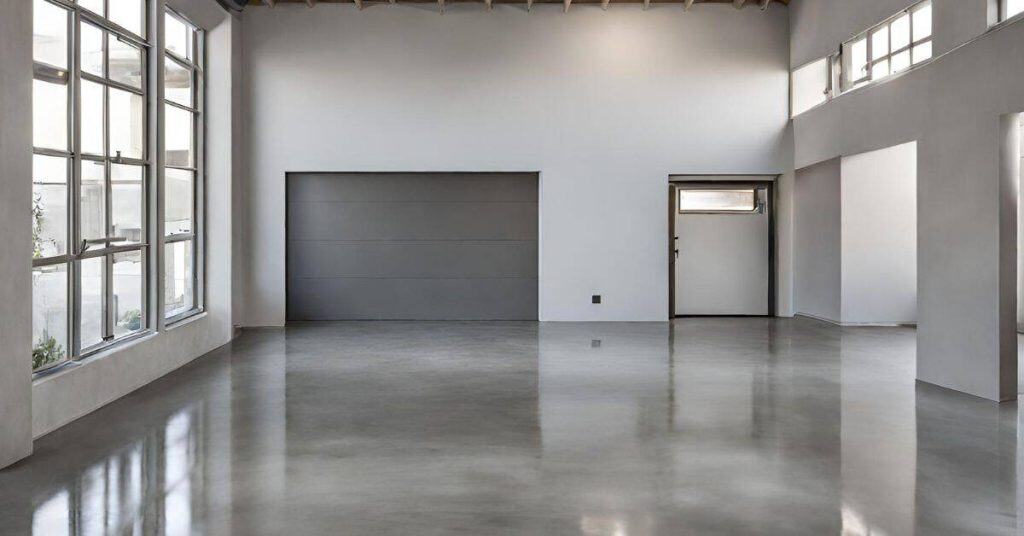
A sacrificial wax system on polished concrete is a protective layer you apply to guard the surface and keep the shine.
As you wear and spill on the floor, you refresh the wax rather than grind the surface again.
Approach this like a practical DIY job: work in small areas, follow the product instructions, and notice changes in gloss and slipperiness.
Set up a simple maintenance rhythm that fits how you use the space, focusing on light cleaning and periodic re-waxing.
Use cleaners and tools that are approved for waxed polished concrete and avoid harsh scrubs that dull the finish.
Always check the product label, manufacturer instructions, and any local rules to tailor the schedule to your floor’s needs.
Key takeaways
- Sacrificial wax extends polish depth but requires disciplined maintenance for longevity.
- Regular dusting and light cleaning prevent wax buildup dulling the shine.
- Polished concrete’s durability shines with proper maintenance instead of quick fixes.
- Choose sacrificial systems compatible with your honed/grind finishing for best results.
- Daily dusting, then scheduled inspections help detect wear before dark patches.
- Safety note: follow manufacturer instructions and ventilation when applying wax products.
Table of Contents
- Introduction
- Key takeaways
- Quick Overview and Purpose
- Benefits and Limitations of Sacrificial Wax on Polished Concrete
- How Polished Concrete Interacts with Sacrificial Wax Systems
- Types of Sacrificial Wax Systems and Product Selection
- Practical Maintenance Schedule (Daily to Annual)
- Application, Removal, and Recoat Best Practices
- Common Mistakes, Troubleshooting, and Quick Fixes
- Safety, Equipment, and Environmental Considerations
- Conclusion
- FAQ
Quick Overview and Purpose
Sacrificial wax systems create a wear layer that is intentionally sacrificial, so gloss can be replenished by reapplying a fresh film. The idea is to shield the polished surface from everyday traffic while keeping the look intact. This intro sets up a practical maintenance schedule that preserves gloss without inviting buildup or texture changes.
The article’s goal is to help you plan daily upkeep, periodic re-waxing, and quarterly checks. You’ll find signs that the system needs attention and step-by-step actions for prep, application, and safe care. It also explains what to avoid to prevent stripping or hazing that could alter color or texture over time.
Who this guide is for
This guide is tailored for facility managers, contractors, and homeowners who want to maintain the gloss of their polished concrete floors without causing buildup. If you have a polished concrete floor that sees regular foot traffic or heavy use from equipment, this guide is for you.
Before starting with a sacrificial wax system, ensure your concrete has been properly cured, sealed, and polished. This guide assumes you have a basic understanding of these processes.
Whether you’re maintaining a high-traffic commercial space or preserving the gloss in your home’s polished concrete floor, this practical maintenance schedule will help keep your floors looking their best.
When to choose a sacrificial wax system
A sacrificial wax system is beneficial when you need to protect your polished concrete floor from dulling due to high traffic or temporary gloss preservation. Here’s when to consider using one:
High-traffic areas: If your floor experiences heavy foot traffic, such as in retail stores, offices, or warehouses, a sacrificial wax system can help maintain the gloss and protect the finish from wear.
Temporary gloss preservation: In scenarios where you need to preserve the gloss for a specific period, like during events or before selling a property, a wax system can provide a quick, easy-to-apply solution that doesn’t require re-polishing.
However, other coatings or re-polishing might be better suited in certain situations. For instance, if your floor has deep scratches or significant damage, it may need to be re-polished before applying a wax system. Always assess the condition of your floor before deciding on a maintenance plan.
Benefits and Limitations of Sacrificial Wax on Polished Concrete
Core benefits include surface protection against light abrasion, easier localized repairs, and improved slip resistance when the wax is properly maintained. On polished floors, the wax acts as a controllable sacrificial layer that can be refreshed without heavy stripping. This supports a maintenance rhythm that aims to keep gloss vibrant rather than dulled.
Key trade-offs involve potential buildup with improper care, added maintenance labor for reapplication or removal, and compatibility considerations with existing sealers or densifiers. Use cases vary with traffic patterns and polish level, and testing is recommended before full rollout. A practical framework helps you inspect, reapply selectively, and avoid streaking or hazing by choosing compatible products and cleaners.
Benefits in detail
Sacrificial wax systems offer several advantages when used on polished concrete. Firstly, they provide a protective layer against abrasion and wear. This is due to the wax’s ability to absorb minor impacts and scratches, extending the time between restorative polishing.
The wax also makes localized repairs easier. If an area becomes damaged or dull, you can simply reapply wax to that spot, restoring its sheen without needing to polish the entire floor.
Moreover, sacrificial waxes can enhance slip resistance on polished floors. They add a slight texture to the surface, improving traction and reducing the risk of slips and falls.
The best part? This protection doesn’t dull the look of your polished concrete. In fact, you can tailor the surface sheen by choosing a wax with the desired level of gloss or matte finish.
Limitations and trade-offs
While sacrificial waxes offer many benefits, they also come with some risks and trade-offs. One potential issue is the formation of a wax haze or build-up over time. This can happen if the wax isn’t properly applied or if it’s exposed to excessive heat or heavy traffic.
Another consideration is the increased maintenance labor required. To maintain the protective layer, you’ll need to reapply the wax periodically and strip any old wax as needed. This can be a time-consuming process, especially on large surfaces.
Compatibility with existing sealers, densifiers, or varying polish levels is another concern. Some waxes may not play nicely with certain products or finishes, potentially altering the appearance of your floor over time or interfering with future coatings and sealing processes.
Before applying any wax, it’s crucial to test a small area first to ensure compatibility and avoid these potential issues.
How Polished Concrete Interacts with Sacrificial Wax Systems
Polished concrete often presents a dense, hardened surface with micro-roughness from grinding and repairs. This low porosity and high surface hardness influence how wax films form, adhere, and wear in service. Understanding this helps set realistic expectations for durability and appearance over time.
Adhesion depends on surface energy, slight residual etching, and any prep work done before application. The appearance can shift with how dense the matrix is, and there is always a risk of hazing if contaminants are trapped under a thick film. Maintenance products will impact re-wax intervals and gloss restoration, so plan accordingly.
Finish varieties and compatibility (matte, satin, gloss)
Different polished concrete finishes accept wax differently. Matte surfaces have a lower sheen but better hide minor defects. They take wax well due to their micro-roughness.
Satin and semi-gloss finishes are more reflective, showing off the wax’s sheen. They need regular maintenance as they show wear faster.
Glossy floors reflect light beautifully but show every imperfection. Wax application must be perfect to avoid hazing or fill-in of fine defects.
Densifiers, sealers, and wax interactions
Silicate densifiers harden the concrete surface, improving wax adhesion. But they can also make it more difficult to remove old wax during maintenance.
Penetrating treatments like sealers create a barrier that protects the floor from moisture and stains. They don’t interfere with wax application but may affect re-wax intervals.
Always check product labels for compatibility before applying any treatment or sealer on your polished concrete.
Visual checkpoints before waxing
Before you start, use this checklist to ensure your floor is ready for waxing.
- Check for contaminant residues: Wax won’t stick to dirt or grease. Clean any residue with a suitable cleaner.
- Inspect the sheen: Ensure it’s consistent across the entire surface. Re-polish any dull spots.
- Look for cracks or chips: Repair these before waxing, as they’ll show through the wax layer.
- Check for moisture: Wax won’t adhere to a damp floor. Use a moisture meter if unsure.
- Feel for rough spots: Sand down any rough areas to ensure smooth application.
- Confirm the surface is dry: After cleaning, let it dry completely before waxing.
- Check the temperature: Wax applies best in temperatures between 65-85°F (18-29°C).
- Inspect for efflorescence: This white powdery substance prevents wax adhesion. Remove it with a suitable cleaner.
Quick rule: If in doubt, test your floor’s readiness by applying a small amount of wax to an inconspicuous area and checking its appearance after drying.
Types of Sacrificial Wax Systems and Product Selection
Common system types include liquid acrylic or polymer-enhanced sealers, carnauba or paste-type waxes, and microfiber-compatible finishes. Each interacts differently with the level of polish and expected maintenance cadence. Identifying the right style helps balance gloss retention with practical upkeep.
Selection criteria should consider desired gloss, chemical exposure, traffic, slip resistance, and budget. Assess current finishes and prep needs, verify cure times, and test a small area before full use. Provide notes on labeling, warranties, and what to expect in daily cleaning and periodic stripping.
Liquid vs. paste vs. polymer-enhanced formulations
Each wax system comes in different forms – liquid, paste, or polymer-enhanced. Here’s how they stack up:
Liquids: Easy to apply with a roller or sprayer. They penetrate deep into the concrete but may require more coats for desired protection.
Pastes/Waxes: Thicker consistency, applied by hand or machine. They provide excellent surface protection and durability but can be harder to spread evenly.
Polymer-enhanced: Combines liquid and paste benefits. Offers good penetration and durability, often with easier application than pastes.
Tools and materials checklist
Before you start, make sure you’ve got the right gear:
- Microfiber mops: For applying wax evenly. Check they’re suitable for your chosen wax type.
- Low-speed burnisher or polisher: To buff and seal in the wax. Ensure it’s compatible with your polishing profile.
- pH-neutral cleaners: To prep surfaces without damaging the concrete.
- Stripper solutions: For removing old wax before reapplying. Check they’re safe for your existing sealer/finish.
Quick rule: Always check product compatibility to avoid damage or poor performance.
Material specs and standards to check
Verify these material specs for a successful application:
- VOC ratings: Lower VOCs mean less harmful emissions. Check local regulations for acceptable levels.
- Manufacturer guidance: Ensure the product is suitable for polished concrete and follow their recommended use instructions.
- Local regulations: Some areas have specific rules for maintenance products. Check to avoid violations.
Practical Maintenance Schedule (Daily to Annual)
Daily tasks focus on keeping grit off the surface: light sweeping and a quick damp mop with a pH-neutral cleaner. Visually inspect gloss and wear for early signs of dullness. If you notice spots or micro-scratches, address them promptly to prevent glaze formation.
Weekly checks look for gloss uniformity and debris in high-traffic zones. Decide if a light reapplication or spot refresh is needed based on wear patterns. Monthly or quarterly tasks include a deeper cleaning and verification of wax integrity, followed by a controlled re-wax in areas showing accelerated wear.
Daily / Weekly routine
Your daily routine should be quick and simple. Sweep the floor to remove any grit, then give it a once-over with a damp mop using a pH-neutral cleaner.
Keep an eye out for dull spots, chatter, or micro-scratches. If you spot any, clean them immediately with your pH-neutral cleaner and lightly buff the area to prevent glaze formation.
Once a week, check the gloss uniformity. Look for debris buildup in high-traffic zones and any displaced wax. If you find areas that need attention, give them a targeted clean or gentle re-buff. Based on wear patterns, decide if a light re-application or spot wax refresh is needed.
Monthly / Quarterly tasks
Every month to quarter, perform a thorough cleaning to remove embedded contaminants. Check the wax integrity and inspect for micro-etching or dull patches.
If you notice accelerated wear or uneven sheen in certain zones, schedule a controlled re-wax or topcoat refresh. Always follow the product recoat windows and consider testing patches before full application.
Remember, these tasks help maintain your floor’s longevity and prevent costly repairs down the line.
Annual and restorative actions
Once a year, conduct a comprehensive surface inspection. Test slip resistance and hardness where relevant. If you notice significant wear or uneven sheen, plan for a full wax cycle or wax-system refresh.
If your floor shows signs of micro-etching, thin spots, or haze that can’t be resolved with waxing alone, it might be time to consult a professional polisher for restoration. They can assess if re-polishing—not just waxing—is needed.
Don’t forget to recalculate your wax consumption and adjust your annual budget and schedule accordingly.
Application, Removal, and Recoat Best Practices
Start with surface prep: confirm porosity, remove contaminants, and ensure the slab is sound before applying sacrificial wax. Wear appropriate PPE and ensure ventilation during use. Follow product-label guidance for temperature and humidity ranges.
Application techniques should target even film thickness and proper curing times. Use step-by-step stripping if needed, then prepare the surface for reapplication. The process should include testing adhesion on a small area and a planned maintenance cadence to keep gloss stable.
Surface Preparation and Application Steps
Before applying sacrificial wax, ensure your polished concrete surface is ready. Wear gloves, safety glasses, and a respirator for protection.
Check surface porosity with water. If it beads up, you’re good to go. Remove contaminants like dirt, grease, or old sealers using a suitable cleaner. Ensure the slab’s mechanically sound.
Apply wax in thin, uniform coats. Avoid puddles and overlap marks. Start with test areas to ensure compatibility and evenness.
Stripping and Safe Removal
Know when to strip: if wax is dull, peeling, or causing slip hazards. Use gentle methods to protect your polished surface.
For liquid waxes, use a compatible solvent like mineral spirits. Apply, let it sit, then scrub and rinse. For paste waxes, use mechanical stripping with a floor machine and appropriate pad.
If stripping proves difficult or you’re unsure, call professionals. Dispose of solvents responsibly, following local regulations.
Recoat Timing and Verification
Before recoating, verify wax film adhesion and uniformity. Use a simple tape test: apply masking tape, let it sit, then pull off. If wax comes off, strip and reapply.
Follow manufacturer’s recoat windows. Typically, this is every 6-12 months depending on traffic and wear patterns. Check gloss retention; if it’s below 70%, consider a recoat.
Before full-area recoating, perform a spot test. Apply wax to a small, hidden area. If it looks good after drying, proceed with the full recoat.
Common Mistakes, Troubleshooting, and Quick Fixes
Begin with a diagnostic approach for dulling signals like wax buildup, hazy film, or streaks. Confirm issues with a simple test area before full remediation. Understand how to distinguish film wear from stripping residue.
Common errors include over-waxing, choosing the wrong wax for the surface, and improper stripping cycles. A troubleshooting flow helps identify whether the issue is cleaner, wax layer, or residue, guiding corrective actions like spot buffing or controlled reapplication. Keep a maintenance log to document results and adjust cadence.
Over-application and buildup
Applying too much wax can lead to haze, dulling the polished concrete’s shine. This happens when excess wax dries and forms a film on the surface.
Removing buildup: Use a stripper or solvent designed for your wax type. Apply, let it sit, then scrub and rinse. Spot buff with a polishing pad to restore gloss.
Prevention: Apply thin coats of wax evenly. Monitor the surface closely after application. If you notice any haze within 24 hours, strip and reapply.
Using incompatible cleaners or tools
Incompatible cleaners can degrade wax and dull the polish. Avoid alkaline, acidic, or hydrophobic cleaners.
- Alkaline cleaners: Can break down wax, causing it to lose its protective properties. Use pH-neutral alternatives instead.
- Acidic cleaners: Can dull the polish if not properly neutralized. Always use in conjunction with a neutralizing agent.
- Hydrophobic cleaners: Can repel water, making it difficult to rinse off residue and causing streaks.
- Optional tools: Rentable orbital floor machines can help apply wax evenly. They typically cost around $50-$100 per day.
- Price cue: High-quality pH-neutral cleaners usually range from $20 to $40 per gallon.
Addressing uneven gloss and surface defects
Streaks, scuffs, or localized damage can occur due to improper cleaning, foot traffic, or spills. Here’s how to troubleshoot:
Spot burnishing: For minor hazing or dull spots, use a polishing pad and machine to buff the area. This can restore gloss without stripping the entire surface.
Spot stripping: If an area is heavily soiled or damaged, strip just that section using a stripper or solvent. Reapply wax as needed.
Professional assessment: For extensive damage or if you’re unsure about the cause, consult with a professional concrete polishing service. They can assess and recommend appropriate repairs.
Safety, Equipment, and Environmental Considerations
PPE should include chemical splash protection, gloves, and appropriate clothing, plus respiratory protection when VOCs are a concern. Ventilation is essential during application and stripping to control fumes. Plan for local exhaust or fans and monitor air quality as needed.
Understand chemical handling by reading the SDS and labeling containers clearly. Store materials away from heat and incompatibles, and follow disposal rules for used wax and solvents. Training, checklists, and audits help keep safety in focus and align with warranties for polished concrete finishes.
PPE and safe application environment
Safety starts with the right gear. Here’s what you need:
Chemical Splash Goggles: Protect your eyes from splashes.
Face Shield: Cover your face for extra protection.
Chemical-Resistant Gloves: Keep your hands safe. Change them if they get damaged.
Disposable Coveralls or Protective Clothing: Prevent chemicals from getting on your skin.
Hearing Protection: Use earplugs or earmuffs to block noise during burnishing and stripping.
Respirator: Wear one if you’re sensitive to dust or fumes. Get fit-tested first, and maintain it properly.
Ventilation is key. Keep windows open, use fans, or set up temporary enclosures to control fumes. Post signs around the work area to keep others safe.
Disposal and environmental choices
Proper disposal keeps our planet healthy:
Used wax, solvents, and slurry should go to hazardous waste facilities. Check local regulations.
Recycle where possible. Some materials can be recycled through special programs.
Choose low-VOC products: They’re better for the environment and your indoor air quality.
Store chemicals away from heat, flames, and incompatible materials. Keep them secure to prevent leaks or spills.
Noise, dust, and indoor air quality controls
Minimize dust and noise for a safer work environment:
Wet burnishing/stripping: Use water to control dust during these processes.
Monitor indoor air quality. If you’re sensitive or have health concerns, use a respirator.
Keep the area clean. Sweep and vacuum regularly to remove any loose dust.
Control noise with proper equipment maintenance and operation. Use quieter tools where possible.
Conclusion
safety first and keeping the shine without the dulling are connected. A solid, disciplined maintenance plan protects the polish, prevents costly mistakes, and keeps the floor looking good longer.
Maintain a simple, real-world routine: start with a quick surface check, confirm the wax system in use is appropriate for your polish level, follow the daily to annual schedule, test spot on a non visible area before any full-scale work, clean with the recommended cleaners, reapply or refresh the wax as the schedule dictates, and document any changes in gloss or slip resistance. Do not skip the small tests, and always white-glove the process by wearing basic PPE, ventilating the space, and following product guidelines exactly as written.
Common mistakes to avoid are skipping the patch test, applying wax over damaged or poorly prepped concrete, and ignoring the safety or ventilation requirements. Always perform a test patch first, power down or unplug tools when not needed, and keep the work area well ventilated. Don’t overreach beyond the manufacturer’s recommendations, and never mix products without clear guidance.
If the task feels uncertain, or the floor has deep scratches, staining, or unusual wear patterns, call a qualified professional. They can confirm the right wax system, ensure proper surface prep, and help prevent expensive mistakes. With a clear plan and steady steps, you can protect your polished concrete and keep it looking right for years to come.
FAQ
What are some real benefits of polished concrete floors for a DIY home project?
Polished concrete is durable and easy to clean. It reflects light well, which can make small spaces feel bigger. A well-polished surface also resists scratches better than rough concrete, if you keep the surface properly maintained.
How does the polishing process affect maintenance with sacrificial wax systems?
Polishing creates a smooth, dense surface that holds wax better and wears more evenly. A consistent finish helps you see when wax needs maintenance and reduces the risk of dull patches from embedded grit or high traffic.
What should I check when choosing a sacrificial wax system for polished concrete?
Read the product label and manufacturer instructions for compatibility with polished floors. Look for guidance on maintenance intervals, residue buildup, and how the wax interacts with sealer or diamond-polished surfaces.
How do I balance maintenance and cost without turning the floor dull fast?
Stick to the recommended maintenance schedule and use the correct tools. Avoid aggressive cleaning or wax removal methods that strip the surface; follow safe, low-abrasion options and recoat as advised by the product maker.