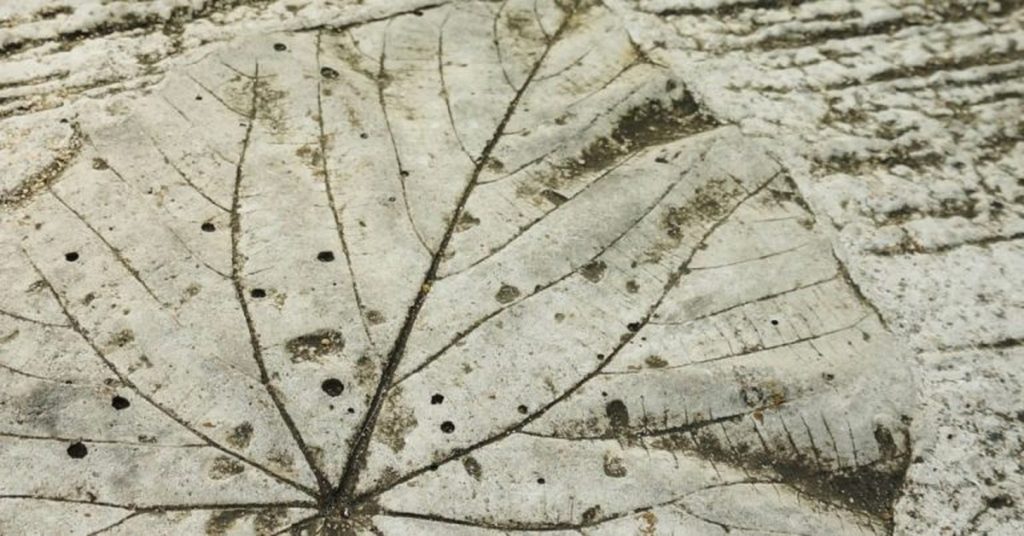
Leaf imprint and stains on a concrete surface

Leaf Stains on Concrete: Why They Happen and How to Remove Them

Introduction

Leaf stains on concrete happen when plant pigments and minerals transfer to the surface.

Over time moisture and contact from fallen leaves let tannins and pigments seep in, creating dark or discolored patches. Understanding why helps you pick a safe, effective DIY approach.

For removal, start with simple home remedies and gentle scrubbing, then consider commercial cleaners if the stain sticks. Follow product labels, test in a small area, and check local rules or manufacturer instructions for safety and compatibility. Preventing stains comes down to quick cleanup, proper sealing, and routine maintenance to minimize moisture and leaf contact.

Key takeaways

  • Leaves stain due to tannins and minerals penetrating into porous concrete surfaces.
  • Identify stains by color and residue clues before cleaning methods.
  • Start with gentle home remedies to avoid damaging the surface.
  • Commercial cleaners offer stronger options but wear gloves and read labels.
  • For stubborn stains, test cleaners on inconspicuous area first always.
  • Regular sealing and seasonal maintenance help prevent leaf staining buildup.
Table of Contents

Why Do Leaves Stain Concrete?

Leaves bring tannins and other organic compounds that migrate into the porous concrete. As these substances move, they interact with minerals in the cement and can oxidize, creating colors that range from yellow-brown to dark stains. The cement mix and presence of lime or calcium hydroxide influence how the color develops.

Stain mechanics hinge on how moisture and contact time drive pigment uptake. Capillary action and diffusion pull compounds into microcracks and pores, especially when surfaces stay damp. Older or unsealed surfaces tend to absorb stains more deeply than sealed or polished ones, and surface vs. subsurface staining can behave differently under humidity and rain.

The role of tannins and porosity

Leaves contain tannins, organic compounds that act like natural dyes. When leaves come into contact with concrete, these tannins seep into the porous surface.

Concrete is porous due to its composition – water, cement, aggregate, and air entrainment. The more porous the concrete, the easier it is for tannins to penetrate and cause staining.

The finish of your concrete also plays a role. Unsealed or unpolished surfaces absorb stains deeper than sealed or polished ones because they have more open pores.

Environmental and surface factors that worsen staining

Shade can accelerate staining. Leaves left in the shade for long periods allow tannins to seep into concrete more easily.

Frequent wetting, like from sprinklers or rain, helps tannins penetrate deeper into the pores. This is why stains often worsen after a rainstorm.

Temperature also plays a part. Warmer temperatures speed up the oxidation process that turns tannins into dark stains.

Old or damaged sealants can’t protect concrete as well, allowing more staining to occur. Organic debris buildup on the surface can trap moisture and accelerate staining too.

Back to top ↑

Types of Leaf Stains and How to Identify Them

Think in terms of freshness, depth, and color. Fresh stains tend to sit on the surface, while set or chemically altered stains show deeper penetration and show different edge characteristics. Visual checkpoints help you decide what you’re dealing with at a glance.

Color families matter: chlorophyll greens, tannin browns, and iron-tinged reds relate to porosity and whether a sealant is present. Depth assessment helps you tell surface film from embedded discoloration, using simple wipe tests or moisture transfer checks as guides. A quick reference can be painted with a few sample photos to compare fresh green, dark brown, grayish, and mineralized stains.

Fresh vs. set (old) stains

Stains on your concrete can be fresh or old, and each type needs a different approach.

Fresh stains are easy to spot – they’re bright in color, edges are sharp, and you might still see residue if you touch them. These are usually from recent leaf fall and can often be removed with simple cleaning methods.

Set (old) stains, on the other hand, have been there a while. They’re faded, edges are blurred, and they feel dry to the touch. Old stains penetrate deeper into the concrete and may require stronger cleaners or repeated treatments.

Color clues and what they indicate

The color of a leaf stain can tell you a lot about what’s causing it, helping you choose the right cleaner.

Green stains are usually from chlorophyll in fresh leaves. These are often easy to remove with mild cleaners or even just water and a brush.

Brown stains come from tannins in older leaves. Tannin stains can penetrate deep into the concrete and may require stronger cleaners or repeated treatments. If they’re dark brown, they might be set-in and harder to remove.

Black stains are often caused by mold, algae, or oxidation from soil. These usually need specialized cleaners designed for organic growth or rust removal.

Back to top ↑

Tools and Materials Checklist

Separate DIY-friendly options from professional-grade products and note which items require caution. PPE and proper ventilation affect safety and outcomes, so plan accordingly. Keep a small area test plan in mind before wide-area use.

Indispensable items include basic cleaning tools and soft brushes, while optional accessories can speed up work. Group items by household remedies vs. commercial cleaners, and keep a simple testing routine to compare effects on a discrete spot. Have a plan for rinsing and disposal, and think about whether sealing after removal is advisable for your surface.

Household supplies and multi-use tools

Before you start, gather these common items from around your home. They’ll help tackle most leaf stains safely and effectively.

  • Oxygen bleach: A gentler alternative to chlorine bleach, it’s great for set-in stains.
  • Detergent: Mild dish soap or laundry detergent works well on fresh stains. Avoid harsh chemicals like ammonia.
  • Stiff-bristled brush: For scrubbing tough spots, but be gentle to avoid damaging the concrete surface.
  • Buckets: You’ll need at least two – one for cleaning solution and another for rinsing.
  • Garden hose: With a nozzle that can adjust water pressure. Gently rinse after scrubbing.
  • Pressure washer (optional): If you have access to one, use it gently on deeply ingrained stains. Be careful not to damage the surface.
  • Non-abrasive pads: Use these for scrubbing instead of steel wool or harsh brushes.
  • Microfiber cloths: Perfect for applying cleaning solutions and wiping away residue.

Quick rule: Always test products on a small, hidden area first to ensure they don’t cause discoloration or damage.

Commercial products and specialty cleaners

When household remedies aren’t enough, consider these commercial options tailored for concrete stains.

  • Enzyme cleaners: Ideal for organic stains like leaves. Look for labels stating ‘enzymes’ or ‘proteases’.
  • Concrete-specific cleaners: These are designed to tackle various stains without damaging the surface. Check ingredients list for stain-fighting agents.
  • Acid-based products (for mold/mildew): If you’re dealing with green or black stains, consider an acid-based cleaner. Be cautious and follow safety guidelines.
  • pH-balanced degreasers: For oil-based stains, these can help break down the grease without affecting concrete’s pH balance.
  • Oxygenated whiteners: Similar to oxygen bleach, they’re gentler and effective on set-in stains. Look for ‘oxygenated’ or ‘percarbonate’ on labels.

Quick rule: Always follow manufacturer’s instructions and safety guidelines when using commercial products.

Safety gear and eco-friendly disposal

Protect yourself, your surroundings, and the environment with these safety measures and disposal tips.

  • Gloves: Protect your hands from harsh chemicals. Choose rubber or nitrile gloves depending on the product used.
  • Eye protection: Safety glasses or goggles shield your eyes from splashes and debris.
  • Respirator/mask (optional): If using strong chemicals, consider a respirator or mask to protect against fumes.
  • Masking surfaces: Protect nearby plants, grass, and other surfaces with plastic sheets or drop cloths.
  • Rinse water disposal: Rinse water can be disposed of in your lawn or garden if it’s free from harsh chemicals. Avoid drains and sewers.
  • Neutralize rinse water (optional): If you’re concerned about chemical runoff, consider neutralizing the rinse water with vinegar before disposal.

Quick rule: Always prioritize safety – for yourself, your surroundings, and the environment.

Back to top ↑

Easy Home Remedies for Leaf Stains

Leaf tannins and iron cause staining, and moisture plus sunlight can worsen the effect. Knowing whether stains are fresh or moderately set helps you choose the right approach. Start with gentler methods and progress only as needed.

Propose a tiered plan: gentle cleaners for fresh stains, mildly acidic or safe abrasive options for tougher cases, and enzymatic or peroxide-assisted methods for organic residues. Follow with patch tests, apply with the correct dwell times, and rinse thoroughly. Always check sealant compatibility before introducing new products to the concrete surface.

Oxygen bleach (Oxiclean-style) cleaning method

For fresh to moderately set leaf stains, oxygen bleach is a safer alternative to chlorine bleach. It’s less harsh on concrete and plants.

Mix 1 scoop of Oxiclean with 2 gallons of warm water. Apply the solution liberally onto the stained area using a sprayer or brush. Let it sit for 30 minutes to an hour, depending on stain severity.

Scrub gently but firmly with a stiff-bristled broom or brush. Work in small sections at a time. Rinse thoroughly with clean water after scrubbing each section.

Oxygen bleach works by releasing oxygen ions that break down and lift stains. It’s less effective on old, set stains, so test it first on inconspicuous areas to ensure it won’t damage your concrete.

Vinegar, baking soda, and detergent approaches

For fresh stains, start with mild household cleaners like vinegar or baking soda. They’re gentle on concrete but can be harsh if left too long.

Vinegar: Mix equal parts white vinegar and water in a spray bottle. Apply to the stain, let it sit for 15-30 minutes, then scrub and rinse. Vinegar is mildly acidic, helping to break down tannins.

Baking soda: Create a paste with baking soda and water. Apply to the stain, let it sit for up to an hour, then scrub and rinse. Baking soda is alkaline, which can help neutralize acidity in some stains. Avoid leaving it on too long as it can become abrasive.

For detergent, use a mild dish soap mixed with warm water. Apply, let it sit for 10-15 minutes, then scrub and rinse. Detergent is best for fresh, light stains. Always test cleaners on small areas first to ensure they won’t damage your concrete.

Mechanical aid: brushing and gentle pressure washing

For stubborn stains, use mechanical aids like brushes and pressure washers. They can help lift stains but must be used carefully to avoid damaging the concrete surface.

Brushing: Use a stiff-bristled broom or brush with firm bristles. Work in small sections, applying cleaner as you go. Scrub gently yet firmly, using circular motions to break up and lift stains.

Pressure washing: Set your pressure washer to 600-1200 PSI with a 25-degree nozzle. Start from the top of the stain and work downwards in small sections. Keep the wand moving at all times to avoid etching the concrete surface.

Always test mechanical cleaning methods on inconspicuous areas first. They can be effective but must be used carefully to prevent damage. If stains persist, consider combining methods or seeking professional help.

Back to top ↑

Pressure washing exposed aggregate concrete surface

Commercial Cleaners and Professional Treatments

Commercial cleaners work with mechanisms like oxidation, surfactants, chelating agents, and mild acids to target tannins and organic pigments. Pick cleaners that match the stain type and the concrete’s porosity. Consider how the surface has been sealed or finished when choosing a product.

Evaluate options by stain age and surface condition, comparing oxygen-based cleaners, hypochlorite-based products, acidic cleaners for mineral deposits, and specialty degreasers. Apply in a small area first, follow label directions, and rinse well; neutralize if required. When in doubt, recognize signs that professional treatment might be warranted to protect the substrate or sealants.

Enzyme-based and biodegradable cleaners

Enzyme cleaners are a natural, eco-friendly option for tackling leaf stains on concrete. They work by breaking down organic compounds like tannins found in leaves, making them effective even on older stains.

Check labels to ensure the cleaner contains enzymes specific to the stain type (proteases, lipases, amylases).

These cleaners are generally safe for sealed and unsealed concrete. However, they may not be as effective on fresh stains or iron deposits.

Stronger chemical cleaners and acid-based options

For tougher stains, consider stronger chemical cleaners like sodium hypochlorite (bleach) or acidic cleaners for mineral deposits. These can be effective but pose risks to concrete and landscaping, especially if not used correctly.

Bleach and acids can damage unsealed concrete over time. Always test in a small area first, follow label instructions, and neutralize with a solution of baking soda and water after use.

Acids can also harm nearby plants and grass. Keep pets and children away during application and rinse thoroughly.

Professional restoration and specialty services

For deep, large, or delicate stains, consider hiring a professional. They have access to specialized equipment like hot water extractors and can perform deep scrubbing.

Professionals may also use poultices to draw out tough stains, or apply surface stain penetrating systems for decorative finishes. After cleaning, they often reapply sealants to protect the concrete.

Escalate to professionals if you notice flaking, significant wear on sealants, or suspect damage to the concrete substrate. They can assess and address these issues before they worsen.

Back to top ↑

Step-by-Step Removal Guide: Fresh Vs. Stubborn Stains

Two clear workflows help you decide how to proceed: fresh stains that are more surface-level, and stubborn stains that are older or deeper. A simple decision tree based on timing, surface type, and finish guides the path you take. Keep the plan flexible but focused on safe testing.

For fresh stains, blot, rinse, and use mild detergent with gentle scrubbing, then re-evaluate after a short window. For stubborn stains, assess porosity and sealant presence, test a safe cleaner on a patch, scrub gently, and consider oxidizers or selective acids where appropriate. Know when to stop to avoid surface damage and consider bringing in a professional if stains persist or the finish looks compromised.

Step-by-Step Cleaning Process

Follow this clear sequence to effectively remove fresh and stubborn leaf stains from your concrete surfaces.

  1. Prepare safety gear, protect surrounding landscaping, and test cleaners in an inconspicuous area.
  2. For fresh stains: blot excess moisture, rinse gently, apply mild detergent or dish soap, agitate with a soft-bristle brush, then rinse. For stubborn stains: assess surface pH and sealer presence, test safe cleaners on a small patch.
  3. Let the cleaner dwell for 5-10 minutes (fresh) or up to an hour (stubborn), then re-evaluate.
  4. If stain persists, consider using oxidizing agents like sodium percarbonate or oxalic acid, but avoid on painted or sealed surfaces. If still no progress after multiple passes, consider professional help.
  5. Rinse thoroughly, inspect for any missed spots, and apply a fresh sealant to protect the surface.

Quick workflow for fresh stains

Act fast to remove fresh leaf stains before they set in. Here’s your quick action plan:

Remove debris: Gently brush off any remaining leaves or twigs.

Rinse gently: Use a hose with a gentle spray setting to rinse the area, avoiding spreading the stain.

Apply mild cleaner: Mix a few drops of dish soap in warm water, apply to the stained area using a soft-bristle brush. Avoid using harsh chemicals at this stage.

Avoid spreading: Work from the outer edges towards the center to prevent the stain from spreading further.

Deep-clean workflow for old or recurrent stains

For older, set-in stains, you’ll need a more thorough approach. Here’s your deep-clean action plan:

Repeat treatments: Apply cleaner, let it dwell longer (up to an hour), then rinse and reapply if necessary.

Consider commercial or enzyme products: If mild cleaners aren’t cutting it, consider using commercial or enzyme-based cleaners designed for tough stains. Always test in a small area first.

Poultices: For deeply ingrained stains, you might need to use poultices. Apply the paste, let it sit overnight, then scrub and rinse. Be patient; this process may take several attempts.

Know when to stop: If after multiple passes the stain persists or shows signs of potential surface damage, consider calling a professional to avoid further harm.

Post-cleaning care and surface inspection

After cleaning, follow this checklist to ensure your concrete surface is in tip-top shape:

  • Rinse thoroughly: Ensure all cleaner residue is removed to prevent discoloration or damage.
  • Neutralize residues: If using acid-based cleaners, rinse and apply a neutralizing solution to maintain surface pH.
  • Inspect visually: Check for any missed spots, discoloration, or signs of damage.
  • Repeat-testing timeline: Recheck the area after heavy rain or within 2-3 weeks to ensure stains haven’t reappeared.
  • Reapply sealant: If necessary, reapply a fresh sealant to protect your concrete from future staining.

Quick rule: Regular maintenance and prompt stain removal will help keep your concrete surfaces looking their best.

Back to top ↑

Safety Precautions and Common Mistakes to Avoid

Safety comes first: identify chemical mixing hazards and wear appropriate PPE, including gloves, goggles, and a respirator if needed. Ensure good ventilation and be prepared with basic first-aid steps. Keep a clean work area to prevent accidents.

Be mindful of pressure washing limits and proper nozzle choices to avoid damaging concrete or nearby landscaping. Manage runoff, choose biodegradable cleaners when possible, and dispose of waste responsibly. Common mistakes include mixing cleaners improperly, using bleach or acids incorrectly, and failing to rinse thoroughly.

Chemical safety and PPE best practices

When mixing cleaners, avoid combining incompatible products. Never mix bleach with ammonia or other cleaning agents containing acids. Always follow the manufacturer’s instructions.

Protect yourself: Wear gloves, goggles, and a respirator if using strong chemicals. Ensure proper ventilation in your work area.

In case of exposure, first aid is crucial. Rinse immediately with water for skin contact or seek medical attention if ingested or inhaled.

Avoiding surface damage and etching

Some cleaning methods can harm your concrete. Here are common mistakes to avoid:

  • Acidic cleaners on unsealed surfaces: These can cause etching, making the surface rough and dull.
  • High-pressure washing: Using a pressure washer with too high PSI or GPM can damage concrete.
  • Metal tools for scrubbing: They can scratch the surface.
  • Aggressive brushing: This can wear down the top layer of concrete.

Always spot-test cleaners on a small, discrete area first. If sealed or painted, check if cleaning methods could damage it.

Protecting plants, gutters, and drains

Contain runoff: Use drop cloths or barriers to prevent cleaner from reaching plants and soil.

Rinse thoroughly: Ensure all cleaner is rinsed off. Pooling can damage landscaping and concrete.

Neutralize before disposal: If using acidic cleaners, neutralize with baking soda or vinegar before disposing of rinse water. This protects plants, gutters, and municipal drains.

Back to top ↑

Preventing Future Leaf Stains and Seasonal Maintenance

Create a proactive maintenance calendar with seasonal tasks that curb leaf buildup and staining before it starts. Assign responsibilities to keep the plan practical and repeatable. A routine approach helps catch issues early.

Coordinate landscaping to reduce dense leaf fall on high-traffic concrete and consider mulch or barriers to slow pigment transfer. Pair sweeping with stain-friendly cleaners and plan sealant reapplications per manufacturer guidance. Simple preventive steps like outdoor mats and edging can make a big difference, with quick inspection cues to guide adjustments as weather changes.

Regular cleaning routines and landscaping tips

Keep your concrete surfaces clean with regular sweeping. Aim for every few days during fall to prevent leaf buildup.

Gutter maintenance: Clean gutters twice a year, before spring rains and after fall leaf drop, to ensure proper drainage and prevent water from pooling on your concrete.

Tree pruning: Prune trees annually, preferably in late winter or early spring. This helps minimize dense leaf fall on high-traffic or exposed concrete areas.

Sealers and coatings: when and why to use them

Apply sealants every few years, following manufacturer guidance. They reduce porosity, preventing liquids from penetrating the concrete.

Types of sealers: Choose between topical (film-forming) or soil-penetrating (impregnating) sealers based on your concrete’s finish and desired protection level.

Topical sealers provide a barrier but can make surfaces slippery when wet. Impregnating sealers are less visible but may require reapplication every few years.

Seasonal planning and autumn prep

Pre-fall: Rake and remove leaves from concrete surfaces before they decompose, releasing tannins that stain. Use a leaf blower or broom for quick cleanups.

Storm-season: Secure outdoor furniture and debris that could blow onto your concrete during storms. Inspect your property post-storm to clear any fallen leaves or branches promptly.

Leaf barriers: Consider using mulch or leaf barriers around the base of trees to reduce thatch and pigment transfer onto concrete surfaces.

Back to top ↑

Conclusion

Leaf stains can be stubborn, but with the right approach you protect your concrete and keep the space looking clean and durable. Prioritize safety, test materials first, and follow a steady plan to avoid costly mistakes.

Start by identifying the stain type and choosing a method in this order: test a small area with a mild removal method, assemble the needed tools and cleaners, apply the method to fresh stains first, then move to stronger cleaners only if necessary, rinse thoroughly with water and dry the area, and seal or re-evaluate if the stain returns.

Common mistakes to avoid include using metal tools or harsh scrapers that gouge the surface, mixing cleaners or acids, and letting strong solutions sit too long or rainfall wash them away before you finish. Always wear gloves and eye protection, work in a well-ventilated area, and test a small patch before committing to the full area. If the stains are large, deeply embedded, or you’re unsure about the stain type, consider calling a professional rather than forcing a DIY fix.

When in doubt, a professional can assess stain depth, recommend safe cleaners, and apply treatments that won’t damage the concrete or nearby surfaces. Stay steady, follow the steps, and you’ll restore curb appeal without guesswork.

Back to top ↑

FAQ

Why do leaves stain concrete?

Leaves release tannins and pigments that can soak into the surface. As the leaf moisture evaporates, these compounds stay behind and darken the concrete. Sticky residues from sap or decayed leaf matter also grab dirt and slow cleaning.

What home remedies can safely remove leaf stains?

Start with plain water and a stiff brush to scrub the stain area. If needed, mix a mild soap solution and scrub again, then rinse well. If the stain persists, check the product label for safe-use guidance before trying stronger cleaners.

What should I do if commercial cleaners don’t do the job?

Read the manufacturer instructions and follow their directions exactly. Test any cleaner on a small, inconspicuous area first. If you’re unsure, stop and consult the label, or consider professional guidance before proceeding.

How can I prevent future leaf stains?

Sweep or rinse off leaves regularly, especially after storms. Apply a protective cleaning routine to remove organic debris promptly and reseal or maintain the concrete as recommended by the product instructions or local guidance.

Back to top ↑

More about this topic