Introduction
Rust stains on concrete are typically treated with chemical cleaners such as oxalic acid or chelating agents. This article covers how oxalic acid works, how to apply it safely, and what safer alternatives you can use. Follow label directions and local rules, and test a small area first before tackling a large spot.
To clean with oxalic acid, follow the product label for mixing and contact time, and rinse with plenty of water. Wear protective gloves, eye protection, and work in a ventilated area, and store the product safely away from children. You can buy oxalic acid at hardware stores or paint suppliers; check that the container is labeled for concrete stains.
Key takeaways
- Apply oxalic acid to damp stain, follow label, then scrub and rinse.
- Use chelators and safer alternatives where possible; verify compatibility with concrete sealer.
- Wear safety gear: gloves, eye protection, and long sleeves; avoid skin contact with oxalic acid.
- Oxalic acid can stain clothing; prepare waste disposal and ventilation before use.
- Choose reputable suppliers and read product labels for concentration and application limits.
- For stubborn stains, repeat gently or try non-chemical methods before heavy scrubbing or sealing.
Table of Contents
- Introduction
- Key takeaways
- Why Rust Stains Form on Concrete
- How Oxalic Acid Removes Rust
- Step-by-Step: Preparing and Applying Oxalic Acid Safely
- Personal Protective Equipment and Safety Precautions
- Other Chelators and Chemical Alternatives
- Safer Non-Chemical and Low-Toxicity Methods
- Environmental Impact, Disposal, and Legal Considerations
- Cost, Common Mistakes, Troubleshooting, and Long-Term Maintenance
- Conclusion
- FAQ
Why Rust Stains Form on Concrete
Rust stains on concrete start when iron in metal fixtures, nails, or tools oxidizes in moisture and air, forming iron oxides that cling to the surface. The porous concrete traps these iron compounds, so the discoloration often sticks around and resists simple washing.
Check nearby metal items, run a magnet along suspected fixtures, and note if the stains follow runoff paths to locate the source and gauge stain age. Understanding the source helps you plan safer, targeted treatments and test a small area first; read the product label or instructions, and consider safer chelators or alternatives while watching for surface compatibility and safety.
How rust develops and bonds to concrete
The story starts with iron, present in metal fixtures or tools that come into contact with your concrete. When exposed to air and moisture, iron oxidizes – that’s science talk for ‘rusts’. This process forms iron oxides and hydroxides, which are the red, orange, or brown compounds you see staining your concrete.
Concrete is porous by nature. As these rust particles form, they get trapped in the tiny holes on your concrete surface. Once they’re in there, they don’t want to let go easily. The alkaline environment of concrete can even stabilize some iron compounds, making them harder to remove.
Key takeaway: Rust stains on concrete are a result of iron oxidation and the porous nature of concrete that traps these particles.
Types of stains and visual checkpoints
Before you start scrubbing, it’s important to understand what you’re dealing with. Use this checklist to assess your rust stains.
- Surface stains: These are easy to spot and usually respond well to cleaning. They haven’t penetrated deep into the concrete.
- Embedded stains: These have worked their way into the pores of the concrete, making them harder to remove. If you notice discoloration but can’t feel any rough spots, it’s likely embedded.
- Severity indicators: Darker colors and larger stain sizes usually mean deeper penetration and harder removal.
- Water test: Pour some water onto the stain. If it beads up, the stain is likely surface-level. If it soaks in, it’s embedded.
- Scratch test: Gently scratch at the stain with a coin or screwdriver. If it flakes off easily, it’s loose and should clean well.
- Age check: Recent stains are usually brighter in color. Older stains tend to be duller and more resistant to removal.
- Runoff paths: Check if the stain aligns with any nearby metal surfaces or runoff paths from above. This can help you identify the source of the stain.
- Magnet test: Use a magnet to check for ferrous materials near the stain. If it sticks, there’s likely iron present.
Quick rule: The deeper the stain, the harder it is to remove. Always start with the gentlest method and work your way up.
How Oxalic Acid Removes Rust
Oxalic acid works by chelating iron from rust, forming water-soluble iron oxalates that mobilize the stain so it can be rinsed away from the concrete surface. That chemical action lets the iron move rather than just sit on top, which is why it can remove rust where neutral cleaners struggle. Test a hidden low-visibility area first to confirm it won’t affect the finish, and follow the product label for safe use.
Plan to apply with a brush or sprayer, keep the solution wet for the recommended dwell time, and gently agitate to aid solubilization. Always wear the right PPE, protect adjacent surfaces, ensure good ventilation, and never mix with bleach or ammonia. Rinse thoroughly with clean water and follow the label’s neutralizer or post-treatment steps; assess the stain after drying to decide on a second pass if needed.
Strengths and limitations of oxalic acid
Oxalic acid is a powerful tool for tackling rust stains on concrete, but it’s not a silver bullet. It works best on aged, porous surfaces where the rust has had time to set in.
It shines when dealing with light to moderate staining. The acid chelates iron compounds, forming water-soluble salts that lift off easily. But deep stains or heavy rust may require multiple applications or additional treatments.
Oxalic acid struggles when rust is bound tightly to aggregate in the concrete. In these cases, it might not penetrate deeply enough to remove all the stain. Always test a hidden area first to gauge its effectiveness on your specific surface.
Performance compared with other acid cleaners
Oxalic acid isn’t the only acid cleaner out there, but it’s often the go-to for rust stains. It’s stronger than vinegar (acetic acid), which is too mild to effectively remove rust.
Stronger mineral acids, like hydrochloric or sulfuric acid, can also remove rust. But they’re more dangerous and corrosive. They can damage concrete surfaces, especially if left on too long or used at high concentrations. Plus, they require more safety precautions, like full PPE and proper ventilation.
Oxalic acid strikes a balance between effectiveness and safety. It’s strong enough to remove rust but gentle enough not to cause excessive etching or damage to most concrete surfaces. Always follow the manufacturer’s guidelines for safe use and dilution.
Step-by-Step: Preparing and Applying Oxalic Acid Safely
Start with a clear plan: pre-clean, assess stain extent, and test a small patch in a hidden area so oxalic acid contacts stone or grout evenly. Keep the application controlled with a brush or non-scratch pad and watch the dwell time in short, repeatable steps. Rinse and re-test as you go to confirm progress before moving on.
This matters because improper use can irritate skin or eyes, dull surfaces, or cause uneven staining. A calm workflow reduces oversaturation, minimizes damage to sensitive surfaces, and helps you verify stain removal without mystery repeats or guesswork. Safety gear, ventilation, and following label guidance are your best bets for a clean, safe result.
Step-by-Step Process
Follow these practical steps to safely prepare and apply oxalic acid for removing rust stains from your concrete.
- Wear appropriate PPE: gloves, goggles, and a respirator if needed. Ventilate the area.
- Pre-clean the affected area using a stiff brush or pressure washer to remove loose debris.
- Test oxalic acid on an inconspicuous spot to ensure it doesn’t damage your concrete.
- Mix oxalic acid according to manufacturer’s instructions, usually 1-5% solution. Apply with a non-scratch pad or brush.
- Monitor the stain removal every 10 minutes. Rinse thoroughly once stains are lifted.
Tools, materials, and where to buy them
Gather these tools and materials for a safe and effective job. Check product labels before purchasing.
- Oxalic Acid (e.g., Zep or Simple Green): Available at hardware stores like Home Depot or online. Use as per instructions.
- Protective Gear: Gloves, goggles, and a respirator can be found at safety supply stores or online.
- Application Tools: Non-scratch pads or brushes are available at hardware stores. Consider renting a pressure washer for pre-cleaning.
Preparing the solution and test patch
Mix oxalic acid according to manufacturer’s instructions. Typically, a 1-5% solution is recommended.
Perform a small test on an inconspicuous area of your concrete. Apply the solution, let it sit for 10 minutes, then rinse off with water.
Look for: No discoloration or damage to the concrete. If the test is successful, proceed with the rest of the surface.
Application, dwell time, and rinsing guidance
Apply oxalic acid to the stained area using a non-scratch pad or brush. Work in small sections.
Dwell Time: Monitor the stain removal every 10 minutes. Once stains are lifted (usually within 20-40 minutes), rinse thoroughly with water.
Agitate the solution gently if needed, but avoid scrubbing as it may damage the concrete. After rinsing, clean the area with a mild detergent to remove any residue and prevent re-staining.
Personal Protective Equipment and Safety Precautions
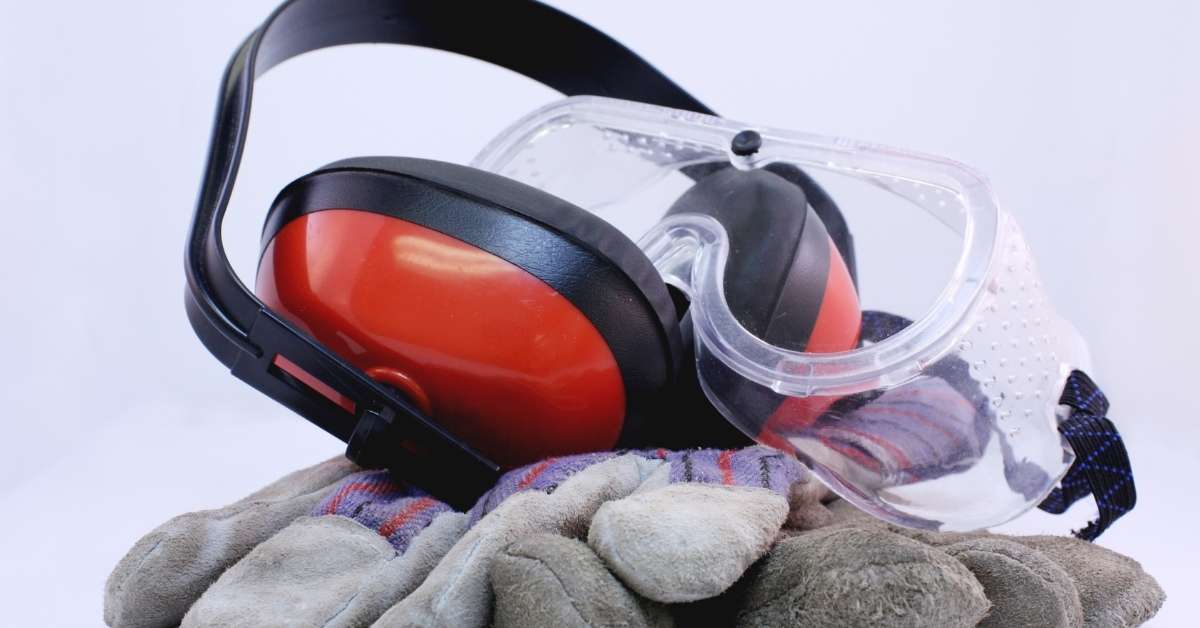
When you’re working with oxalic acid or concentrated chelators, dress for splash and fumes first. Wear nitrile or neoprene gloves, splash goggles or a face shield, long sleeves, and a chemical‑resistant apron, plus a suitable respirator if dust or fumes can reach you. Avoid cotton or leather near acids, keep a clean work surface, and set up containment trays to catch any spills. Stay mindful of proper handling and never mix with incompatible chemicals or substances that can cause a dangerous reaction. Check the product label or datasheet for specific PPE guidance and replacement indicators.
This matters because proper gear and a safe workspace prevent injuries and make cleanup easier if a splash happens. A well‑ventilated area, away from ignition sources, helps control exposure and keeps odors from building up. You’ll benefit from knowing where eyewash and a shower station, spill kit, and labeled waste containers live, and from having a quick PPE check before each use to avoid rushing and bad habits on the job. If you’re unsure about a step, read the label and manufacturer instructions or ask for local guidance to stay safe and compliant.
PPE checklist and safe work practices
Before you start, ensure you have the right gear to protect yourself from oxalic acid and chelators.
- Goggles: Protect your eyes from splashes. Safety glasses aren’t enough; use goggles with side shields or a face shield.
- Gloves: Nitrile or neoprene gloves are resistant to chemicals. Avoid cotton or leather as they can absorb acids and cause burns.
- Long sleeves: Cover your arms to prevent skin contact with chemicals.
- Chemical-resistant apron: Protect your torso from splashes.
- Respirator (if needed): Use a suitable respirator if dust or fumes are present. A simple dust mask won’t cut it with acids.
- Ventilation: Ensure adequate airflow. Work outdoors or in a well-ventilated space to avoid inhaling fumes.
- Avoid ignition sources: Keep away from open flames, sparks, and heat sources to prevent chemical reactions.
- Designated work surface: Use a cleanable, designated area with containment trays for spills. This helps keep your workspace safe and makes cleanup easier.
Quick rule: Always check your PPE before starting work to ensure you’re fully protected.
First aid, spill response, and SDS references
Accidents happen. Here’s how to respond if you come into contact with oxalic acid or chelators.
Eye exposure: Rinse immediately with plenty of water for at least 15 minutes. Seek medical attention if irritation persists.
Skin exposure: Flush the affected area with water, remove contaminated clothing, and seek medical help if you experience burns or irritation.
If there’s a spill, contain it immediately using absorbent materials like rags or spill kits. Neutralize oxalic acid with baking soda in small amounts. Collect waste in labeled containers for proper disposal according to local regulations.
Safety Data Sheet (SDS): Always have the product SDS on hand. It provides detailed information about first aid measures, handling and storage, and potential hazards. Consult it before starting work and keep it nearby during use.