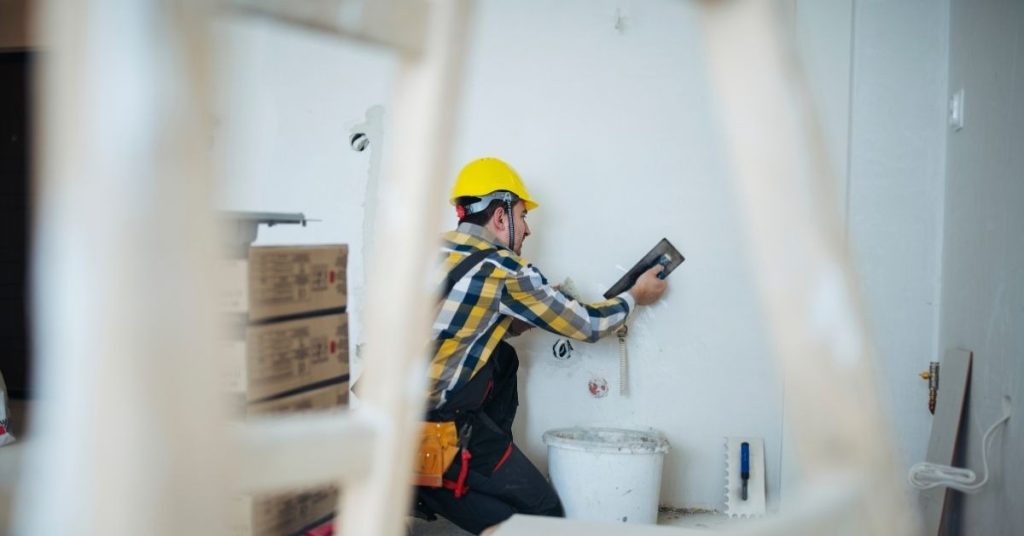
Worker applying plaster to interior wall wearing yellow safety helmet

Plaster Baseboard Dings and Gouges: Fast Patch Options That Don’t Shrink Back – Step-by-Step Timeline

Introduction

Repairing plaster baseboard dings and gouges can be a quick job if you follow the right steps in the correct order. Understanding the timeline of these repairs helps ensure you complete the project efficiently without compromising quality.

In this guide, we’ll walk you through the step-by-step process, focusing on how long each task takes, so you can plan your repair work accordingly.

For the full guide, see Plaster Baseboard Dings and Gouges: Fast Patch Options That Don’t Shrink Back.


Step-by-Step Timeline for Plaster Baseboard Repairs

The total time required to repair plaster baseboard dings and gouges depends on the extent of the damage. Here’s a breakdown of each step, including approximate time frames:

  • Assessing the Damage (10-15 minutes): Inspect the area for substrate type, moisture, or lath damage.
  • Preparation (15-30 minutes): Clean the area, remove loose material, and mask off nearby surfaces.
  • Mixing Patch Material (2-5 minutes per batch): Follow manufacturer’s instructions for mixing fast-setting, low-shrink patch compounds.
  • Applying the Patch (5-15 minutes per layer): Apply thin layers, feathering edges to avoid shrinkage. Deep gouges may require successive applications with drying intervals.
  • Drying Time (15 minutes to 24 hours): Allow each layer to dry according to the manufacturer’s recommendations before sanding or applying additional layers.
  • Sanding and Finishing (5-10 minutes): Lightly sand the repaired area, prime it, and paint to match the surrounding surface.

Key takeaways

Proper preparation is key to a successful repair and can significantly impact the overall timeline. Taking the time to assess the damage accurately and prepare the area correctly will help you avoid rework and ensure that your repairs last.

  • Assess substrate before patching; plaster, lath, or drywall surfaces require different prep.
  • Choose fast-setting, low-shrink patch materials compatible with plaster and paint.
  • Deep gouges may need backing and successive thin layers to avoid sagging.
  • Always mask and protect floors; dust control and ventilation reduces cleanup.
  • Prime patched areas after shaping and drying to improve paint adhesion.
  • Match texture and finish with minimal sanding; avoid overworking edges.
Table of Contents

Assessing the Damage: Dings, Gouges, and Substrate Type

Start by looking closely at the edge and depth of the damage to separate shallow surface dings from true gouges that penetrate the plaster or wood. Use a pointed tool or fingernail to feel for loose material and note whether the crack or void continues past the plaster face.

Check visual clues to identify the substrate: hairline cracks and powdery surface usually mean plaster facing, wider gaps with lath shadows point to plaster over lath, and exposed grain or splinters indicate the wooden baseboard. If you’re unsure about product compatibility or structural condition, inspect product labels or a manufacturer’s data sheet before choosing a repair method.

How to evaluate depth and extent

First, turn off the lights and shine a flashlight across the damaged area. This helps reveal cracks or gaps that might not be visible in normal light.

Probing: Use a flathead screwdriver or a similar tool to gently probe the damage. If it goes in easily, you’ve got a deep gouge. If it meets resistance, it’s likely just a ding on the surface.

Measuring: Use a ruler or measuring tape to determine the length and width of the damage. This will help you decide what tools and materials you’ll need for the repair.

Check for hollow spots: Gently tap around the damaged area with your knuckles. A hollow sound indicates that there’s damage behind the surface, which might require more extensive repairs.

When to repair versus replace

Repairing is usually the best option for small dings and gouges. But if the damage is extensive, it might be safer and more cost-effective to replace the baseboard.

Extent: If the damaged area is larger than a few inches in diameter or runs the length of the baseboard, replacement might be necessary.

Structural compromise: If the damage has compromised the structural integrity of the baseboard – for example, if it’s wobbly or feels loose when you press on it – replace it to prevent further damage and potential safety hazards.

Repeated failures: If you’ve patched the same area multiple times and the damage keeps recurring, it might be a sign of a bigger problem that requires replacement. For example, if there’s moisture behind the wall causing the plaster to crumble, patching won’t solve the underlying issue.

Visual checkpoints

When to use: Before you start any repair work, take a moment to document the damage. This will help you ensure that your repairs are thorough and that you’ve addressed all the issues.

  • Photograph: Take pictures of the damaged area from different angles. This can help you see patterns or additional damage that might not be immediately apparent.
  • Measure: Measure the length, width, and depth of the damage. This will help you determine what tools and materials you’ll need for the repair.
  • Check surrounding area: Inspect the baseboard on either side of the damage. If there are any cracks or other signs of weakness, note them so you can address them during your repairs.
  • Determine substrate type: Look at the edge of the baseboard to determine what material it’s made from. Is it plaster over lath? Wood? Something else?
  • Check for moisture: Look for any signs of water damage, such as discoloration or warping. If you find any, address the source of the moisture before making repairs.
  • Note any recurring issues: If this isn’t your first time repairing this baseboard, note any patterns or recurring issues. This can help you identify underlying problems that need to be addressed.
  • Check for safety hazards: Look for any sharp edges or other potential safety hazards. Make a note of these so you can address them during your repairs.
  • Document any special considerations: If there are any unique aspects of this repair – for example, if the baseboard is particularly fragile or if it’s in an area with high humidity – make a note of them.

Quick rule: Always document the damage before you start repairs. This will help you ensure that your repairs are thorough and that you’ve addressed all the issues.

Back to top ↑

Why Patches Shrink or Fail on Plaster Baseboards

Patches shrink or pop out when the repair material chemistry isn’t compatible with the existing plaster or wood, causing poor adhesion or differential movement. Incompatible fillers, like non-polymer gypsum products on moving wood, will craze, crack, or pull back as they cure or respond to humidity shifts.

Poor surface prep, lack of mechanical key, and curing in extreme temperature or humidity also cause failures because the patch can’t properly bond or cure evenly. When checking products, read the manufacturer instructions and product data sheet for adhesion, substrate limits, and recommended curing conditions.

How compound chemistry affects shrinkage

Different fillers have different shrink potentials and bonding abilities. Here’s what you need to know:

Gypsum/Spackling Compounds: These are great for small dings but can shrink up to 20%. They’re also sensitive to moisture, which can cause further shrinkage.

Acrylic Fillers: Acrylics have low shrink potential and good adhesion. However, they can still shrink around 5-10% and may not be suitable for deep gouges or high-moisture areas.

Epoxies and Polyester Resins: These are designed for heavy-duty repairs with minimal shrinkage (around 2%). They’re ideal for deep gouges but require proper ventilation and mixing.

How movement and moisture cause repeat issues

Plaster baseboards are subject to movement due to temperature changes, wood expansion, and moisture cycles. This can lead to cracks and patch pull-back:

Thermal Expansion: As temperatures rise and fall, the baseboard expands and contracts. If your patch doesn’t flex with it, it’ll crack.

Wood Movement: Baseboards are often attached to wood studs. As the wood absorbs and releases moisture, it moves, pulling on the baseboard and any patches.

Moisture Cycles: Changes in humidity can cause the plaster and your patch to expand and contract at different rates, leading to cracks and pull-back.

Back to top ↑

Fast-Setting, Low-Shrink Materials That Actually Work

Choose a material based on hole size and movement: polymer-modified patching compounds for small to medium repairs, two-part epoxy or polyester fillers for high-strength, non-shrinking needs, and reinforced patching mixes for deep sections. Each type behaves differently—epoxies provide strong, non-porous fills while polymer-modified mixes offer easier sanding and paintability.

Don’t assume speed equals compatibility; always check the manufacturer cure and working times and confirm substrate recommendations on the product label. If the product data sheet is unclear about use on plaster or wood, contact the manufacturer or pick a product that explicitly lists those substrates.

Pros and cons of common product types

When it comes to fixing dings and gouges in plaster baseboards quickly, there are several material options. Each has its own strengths and limitations.

Pros

  • Quick-setting spackles: Fast drying – ready for sanding and painting within hours; Easy to apply with a putty knife; Inexpensive.
  • Epoxies: High strength and durability; Resistant to moisture, chemicals, and heat; Ideal for heavy-duty repairs.
  • Polyester putties: Excellent bonding properties; Flexible to accommodate minor movement; Good for filling large voids.
  • Acrylic-latex fillers: Paintable without priming; Mold and mildew resistant; Versatile for small to medium repairs.

Cons

  • Quick-setting spackles: Shrinks upon drying, which can lead to cracks over time; Not suitable for heavy-duty or structural repairs; Limited flexibility.
  • Epoxies: Slow curing time compared to other options; Requires careful mixing and application; Expensive.
  • Polyester putties: Long drying time, which can slow down your project; Not paintable without a primer; Less flexible than other options.
  • Acrylic-latex fillers: Weak bond strength compared to epoxies and polyester putties; Sensitive to temperature changes during application; Not suitable for heavy-duty repairs.

The best material depends on the size, location, and severity of the damage. For small dings, quick-setting spackles might suffice. For larger gouges or heavy-duty repairs, consider epoxies or polyester putties. Acrylic-latex fillers are versatile for medium-sized repairs.

Material specs and standards explained

Understanding material specifications can help you choose the right product for your repair job. Here’s what to look for on product labels and technical data sheets.

  • Bonding: Look for materials with good bonding properties, especially for repairing plaster baseboards; Avoid materials that don’t bond well to the substrate, as they can peel or crack over time.
  • Flexibility: Consider materials with some flexibility to accommodate minor movement and expansion; Beware of brittle materials that can crack under stress.
  • Paintability: Check if the material is paintable without priming, which can save you time and effort; Avoid materials that require a primer before painting.
  • Moisture resistance: Look for materials with good moisture resistance to prevent mold and mildew growth; Beware of materials that can absorb water, which can lead to staining or warping.
  • Working time: Consider the working time of the material, especially if you’re repairing multiple areas; Avoid materials with very short working times that could cause frustration during application.
  • Shrinkage: Look for materials with low shrinkage to prevent cracking over time; Avoid materials with high shrinkage, which can lead to repeat issues.
  • Curing time: Consider the curing time of the material, especially if you’re on a tight schedule; Avoid materials with very long curing times that could delay your project.
  • Manufacturer’s instructions: Always follow the manufacturer’s instructions for mixing, application, and safety precautions; Ignoring these can lead to poor results or even injury.

Back to top ↑

Tools, Supplies, and Safety for Rapid Non-Shrinking Repairs

Lay out essentials: firm putty knives, metal scrapers, mixing buckets, a backing material (foam or removable wood shim), reinforcement mesh or tape, sanding block, and a respirator-rated mask for dust and fumes. For two-part systems you’ll also need accurate mixing tools and disposable mixing paddles or cups.

Wear gloves and eye protection and ventilate the work area per product safety data sheets; many fast-setting fillers emit strong fumes or require low-dust sanding. If a product label recommends specific PPE or ventilation rates, follow those directions rather than guessing.

Essential Tools and Mixing Tips

Having the right tools ensures a smooth, consistent repair. Here’s what you need:

  • Putty knife (6-inch): For applying compound, it’s your workhorse.
  • Scraper or chisel: To remove loose material and prep the area.
  • Sandpaper (120-grit): For smoothing and feathering edges. Use dry for best results.
  • Mixing paddle (drill attachment) and bucket: For mixing compound, it’s faster and easier than by hand.
  • Taping knife (4-inch): For applying light coats and smoothing surfaces.
  • Optional: Palm sander: Around $20-$30, it speeds up sanding but isn’t necessary.

Safety and Ventilation

Working with plaster compounds requires some safety measures:

Wear a respirator or dust mask: Plaster dust can irritate your lungs. A basic dust mask is fine for small repairs.

Ventilate the area: Open windows, use fans, or rent an oscillating fan with a filter ($20-$30 per day).

Two-part systems like epoxy can emit harmful fumes. Always follow these steps:

Work in a well-ventilated area: Open windows and doors if possible.

Wear gloves and eye protection: Follow the product’s safety guidelines on their SDS (Safety Data Sheet).

Back to top ↑

various plastering tools including putty knives brushes gloves and level

Quick Patch Workflow for Small Dings and Shallow Gouges

Clean the area, remove loose material, and roughen the surface to create a mechanical bond before applying a thin, well-worked layer of chosen filler. For shallow damage, feather the edges on the surrounding plaster so the repair blends and reduces sanding later.

Apply only to the depth recommended by the product instructions and allow the full cure time specified before sanding or painting to avoid reworking and shrinkback. If the product label lists a primer or adhesion coat, use it on the patch before finishing paint.

Surface Prep and Bonding Tricks

Start by cleaning the damaged area with a damp cloth to remove any dust or debris. Let it dry completely.

Keying the surface is crucial for better adhesion. Use 120-grit sandpaper, lightly sand the area, and wipe off any residue.

Apply an adhesion promoter or primer designed for plaster. This creates a bond that prevents the filler from peeling off later. Let it dry according to the manufacturer’s instructions.

Application and Feathered Edges Technique

Mix your fast-setting, low-shrink compound according to package instructions. Use a trowel with the right angle for best control.

Apply the compound in thin layers, allowing each layer to dry slightly before feathering the edges. This helps prevent build-up and reduces the risk of the patch pulling away.

Feather the edges by holding your trowel at a 45-degree angle and spreading the compound outwards from the damaged area. This blends the repair into the surrounding plaster, making it less noticeable.

Back to top ↑

Repair Workflow for Medium to Large Gouges and Missing Baseboard Sections

When depth exceeds the filler’s single-pass recommendation, build a backing with a temporary shim or use mesh and apply bulk-fill in layers, letting each layer cure per product guidance to prevent settling. For missing baseboard sections, spline in a replacement piece or use mechanical anchors to tie repairs into the solid substrate.

Embed reinforcement mesh across the repair face where movement is likely and use a compatible bulk filler designed for structural fills, following the manufacturer’s mixing ratios and layer thickness limits. If anchoring into studs or lath, verify fastener type and placement against local practice or manufacturer advice.

Creating a reliable backer or void fill

For deeper gouges and missing sections, you’ll need to create a stable base for your repair. This is where temporary backing, foam, or composite materials come in.

Temporary backing: Use strips of drywall or rigid foam board to build up the area. Secure them with screws or adhesive.

Foam: Expanding foam can fill voids and create a solid base. It’s great for irregular shapes, but it can be messy. Wear gloves and protect nearby surfaces.

Composite materials: Products like joint compound with fiberglass mesh or lightweight spackling compounds can also serve as backers. They’re easier to work with than foam but may not fill deep voids on their own.

Reinforcement and anchoring methods

To prevent your repair from cracking or pulling away, you’ll need to reinforce it and anchor it to the substrate. Here’s how:

Mesh tape: For medium gouges, use mesh tape to reinforce the area. Apply joint compound over the tape to embed it.

Screws with washers: For larger repairs or missing sections, you might need to screw through your backer into the substrate. Use screws with large washers to distribute pressure and prevent pulling away.

Adhesive anchors: If screwing isn’t an option, use construction adhesive and anchor screws or bolts. These create a strong bond but require time to cure.

Back to top ↑

Finishing, Texture Matching, Priming, and Painting

Sand progressively from medium to fine grit and use light feathering strokes to blend the patched area into surrounding plaster without over-sanding the edges. For textured matches, build up thin layers and recreate the pattern with a small tool or stipple technique, testing on a scrap before working on the repair.

Select a primer recommended for the patch material to ensure paint adhesion and uniform sheen, and test a small area with your chosen topcoat before painting the whole section. If the primer or paint technical data sheet lists special prep or adhesion steps, follow those directions for best long-term results.

Sanding and surface refinement

Start with a medium grit sandpaper (around 120) to shape your patch. Work in long, smooth strokes following the direction of the plaster lines.

Be gentle around thin edges. You don’t want to sand through your patch or create divots.

Once shaped, switch to a fine grit (around 220) for final smoothing. Use light pressure and short strokes to avoid over-sanding.

Wipe off dust with a damp cloth after each step. Let it dry before moving on to the next grit.

Matching plaster texture and final coatings

For smooth textures, use a fine-grit sandpaper (220+) after patching. For textured plasters, use a flexible putty knife to mimic the original texture.

Test your texture match on a small area first. Let it dry and compare under different lighting conditions.

Choose a primer that promotes adhesion and minimizes tannins bleeding through. Oil-based primers work well for most plasters.

For topcoats, use the same paint type (oil or latex) as your existing plaster. Apply thin coats, allowing proper drying time between each to avoid visible seams.

Back to top ↑

Troubleshooting, Maintenance, and When to Call a Pro

If you see late shrinkage, cracking, or delamination, mark the affected area and identify whether the issue is material-related, substrate movement, or insufficient prep before reworking the repair. Small failures can often be fixed with a re-clean, mechanical keying, and a compatible re-fill; repeat failures suggest underlying movement or moisture problems.

Inspect repaired baseboards periodically for new movement, moisture stains, or loose edges and touch up as needed to prevent larger repairs later. If damage is recurring, structural, or involves hidden rot or wiring, consult a professional to evaluate and recommend a permanent fix.

Fixes for shrinkage or reappearance of gaps

The first line of defense against shrinkage and gaps is proper initial application. But if you’re here, that’s not the case. Here’s how to fix it.

Step 1: Inspect the area. If the gap or shrinkage is due to movement, you might need to address that first – like fixing a loose wall stud or addressing foundation issues.

Step 2: If the issue is with your initial mix or application, it’s time for a re-do. Use a different plaster mix designed for better adhesion and flexibility. Reinforce the area if necessary.

Step 3: If gaps persist, consider using a flexible caulk specifically designed for plaster before repainting. This can help prevent future issues.

Long-term prevention and inspection checklist

Preventing damage is always easier than fixing it. Use this checklist to keep your baseboards in tip-top shape.

  • Check for moisture: Plaster doesn’t like water. Regularly inspect for leaks, condensation, or high humidity.
  • Monitor movement: Check for cracks or gaps that might indicate wall or foundation movement.
  • Inspect paint: Peeling or cracking paint can lead to plaster damage. Touch up as needed.
  • Check baseboard-to-wall contact: Ensure your baseboards are still snug against the walls. Any gaps here can let in moisture and pests.
  • Examine corners: Corners take a beating. Check for cracks or damage that could spread.
  • Feel for warmth: Warm spots could indicate hidden water leaks or mold growth behind your baseboards.
  • Check for pests: Insects and rodents can cause damage from within. Look for signs of infestation.
  • Regularly clean: Dust, dirt, and grime can build up and cause issues over time. A regular wipe-down goes a long way.

Quick rule: Inspect your baseboards at least once a year – more often in humid or high-traffic areas.

Back to top ↑

Conclusion

Fast, durable fixes on plaster baseboards come down to testing first, using the right patch material, and following a simple, repeatable workflow. Safety and a careful approach protect the substrate and keep the finish looking sharp long after the job is done.

Start by inspecting the damage and confirming substrate type, then choose a fast-setting, low-shrink patch, mix and apply in thin layers, and let each layer set before adding the next. Check fit and alignment with the wall line, clean edges, protect surrounding surfaces, and finish with texture, primer, and paint in that order. Always test a small area before you commit to the whole section, and work from the easiest, shallow repairs to the larger missing pieces so you don’t trap problems later.

Common mistakes to avoid include using a slow-drying patch that shrinks, skimping on surface prep, and rushing the cure times without proper sanding or priming. Don’t skip safety steps like wearing eye protection when cutting or scraping, and keep dust and debris off the living area. If the patching needs exceed a medium gouge, or a full missing baseboard section, or if moisture or structure behind the trim is in doubt, call a pro rather than forcing a DIY fix.

If you push on, you can get fast results with less risk by sticking to the tested sequence, choosing proven materials, and knowing when to stop. With care, your baseboards will look solid, clean, and aligned—and you’ll have the momentum to tackle the next project with confidence.

Back to top ↑

FAQ

What patch material gives the least shrinkage on plaster baseboards?

Look for fast-setting patch compounds that are labeled for plaster and baseboards. Check the product label or datasheet for shrinkage notes and follow the manufacturer instructions. If in doubt, install a small test patch first and compare against the surrounding surface.

How should I prep the ding or gouge for a quick patch?

Clean out loose material and dust with a stiff brush. Dampen the patch area slightly so the compound sticks and doesn’t dry too fast. Prime with a compatible bonding agent if the manufacturer recommends it.

Can I patch small dings without removing any baseboard or trim?

Yes. You can fill shallow dings flush with the surface using a quick-setting patch compound. Build in thin layers, letting each layer set as directed, until the surface is even with the board edge.

How do I finish so the patch doesn’t stand out once painted?

Lightly sand the patch smooth with fine grit, then wipe away dust. Prime the patched area with a primer compatible with plaster and the patch material, then apply matching paint in thin, even coats.

Back to top ↑