
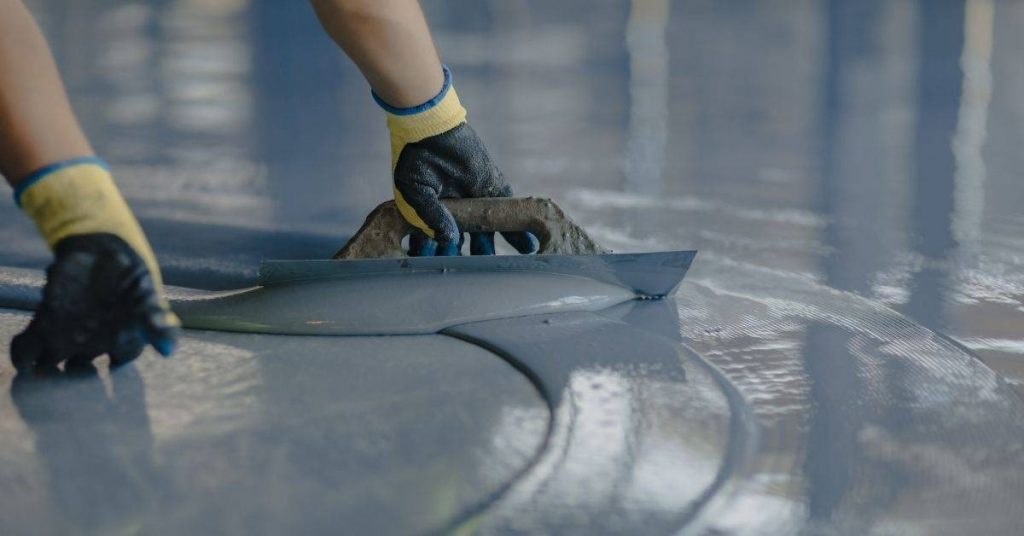
Introduction
Painted floor ideas are patterns and coatings applied to a floor to add color, pattern, and durability. Before you paint, prep the floor by cleaning, sanding any high spots, and fixing loose patches so the paint can grip. Check for dust and remove it to avoid bubbles.
Choosing paint suitable for floors matters, so look for floor-grade enamel or latex options and follow the label for prep and top coats. Techniques for hiding plywood seams and imperfections include applying thin coats, caulking seams, and using color-blocking patterns to blur flaws. After you finish, clean the surface and plan for wear by selecting a finish that resists scuffs and last-minute touch-ups as needed.
Key takeaways
- Align plywood seams with masking tape and thin filler before paint.
- Prep surface: clean, dry, sand dull high spots, and remove old coatings first.
- Choose floor-grade epoxy or polyurethane paints rated for concrete or plywood.
- Hide seams and imperfections with skim coat or patching compound before painting.
- Seal with compatible topcoat and cure fully; wear PPE during application.
- Test wear resistance on a small area and avoid solvent-based cleanup on wood.
Table of Contents
- Introduction
- Key takeaways
- Can You Paint Plywood and Other Subfloors?
- Planning Your Painted Floor Project
- Tools and Materials Checklist
- Prep: Removing Coverings, Repairing, Sanding, and Handling Seams
- Paint Selection for Wear Resistance and Safety
- Painting Techniques and Pattern Ideas
- Sealing, Curing, and Testing Wear Resistance
- Conclusion
- FAQ
Can You Paint Plywood and Other Subfloors?
Painting plywood or other subfloors is appropriate for budget renovations, utility spaces, or areas where a durable underlayment finish isn’t required. Use it to refresh a tired surface or to create a defined look in basements, garages, or workshops. Consider wear, moisture risk, and future plans when deciding if this approach fits your project.
Remember it’s cosmetic, not a substitute for finished hardwood or concrete, and it may not hold up in high-traffic or moisture-prone areas. Check moisture readings, local building rules, and the product label for limits. Prep thoroughly with cleaning, sanding or abrading, filling seams, vacuuming, and removing protrusions before applying primers and paints designed for floors.
When painting is a good option
Painting plywood or other subfloors can be an affordable and quick solution, but it’s not always the best choice. It works well when you’re looking for a temporary fix, or if you want to add color and pattern to a space that won’t see heavy foot traffic.
Start by checking your subfloor’s condition. If it’s in good shape, with no major cracks or damage, painting can give it new life. Also consider the room’s intended use. Painting is great for basements, garages, or utility spaces where durability isn’t a top priority.
Remember: This is a cosmetic fix. It won’t replace the feel and durability of finished hardwood or concrete floors.
Limitations and when to replace the floor instead
Painting subfloors isn’t a long-term solution. Moisture, heavy traffic, and time can all take their toll on painted surfaces.
Before you start, test for moisture. If your subfloor is damp, painting won’t help – it might even trap moisture, leading to rot or mold. Also, check the floor’s structure. If there are major cracks, gaps, or soft spots, replacement might be the only option.
Consider: Painting can hide damage, but it won’t fix it. If you’re unsure about your subfloor’s condition, consult a professional before proceeding.
Special cases (garages, basements, exterior)
Garages and basements present unique challenges. Moisture is a big concern in both spaces. In garages, you also have to deal with vehicle fluids that can damage paint.
For these areas, consider alternative approaches. Epoxy coatings are durable and resistant to moisture and chemicals. They’re great for garage floors. In basements, you might want to consider waterproofing before painting.
Outdoor spaces: Painting exterior subfloors is generally not recommended due to weathering and wear. Opt for durable materials designed for outdoor use instead.
Planning Your Painted Floor Project
Define the scope clearly by identifying which rooms or areas will be painted and the current floor material involved. Decide if this will be a full refinishing or a maintenance touch-up. Set goals for durability, color, and timeline from prep to cure.
Weigh the DIY versus pro option by considering your skill, tools, time, and any warranty needs. Note how temperature, humidity, and ventilation affect work and curing. Plan the sequence from moisture checks to priming, painting, and any decorative steps.
Assessing scope and room-by-room priorities
Start by evaluating each room for your painted floor project. Not all rooms are created equal, so prioritize based on traffic level, existing floor material, and pattern complexity.
Traffic Level: High-traffic areas like kitchens, hallways, or entryways need more durable paint and sealer. Low-traffic rooms can get away with less robust options.
Existing Floor Material: Some materials are easier to paint than others. Plywood and concrete are typically straightforward, while existing coatings may require extra prep work.
Pattern Complexity: Simple solid colors or stripes are quicker and easier than intricate patterns. Plan your most complex designs for rooms with lower traffic.
Budgeting and sourcing materials
Material choices directly impact your project’s outcome and cost. Here’s what to include in your budget:
- Paint: Quality paint with good coverage and wear resistance is key. Look for 100% acrylic latex paints rated for floors.
- Primer: A good primer promotes better adhesion and helps seal the surface. Choose one that’s compatible with your paint and floor material.
- Sealer: A durable sealer protects your painted floor from moisture, stains, and scratches. Polyurethane or varnish are popular choices.
- Tools: You’ll need paintbrushes, rollers, painter’s tape, sandpaper, and possibly a paint sprayer for larger areas.
- Patch Materials: Depending on your floor’s condition, you might need joint compound, wood filler, or concrete repair mix to fix holes or cracks before painting.
Check local prices and coverage specs to estimate costs accurately. Using the wrong materials can lead to cracking, staining, or weak bonds that won’t last.
Timeline and scheduling considerations
Scheduling your painted floor project requires understanding key constraints like drying/curing windows and adverse weather conditions.
Drying/Curing Windows: Paint and sealers need time to dry and cure between coats. Plan for these intervals in your schedule, typically 24-48 hours for drying and 30 days for full curing.
Adverse Weather: Avoid painting or sealing in extreme temperatures (below freezing or above 90°F) or high humidity. These conditions can affect paint adhesion and cure times.
Time Between Coats: Most paints and sealers require at least two coats for optimal coverage and protection. Plan your schedule accordingly, allowing time for each coat to dry and cure before applying the next one.
Tools and Materials Checklist
List essential prep tools and safety gear first: respirator, gloves, knee pads, drop cloths, scrapers, putty knife, sanding blocks or an orbital sander, vacuum, and microfiber cloths. Include a reliable moisture meter and masking supplies.
Choose floor-appropriate paints, primers, and sealers, including urethane or epoxy primers, top coats, and stain blockers. Consider options for durability and wear resistance, plus optional patterning aids like stencils and tape for clean lines.
Paints, primers, and sealers to consider
Before you start painting your concrete floor, make sure you have the right products. This checklist helps you choose the best paints, primers, and sealers for your project.
- Floor-specific paint: Look for ‘floor paint’ or ‘concrete paint’ on labels. These are designed to adhere better and withstand foot traffic.
- Abrasion resistance: Check the label for abrasion resistance ratings. Higher numbers mean better durability.
- Recommended topcoat: Ensure the paint suggests a compatible topcoat (like polyurethane or epoxy) to enhance protection and longevity.
- VOC level: Opt for low or zero VOC paints to minimize environmental impact and reduce strong odors.
- Stain blocker primer: If your concrete floor has stains, use a stain-blocking primer before painting to prevent bleed-through.
- Epoxy or urethane primer: For better adhesion and durability, consider using an epoxy or urethane primer designed for concrete floors.
- Top coat compatibility: Ensure the top coat is compatible with your chosen paint. Check manufacturer guidelines to avoid incompatibility issues.
- Moisture resistance: If your floor is prone to moisture, choose a paint and sealer that offer good moisture resistance.
Quick rule: Always follow the manufacturer’s recommendations for best results.
Tools and safety equipment
Safety first! Use this checklist to gather essential tools and personal protective equipment (PPE) before starting your concrete floor painting project.
- Respirator: Wear a respirator with a particulate filter to protect against paint fumes and dust.
- Gloves: Use gloves to protect your hands from chemicals and debris. Choose ones that allow for good grip.
- Knee pads: Knee pads will make the job more comfortable, especially when sanding or applying paint near the floor.
- Drop cloths: Protect your floor and keep your workspace clean with drop cloths.
- Scrapers: Use 5-in-1 scrapers to remove loose concrete, paint, or other debris from the surface.
- Putty knife: A putty knife is useful for applying filler and smoothing out surfaces.
- Sanding blocks/orbital sander: Sanding helps improve paint adhesion. Choose a sander that’s comfortable to use and suitable for your floor size.
- Vacuum: Use a vacuum to clean up dust before painting to ensure good adhesion.
- Microfiber cloths: Microfiber cloths are great for wiping down surfaces and applying paint or sealers.
Quick rule: Always prioritize safety. Ensure proper ventilation, use PPE, and follow manufacturer guidelines for tool usage.
Material specs and standards explained
Understanding material specifications helps you choose the right products for your concrete floor painting project. Here’s what to look for:
- VOC level: Volatile Organic Compounds (VOCs) contribute to air pollution. Opt for low or zero VOC paints and sealers.
- Recommended substrate: Check if the product is suitable for concrete substrates. Some products may require a primer before application.
- Recommended topcoat compatibility: Ensure the paint and sealer are compatible to avoid peeling, cracking, or other issues.
- Cure time: Consider the cure time for both paint and sealer. This affects when you can walk on or cover the floor.
- Moisture resistance: If your concrete floor is prone to moisture, choose products with good moisture resistance ratings.
- Abrasion resistance: Check the abrasion resistance rating (usually measured in cycles) to ensure durability under foot traffic.
- Adhesion promoter: Some products may require an adhesion promoter for better bonding to concrete surfaces.
- Manufacturer technical data sheets: Always consult manufacturer guidelines for specific product usage, safety precautions, and expected results.
Quick rule: Never assume. Always check product labels and manufacturer guidelines to ensure the best results.
Prep: Removing Coverings, Repairing, Sanding, and Handling Seams
Define the prep scope by noting the substrate, removing coverings, and flagging moisture or structural concerns that affect adhesion. Plan the sequence to ensure a solid, dust-free surface before coating begins.
Emphasize safety and cleanliness with a dust-control plan, PPE, and sanitation. Address repairs for cracks and seams with appropriate fillers and plan for cure times before sanding and priming. Seal seams and gaps as needed to prevent telegraphed edges after paint.
Removing Carpet, Tack Strips, and Old Finishes
Start by wearing gloves to protect your hands. Use a utility knife to cut the carpet into manageable sections. Then, use a pry bar to lift up one corner of the carpet and pull it back.
Be careful not to damage the underlying plywood. Once you’ve removed the carpet, scrape off any remaining adhesive with a putty knife. Remove tack strips using a pry bar or claw hammer. If there’s an old finish like wax or varnish, strip it using a chemical stripper and follow saf