
Introduction
Lime plaster compatibility means using a mix that can bond to existing walls without trapping moisture.
It requires considering the old wall material and ensuring the new plaster can move with it. Always check the wall for moisture or stability before patching.
To patch, clean and roughen the surface, then apply a lime-based plaster that matches the old wall. Keep an eye on breathability and seek guidance from labels or local rules if unsure about compatibility. Work in thin coats and monitor for cracks to catch future failures early.
Key takeaways
- Assess substrate compatibility with lime repairs before patching old walls
- Identify moisture sources and porosity to avoid trapped moisture issues
- Match lime type and hardness to existing materials for durable patches
- Use breathable finishes and avoid cementitious paints that block lime
- Prime substrate lightly and test adhesion on inconspicuous area first
- Wear PPE and follow local safety guidelines when mixing lime
Table of Contents
- Introduction
- Key takeaways
- Why Compatibility Matters for Lime Repairs
- Diagnosing the Existing Wall Before Patching
- Principles of Material Compatibility
- Choosing the Right Lime and Additives
- Surface Preparation and Keysite Priming
- Mix Design, Layering and Application Technique
- Curing, Drying, and Environmental Controls
- Finishes, Paints and Coatings That Maintain Compatibility
- Conclusion
- FAQ
Why Compatibility Matters for Lime Repairs
Incompatibility can leave you with debonding, visible cracks, and moisture getting trapped behind the patch. Salt migration and efflorescence are common signs that the repair isn’t moving with the wall. Over time, historic and modern walls suffer as the repair becomes a separate, failing layer.
Choose materials that move and breathe with the wall to avoid future failures. If you’re unsure, check the product label, manufacturer instructions, or local guidance before proceeding, and consider a small test area to confirm behavior with your wall.
Objectives of a compatible patch
When you’re repairing old lime plaster walls, ‘compatible’ means the new patch should behave like the existing substrate. This means it should have similar physical properties, chemical makeup, and moisture behavior.
Here’s what you’re aiming for:
- Similar expansion and contraction: Both old and new should expand and contract at the same rate with temperature changes.
- Matching permeability: They should let in and out the same amount of moisture to prevent stress from buildup.
- Same chemical makeup: This helps avoid reactions that could cause damage over time.
How incompatibility shows up over time
Incompatible repairs don’t show their true colors right away. It’s only after months or years that the problems start to appear.
Here are some signs to watch out for:
- Efflorescence: This is when white, powdery salt deposits appear on the surface. It’s a sign of moisture trapping and salt migration.
- Flaking or delamination: If pieces start falling off or peeling away, it could be due to debonding – where the new patch isn’t sticking properly to the old wall.
- Cracking or differential movement: Cracks appearing at the repair site, or the patch moving differently from the rest of the wall, indicate incompatibility and stress concentrations.
Diagnosing the Existing Wall Before Patching
Start by identifying the substrate type and the layer sequence you’re patching. Assess hardness, porosity, and whether moisture is present. Look for signs of salt contamination and previous repair materials that may not be compatible.
Document what you find and verify expectations with product data sheets, labels, or instructions from the manufacturer. When in doubt, consult a local professional or follow your governing code or guidelines for historic walls.
Identifying substrate materials and layers
The type of material used in your walls significantly impacts how well a patch will hold. Here’s how to identify common substrates:
- Lime Plaster: Looks crumbly, often has a slightly greenish tint; use acid test – vinegar reacts with lime.
- Gypsum (Drywall): Smooth, flat surface; tap to hear hollow sound; use moisture meter to differentiate from cement.
- Cement Plaster: Hard, dense feel; doesn’t crumble easily; use acid test – no reaction.
- Limewash: Thin, often patchy layer; feels slightly powdery; use water test – it may dissolve or darken.
- Painted Layers: Visible color and texture changes; scrape gently to reveal underlying layers.
Moisture and hygroscopic salt checks
Excess moisture and salts can ruin your patch job. Here’s how to check for them:
Moisture: Use a non-invasive moisture meter. Green indicates dampness; red, severe.
For hidden issues, consider specialist thermal imaging or lab analysis of drilled samples.
Salts: Look for efflorescence – white deposits on walls. Scrape gently to check if it’s salt (powdery).
If extensive, call a specialist for testing and advice.
Recording and mapping defects
Systematically documenting defects helps plan your patching job. Here’s how:
Take photographs of affected areas, noting wall orientation.
Draw sketches, marking defect locations and types (cracks, holes, etc.).
Keep written notes detailing observations. This helps identify patterns and prioritize repairs.
Principles of Material Compatibility
Mechanical compatibility means balancing softness and strength so layers don’t crack or debond. Hygric compatibility focuses on vapor permeability and how moisture moves through the wall. Chemical compatibility centers on pH and salts that can drive deterioration.
Explain to yourself why each axis matters for your wall type and patching plan. Always verify with the manufacturer data sheet or instructions to ensure the products you mix align with your substrate.
Mechanical compatibility: stiffness and adhesion
The old plaster wall has been there for years. It’s got its own way of handling stress. When you patch it, the new stuff needs to play nice with the old.
Here’s what matters:
Softness: The patch should be as flexible or slightly softer than the old plaster. This helps reduce stress concentrations where they meet. Too hard and it’ll crack under pressure.
Adhesion: It needs to stick well to the old wall. Poor adhesion means peeling, flaking, and eventually failure.
Hygric compatibility: breathability and moisture transport
Lime plaster loves to breathe. It’s how it stays healthy. When you patch, you need to keep that breathability going.
Here’s why:
Moisture cycling: Lime plaster absorbs and releases moisture as humidity changes. A non-breathable patch traps dampness, leading to mold and damage.
So, use a permeable material for your patch. Let the wall breathe easy.
Chemical compatibility: salts and pH interactions
Lime plaster loves its alkaline environment. But some things can mess with that, causing problems over time.
Here’s what to check:
Soluble salts: These can crystallize when the wall dries, pushing out and damaging the plaster. Before you patch, test for salt deposits.
Reactive cements: Some modern cements are too acidic or reactive for lime plaster. They can mess with its pH balance, causing damage. Avoid these in your patch.
Choosing the Right Lime and Additives
Non-hydraulic lime putty, hydraulic limes, and lime-cement mixes each set differently and offer various strengths. Think about what the patch will endure and how the surrounding material behaves. The goal is a patch that behaves like the wall, not a rigid island.
Compare options using the product label and installation instructions, then verify suitability for historic repairs with the manufacturer or local guidelines. If uncertain, select a lime-based option and avoid untested mixes without guidance.
When to use lime putty vs hydraulic lime
Choosing between lime putty and hydraulic lime depends on your wall’s needs. Lime putty, being non-hydraulic, sets by carbonation – it’s great for internal repairs where walls can dry out slowly. It’s flexible, breathable, and ideal for matching historic finishes.
Hydraulic limes set through hydration, making them faster-setting and stronger. They’re perfect for external repairs or areas exposed to moisture. However, they’re less breathable than lime putty. Use NHL 3.5 (air-lime) for most repairs; it’s a good balance between strength and breathability.
For critical repairs needing high strength, consider lime-cement mixes. But remember, cement reduces breathability – use sparingly and only where necessary.
Acceptable additives and aggregates
Use compatible aggregates for your mix. Sharp sand is usually best, but consider using a fine aggregate like ‘dust’ or ‘all-in ballast’ for better workability in thin coats.
Particle grading matters. A well-graded aggregate ensures good compaction and strength. Check your aggregates’ particle size distribution to ensure they’re suitable.
Safe admixtures include natural fibers (like horsehair) for added flexibility, or pozzolans (like silica fume) for increased strength. Always verify with product data and conservation guidance before using.
Avoiding incompatible materials (cement, modern gypsum)
Using the wrong materials can lead to failure. Historic lime substrates need compatible repairs.
- Cement-rich mortars: They’re strong but don’t breathe. This causes moisture buildup, leading to cracking and weak bonds. Look for low-cement or no-cement mixes; avoid high cement content.
- Modern gypsum products: Gypsum plasters are incompatible with lime. They set too fast, causing stress on the wall. Use only where absolutely necessary and ensure proper priming first.
- Concrete: Too strong for most repairs. It causes stress on historic walls, leading to cracking. Stick to lime-based mixes.
- PVA: While it improves bond strength, excessive use can cause long-term issues. Use sparingly and only where needed.
- Plasticizers: These improve workability but reduce breathability. Use only when necessary; consider alternatives like natural pozzolans.
Surface Preparation and Keysite Priming
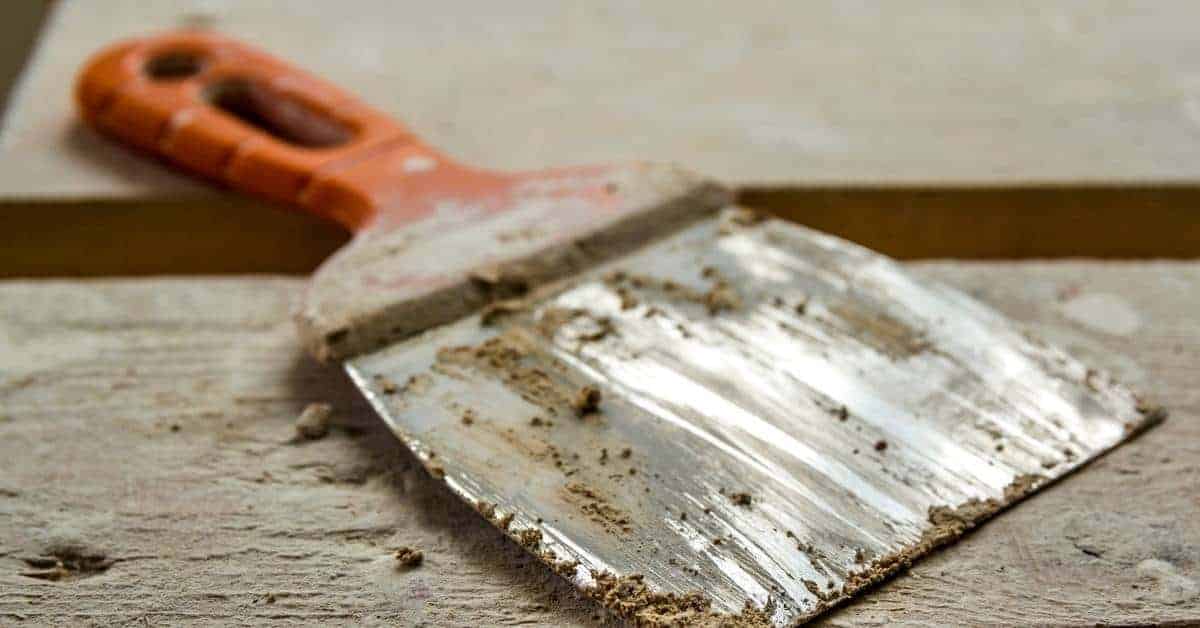
Clean the surface to remove loose material without digging into sound fabric. Consolidate fragile edges and trim back protrusions to create a clean, stable edge. Establish a mechanical key that won’t harm the historic material.
Follow edge preparation and priming methods per product instructions and your own judgment on substrate condition. If you’re unsure, check the label, manufacturer guidance, or a qualified craftsman for recommended primers and conditions.
Removal of unstable material and feathering
The choice of removal method impacts the final result. Removing unstable material ensures a solid base for your new lime plaster.
- Loose Plaster: Use a sharp, flat tool to carefully scrape off loose material. Be patient; rushing can damage the substrate.
- Feathering: Acceptable when the existing surface is stable and sound. Use a damp sponge to soften edges for blending with new plaster.
- Defined Repair Edge: For large repairs, create a defined edge using a sharp tool to prevent new plaster from crumbling into the old.
- Avoid: Using power tools like angle grinders. They can damage historic material and cause dust-related health issues.
- Wrong Material: Removing too much stabl