

Introduction
Repairing a damaged drywall vapor barrier behind the wall means fixing the moisture barrier layer in the wall cavity to control condensation and potential mold. This is a hands-on job you can do with basic tools, but you need to confirm the barrier’s location and condition. Check the wall area for moisture signs and note where the barrier runs to identify the damaged section.
Plan to address the affected area from behind the drywall without creating new gaps, and use materials that are compatible with existing barrier layers. Follow any manufacturer instructions on products and verify local practice or code guidance if a spec matters. If unsure, check the label, instructions, or local rules to decide the safest approach.
Key takeaways
- Assess climate and wall type to decide vapor barrier importance before cutting.
- Inspect for moisture staining, sagging drywall, and musty odors indicating leaks.
- Gather protective gear, proper lighting, and patching materials before starting.
- Use manufacturer instructions for patches and sealants; follow local code rules.
- For small punctures, patch, seal, and test for air leaks after repair.
- Document repairs, monitor for moisture changes, and schedule long-term prevention checks.
Table of Contents
- Introduction
- Key takeaways
- When a Vapor Barrier Matters: Climate, Wall Type, and Code
- How to Tell If the Vapor Barrier Is Damaged or Causing Problems
- Tools and Materials Checklist
- Material Specs and Standards Explained
- Accessing the Vapor Barrier Behind Drywall Safely
- Step-by-Step Repair Methods (Small Punctures to Large Tears)
- Special Situations and Common Obstacles
- Finishing, Testing, and Long-Term Prevention
- Conclusion
- FAQ
When a Vapor Barrier Matters: Climate, Wall Type, and Code
Vapor barriers behave differently depending on the climate and wall assembly. In some situations, an interior barrier helps control moisture movement and air flow behind the wall. In others, it can trap moisture and lead to problems if the wall is not built for it.
Check the wall type, indoor climate, and any local guidance on vapor control. Look at labels, data sheets, and manufacturer instructions to see if an interior barrier is recommended for your setup. If unsure, consult the product documentation or local rules before proceeding.
Climate and moisture-risk assessment
First, figure out your climate type. It’s either cold (like up north) or hot-humid (think south).
Cold climates: You need a vapor barrier to stop warm inside air from hitting the cold wall and causing condensation.
Hot-humid climates: Here, you want your walls to breathe. A vapor barrier can trap moisture and cause mold.
Check for signs of moisture damage – like peeling paint or musty smells. If you see any, it’s time to reassess your vapor barrier.
Wall assemblies and where poly is used
There are three common wall builds:
Inside poly: Poly’s on the warm side of your insulation. This works in cold climates.
Exterior sheathing WRB: A water-resistive barrier goes on the outside, keeping out rain but letting moisture escape. Good for hot-humid zones.
Insulated cavities: Insulation fills the wall cavity. Poly might be needed if it’s a cold climate and you’ve got an air gap.
Where poly is, that’s where you’ll focus your repair efforts.
Local code and insurance considerations
Before you touch that vapor barrier, check local building codes. Some places have strict rules about this stuff.
You might need a permit for your repair work. Call your local permitting office to find out.
Check your homeowner’s insurance too. Some policies require certain standards for construction materials and methods.
Request these documents from your local authorities:
- Building codes
- Permit requirements
- Insurance language (if applicable)
How to Tell If the Vapor Barrier Is Damaged or Causing Problems
Inspect for visible signs of moisture behind the drywall, staining, or peeling finishes near suspected areas. Look for musty odors and damp patches that persist after drying conditions. Patches that feel soft or moldy are also red flags.
Diagnose by tracing moisture sources and ruling out other causes like leaks or condensation. Verify with the product label or instructions to confirm where the barrier should be and how it should perform. If in doubt, document symptoms and consult a professional for guidance.
Step-by-Step Process
Follow these practical steps to inspect and diagnose issues with your drywall vapor barrier.
- Preparation: Gather tools (flashlight, moisture meter, screwdriver), wear safety gear (gloves, goggles).
- Turn off power to outlets and switches on the wall you’ll be working on.
- Main work: Remove outlet and switch covers. Check for dampness or cold spots using your hands or a moisture meter.
- Inspect visible areas of poly behind drywall, looking for tears, holes, or discoloration.
- Reinstall covers, turn power back on, clean up.
Visual and Tactile Inspection Signs
Use this checklist to visually and tactilely inspect your vapor barrier for damage or issues.
- Staining: Dark spots on drywall can indicate moisture.
- Soft Drywall: Areas that feel soft or spongy may have water damage.
- Buckling: Warped or bulging drywall could signal a problem behind it.
- Dampness: Feel for wet spots on the poly itself, if accessible.
- Cold Spots: Areas that feel colder than others might have moisture issues.
Quick rule: If you find any of these signs, further investigation is needed.
Moisture Measurement and Diagnostic Tests
A moisture meter can help confirm if there’s excess water behind your drywall. Use it to scan the wall, looking for readings above 15% (wood) or 17% (gypsum).
An infrared camera can show temperature differences, helping locate cold spots that may indicate moisture pathways.
Simple tape tests using clear plastic sheeting can also help diagnose issues. Tape a piece to the wall, leave for 24-48 hours, then check for condensation on the inside surface.
Mold, Insulation, and Odor Clues
Mold growth behind your drywall is a clear sign of moisture intrusion. If you see or smell mold, inspect the poly immediately.
Damp insulation can also indicate vapor barrier issues. Check for wet or clumpy insulation when accessible.
Persistent musty odors can be another clue. If you notice a musty smell, it’s worth investigating further, as it could indicate hidden moisture and mold growth.
Tools and Materials Checklist
Gather a basic set of hand tools for removing drywall and probing behind the wall. Include a utility knife, screw gun or screwdriver, and a pry bar for careful access. Have a level, measuring tape, and utility to help plan repairs.
Stock essential consumables and safety gear, such as replacement vapor barrier material, tapes, and sealants. Check the product labels for compatibility with your barrier and wall type. Always verify instructions for any special handling or ventilation needs before you start.
Essential tools for behind-the-wall access and repair
Before you start, make sure you have the right tools to safely access and repair your wall’s vapor barrier.
- Utility knife: To cut drywall and open up cavities. Skip this, and you’ll struggle with clean cuts.
- Reciprocating saw or jigsaw: For larger holes to access the cavity. Without it, you might damage surrounding areas.
- Tape measure: To ensure accurate cuts and patch sizes. Inaccurate measurements lead to sloppy repairs.
- Moisture meter: To check for hidden moisture issues before and after repair. Miss this, risk further damage or mold growth.
- Flashlight or headlamp: For clear visibility inside the wall cavity. Working in the dark can cause mistakes or injuries.
- Drywall saw: To cut out damaged drywall sections neatly. Rushing this step results in poor patching.
- Safety glasses: Protect your eyes from debris during cutting and repair work.
- Work gloves: To protect hands from sharp edges and injuries while working.
Quick rule: Always double-check your tools before starting. Missing something can halt progress or cause damage.
Recommended materials and alternatives
Use the right materials to ensure a durable, long-lasting repair.
- Polyethylene repair sheets: Match your existing vapor barrier material. Using incompatible materials can lead to leaks or poor adhesion.
- Vapor barrier tape: Compatible with your polyethylene sheet. Incompatible tapes can cause delamination over time.
- Construction adhesive: To secure patches and prevent air gaps. Skipping this can result in ineffective repairs.
- Sealant or caulk: For sealing seams, holes, and around penetrations. Neglecting this step allows moisture to bypass the barrier.
- Drywall joint compound: To fill gaps and create a smooth surface for finishing. Using the wrong compound can cause cracking or discoloration.
- Joint tape: For reinforcing joints and preventing cracks. Inadequate taping leads to weak repairs.
- Sandpaper or drywall sanding screen: To smooth surfaces for painting. Skipping this results in an uneven finish.
Quick rule: Always check product labels and compatibility before purchasing materials.
PPE and safety considerations
Protect yourself and your home with the right personal protective equipment (PPE) and safety steps.
- Respirator or dust mask: To protect against drywall dust, mold spores, and insulation fibers. Without it, you risk respiratory issues.
- Gloves: To prevent cuts, scrapes, and contact with harmful substances like mold or asbestos (if present). Working without gloves can lead to injuries.
- Safety glasses: Protect your eyes from debris and chemicals. Neglecting eye protection can cause serious injuries.
- Hard hat: For protection against falling objects, especially in older homes with damaged structures. Skipping this can result in head injuries.
- Wiring and plumbing safety: Turn off power at the main panel before working near wires. Shut off water supply when dealing with plumbing to prevent leaks or flooding.
- Insulation safety: Be cautious around insulation, as it can harbor mold, pests, or other hazards. Wear appropriate PPE and avoid disturbing it unnecessarily.
- Mold safety: If you find mold, wear a respirator rated for mold spores (e.g., N95 or P100). Disturbing mold without proper protection can cause allergic reactions or infections.
Quick rule: Always prioritize your safety and the safety of your home. Take precautions to prevent injuries, damage, or further issues.
Material Specs and Standards Explained
Understand the material characteristics of vapor-retarder poly, tapes, and sealants you plan to use. Look for guidance on permeability, compatibility with existing materials, and long-term durability. Do not assume performance without checking the manufacturer data.
Read the specifications on the packaging or data sheets and compare with the wall assembly. If a code number isn’t present, rely on the manufacturer instructions and local requirements to determine suitability. When in doubt, verify with the supplier or a building expert before buying.
Polyethylene types, thickness, and vapor-retarder classification
When choosing a polyethylene vapor barrier (poly), check the product label for these key details:
Material Type: Ensure it’s polyethylene. Other plastics may not perform as well or could degrade over time.
Perm Rating or Classification: Look for a perm rating of 0.10 perms or less, indicating a Class I vapor retarder. This is crucial to prevent moisture buildup behind the wall. Consult local codes and manufacturer data for acceptable ranges.
Thickness isn’t as critical as material type and perm rating. However, thicker poly (6-8 mil) provides better puncture resistance during installation.
Compatible tapes, sealants, and fasteners
To ensure a tight seal around your poly vapor barrier, use compatible tapes, sealants, and fasteners:
Tapes: Choose tapes designed for polyethylene. They should have strong adhesion to poly and excellent elasticity to accommodate wall movement.
Sealants: Opt for neutral-cure or silicone-based sealants that won’t degrade the plastic over time. Ensure they can maintain a tight seal within your project’s temperature range.
Fasteners: Use fasteners designed for polyethylene, such as plastic cap nails or staples. Avoid metal fasteners which can rust and damage the poly.
Insulation and HVAC interactions
The type of insulation and HVAC duct location play a role in selecting the right vapor control. Here’s what to consider:
Insulation Type: Fiberglass batts or blown-in insulation won’t stop moisture movement, so they shouldn’t be used alone as a vapor barrier. Closed-cell spray foam provides both insulation and vapor control.
HVAC Duct Location: If ducts are inside the conditioned space (like attics), use a Class I vapor retarder on the warm side of the insulation. If ducts are outside the conditioned space, place the poly on the cold side.
Regardless of setup, ensure proper moisture management in cavities. This includes adequate ventilation and preventing condensation with appropriate temperature control.
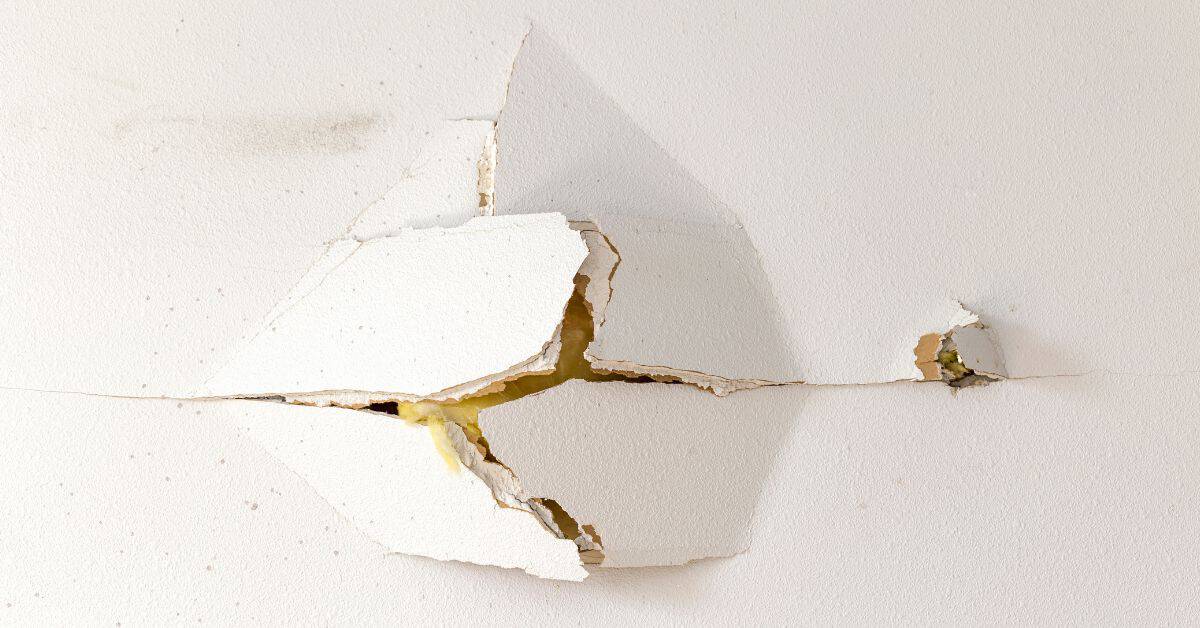
Accessing the Vapor Barrier Behind Drywall Safely
Plan access with minimal damage to finishes and wiring or plumbing behind the wall. Start with small inspection openings to confirm the barrier condition and layout. If you encounter damage, decide whether to extend access or replace a larger section.
Always consider safety and utility avoidances when opening up walls. Check labels and schematics for any concealed services before cutting. If you’re unsure, pause and verify with plans or a qualified reader of the building drawings.
Minimal-cut methods: inspection holes and removal strategy
Use this checklist when you need to access the vapor barrier behind drywall with minimal cuts. This method is ideal for inspecting or repairing issues without causing extensive damage.
- Locate studs: Use a stud finder to locate and mark the vertical studs. This helps avoid cutting into them.
- Mark inspection points: Based on your issue, mark where you’ll make small inspection holes (usually every 16″ or 24″).
- Drill small pilot holes: Using a drill bit slightly smaller than your desired hole size, create pilot holes at your marked points.
- Check cavity with endoscope/mirror: Insert an endoscope or mirror into the pilot holes to inspect the cavity and locate the vapor barrier. If you don’t have one, use a flashlight and a thin rod to reflect light.
- Identify vapor barrier: Once located, mark the vapor barrier’s position on the drywall from both sides of the studs for accurate removal strategy.
- Plan removal cuts: Based on your inspection, plan where to make larger cuts to access the vapor barrier. Ensure these cuts are made between studs and align with your marked positions.
- Avoid cutting into insulation: Be mindful of any insulation in the cavity. Cutting into it can cause energy loss and may require additional repairs.
- Test fit access: Before making larger cuts, use a utility knife to make small test cuts along your planned lines. Ensure you can safely access the vapor barrier without damaging it.
Quick rule: Always start with small inspection holes and work your way up based on what you find. This limits drywall damage and helps you plan your approach.
Larger access and stud-by-stud approach
When you need to make larger repairs or replace a significant portion of your vapor barrier, don’t just start hacking away at the drywall. Take a methodical, stud-by-stud approach to preserve framing and simplify reinstallation.
First, locate the studs. Use a stud finder or tap gently with a hammer to listen for the solid sound of wood behind the drywall. Mark their centers with a pencil.
Now, decide on your approach. For larger areas, you might want to remove entire sections of drywall between studs. Here’s how:
Starting at one end, use a utility knife to score along the marked stud lines. Then, snap the drywall along these lines using a flat pry bar or a similar tool.
Work your way across, removing sections of drywall between each stud. This way, you’re not damaging the framing and can reuse the removed drywall as a template for reinstallation.
Protecting existing finishes and wiring/plumbing
Before you start cutting into your walls, shut off the power at your main circuit breaker. Safety first, no exceptions. Check with a non-contact voltage tester to ensure it’s off.
If you’re working near plumbing, turn off the water supply and open faucets to relieve pressure. This isn’t always necessary, but better safe than sorry.
Now, let’s protect your existing finishes. Use a utility knife with a sharp blade to score the drywall where you’ll be cutting. This helps prevent chipping paint or damaging trim. For larger cuts, use a reciprocating saw with a fine-tooth blade. Keep it level and steady.
As for wiring and plumbing, they should be visible once you’ve made your inspection holes or started removing drywall. If not, use a stud finder to locate them. Be extra careful when cutting near these lines. If you’re unsure about anything, consult a professional. It’s better than risking damage or injury.
Step-by-Step Repair Methods (Small Punctures to Large Tears)
Begin with repair of small punctures using patches and compatible sealants or tapes as directed by the manufacturer. For larger tears, plan a measured patch or partial removal with a clean corner-to-corner seam. Keep the work neat to minimize rework later.
Follow a logical progression from patching to section replacement as needed. Always verify that the chosen method matches the barrier type and wall assembly. If the specs aren’t clear, consult the product instructions before proceeding.
Step-by-Step Repair Process
Follow these practical steps to repair your drywall vapor barrier/poly from small punctures to large tears.
- Preparation: Gather tools, materials, and safety gear. Turn off power at the main panel if you’re near wiring.
- Access the poly: Make minimal-cut inspection holes or remove sections stud-by-stud as explained earlier.
- Main repair work:
- For small punctures, use tape or patch pieces.
- For larger tears, cut out damaged area, measure and fit replacement sheet.
- Seal joints: Use compatible tape and sealant to create continuous seals at seams and overlaps.
- Final checks: Inspect your work, test for leaks if possible. Call a pro if you’re unsure.
Patch methods for small holes and pinholes
For minor damage, use these surface-accessible patching techniques to fix your poly without removing insulation.
Tape: Clean the area, apply compatible tape, press firmly. No need to remove insulation underneath.
Small patches: For larger holes, cut a piece of poly, apply like tape. Use sealant at edges for extra protection.
These methods are temporary fixes. If damage is extensive or you notice recurring issues, replace the entire section.
Sealing seams and overlapping tears
Properly seal seams and overlaps to maintain your poly’s vapor barrier function.
Clean the area first. Ensure both surfaces are dry before applying tape or sealant.
Tape: Apply compatible tape along seam, press firmly. Overlap at least 2 inches on each side.
Sealant: Apply sealant over taped seam to create a continuous barrier. Use a brush or caulking gun for even application.
Replacing a damaged section: cut, fit, and join
When damage is extensive, replace the entire affected section with these steps:
Cut out damaged area using a utility knife or scissors. Measure and mark replacement sheet.
Fit and fasten new sheet: Align it with framing, secure with appropriate fasteners. Ensure it’s taut but not stretched.
Seal joints: Use compatible tape and sealant to create durable, continuous seals at edges of old and new poly. Overlap at least 2 inches on each side.
Special Situations and Common Obstacles
Address scenarios with boxes, pipes, or recessed fixtures by planning clean access routes and compatible patch methods. Degraded insulation behind the barrier may require careful handling or selective replacement. Each obstacle calls for a targeted, conservative repair strategy.
Workarounds should respect existing finishes and avoid creating new moisture paths. Verify any assumptions against manufacturer guidance and local rules. If a clear path isn’t obvious, pause and seek guidance before moving forward.
Repairs around electrical boxes, pipes, and vents
When you’re repairing your vapor barrier, you’ll often come across penetrations like electrical boxes, pipes, or vents. These can be tricky, but here’s how to maintain continuous air/moisture control:
Electrical Boxes: Use a box gasket that matches your poly thickness. Seal the perimeter with compatible tape.
Pipes and Vents: For small pipes, use a pull-through repair technique. Cut a small ‘X’ in the poly, slip it over the pipe, then seal with tape. For larger pipes or vents, box them out using rigid foam or insulation board, then seal.
Dealing with insulation that must be removed or replaced
Sometimes, you’ll need to remove insulation for access. Here’s how:
First, protect yourself – wear gloves and a dust mask. Remove the insulation carefully, trying not to damage it. If it’s fiberglass, consider using a vacuum to minimize mess.
If the insulation is damaged or contaminated, replace it. Use unfaced batts or blown-in insulation that matches your existing type. Make sure to reinstall any vapor barrier facing.
Pro tip: Before reinstalling, check for any gaps or voids in your framing. Fill with foam sealant if necessary to maintain thermal performance.
Mold remediation and when to call a pro
If you find mold while repairing your vapor barrier, here’s what to do:
Small issues (less than 10 sq. ft.): Contain the area with plastic sheeting, then clean with a solution of water and detergent. Dry thoroughly.
Larger issues or health concerns: Stop work immediately. Mold can cause serious health problems. Hire a qualified remediator or contractor. They have specialized equipment and training to handle larger mold issues safely.
When to call a pro: If the mold covers more than 10 sq. ft., if you suspect it’s causing health issues, or if you’re unsure about how to contain and clean it up. Better safe than sorry!
Finishing, Testing, and Long-Term Prevention
Restore drywall and finishes with steps that protect the repaired area and blend with the surrounding surface. Plan a moisture and air sealing approach that matches the wall assembly. Consider touch-up finishes and paint to seal the patch neatly.
Test the repair by checking for signs of lingering moisture and ensuring there are no new air pathways. Implement preventive measures such as proper vapor management and periodic checks. If there are questions about effectiveness, verify with the product guidelines or local requirements.
Restoring drywall and finishes after repair
The first step is to replace any damaged drywall. Cut out the old, using the same methods you used for removal, and fit in new pieces. Use construction adhesive and screws to secure them.
Taping: Apply joint compound in three coats – embed tape on the first, feather out the second, and skim the third. Sand lightly between each coat.
Priming: Prime the repaired area with a stain-blocking primer to seal the surface and prevent moisture from bleeding through. Use a roller or brush for even coverage.
Match textures by practicing on scrap pieces first. Use joint compound, drywall mud, or texture spray to mimic existing patterns. Sand lightly after application to ensure a smooth finish.
Post-repair testing and visual checkpoints
After your repair, it’s crucial to test the area to ensure no moisture is getting through. Use this checklist:
- Moisture check: Use a moisture meter or hygrometer to test for excess moisture behind the repaired section.
- Seam inspection: Check all seams and joints visually for any gaps, cracks, or signs of delamination.
- Spot monitoring: Place moisture-sensitive paint or stick-on indicators on the wall to monitor over time.
- Electrical check: Ensure no moisture is present around electrical boxes and outlets.
- Plumbing check: Inspect pipes and vents for any leaks or condensation.
- HVAC check: Check around ductwork for any air leaks that could cause condensation.
- Mold check: Look for signs of mold growth, especially in corners and behind furniture.
- Temperature check: Ensure the wall is maintaining a consistent temperature with the rest of the room.
Quick rule: Recheck your work every few months to catch any issues early. If you notice anything unusual, address it promptly to prevent further damage.
Maintenance, ventilation, and design changes to prevent recurrence
Routine checks: Regularly inspect your vapor barrier for any signs of damage or wear. Catching issues early can prevent costly repairs.
Improve ventilation: Ensure your home is well-ventilated, especially in high-moisture areas like bathrooms and kitchens. Use exhaust fans to remove excess moisture from the air.
Dehumidification: Consider using a dehumidifier in particularly humid rooms or seasons. This can help prevent excess moisture from building up behind your walls.
Design changes like vapor-porous materials: Avoid using vapor-porous materials, like oriented strand board (OSB), in areas prone to high moisture. Opt for more resistant materials instead. Also, ensure your drainage plane is properly adjusted to direct water away from the wall.
Conclusion
Repairing the vapor barrier behind drywall is about safety, durability, and a clean finish. Do it right and the wall will perform, look right, and stay dry for years to come.
Start with a simple, practical check: confirm the climate and wall type, verify the applicable code requirements, inspect the accessible area for moisture or leaks, gather the right patch material and fasteners, carefully expose only what you need, patch or replace damaged barrier, seal the seams, remount the drywall, and finish with proper sealing and testing to ensure the wall will resist moisture going forward.
Avoid these common missteps: never cut or remove more than necessary, never skip testing after repair, and never seal a surface you haven’t dried or inspected for moisture. Safety rules to follow are plain: turn off power when working near outlets or lighting, keep the work area dry, work in small sections to prevent surprise leaks, and verify a test pass before finishing the wall. If any part of the job feels risky or unclear, pause and reassess rather than forcing a fix.
Call a professional if you find active mold, structural damage, persistent moisture, complex framing, or uncertain code compliance. With the right approach, you can complete the repair confidently and restore long-term performance. Stay focused, stay safe, and finish strong.
FAQ
How do I decide if I should replace the vapor barrier rather than patch it?
If the barrier is torn through to the studs or has multiple penetrations, replacement is usually safer. For small punctures, a patch and reseal can work if you follow proper sealing. When in doubt, check the manufacturer’s guidance and local rules before proceeding.
What signs should I look for before touching the barrier behind drywall?
Look for obvious tears, buckling, or moisture staining on the drywall surface. If you see mold, moldy odor, or ongoing dampness behind the wall, stop and assess further. Always wear proper PPE and avoid disturbing active moisture sources.
What are the safe steps to remove a small patch and reseal the barrier?
Carefully cut back to clean, intact vapor barrier edges and apply an appropriate patch or tape per the product instructions. Seal all edges with the recommended sealant or tape to restore continuity. Inspect for gaps and repair as needed before re-drywall or finishing.
What should I use to seal and test the repair for air leaks after patching?
Use the sealant or patching material specified on the barrier’s label or datasheet. After it cures, perform a simple check by looking for light leaks or feeling for drafts with your hand near the repaired area, and re-check if there are any signs of moisture or air movement.