
Introduction
Air-sealing at drywall perimeters means closing gaps around the edges of drywall to stop drafts and air leaks. It focuses on where drywall meets studs, ceilings, and other assemblies. You’ll choose materials based on where the gap is and what can be painted or finished to match.
Caulk is good for small, fixed gaps and clean joints where movement is minimal. Gasket materials can seal larger gaps along flat joints, but verify that they tolerate wall movement and are paintable. Spray foams fill larger voids and irregular edges, but you must follow the product label, plan for trimming, and check local rules and compatibility with drywall and paint.
Key takeaways
- Proper air-sealing reduces drafts and thermal bridging at drywall perimeters during finish.
- Use caulk for small gaps, gasket for framing joints, spray foam for larger voids.
- Prepare and clean surfaces, remove dust, and prime where required before sealing.
- Apply sealant in a continuous line, avoid gaps, and over-compression, then cure per label.
- Visual checks and simple tests verify continuity, gaps, and proper adherence.
- Follow safety guidelines: ventilation, skin/eye protection, and avoid obstructing framing.
Table of Contents
- Introduction
- Key takeaways
- Why Air-Sealing at Drywall Perimeters Matters
- Overview of Sealing Materials: Caulk, Gasket, Spray Foam
- Choosing What to Use Where — Decision Framework
- Preparation and Installation Best Practices
- Tools and Materials Checklist
- Visual Checkpoints, Testing, and Verification
- Troubleshooting, Maintenance, and Code/Health Considerations
- Conclusion
- FAQ
Why Air-Sealing at Drywall Perimeters Matters
Air leaks at the drywall-to-framing plane can drive up energy use and make living spaces feel drafty. Leaks also influence moisture control and indoor-air quality by moving humid air into colder areas. The perimeter near the drywall is a high-priority sealing location in both new construction and retrofit work.
Sealing here helps reduce HVAC load, improves comfort, and limits pathways for condensation. Addressing these gaps early in the build or during renovation prevents rework later and supports a more durable, healthier space.
Energy, comfort, and moisture control
Air leaks at drywall perimeters might seem small, but they can make a big difference. They drive heat loss or gain in winter and summer, causing drafts that make your home uncomfortable.
These gaps also let moisture in, which can lead to condensation on walls and ceilings. That’s bad news for your home’s structure and indoor air quality.
Sealing perimeters reduces these risks. It keeps your home warmer in winter, cooler in summer, and drier all year round. Plus, it improves thermal comfort by eliminating drafts.
Common leakage paths at drywall perimeters
The most common gaps where air leaks occur are:
Top plate: Where the ceiling meets the wall. Framing tolerances here can leave gaps.
Sill: The bottom of the wall, where it meets the floor. This area is often overlooked but prone to leakage due to variations in flooring materials.
Around penetrations, window/door reveals, and soffits: These areas are notorious for gaps because of drywall reveal and framing tolerances.
Overview of Sealing Materials: Caulk, Gasket, Spray Foam
Caulk is a flexible sealant that adheres to irregular gaps and finishes. Compressible gaskets and tapes provide a predictable fill that compresses with movement. Spray foam expands to fill cavities and can seal hard-to-reach areas.
Key tradeoffs include how well each material accommodates movement, fills gaps, sticks to substrates, and finishes cleanly. Understanding these attributes helps match the right material to the gap, substrate, and finish requirements.
Caulk types and when they work best
Caulk is a versatile air-sealing material, available in several types. Each has its own strengths:
Acrylic-latex caulk is water-based, cleans up easily with soap and water, and dries quickly. It’s great for interior surfaces that need to be painted soon after application.
Silicone caulk offers excellent resistance to heat, moisture, and mold. It’s ideal for areas exposed to high humidity or direct water contact, like showers or around windows.
Polyurethane caulk provides superior adhesion and durability. It’s often used outdoors due to its UV resistance, but it can also be used indoors where a strong bond is needed.
Hybrid (MS polymer) caulks combine the best features of acrylic-latex and silicone, offering good paintability, flexibility, and water resistance. They’re versatile and can be used in many situations.
Gasket types and applications
Gaskets and tapes are excellent for sealing around penetrations and at repetitive framing joints:
Preformed foam tapes come in various sizes, offering consistent compression and easy installation. They’re perfect for sealing around pipes, wires, or other penetrations.
Compressible gaskets provide a tight seal when compressed between two surfaces. They’re often used at framing joints to prevent air leakage through gaps.
For larger gaps, consider using backer rod plus tape. Backer rod fills the gap, and the tape seals it. This method is useful for gaps too large for foam tape alone.
Spray foam types and key differences
Spray foams come in two main types, each with its own uses:
Low-expansion spray foam is ideal for sealing around windows and doors. It expands minimally, filling small gaps without causing excessive pressure or stress on the framing.
High-expansion spray foam is used where large gaps need to be filled. It expands significantly, providing excellent insulation value but should be used with caution due to its high expansion pressure.
Closed-cell spray foam offers superior water resistance and insulation value per inch. It’s often used in basements or other areas prone to moisture.
Open-cell spray foam is less expensive but provides less water resistance. It’s typically used in attics or other dry areas where water intrusion isn’t a concern.
Choosing What to Use Where — Decision Framework
Start by assessing the gap size and geometry, then identify the substrate and any anticipated movement. Consider the finish requirements and whether access to the area is straightforward or constrained. This guides whether caulk, gasket, or foam is the better choice.
When in doubt, compare with manufacturer guidance and local rules. If a recommendation is unclear, verify with product data and instructions before proceeding.
Substrate and joint geometry considerations
The surface you’re sealing to matters. Here’s why:
Wood: Caulks stick well, gaskets compress nicely. Foam can crack if wood moves.
Metal: Caulks work best. Gaskets might rust. Avoid foam on thin metal.
Concrete: Caulks and gaskets are good. Foam needs a primer, can crack with concrete shrinkage.
Narrow gaps? Use caulk or narrow gasket. Large irregular gaps? Go for foam or wide gasket.
Movement, compression, and lifetime performance
Expect movement? Here’s what to choose:
Flexible caulks: Great for small movements. Can paint over.
Compressible gaskets: Handle larger movements. No painting needed.
Spray foam: Rigid, great for large gaps and no movement. Not paintable.
Long-term? Caulks and gaskets flex with the building. Foam can crack over time.
Accessibility, speed, and finish requirements
Speed matters? Here’s your best bet:
Spray foam: Fast one-step application. Dries quickly.
Caulks & gaskets: Slower process. Require drywall taping/painting later.
Clean finish needed? Caulk or gasket after painting is best. Foam can be messy, not paintable.
Accessibility tough? Use caulk or gasket. Foam needs good access for even application.
Preparation and Installation Best Practices
Prepare the surface by cleaning and drying the substrate, and test adhesion in a small area if needed. Size joints to accommodate expected movement and finish compatibility. Plan the sequence so air sealing occurs with insulation and drywall finishing to avoid rework.
Protect adjacent materials and ensure proper ventilation during installation. Check that the chosen method aligns with the project plan and any vapor-control considerations before sealing.
Surface prep and adhesion checks
Before applying any sealant, clean the surface thoroughly. Remove dust, dirt, and old paint or caulk with a wire brush or scraper.
Dry the surface completely. Moisture can prevent adhesion and cause your sealant to fail. Use a moisture meter if you’re unsure.
Prime the surface where required. Priming improves adhesion and seals porous surfaces. Use a primer suitable for your chosen sealant type.
Perform quick adhesion tests using painter’s tape and a sharpie. Apply some sealant, let it cure, then pull off the tape. If the sealant stays put, you’re good to go. If not, replace or repair the substrate before sealing.
Sequencing and integration with insulation/vapor control
Air-seal before you insulate. This way, you’re sealing air leaks that would otherwise allow conditioned air to escape or unconditioned air to enter.
Integrate interior air-sealing with exterior barriers. They work together to create a complete air barrier system. Seal the interior first, then install insulation and vapor control layers before finishing with drywall.
Avoid trapping moisture. Ensure all penetrations are sealed, and there’s no path for water vapor to condense between insulation and drywall. Use vapor barriers where necessary, following local building codes.
If you’re unsure about sequencing, consult a local building inspector or experienced contractor. They can provide guidance tailored to your specific project and climate.
Tooling, bead sizes, and curing considerations
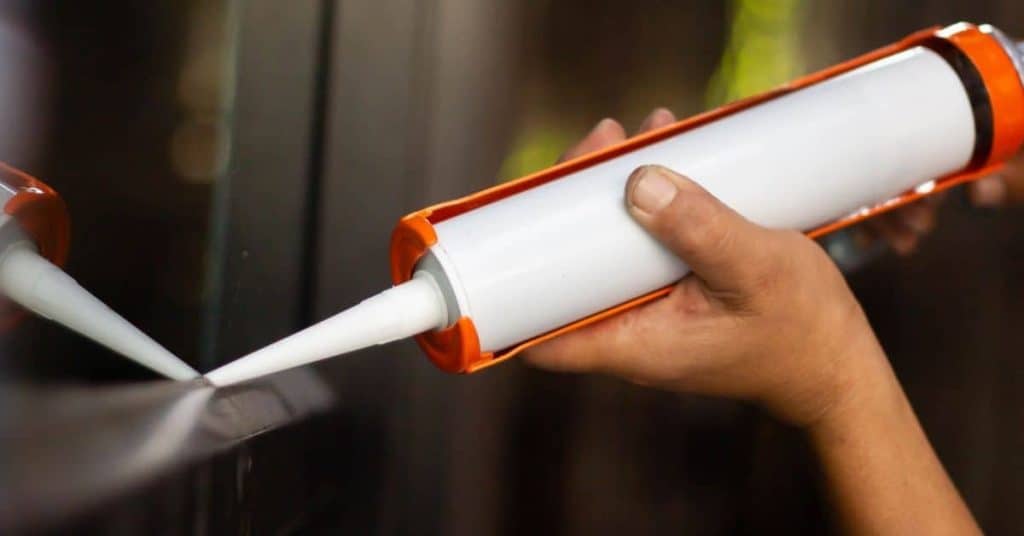
Choose the right tool for the job. Caulk guns come in various sizes and types. For small jobs, a manual gun will do. Larger projects may require a pneumatic or battery-powered gun.
- Caulk application: Use a smooth, steady motion. Apply a bead that’s wide enough to fill the joint but not so wide it drips or sags. Wipe off excess with a damp rag immediately after application.
- Foam application: Follow the manufacturer’s instructions for proper nozzle selection and foam expansion rate. Apply in even, continuous beads, filling the joint completely.
- Bead profile: The size and shape of your bead affect adhesion. A wider, flatter bead provides more surface area for adhesion but may take longer to cure. A smaller, rounder bead cures faster but has less surface area for adhesion.
- Cure time: Allow the recommended cure time before painting or covering the sealant. This ensures it’s fully cured and won’t be damaged when you proceed with finishing work.
- Ventilation: During curing, ensure proper ventilation to prevent the buildup of harmful fumes. Follow product instructions for specific safety guidelines.
- Optional tools: Rentable tools like caulking machines or foam proportioners can make large jobs faster and easier. Prices vary by location, but expect to pay around $50-$100 per day.

Tools and Materials Checklist
Assemble basic caulking guns, compatible sealants, gaskets or tapes, and spray equipment if foam is used. Include applicators, removal tools, and clamps or tape to hold seals in place during cure. Have spare consumables on hand for touch-ups.
Include PPE such as gloves and eye protection, plus masking and cleanup supplies. Keep a simple log of where each material is used to track compatibility with finishes and substrates.
Essential tools for caulk, gasket, and foam work
Before you start sealing, make sure you have all the necessary tools at hand. This checklist will help you prepare efficiently.
- Caulk gun: For smooth application of caulk.
- Foam dispenser: For applying spray foam. Use manufacturer-recommended dispensers for best results.
- Utili