
Introduction
When tackling paint removal projects, understanding the time commitment is crucial. Both heat guns and infrared paint removers speed up the process compared to manual scraping, but they differ in their time requirements.
To help you plan your project effectively, let’s compare the timeline of using heat guns versus infrared paint removers, including prep work, application, and cleanup.
For the full guide, see Heat Guns vs Infrared Paint Removal: Speed, Risk, and Where Each Wins.
The Time-Saving Advantage: Heat Guns vs Infrared Paint Removers
When it comes to time efficiency, both tools have their strengths. Here’s a breakdown of the timeline for each method:
- Heat Guns:
- Preparation (10-15 minutes): Set up your workspace, gather materials, and ensure proper ventilation.
- Heating and Softening (5-10 minutes per square foot): Apply heat evenly to soften the paint for scraping.
- Scraping and Cleanup (10-20 minutes per square foot): Remove softened paint using a scraper or putty knife, then clean up your workspace.
- Infrared Paint Removers:
- Preparation (15-25 minutes): Set up your workspace, gather materials, and ensure proper ventilation. Additionally, you may need to shield nearby items from heat.
- Heating and Softening (3-7 minutes per square foot): Apply infrared heat evenly to soften the paint for scraping.
- Scraping and Cleanup (10-20 minutes per square foot): Remove softened paint using a scraper or putty knife, then clean up your workspace. Keep in mind that cleanup may take longer due to dust generated by infrared methods.
While both methods require similar scraping and cleanup times, the heating and softening process differs significantly. Heat guns typically take longer per square foot but can be more efficient for small spots and tight edges. Infrared paint removers, on the other hand, can speed up the process on larger flat areas.
Key takeaways
Proper preparation is key to staying on schedule with both methods. Ensure you have all necessary tools and materials ready before starting, as this can significantly impact your overall project timeline.
- Assess surface type first; infrared works on flat, heat-delicate coatings.
- Avoid overheating; keep move pace steady to prevent scorching wood or siding.
- Infrared speeds up large areas; heat guns excel near edges, corners, and detail.
- Safety: wear eye and skin protection; never leave heat source unattended.
- Check material compatibility: some paints release fumes or blister under heat.
- Document process with photos; progress checkpoints help verify complete paint removal.
Table of Contents
- Introduction
- Key takeaways
- How Each Method Works (Mechanics and Heat Delivery)
- Speed and Productivity: Real-World Factors
- Risks, Hazards, and Safety Measures
- Surface and Material Compatibility
- Tools, Materials Checklist and Setup
- Cost, Environmental Impact, and Regulatory Considerations
- Combining Methods and Hybrid Approaches
- Troubleshooting, Visual Checkpoints, and Post-Removal Finishing
- Conclusion
- FAQ
How Each Method Works (Mechanics and Heat Delivery)
Heat guns deliver hot air that transfers energy by convection; the moving air heats the paint surface and then conducts into underlying layers. Infrared units produce radiant energy that penetrates coatings and heats more uniformly without strong airflow over the surface.
Both processes weaken the bond between paint and substrate—heat softens and expands the paint, breaking adhesion or making it scrape off—so check the tool’s output specifications and the paint system’s tolerance in the product data sheet before starting.
Heat gun mechanics
A heat gun works by blowing hot air at high speeds. It’s like a hair dryer on steroids.
The heat comes from an electrical heating element inside the gun. Most guns can reach temperatures up to 1000°F (540°C).
Here’s what you need to know:
Focused flow: Heat guns concentrate hot air onto a small area, making them great for spot heating.
Distance matters: Too close and you’ll scorch the paint. Too far and it won’t heat up properly. Keep it consistent – about 2 to 3 inches away.
Movement: Keep that gun moving. Stationary heat can cause warping or scorching.
Infrared method mechanics
Infrared paint removers work differently. They use radiant energy to warm up the surface, much like how the sun heats up your skin.
The heat penetrates through multiple layers, warming them evenly. This is great for thick or multi-layered paint jobs.
Here’s what you need to know:
Even heating: Infrared heat warms everything it touches, not just the surface. This helps maintain adhesion between layers and makes removal easier.
Slower process: Because infrared heats evenly, it takes longer than a heat gun. But it’s less likely to cause damage or warping.
Speed and Productivity: Real-World Factors
Task speed depends on surface area, paint layer count and type, surface profile, and operator technique; flat, exposed areas typically strip faster than corners and detailed trim. Skill with tool handling, choice of nozzle or reflector, and the right heat setting all change how quickly paint softens and can be removed.
For planning, assess sample areas and consult the manufacturer instructions or label for recommended use conditions to estimate throughput rather than relying on a single quoted time or rate.
Job size and geometry
When it comes to speed, consider the layout of your job. Infrared panels are great for large, flat surfaces like walls or ceilings. They can cover a lot of area quickly.
But if you’re dealing with tight spots, small areas, or complex contours, heat guns are your friend. They’re handheld and versatile, letting you get into nooks and crannies that infrared panels can’t reach.
Access also plays a big role. If you’ve got to set up scaffolding or ladders for an area, that’s time added to the job. Keep it simple where you can.
Layer thickness and paint type
The number of coats and type of paint matter. Thicker layers or specialty finishes like enamels take longer to soften than thin, water-based paints.
Before you start, do some test patches. Heat up a small area, let it cool, then scrape. This tells you how much effort each layer will need and helps you plan your time.
Remember, if the paint’s been on there a while, it might be harder to remove. Older paints can dry out or change chemically over time.
Labor and setup time
Don’t forget about the prep work. Masking off areas, setting up containment for debris, and getting your equipment ready all take time. Infrared panels need to warm up before you can start, too.
Cooldown time matters, too. After you’re done, let surfaces cool before you touch them or start painting again. This could add 30 minutes to an hour to your job.
Labor is another factor. If you’ve got a team helping out, great. But more people mean more coordination time. Keep it efficient.
Risks, Hazards, and Safety Measures
Major hazards include thermal burns, ignition of combustible materials, inhalation of fumes or lead-containing dust, and substrate damage from overheating. Both hot-air and infrared methods can cause fires if combustible nearby materials or old finish layers ignite, and fumes may be more concentrated without ventilation.
Reduce risks with proper PPE (heat-resistant gloves, eye protection, appropriate respirator), clear work area, fire extinguisher on hand, and follow manufacturer safety guidance and local regulations for hazardous paint removal.
Fire and burn risks
Heat guns and infrared paint removal systems can pose fire and burn risks if not handled properly. Always maintain a safe distance from flammable materials like curtains, upholstery, or wooden surfaces.
Wear heat-resistant gloves to protect your hands from burns. Eye protection is also crucial to shield your eyes from intense heat and any debris that might fly off during the process.
Follow manufacturer warnings regarding safe clearances and operating temperatures. Always check local fire codes and regulations before starting any paint removal project.
Fumes and lead/chemical exposure
Both heat guns and infrared systems can generate harmful fumes when removing old paint. These fumes may contain toxic chemicals like lead, which was commonly used in paints before 1978.
Before starting any paint removal project, test for the presence of lead. If lead is present, use a HEPA vacuum and wear a respirator with a P100 filter to minimize exposure. Keep windows open or use fans to ventilate the area.
Contain the work area using plastic sheets to prevent fumes from spreading. Always dispose of paint chips and debris in accordance with local waste management guidelines for hazardous materials.
Substrate damage and finish integrity
Improper use of heat guns or infrared systems can cause substrate damage, such as warping, scorching, or even melting the surface. This is more likely to occur with lower-quality materials or when using excessive heat.
To mitigate substrate damage, use the lowest possible power setting and maintain a consistent distance from the surface. Keep exposure intervals short and even – don’t linger too long in one spot.
Monitor the surface closely for any signs of distress. If you notice warping, scorching, or melting, reduce heat output, increase distance, or take longer breaks to allow the surface to cool. Always test a small, hidden area first to assess your equipment’s impact on the specific material you’re working with.
Surface and Material Compatibility
Wood and metal often respond well to both heat guns and infrared, but wood can scorch and metal can get very hot—verify material limits and test in an inconspicuous spot first. Masonry and certain plastics or thin veneers can crack, warp, or melt with excessive surface temperatures, so these require gentler approaches or avoidance.
If the substrate might be heat-sensitive or the finish contains hazardous components, consult product labels and, when in doubt, use lower-energy methods or professional assessment to prevent irreversible damage.
Wood and Painted Trim
Heat guns and infrared paint removal work well on solid wood and painted trim. But remember, concentrated heat can burn wood quickly.
Heat Guns: Great for quick stripping of thick paints. Be careful with thin trims or woods like pine that scorch easily.
Infrared: Gentler on wood. Preferable when preserving finish integrity is crucial, like on antique pieces or fine furniture.
Metal, Masonry, and Engineered Materials
Material choices affect paint removal results. Conductivity, expansion, and staining are key factors.
- Metal: Heat guns can warp thin metals. Infrared’s even heat helps prevent warping but may not remove paint as quickly.
- Masonry: Both methods work, but infrared penetrates deeper into porous surfaces for better paint removal.
- Engineered Materials (like MDF): Avoid high heat. Infrared’s lower temp is safer, but don’t overheat as it can damage the material.
- Concrete: Infrared works well on thick coatings. Heat guns may not penetrate deep enough.
- Stainless Steel: Both methods work, but avoid high heat to prevent discoloration or warping.
Delicate or Decorative Finishes
Veneers, antiques, and plastics require special care. Preservation is key here.
Veneers: Avoid both methods. High heat can cause veneers to lift or warp. Use non-thermal methods instead.
Antiques: Infrared is safer but may not remove all paint. Consider professional help for intricate pieces.
Plastics and Inlays: Both methods risk damaging these materials. Stick to non-thermal removal techniques.
Tools, Materials Checklist and Setup
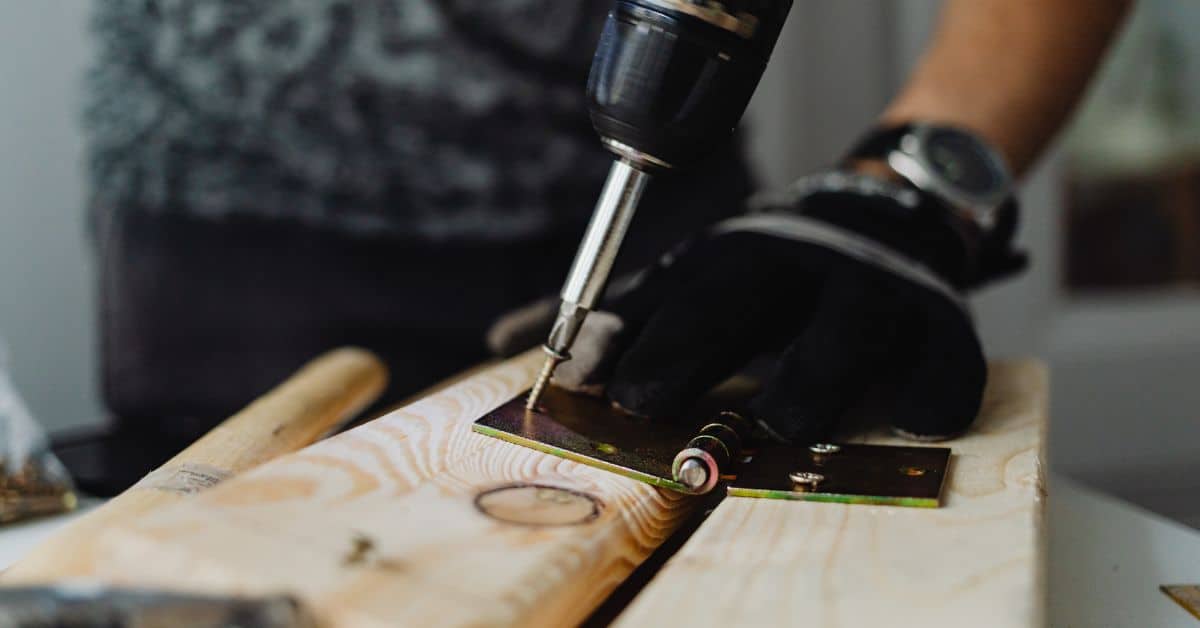
Essential items include the heat gun or infrared unit, appropriate nozzles or reflectors, scrapers and putty knives, a stable work platform, fire extinguisher, and PPE like respirator, eye protection, and heat-resistant gloves. Prepare the area by removing flammables, protecting nearby surfaces, and establishing ventilation or fume capture.
Before you begin, read the tool manual and any product labels for recommended clearances and setup; test on a small area to confirm settings and gather any additional materials you identify during that trial.
Heat Gun Kit and Accessories
Before you start, make sure your heat gun is ready to go. Here’s a quick checklist.
- Heat gun: Ensure it’s in good working condition and has the right power for your job.
- Nozzles: Check if you have the correct nozzle(s) for your task, like reflectors or concentrators. Verify their recommended operating distances from the manufacturer.
- Scrapers: Have a few on hand to help remove paint once it’s softened.
- Heat shields: Protect yourself and nearby surfaces with heat-resistant gloves and shields.
- Stand: A stand keeps your heat gun safe when not in use. Make sure it’s stable and secure.
- Temperature gauge: Some guns have built-in gauges. If yours doesn’t, consider getting one to monitor temperature safely.
- Thermometer (optional): For precise work, a separate thermometer can help ensure you’re not overheating the surface.
- Safety glasses: Protect your eyes from debris and splatter.
Quick rule: Always follow manufacturer guidelines for temperature ranges and operating distances to prevent damage or injury.
Infrared Equipment and Accessories
Setting up infrared panels? Here’s what you need to check before starting.
- Infrared panels: Ensure they’re in good condition, with no cracks or damage. Check their power output matches your job size.
- Mounting/stand options: Have the right stands, brackets, or clamps to position panels safely and securely.
- Thermocouple (optional): For precise work, a thermocouple can monitor surface temperature without contact.
- Timer (optional): To maintain consistent heat application, consider using a timer for each panel.
- Panel placement: Plan where to place panels for even coverage. Avoid placing them too close to surfaces to prevent overheating.
- Cables and connectors: Ensure all cables are in good condition and connectors fit securely.
- Extension cords (if needed): Use heavy-duty, appropriately sized extension cords for safety.
- Safety glasses: Protect your eyes from debris and splatter.
Quick rule: Stage panels to provide even heat coverage. Monitor surfaces to prevent overheating and damage.
Containment, Ventilation, and Disposal Materials
Keeping your workspace safe and clean is crucial. Here’s what you need to check before starting.
- Tarps: Have enough tarps to contain paint chips and debris. Secure them properly to prevent wind from blowing contaminants around.
- Masking tape: Use it to seal edges of tarps and protect areas you don’t want painted.
- Negative-pressure ventilation (optional): If dealing with lead paint, consider using a negative-pressure system to contain fumes.
- HEPA vacuum: Have one on hand to clean up after the job. Ensure it’s in good working condition and has a HEPA filter.
- Disposal bags (if needed): For hazardous waste, use approved disposal bags to contain and label materials properly.
- Labeling materials: Have labels ready to mark hazardous waste containers clearly according to local regulations.
- Gloves and protective clothing: Use appropriate PPE to protect your skin from paint chips, fumes, and chemicals.
- Respirator (if needed): If dealing with lead or other harmful chemicals, use a respirator rated for the specific hazard.
Quick rule: Always follow local disposal rules. Proper containment and ventilation protect you and your environment from harm.
Cost, Environmental Impact, and Regulatory Considerations
Costs hinge on equipment quality, labor time, disposal of removed paint (especially if it contains lead), and energy consumption; infrared units and industrial heat systems may have different power draws than handheld heat guns. Waste streams from thermal removal include softened paint chips and potentially hazardous dust or fumes that affect disposal and cleanup requirements.
Check local regulations about lead paint and hazardous waste handling, and consult manufacturer instructions for emissions and energy use if compliance or environmental impact is a concern.
Cost drivers and time-to-complete
When budgeting for your paint removal project, consider these cost factors:
Equipment: Heat guns are generally cheaper to rent or buy than infrared equipment. Infrared machines can range from $500 to $2,000 to purchase, while heat guns are around $30-$100.
Labor: If you’re hiring professionals, their rates will vary based on location and experience. DIY-ing it? Time is money – consider your own labor costs.
Consumables & Cleanup: Both methods require protective gear (gloves, goggles, etc.). Heat guns may need replacement nozzles, while infrared systems might require maintenance like filter changes.
Environmental and waste handling
Thermal paint removal methods can release volatile organic compounds (VOCs) into the air. Containment is key:
Containment: Use plastic sheeting to contain fumes and debris. This reduces VOC release and makes cleanup easier.
Waste Disposal: Paint chips and dust may be contaminated with lead or other chemicals. Bag and label waste properly for hazardous material disposal at a local facility.
Greener Practices: Recycle equipment and materials where possible. Consider low-VOC paint strippers as alternatives, though they may not be suitable for all surfaces.
Local regulations and certifications
Before starting your project, check local regulations to ensure compliance:
Lead Abatement: If your home was built before 1978, it may contain lead paint. You’ll need to follow EPA Renovation, Repair, and Painting (RRP) rules.
Contractor Licensing: Hiring professionals? Ensure they’re licensed and insured according to local laws.
Permits & Notifications: Some areas require permits for paint removal projects. Notify neighbors if required, especially if your project may cause disruption or nuisance.
Combining Methods and Hybrid Approaches
Hybrid workflows often start with a broad-area infrared pass to warm and loosen multiple layers, followed by a handheld heat gun to concentrate heat around edges, corners, and detailed profiles. Sequencing can reduce total time and limit rework when operators use each tool where it’s strongest rather than forcing one method on all geometry.
Run a small mock-up to confirm timing and temperate settings for your materials, and follow any manufacturer guidance on using multiple heat sources near one another to avoid overheating or tool interference.
Sequential workflows
Start with infrared heat to soften bulk paint. It’s faster and covers more area.
Caution: Monitor temperature buildup. Don’t let it exceed 150°F (65°C) to prevent warping or damage.
Use the heat gun for spot finishing, tight corners, and stubborn areas. It’s precise but slower.
When to bring in professionals or specialized equipment
Some jobs need pros with special gear. Here are signs it’s time:
- Large-scale jobs: More efficient, less risk of errors.
- Confirmed hazardous materials: Pros know how to handle safely.
- Historic preservation: Special techniques and gear needed.
- Specialized tools: Rentable, but pros have experience using them.
- Realistic price cues: Expect $500-$2000 per day, plus materials.
Troubleshooting, Visual Checkpoints, and Post-Removal Finishing
Signs of successful removal include paint softening uniformly, clean separation from the substrate, and minimal scorching or substrate deformation; failure shows as blistering, charring, or adhesive residues that won’t scrape away. If paint hardens again or smears, reduce heat, allow cooling, or switch technique and re-evaluate the coating type.
After removal, clean the surface of residues, assess for damage, and follow product instructions for surface prep—sanding, degreasing, or priming—before repainting or sealing to ensure adhesion and a durable finish.
Visual checkpoints during removal
Use this checklist while removing paint to ensure you’re making progress and not causing damage.
- Properly loosened paint: Should lift easily with a scraper or spatula. If it’s still firm, you may need more heat or time.
- Scorching: Dark brown or black spots indicate too much heat. Back off and reduce heat output.
- Bubbling: Air pockets under the paint mean it’s not lifting properly. Reapply heat carefully to release air.
- Incomplete adhesion loss: Paint that peels in large sheets is ready. If it’s still stuck in places, keep working at those spots.
- Warping: Excessive heat can warp wood or other materials. Keep an eye out for warping and reduce heat if necessary.
- Residue: Small amounts of paint or primer left behind are normal, but large patches may need extra scraping.
- Cracking: Paint that cracks as it lifts is usually too dry. Moisten with a damp cloth before reheating.
- Blistering: Bubbles under the paint surface mean moisture is trapped underneath. Address this issue before repainting.
Quick rule: Regularly inspect your work to avoid damaging the substrate and ensure complete paint removal.
Fixes for common problems
Encountering issues during paint removal? Here’s how to address them.
- Residue: Use a wire brush or abrasive pad to scrub away remaining residue. Be careful not to damage the surface.
- Burnt edges: If edges are burnt, reduce heat output and work more slowly in those areas.
- Stubborn spots: Apply heat repeatedly to these spots, allowing paint to cool slightly between applications. If still stubborn, use a chemical stripper.
- Cracking or blistering: Address moisture issues before repainting. Sand and prime the affected areas.
- Warping: If warping is minor, you can sand it out later. Severe warping may require replacement of the material.
Quick rule: If a problem persists despite your efforts, stop to avoid causing further damage and consider seeking professional help.
Preparing surfaces for repainting
After removing old paint, follow this checklist to prepare your surface for new coatings.
- Clean the surface: Remove all dust, dirt, and residue with a damp cloth or tack cloth. Allow it to dry completely.
- Sand (if necessary): Lightly sand any raised grain or imperfections using 120-grit sandpaper. Wipe off dust.
- Sanding direction: Sand with the grain of the material for best results and to avoid damaging the surface.
- Prime (if necessary): Apply a primer suitable for your new paint type and substrate. This helps seal the surface and promotes better adhesion.
- Moisture check: Ensure there’s no moisture trapped under the surface. Use a moisture meter if unsure.
- Dry time: Allow primed surfaces to dry according to the manufacturer’s instructions before painting.
Quick rule: Thorough preparation is key to achieving a long-lasting, high-quality finish.
Conclusion
Choose the approach that preserves the surface, protects the structure, and finishes cleanly without starting a fire or warping the material. Plan your work, test first, and stay disciplined about stopping when you see risk or damage.
Start by assessing the surface you’re removing finish from, pick the method that fits the material, set realistic heat and time targets, run a small test in a hidden spot, protect adjacent areas and coatings, work in controllable sections, watch the heat and edge conditions, keep tools well balanced and steady, and finish with a thorough visual check before moving on.
Common mistakes to avoid: rushing the heat, holding a tool in one spot too long, using the wrong setting for the material, skipping a test patch, and neglecting proper ventilation or protection of nearby surfaces. Safety rules are simple: test small, err on the cooler side when in doubt, never heat coatings or substrates beyond their tolerance, and always have a shield, fire extinguisher, and good airflow available.
If you’re unsure about delicate substrates, unknown coatings, or structural implications, call a professional rather than forcing progress. With careful planning and steady execution, you’ll finish with a safe, durable result that looks right and lasts.
FAQ
When should I choose a heat gun over infrared for paint removal?
Heat guns give quick, targeted heat to small areas. Infrared panels work well for larger patches and steady heat across a surface. Pick heat gun for tight spots; use infrared for broad, flat surfaces.
What are the telltale signs I’m overheating a surface?
Watch for scorching color or a burnt smell. If the wood fibers curl or blister, stop and reassess. If the finish starts to lift unevenly, back off and adjust technique.
How do I prep the area to minimize damage before using either method?
Clear the area, remove loose materials, and tape off adjacent surfaces. Have a metal shield or scraper ready to control heat flow. Test a small patch before tackling the full area.
What safety steps should I not skip?
Wear eye protection and heat-resistant gloves. Keep a fire extinguisher or water/Sand bucket nearby. Follow manufacturer instructions and local rules for proper use and ventilation.