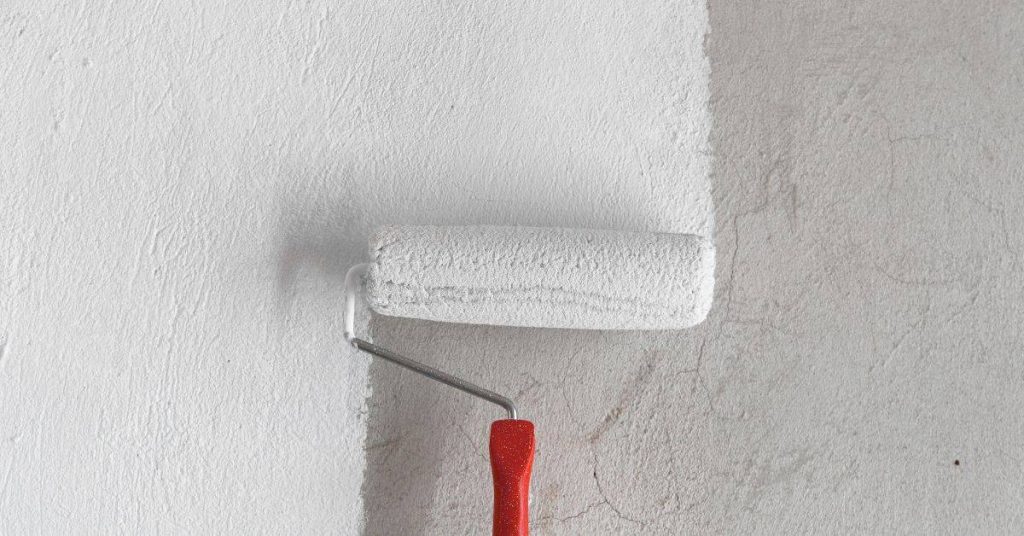
White paint roller applying paint on textured wall

How to Paint Textured Walls — Techniques + Fixes for Rough Results

Introduction

Textured walls can be painted successfully with the right prep and technique. The key is to smooth the surface enough for the paint to stick and look even. Plan for more coats and a longer dry time if the texture is heavy.

Start by cleaning and lightly dulling the texture, then use a high-opacity primer suitable for textured surfaces. Choose a roller with a short nap or a brush that fits into the crevices, and test a small area first to gauge coverage and sheen. Always follow the paint label and local rules for ventilation, safety, and cleanup, and be prepared to adjust technique based on how the texture holds the coating.

Key takeaways

  • Assess and identify wall texture before choosing approach and tools.
  • Clean and mask properly to prevent paint migration and dust hazards.
  • Patch and skim-coat rough areas to reduce trowel marks and speed up finish.
  • Prime with appropriate product to improve hide, adhesion, and texture uniformity.
  • Use controlled, light coats and proper technique to avoid slick puddling or drips.
  • Safety first: ventilation, masks, eye protection, and ladder stability, and avoid working alone.
Table of Contents

Assess and Identify Your Wall Texture

Textures come in a few common finishes, and each one behaves differently when you paint. Look for features like raised peaks, speckled surfaces, or a lumpy feel to the drywall. Knowing the finish helps you choose a sensible prep and application approach.

Texture affects coverage, drying time, and the final look. Use identify-and-plan steps to decide whether you need smoothing, a specialty primer, or a light skim coat. If you’re unsure, check the product label or manufacturer instructions for guidance specific to your texture.

Common texture types (orange peel, knockdown, popcorn, skip trowel, heavy stomp)

The first step is knowing your wall’s texture. Here are some common ones:

Orange Peel: Looks like the surface of an orange. Easy to paint but expect some texture show-through.

Knockdown: Thick, rough texture that can hide imperfections. Harder to paint smooth; may need extra coats or primer.

Popcorn: Small, bumpy texture resembling cottage cheese. Tricky to paint evenly; consider smoothing before painting for best results.

Skip Trowel: Deep, wavy lines. Can be painted as-is but expect prominent texture.

Heavy Stomp: Thick, rough texture with deep impressions. Hardest to paint smooth; may need professional help or extensive DIY work.

Degree-of-roughness visual checkpoints

Before you start painting, use this checklist to decide if your wall’s texture needs smoothing or not.

  • Light texture (orange peel, slight knockdown): Paint as-is. Expect some texture show-through but should be minimal.
  • Moderate texture (medium knockdown, skip trowel): Consider de-emphasizing the texture with a primer or light sanding before painting.
  • Heavy texture (heavy knockdown, popcorn): Smooth the wall before painting for best results. Skipping this can lead to uneven paint application and visible imperfections.
  • Extreme texture (heavy stomp): Consider professional help or extensive DIY work to smooth the wall before painting.

Quick rule: The heavier the texture, the more preparation your wall needs before painting.

Back to top ↑

Tools and Materials Checklist

Gather basic DIY tools that work well on textured walls, plus a few smoothing options. Include rollers, edging tools, a pole, and a few sizes of brushes for tight spots. Have a putty knife or scraper handy for minor repairs.

Stock up on common materials like primer, paint, and patching products, plus optional smoothing compounds. Consider alternatives such as a standard roller cover or a spray option if you’re comfortable with it. Always verify product labels or manufacturer instructions to confirm suitability for your texture.

Rollers, brushes, sprayers and replacement covers

Choose the right tools for your wall texture to ensure smooth coverage.

  • Roller cover: Use 1/2″ nap for light textures (orange peel, knockdown), 3/4″ or 1″ for medium (popcorn, skip trowel), and 1.5″ for heavy stomp. Check manufacturer recommendations.
  • Sprayer: Consider using a paint sprayer for large areas or complex textures. It’s faster but requires more skill to avoid overspray.
  • Brushes: Use angled sash brushes (1.5″ – 2.5″) for cutting in edges and corners. For heavy stomp, consider a specialty brush like a masonry or textured paintbrush.
  • Replacement covers: Have extras on hand to swap out when switching between textures or colors.

Quick rule: Match roller nap size to your texture’s coarseness for best results.

Compounds, primers, sandpapers and patching products

Select the right materials to prep your textured walls for painting.

  • Joint compound: Use lightweight or all-purpose compound for minor repairs. For heavy texture removal, use a setting-type compound like hot mud.
  • Spackle: Use spackle for small nail holes and cracks before sanding.
  • Primer (adhesion): Apply an adhesion primer to ensure paint sticks well to the repaired areas. Check product labels for compatibility with your wall texture.
  • Primer (stain-blocking): Use a stain-blocking primer to seal in any discolorations or stains before painting.
  • Sandpaper: Start with 120-grit sandpaper for light textures, and use 80-150 grit for heavy textures. Finish with 220-grit for a smooth surface.

Quick rule: Always spot prime repaired areas to ensure paint adhesion.

Safety, dust control, and protection gear

Protect yourself and your home from sanding or skim-coating dust.

  • Respirator: Wear a NIOSH-rated respirator (P100 for drywall dust) to protect against harmful particles.
  • Goggles: Protect your eyes with safety goggles or glasses that seal at the temples. Add a face shield for full protection.
  • Drop cloths: Use drop cloths on floors and furniture to catch any falling debris during sanding or painting.
  • Containment: Seal off rooms with plastic sheeting to contain dust when working in other areas of the house. Keep doors closed and use fans to exhaust dust outside if possible.

Quick rule: Always wear a respirator when sanding drywall or textured surfaces to protect your lungs.

Back to top ↑

Prepare the Wall: Cleaning, Testing, and Masking

Start with a light sweep and a mild cleaner to remove grime and dust. For stubborn spots, use a soft pad to avoid scuffing the texture. Let the surface dry completely before proceeding.

Do an adhesion test on a small area to confirm paint will stick. Mask nearby trim, outlets, and floors with careful taping and drop cloths. If you’re unsure about masking methods, consult the product data sheet or manufacturer instructions for best practices.

Cleaning and deglossing textured surfaces

Start by removing any dust with a soft brush. For greasy spots, use a mild detergent and warm water. Tougher grime might need a stronger cleaner like TSP (trisodium phosphate). Always rinse and let dry.

Deglossing helps paint bond better. Use a deglosser or lightly sand with 120-grit paper, then vacuum and wipe clean.

For heavy stomp textures, you might need to use spackling compound to fill deep crevices before priming.

Adhesion test and spot priming

Before painting, do an adhesion test. Apply a small amount of primer to a hidden area. Let it dry, then try to scratch off with your fingernail or a coin.

If the primer sticks, you’re good to go. If not, lightly sand and re-prime. For smoke-stained walls, use a stain-blocking primer.

Spot prime any areas where paint might peel or discolor, like around switches or near fireplaces.

Masking, covering fixtures and protecting trim

Use painter’s tape to mask edges. Press down firmly to seal. For textured walls, use a wider tape like FrogTape.

Cover light switches, outlets, and other fixtures with plastic drop cloths or painter’s tape. Protect trim and floors with drop cloths or rosin paper.

For baseboards, use a narrow piece of tape along the top edge to prevent paint buildup in crevices.

Back to top ↑

Surface Correction: Sanding, Patching, and Skim-Coating

Sand lightly to flatten high spots and break gloss, taking care not to erode the texture unevenly. Use a gentle touch and a sanding block for even results. Vacuum up dust before moving on.

Patch small divots with a patching compound and smooth the surface. Skim-coating can greatly improve a flat finish but takes more time and patience. Weigh DIY difficulty against texture type and consult product instructions if in doubt.

Sanding textured walls safely and effectively

Start with a low grit sandpaper, around 120-150, to tackle the roughest parts. Use a manual sander for small areas or a pole sander for higher spots. For larger surfaces, opt for a power sander.

Safety first: Wear a dust mask and goggles. Keep the area well-ventilated or use a vacuum attachment on your sander.

Once you’ve taken down the roughest texture, switch to a higher grit, like 220, for a smoother finish. Sand with the grain of the texture. If sanding is ineffective (like on heavy stomp), consider other methods.

Patching holes and stabilizing loose texture

Remove any loose material with a scraper or putty knife. For small holes, use spackle; for larger ones, opt for joint compound.

Apply the filler, then use a flexible putty knife to feather it into the surrounding texture. Let it dry, then sand smooth using 120-grit sandpaper.

For loose texture, apply a thin layer of joint compound or texture primer to stabilize it before painting. This helps prevent flaking and improves paint adhesion.

Skim-coating vs full retexture: when to choose which

A skim coat is a thin layer of joint compound applied over existing texture. It’s quick and easy but only effective on small areas with minor imperfections.

To apply, use a wide putty knife (10-14 inches) to spread a thin layer of compound evenly. Let it dry, then sand smooth before painting.

A full retexture involves applying multiple layers of compound to completely cover the old texture. It’s more time-consuming but provides a smoother finish for larger areas or heavily damaged walls. Follow the same application steps as a skim coat, but use more compound and sand between coats.

Back to top ↑

Close-up of a painted white textured wall surface

Priming and Paint Selection for Textured Walls

Primers help hide texture and improve adhesion on rough surfaces. Choose a primer compatible with your paint type and wall substrate. Follow label directions for application and drying times.

Paint type matters for texture; some blends hide texture better than others, and finishes range from flat to satin. Check the manufacturer data to ensure the primer and paint are a matched pair for your texture and environment.

Primer functions: adhesion, sealing and stain blocking

A good primer is your first line of defense when painting textured walls. It serves three main purposes:

Adhesion: Primer helps paint adhere better to the wall surface, reducing the risk of peeling or chipping.

Sealing: It seals porous surfaces, preventing tannins (natural compounds in wood) from bleeding through and ruining your paint job. For textured walls, use a primer that’s designed for porous surfaces like Kilz Premium.

Stain blocking: Primer blocks stains, making it easier to paint over patch repairs or cover up old colors. For stained surfaces, opt for a stain-blocking primer like Kilz 2.

Choosing paint type and sheen for hiding versus highlighting texture

The right paint type and sheen can either hide or highlight the texture on your walls. Here’s how to choose:

For a flatter, more uniform look, use a flat or eggshell finish. These sheens reflect less light, helping to minimize the appearance of texture. For example, Behr Ultra Flat is a great choice.

If you want to emphasize the texture, opt for a semi-gloss or high-gloss finish. These sheens reflect more light, drawing attention to the wall’s texture. Try Sherwin-Williams Super Paint in semi-gloss.

As for color, darker shades tend to hide texture better than lighter ones. But remember, lighter colors make rooms feel bigger and brighter, so choose based on your desired look and feel.

How many coats and drying considerations

When painting textured walls, you might need multiple coats to achieve full coverage. Here’s how to decide:

After the first coat, let it dry completely (usually 24 hours). Then, check for any missed spots or areas that still show through. If necessary, apply a second coat. Most paints can be recoated after 4 hours, but always follow the manufacturer’s recommendations.

Drying time depends on several factors:

Humidity and temperature: Warmer temperatures and lower humidity speed up drying.

Paint type: Water-based paints dry faster than oil-based ones. Latex paints like Behr Ultra Premium Plus typically dry within 30 minutes to an hour.

Texture depth: Deeper textures may require more time for paint to fully dry and cure. Always follow the manufacturer’s guidelines and environmental cues when deciding if a second coat is necessary or if it’s safe to recoat.

Back to top ↑

Painting Techniques for Textured Walls

Apply with a roller suited to texture, keeping a light, even pass to avoid pushing texture into the wall. Use a brush for edges and tight spots, with short, controlled strokes. Spraying is an option for very rough textures if you have the setup and experience.

Work in manageable sections and maintain a wet edge to reduce lap marks. Adjust pressure and distance based on texture type and verify technique requirements from the product instructions if you’re unsure.

Rolling textured surfaces: nap choice and technique

Choosing the right roller nap is crucial for painting textured walls. A longer nap – around 1/2 to 3/4 inch – works best on deep textures, while a shorter nap – 1/4 to 1/2 inch – is better for light textures.

Load your roller evenly by dipping it into the paint tray, then rolling off excess onto the tray’s rib. This ensures an even coat without drips or buildup.

Apply paint in a ‘W’ or ‘M’ pattern, starting at one corner of the wall and working your way out. This helps to ensure full coverage and prevents streaks. Be sure to maintain consistent pressure while rolling to avoid leaving visible roller marks.

Spraying textured walls: pros, cons and basic setup

Airless or HVLP spraying can speed up the painting process on textured walls. However, it requires more skill to avoid overspray and ensure even coverage.

The main advantage is that spraying can reach into crevices and recesses that rollers might miss. But beware – it’s easy to apply too much paint, leading to drips and runs.

Use a nozzle with the appropriate size for your texture – typically 0.015 to 0.023 inches. Hold the sprayer about 10-12 inches from the wall and use steady, overlapping passes. Always consult your sprayer’s manual for specific settings.

Cutting in and brushwork around trim and corners

Cutting in on textured walls requires a steady hand. Use a 1.5 to 2-inch angled sash brush for best control.

Start at the top of the wall, painting a ‘feathered’ edge that blends into the texture. Work your way down, using short strokes and maintaining consistent pressure. If you miss any recesses, touch them up with a small paintbrush or use a foam applicator.

When blending brushwork into rolled or sprayed areas, work from the cut-in line outwards in long, smooth strokes. This helps to ensure a seamless finish without visible brush marks.

Back to top ↑

Troubleshooting Rough or Uneven Results

Common issues include visible texture bleeding through, roller stipple, and patchy coverage. Tackle them by re-cleaning, touching up, or spot-priming as needed. Allow adequate drying between steps as required by the product instructions.

For persistent texture problems, consider smoothing approaches or a second pass with appropriate tools. Always verify guidance on product labels or manufacturer instructions before proceeding with fixes.

Fixing patchy coverage, lap marks and sheen differences

Patchy coverage, lap marks, and sheen differences can happen due to improper painting techniques or product issues. Here’s how to fix them:

Patchy Coverage: Lightly sand the area with fine-grit sandpaper, wipe off dust, then apply another coat. If it’s still patchy, consider switching to a paint with better hiding properties.

Lap Marks: These occur when you’re not overlapping your roller or brush strokes properly. To fix, lightly sand the area, wipe off dust, and repaint, ensuring you overlap each stroke by about 50%.

Sheen Differences: Sheen differences can happen if you’re using different types of paint or if the surface wasn’t properly prepared. Spot-sand the shiny areas, wipe off dust, then apply a coat of primer before painting again.

Dealing with paint buildup in crevices and ridges

Paint buildup in crevices and ridges can make your texture look heavier. Here’s how to remove it:

First, let the excess paint dry completely. Then, use a razor blade or a paint scraper to gently scrape off the excess. Be careful not to dig into the texture.

Once you’ve removed as much excess paint as possible, lightly sand the area with fine-grit sandpaper. Wipe off dust, then repaint, using a light touch to avoid building up more paint in the crevices.

If the buildup is severe, you might need to strip the paint and start over. Always test your methods on a small, hidden area first.

Repairing texture damage after painting

If you’ve damaged the texture while painting, don’t worry. Here’s how to repair it:

First, lightly sand the area with fine-grit sandpaper. Wipe off dust, then apply a thin layer of joint compound or spackling paste using a putty knife.

Let it dry, then use a texture sprayer or a texture brush to match the surrounding wall’s texture. Let it dry again, then lightly sand any raised areas.

Wipe off dust, apply primer, and paint as usual. The key is to work in thin layers and take your time to ensure a seamless repair.

Back to top ↑

Final Inspection, Maintenance, and When to Call a Pro

Do a simple quality check on evenness, adhesion, and color consistency across walls. Look for missed spots or rough patches and address promptly. Note any edges that need a final touch-up for a clean finish.

Keep up maintenance by cleaning with non-abrasive products and avoiding harsh cleaners. If the texture or substrate shows signs of underlying issues, or if you’re unsure about the repairs, consider consulting a professional and review local rules or guidelines as needed.

Visual quality checkpoints and acceptance criteria

Use this checklist after painting to ensure your textured walls meet expectations.

  • Color consistency: Check for any spots that are significantly lighter or darker than the rest. Inconsistencies may indicate missed areas or uneven paint application.
  • Coverage: Ensure all texture is fully covered with no bare patches. Missed spots can lead to a patchy, unprofessional look.
  • Sheen uniformity: Verify that the sheen is consistent across the entire wall. Sheen differences may indicate uneven paint application or improper drying.
  • Texture evenness: Feel the walls for any lumps or ridges. These could be signs of excess paint buildup in crevices.
  • Drip marks: Look for drips, especially around corners and edges. Drips can cause unsightly lines and may require touch-ups.
  • Lap marks: Check for visible lap marks where two strokes meet. These can be fixed with light sanding and a second coat.
  • Trim and corner quality: Inspect the edges around trim, corners, and other detailed areas. Ensure they are cleanly painted without any overspray or missed spots.
  • Overall finish: Step back and examine the entire wall. The final look should be smooth, even, and free of major defects.

Quick rule: If anything fails these checks, address it before moving on to other projects or considering the job done.

Cleaning, repairs and repaint timing

Regular maintenance keeps your painted textured walls looking fresh. Here’s what to do between coats and before full repaints.

  • Dust removal: Wipe down walls with a damp cloth or use a vacuum to remove dust and cobwebs that can accumulate over time.
  • Spot touch-ups: Address any small chips, scratches, or scuffs as soon as they appear. Touch-ups keep your walls looking well-maintained.
  • Clean stains promptly: Tackle spills and stains quickly to prevent them from setting in and becoming more difficult to remove.
  • Check for damage: Inspect walls for signs of damage, such as cracks or holes. Repair these areas before they worsen or become more expensive to fix.
  • Monitor paint condition: Keep an eye on the paint’s overall condition. Fading, peeling, or flaking may indicate it’s time for a full repaint.
  • Consider traffic and wear: High-traffic areas may need more frequent touch-ups or full repaints than less-used spaces.
  • Climate factors: Extreme temperatures, humidity, or direct sunlight can affect paint longevity. Adjust your maintenance schedule accordingly.

Quick rule: Regular cleaning and prompt repairs will extend the life of your painted textured walls and help maintain their appearance.

When to hire a professional

While many painting tasks can be DIY, some jobs are best left to the pros. Here’s when to call in an expert.

  • Large-area skim coats: If your walls require extensive skim coating to smooth out texture, consider hiring a pro. This task requires specialized skills and equipment.
  • Severe damage: Extensive damage, such as large holes or cracks, may be beyond the scope of a DIY project. A professional can assess and repair the damage properly.
  • Asbestos popcorn ceilings: If your home has an old popcorn ceiling that might contain asbestos, do not attempt to remove it yourself. Hire a licensed professional to ensure safe removal and disposal.
  • Persistent adhesion problems: If you’ve tried multiple times to paint your textured walls with poor results, it may be time to call in an expert. A pro can diagnose and address underlying issues with adhesion.
  • Complex color matching: If you need to match a specific color exactly or blend colors seamlessly, consider hiring a professional painter. They have access to specialized tools and techniques for precise color matching.

Quick rule: When in doubt, it’s always better to err on the side of caution and hire a professional to ensure the job is done safely and correctly.

Back to top ↑

Conclusion

Take control of the job with steps you can trust: a textured wall finish that looks durable and clean starts with safe prep, careful repair, and steady, thin coats that lay down evenly.

First, perform a quick, controlled run in a small area to confirm how the texture accepts the coating, then clean and mask everything you don’t want painted, repair any major flaws with the right patching method, sand smooth where needed, dust off, then prime with a suitable product, choose the right tools, and apply the paint in light, even layers, letting each coat dry fully before the next and finishing with a final inspection for uniform texture and color. Keep the work zone tidy and ventilated, and don’t rush the dry times or skip the test patch.

Common mistakes to avoid are skipping the patching or skim-coating when texture is rough, using a heavy hand or thick coats that create drips or fill-in issues, and rushing through masking, priming, or drying times. Always seal the room, test a small area first, and wear a mask and eye protection when sanding or spraying. If something looks off, pause, reassess, and fix it before moving on.

If the texture is unusually stubborn, corners are cracked, or you’re not getting a clean, even result after careful effort, it’s time to call a pro. A professional can save you from costly rework and guarantee a durable finish. Stay deliberate, follow your plan, and you’ll end up with walls that look right and stay right for years.

Back to top ↑

FAQ

Do I need a primer for textured walls, and what kind should I use?

Yes, primer helps the paint stick and levels out the texture. Pick a primer that matches your paint type and check the label for stain-blocking if you have marks or tannin bleed.

What’s the best technique to paint a rough texture without a lot of splatter?

Use a thick-nap roller or an appropriate spray technique, and work in manageable sections. Keep a wet edge, roll slowly, and touch up corners with a brush to avoid gap lines.

How can I fix stubborn ridges or high spots before painting?

Sand the high spots smooth and patch with compatible filler if needed. Always follow the filler’s instructions and test a small area before committing to the whole wall.

How do I prevent peeling or patchy coverage on textured walls?

Clean the wall, mask edges well, and apply the recommended primer first. Use the right number of coats and follow the product instructions for drying times and recoat windows.

Back to top ↑