

Introduction
Painting and finishing correctly means preparing the surface, choosing the right finish, and applying it evenly while protecting surrounding areas.
Key takeaways
- Inspect surfaces for peeling paint and moisture before priming or sealing.
- Choose primer for substrate and stain-blocking needs per label guidelines.
- Sand edges and smooth substrate to prevent paint irregularities.
- Apply thin coats, allow proper curing, and avoid overworking edges.
- Wear respirator and eye protection; ensure ventilation to reduce fumes.
- Plan cost and time estimates with buffer for weather delays and rework.
Table of Contents
- Introduction
- Key takeaways
- Tools and Materials Checklist
- Surface Assessment and Preparation
- Priming: When and How
- Painting Techniques and Step-by-Step Application
- Finishing and Topcoat Selection
- Environment, Safety, and Quality Control
- Troubleshooting Guide and Decision Tree
- Cost, Time Estimates, and Project Planning
- Conclusion
- FAQ
Tools and Materials Checklist
Start with the basics: put together a solid set of brushes, rollers, a tray, and a suitable margin for cleanup. Add a quality putty knife, sanding block, and a pry bar for quick prep fixes. Include a level, tape measure, and reversible utility knife for precise cuts and fitment.
Optional tools like a sprayer, extension poles, and a shop vacuum can improve efficiency if you’re working on larger areas. Don’t forget recommended consumables such as the right sandpaper grits, painter’s tape, cleaning rags, and solvent or water for cleanup. Always check the product label and manufacturer instructions for any tool-specific cautions before use.
Paints, primers, and finishes explained
Before you start painting, understand the types of paints, primers, and finishes to choose the right one for your project.
- Latex/Water-based Paints: Good for interior walls and trims. Easy cleanup with water. Check this article for details.
- Oil-based Paints: Ideal for high-moisture areas like bathrooms and kitchens. Slower drying time, use mineral spirits for cleanup.
- Waterborne Alkyds: Combines the best of water- and oil-based paints. Faster drying, easy cleanup, but more expensive.
- Polyurethanes: Durable clear coats for protecting wood surfaces. High VOC content, proper ventilation needed.
- Primers: Essential for sealing porous surfaces and improving paint adhesion. Choose a primer that matches your paint type.
- Clear Coats: Protects painted surfaces from UV damage and wear. Use only after paint is fully cured.
Quick rule: Always check VOC levels and safety guidelines before starting any painting project.
Recommended accessory tools and why they matter
Having the right tools makes your painting job easier, faster, and produces better results.
- Brushes: Natural bristles for oil-based paints, synthetic for latex. Check bristle condition before use.
- Rollers: High-quality covers give a smooth finish. Check nap length for surface texture.
- Sprayers: Faster coverage but requires proper technique and protection. Use only in well-ventilated areas.
- Respirators: Essential when using high-VOC paints or stains. Check filter type and replace as needed.
- Drying Lamps: Speeds up drying time, allowing for faster recoating. Use only on recommended surfaces.
- Strides in Tool Quality: Better tools mean better finish and less effort. Don’t skimp on quality tools.
Quick rule: Always inspect your tools before starting a job to ensure they’re in good working condition.

Surface Assessment and Preparation
Inspect each substrate carefully before any coating. Look for rot in wood, rust on metal, and loose or peeling paint on drywall or plaster. Make notes of areas that will need repair or replacement rather than just painting over them.
Decide on the required repairs and prep steps based on the condition you find. Use manufacturer guidance or local rules to determine if primers or treatments are needed. Plan for proper cleaning, sanding, and dust removal to promote adhesion and a smooth finish.
Cleaning, sanding, and deglossing techniques
Start by removing dirt and oils. Use a degreaser or soap and water for wood, metal, or drywall. For tough grease, try a citrus-based cleaner.
Next, sand to promote adhesion. Start with 120-grit sandpaper, then progress to 220-grit for a smooth finish. Sand along the grain.
Deglossing removes shine from existing paint or varnish. You can use deglossing primer or sand lightly with 220-grit paper. For tough spots, try liquid sandpaper or TSP (trisodium phosphate).
Repair and filling best practices
First, decide if you need to replace or repair. If the substrate is severely damaged, replace it.
For repairs, choose the right filler. Use wood filler for wood, drywall compound for drywall, and auto body filler for metal. Apply with a putty knife, feathering out edges.
For rust, use a rust treatment like phosphoric acid or a rust converter primer. Sand away loose rust first. Then, apply the treatment, let it dry, and sand lightly before painting.
After filling, sand smooth with 120-grit paper, then progress to 220-grit for a smooth finish. Wipe off dust with a damp cloth.
Priming: When and How
Primer serves as the foundation for adhesion and uniform color. Choose a primer that matches the substrate and the topcoat type you intend to use. Follow the label directions for coverage and any surface preparation requirements.
Apply the primer in thin, even coats, maintaining a consistent wet edge. Allow the primer to dry as instructed and inspect for uniform porosity or bleed-through before topcoating. If unsure, consult the manufacturer instructions or data sheet for your specific materials.
Primer compatibility and adhesion tests
A good primer should bond well with your surface and the topcoat. Here’s how to test:
Bond Test: Apply a small amount of primer on an inconspicuous area, let it dry, then try to scratch or peel it off. It should stick firmly.
Tape Pull Test: After the primer dries, apply painter’s tape over it, press down firmly, then pull it off quickly at a 90-degree angle. If the primer comes off with the tape, it’s not adhering well.
Primer drying and “stop rules” before painting
Primers need time to dry and prepare the surface for paint. Here are some rules:
Minimum Dry Times: Follow the manufacturer’s guidelines, usually 1-2 hours for water-based primers and up to 24 hours for oil-based ones.
Acceptable Humidity/Temperature Ranges: Primers dry best in humidity below 85% and temperatures between 50°F – 90°F (10°C – 32°C). Check your room’s conditions before painting.
Visual Cues: The primer should look completely dry, with no gloss or tackiness. If it feels dry to the touch but still looks wet, wait longer.
Painting Techniques and Step-by-Step Application
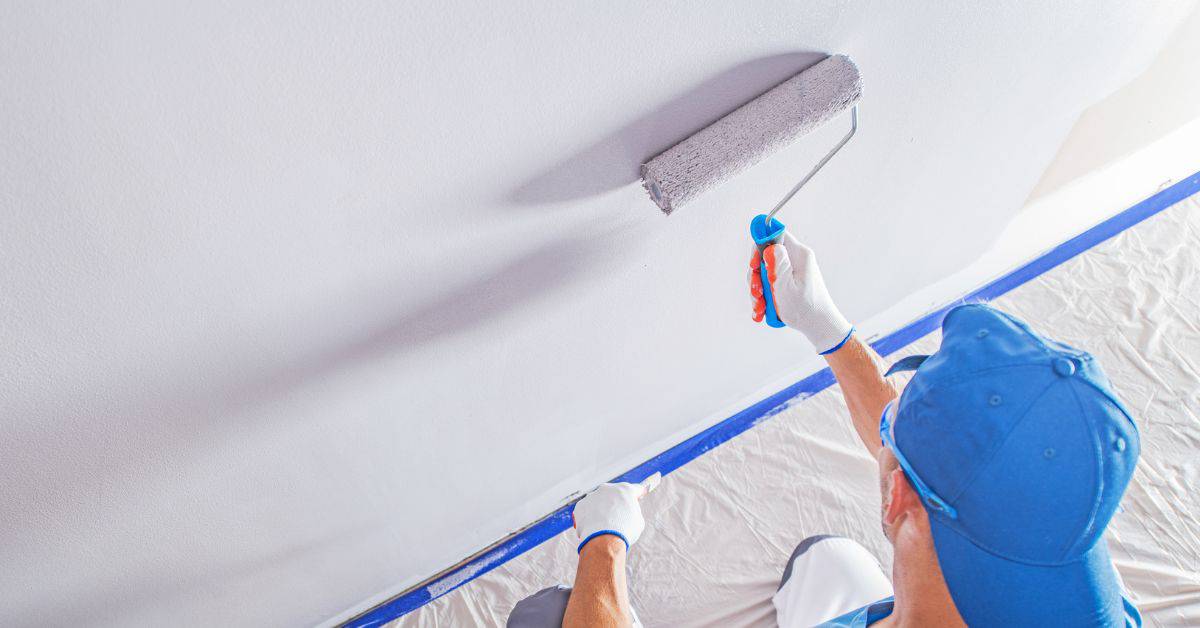
Start with a dry surface and use proper loading technique for your tool. For brushes, use long, even strokes with a consistent angle. For rollers, apply in a crisscross pattern to push glaze into the surface.
Maintain a wet edge and avoid overworking the finish. Apply multiple light coats rather than one heavy coat to reduce sag and uneven texture. If you plan to spray, follow safe setup and masking practices as described by the equipment manufacturer.
Step-by-Step Process
This section walks you through the practical steps of painting, from preparation to finish.
- Preparation: Check your surface is clean, dry, and free of any defects. Safety first – ensure proper ventilation and use appropriate safety gear.
- Tape off areas: Use painter’s tape to protect edges and areas you don’t want painted.
- Main application: Start with the edges using a brush, then fill in the center with a roller or sprayer. Maintain a ‘wet edge’ to avoid visible lines.
- Let it dry: Follow manufacturer’s guidelines for drying times between coats. Don’t rush this step.
- Final checks and cleanup: Inspect your work, touch up any missed spots, then remove tape while paint is still wet. Clean brushes and rollers immediately.
Layering, recoat windows, and “stop rules”
Timing is key in painting. Here’s how to layer correctly and when to stop.
Between coats, allow paint to dry completely. This could take anywhere from 4 to 24 hours, depending on humidity and temperature. Test tackiness with a light touch – if it’s still sticky, wait longer.
Don’t recoat in high humidity or when temperatures are spiking. Paint won’t adhere properly and may peel or crack. If you see runs or drips, stop immediately and sand lightly before repainting.
Common defects and on-the-spot fixes
Here are some common painting issues and how to fix them right away.
Runs or drips: Stop painting immediately. Lightly sand the area with fine-grit sandpaper, wipe off dust, then spot-touch with a small amount of paint.
Orange peel: This happens when paint dries too quickly. Sand lightly, wipe off dust, and apply a thin second coat. Brush marks: Use a roller or sprayer for the next coat to even out strokes. Dust nibs: Wipe surface clean before painting again.
Finishing and Topcoat Selection
Understand that finish choices affect appearance and durability. Clear coats, varnishes, and polyurethanes each behave differently under UV exposure and wear. Match the topcoat to the substrate, use-case, and desired sheen as a guide.
Consider how sheen level alters visual perception and maintenance needs. Apply topcoats per label directions, including recoat times and ventilation requirements. If in doubt, verify compatibility between primer, stain, and topcoat with product instructions.
Application and curing of topcoats
Topcoats are the final layer that seals your paint job, providing protection and enhancing durability. Apply topcoats using a smooth, even stroke with a high-quality brush or roller. Aim for a recommended film thickness of 2-4 mils (dry).
Stop rule: Allow topcoats to cure completely before handling. For most products, this takes around 30 days for full curing and tack-free status.
Follow the manufacturer’s guidelines for application temperatures and humidity levels. Keep your workspace well-ventilated during application and drying.
Maintaining the finished surface
Regular cleaning keeps your finish looking fresh. Use a soft, damp cloth with mild soap for routine dust removal. Avoid abrasive cleaners or scrubbing pads.
Scratch repair: Lightly sand out minor scratches using fine-grit sandpaper (600-800 grit), then touch up with matching paint and topcoat.
Refinish your surface every 5-7 years, or sooner if it’s exposed to heavy traffic or harsh weather conditions. Regular maintenance extends the life of your finish and keeps it looking great.
Environment, Safety, and Quality Control
Set up with proper ventilation and controlled temperature if possible. Avoid painting in extreme humidity or temperature conditions as listed by the product instructions. Keep the work area tidy to reduce accidental spills or trips.
Wear appropriate PPE such as gloves and eye protection. Handle and dispose of materials following local regulations and the product label. Inspect the project frequently for uniform coverage and adhesion duri