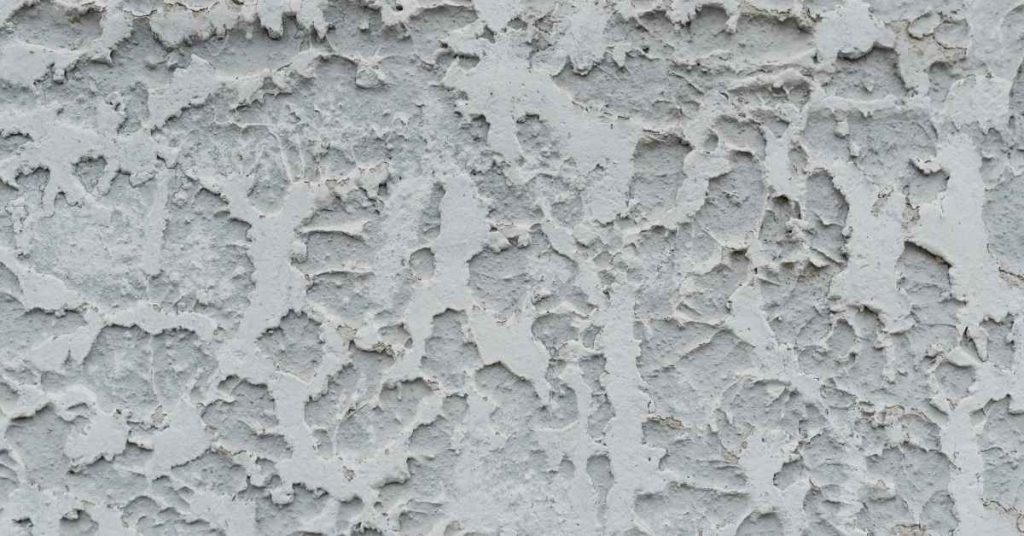
Close-up of rough textured gray stucco wall surface

How to Identify EIFS vs Hard-Coat Stucco: Simple On-Wall Tests

Introduction

EIFS is an exterior insulation system with a foam board base and a thin textured finish, while hard-coat stucco is a cement-based, multi-layered plaster bonded to masonry or a lath substrate. In plain jobsite terms: EIFS feels lighter and can have a separation behind the finish, whereas hard-coat stucco is rigid and is trowel-applied over lath or masonry.

Walk up and do simple on‑wall checks: press at a discreet spot to test for give, look for visible joints or insulation board edges, and check for crack patterns and how water stains appear; each tells a different story. If you spot soft spots, delamination, rusting lath, or continuous cracks, stop and check product labels, manufacturer instructions, or local building rules before deciding next steps.

Key takeaways

  • What’s The Difference Between EIFS and Traditional Stucco? (2/4 competitors) clarified here.
  • Visual cues: EIFS joints mimic panels; hard-coat shows continuous, textured plaster.
  • Test safely: avoid drilled holes near electrical, water lines; note signs before testing.
  • Moisture signs: bubbling paint, staining, or debonding indicate moisture issues.
  • Maintenance path: EIFS repairs focus on sealing joints; stucco patches require cement.
  • Call a pro when enclosure breaches or recurring moisture problems persist beyond DIY checks.
Table of Contents

Quick Definitions: EIFS Vs Hard-Coat Stucco

EIFS is an exterior insulation and finish system made of foam insulation board covered by a reinforced base coat and a textured or smooth finish; hard-coat stucco is a cementitious finish applied in multiple coats over a masonry substrate or metal lath. Knowing which system you have matters because they manage moisture differently and require different repair methods.

On the wall, key components to look for are the exterior finish layer, whether there is insulation or a rigid substrate behind it, and any metal lath presence or absence. Check visible foam edges, soft or flexible-sounding finishes, drainage or weep details for EIFS, and look for rigid, sand-textured cement and lath lines for traditional stucco; verify uncertain specs by reading product labels or manufacturer instructions when available.

What is EIFS?

EIFS stands for Exterior Insulation and Finish System. It’s a synthetic exterior wall cladding system that provides insulation, water resistance, and an attractive finish.

An EIFS system consists of four main components:

  • Foam Insulation Board: This is the core of the system, providing R-value (insulation) to your walls. It’s usually made from expanded polystyrene or extruded polystyrene foam.
  • Adhesive/Basecoat: This is a thick, reinforced cement-based mixture that adheres the foam board to the substrate and provides a key for the finish coat.
  • Mesh Reinforcement: A fiberglass mesh embedded in the basecoat to strengthen it and prevent cracking.
  • Synthetic Finish: The final layer, usually applied with a spray or trowel, gives EIFS its textured or smooth appearance. It’s typically made from acrylic or silicone-based materials.

What is hard-coat (traditional) stucco?

Hard-coat stucco, also known as traditional or cementitious stucco, is a three-coat plaster system applied over a masonry or metal lath substrate.

The three coats are:

  • Scratch Coat: The first layer, applied directly to the substrate. It’s called ‘scratch’ because it’s scratched with a comb to improve adhesion of the next coat.
  • Brown Coat: The middle layer, which provides most of the wall thickness and insulation value.
  • Finish Coat: The final layer, which gives stucco its rigid texture and color. It’s usually made from cement, sand, and water with added pigments.

Material differences that matter for inspection

Before you start inspecting, understand that EIFS and hard-coat stucco have different materials and designs. This affects what you’ll see on the wall and how they fail.

  • Foam vs Cementitious Base: EIFS has a foam base, while stucco has a cement-based one. Foam can degrade over time if not properly protected from moisture.
  • Lath Presence: Stucco uses metal lath for support, while EIFS doesn’t. This means stucco is more rigid but also more prone to cracking.
  • Drainage vs Barrier Design: EIFS is designed to drain water out, while traditional stucco is a barrier system that relies on its thickness to prevent water intrusion.
  • Visible Foam Edges: In EIFS, you might see foam edges at corners or around windows. This is normal and indicates an EIFS system.
  • Soft/Flexible Finish: EIFS finishes are usually soft or flexible to the touch. Stucco feels rigid.
  • Joint Detailing: Look for expansion joints in stucco, which help prevent cracking. In EIFS, you might see drainage channels at the bottom of walls.
  • Base Flashings: Both systems should have proper flashings at the base to prevent water intrusion. Check that they’re intact and properly installed.
  • Caulking Around Penetrations: Both systems need caulking around openings like windows and doors to seal against water intrusion. Check for gaps or cracks in the caulk.

Quick rule: If you’re unsure, look for foam-backed edges at corners – that’s a big clue it’s EIFS.

Back to top ↑

Visual Differences and Quick Appearance Check

Start by scanning texture and finish: EIFS often looks smoother or more synthetic while hard-coat stucco has a grainy, cementitious texture with visible sand or aggregate. Look closely at seams and terminations—EIFS usually has cleaner panel-like edges and specific edge detail around openings, whereas hard-coat shows control joints, corner beads, and built-up returns.

Note thickness cues at corners, window returns, and moldings; EIFS assemblies are often thinner overall with foam backing, while hard-coat builds up thicker layers. Inspect flashing and penetrations for metal lath patterns or expansions, and observe staining, efflorescence, or powdery areas—these clues help indicate moisture paths and system type, but confirm any doubt with product documentation or a pro.

Surface texture and finish patterns

EIFS and hard-coat stucco have distinct surface textures that can help you identify them at a glance. EIFS, or Exterior Insulation and Finish Systems, often has a smooth, synthetic appearance due to its acrylic-based finish. It’s designed to mimic the look of traditional stucco but feels more uniform and less grainy.

Hard-coat stucco, on the other hand, has a more natural, cementitious feel with pronounced sand or rock aggregates. This is because it’s made from a mix of cement, sand, and water, often with added aggregates for texture. The surface should have a consistent, slightly rough texture.

EIFS surfaces are usually painted, while traditional stucco may be left in its natural gray color or painted. Either way, the texture gives it away – EIFS is smoother, while hard-coat stucco has a more pronounced grain.

Edges, reveals, and trim details

Look closely at the edges of your wall where it meets windows, doors, and the roof. These areas can provide clues about the type of stucco system used.

EIFS often has foam edges around openings to help with insulation and expansion. You might see a slight reveal or gap between the edge of the opening and the EIFS surface. Hard-coat stucco, however, typically has a metal lath or wire mesh embedded in its surface for support. This can be seen as small dimples or impressions on the surface near edges.

Also, check for weep screeds – these are small grooves at the bottom of the wall that allow moisture to escape. EIFS may have foam weep screeds, while hard-coat stucco usually has metal ones.

Common telltale features (mesh lines, expansion joints)

Both EIFS and hard-coat stucco have specific features that can help you identify them. One of the most obvious is the presence or absence of mesh lines.

Hard-coat stucco often has visible mesh lines from the metal lath or wire mesh embedded in its surface. These lines are usually evenly spaced and run vertically up the wall. EIFS, however, doesn’t typically have these lines as it’s applied over a foam base.

Expansion joints are another giveaway. Hard-coat stucco has control joints every 8 to 12 feet to allow for expansion and contraction with temperature changes. These appear as narrow grooves running horizontally across the wall. EIFS may have expansion joints, but they’re usually less pronounced and may not be visible unless you look closely.

Back to top ↑

Tools and Materials Checklist Before Testing

Prepare safe access and site setup first: a stable ladder, fall protection if needed, suitable weather, and permission to test or disturb finishes; be mindful of lead paint on older homes. Personal protective equipment should include safety glasses, gloves, and a dust mask or respirator if you expect dust or old coatings, and lay drop cloths to protect plants and interiors.

Gather non-destructive tools: a moisture meter (pin or pinless), flashlight, small putty knife or plastic scraper for gentle edge checks, and a camera or smartphone for pictures. Also bring a tape measure, masking tape for marking, notebook or tablet for notes, and plan where you will document wall locations and textures; if in doubt about testing limits or tool use, check product data sheets or consult a professional.

Non-destructive tools (magnifier, screwdriver, moisture meter)

Before you start testing, gather these simple yet essential tools to help you probe, scrape, and take moisture readings without damaging the surface.

  • Moisture meter: Check for excess moisture in the walls. Too much can indicate leaks or poor drainage. Skip this: Risk missing hidden moisture issues.
  • Magnifying glass: Inspect edges and small details up close. Helps spot thin cracks or mesh lines. Miss this: Might overlook early signs of deterioration.
  • Small screwdriver: Gently probe edges to check for hollow spots or softness. Avoid using: A flathead screwdriver can scratch the surface if not used carefully.
  • Plastic scraper/putty knife: Carefully scrape away minor coatings or debris for a closer look at the substrate. Be careful: Don’t dig too deep and damage the underlying material.

Quick rule: Always use tools gently to avoid damaging the surface.

Safety gear and ladder/staging tips

Your safety is paramount. Here’s what you need before climbing up to test your walls.

  • Ladder: Ensure it’s stable, tall enough, and in good condition. Ignore this: Risk falling or damaging the ladder.
  • Safety glasses: Protect your eyes from debris or paint chips. Forget these: Could lead to eye injuries.
  • Gloves: Shield your hands while climbing and testing. Don’t wear: Gloves that are too thick, which might impair your grip.
  • Dust mask/respirator: Protect against dust or harmful particles. Skip this: Risk inhaling hazardous substances.
  • Footwear: Wear sturdy shoes with good grip to prevent slips. Wear inappropriate footwear: Increase the risk of falls.

Quick rule: Never take shortcuts when it comes to safety gear and ladder stability.

When to stop and call a professional

Some signs indicate that you should cease testing immediately and contact an expert. Here’s what to look out for:

  • Soft spots: If the wall feels soft or gives way under gentle pressure, there might be hidden damage. Ignore this: Risk further deterioration or collapse.
  • Visible mold: Mold growth indicates moisture and potential health hazards. Overlook this: Could lead to serious health issues.
  • Active leaks: Water dripping from the wall suggests a severe problem. Ignore this: Risk extensive water damage and costly repairs.
  • Cracking or crumbling: These signs point to structural issues that require professional assessment. Miss these: Could lead to further damage or safety hazards.

Quick rule: If you encounter any of these red flags, stop testing immediately and contact a professional.

Back to top ↑

Simple on-Wall Tests — Step-by-Step

Follow a least-to-most-intrusive workflow: start with visual inspection for texture, sheen, and backing clues—EIFS will often show a polymer finish over foam and possible drainage details, while hard-coat has a granular cement look with lath. Next, do gentle tactile checks: a light tap or thumbnail press can reveal a hollow or softer feel for EIFS versus a dense, brittle response for cementitious stucco.

Check joints, control joints, and drainage features—EIFS may include concealed drainage channels or weep details and different joint spacing than traditional stucco. Use a moisture meter at flashings, corners, and suspect patches and document every result with photos and notes; if readings or observations point to hidden water or uncertain construction, follow up with manufacturer instructions or a specialist for invasive testing.

Step-by-Step Process

Follow this clear, numbered sequence to perform simple on-wall tests safely and effectively.

  1. Prepare your workspace: Clear the area, wear safety gear, and use a ladder/staging if needed.
  2. Start with visual cues: Inspect texture, sheen, and backing indicators as mentioned earlier in the article.
  3. Perform surface probes: Gently tap or press the wall to hear sound differences and feel for surface firmness.
  4. Check expansion joints and drainage: Look for patterns, corner drops, and visible weep holes.
  5. Test for moisture: Use a moisture meter at suspected areas, look for staining, efflorescence, or soft/detached patches.
  6. Document findings: Take photos, make notes, and use the decision framework to plan next steps.
  7. Clean up: Put away tools, return workspace to normal, and store safety gear properly.
  8. Review results: Compare your findings with the expected results for EIFS vs hard-coat stucco and decide on next steps or when to consult an expert.

Visual probe and knock test (sound/firmness)

Perform this simple, non-destructive test to differentiate EIFS from hard-coat stucco by sound and firmness.

Gently tap the wall with your knuckles or a screwdriver handle. Listen for:

Hollow sounds indicating an EIFS system with foam insulation behind the finish. Dense sounds suggest hard-coat stucco applied over metal lath or wire mesh.

Press gently with your thumbnail to feel for surface firmness:

A flexible or slightly yielding surface is typical of EIFS, while a firm, dense feeling indicates hard-coat stucco.

Scratch/scrape test (surface composition)

Gently scrape the surface with a screwdriver or coin to reveal underlying layers and determine if it’s EIFS or hard-coat stucco.

Be careful not to damage the finish excessively. Look for:

A sandy, granular surface revealing cementitious material, indicating hard-coat stucco. Foam or a polymer-based finish exposed suggests an EIFS system.

If you encounter embedded fiberglass mesh or foam boards, it’s likely EIFS. If you see metal lath or wire mesh, it’s probably hard-coat stucco.

Edge/trim inspection and small corner probe

Inspect corners and behind trim to find clues about the wall system without causing extensive damage. Use this checklist when unsure about visible cues.

  • Check for foam boards: Look for edges or seams behind trim, indicating EIFS.
  • Inspect lath/mesh: Gently probe corners with a screwdriver to feel for metal lath or wire mesh, suggesting hard-coat stucco.
  • Look for flashing: Check corners and behind trim for water-resistive barrier or flashing tape, which may indicate EIFS or a well-detailed hard-coat system.
  • Find drainage gaps: Look for small gaps at corners or behind trim that could allow moisture to escape, suggesting EIFS with a drainage plane.
  • Avoid skipping this step: Missing clues here might lead to incorrect assumptions about the wall system.

Quick rule: If you find conflicting evidence, consult an expert or perform additional tests to make an informed decision.

Back to top ↑

Close up of beige stucco wall with decorative corner molding

Using a Moisture Meter and Other Diagnostic Tools

Understand tool purpose before testing: moisture meters measure moisture in the finish or near-surface substrate and thermal cameras detect temperature anomalies that often correlate with moisture. Choose the meter type that fits your task—pin meters read penetration at contact points and pinless meters scan surface levels; consult the meter manual for proper use and test locations like flashings, windows, and corners.

Take multiple readings across an area and record timestamps and positions to compare patterns rather than single spots; elevated readings suggest follow-up but don’t automatically identify cause. Use infrared scans on a calm day with steady temperature contrast, note limitations from wind or sun, and mark suspect zones for more invasive checks or professional moisture profiling if readings remain consistently high.

Moisture Meter Technique and Safe Thresholds

When using a moisture meter on your EIFS or traditional stucco walls, remember these key points:

Probe Placement: Test at flashings, corners, transitions, and above windows. These areas are prone to water intrusion.

Pin vs Pinless: Both work, but pinless meters are non-invasive and easier for DIY use. Calibrate before testing.

Reading Ranges: Concern starts at 15-20% for EIFS and 18-22% for traditional stucco. Take readings in multiple spots, averaging around 3-5 per area.

Infrared/Thermal Imaging Tips

Thermal cameras reveal subsurface moisture and insulation gaps. Here’s how to use one effectively:

Cool Spots & Irregularities: These indicate potential moisture or voids. Compare with adjacent areas for anomalies.

Timing Matters: Scan exteriors early morning or late evening for best contrast. Avoid direct sunlight and windy conditions.

Limitations: Coatings, emissivity differences, and weather can affect readings. Use as a supplement, not sole diagnosis.

When Invasive Testing is Justified (Core Samples)

Drilling core samples reveals the inner wall structure but should be done sparingly and by professionals:

What it Shows: Core samples reveal substrate condition, insulation presence, and moisture penetration deep within walls.

Why Pros Should Do It: Drilling can cause damage if not done right. Pros have the tools and experience to minimize risk and interpret results accurately.

Justification for Drilling: High moisture readings, visible signs of water intrusion, or suspected severe issues may warrant core sampling. Always document findings before drilling.

Back to top ↑

Safety Considerations and Limits of DIY Tests

DIY on-wall tests have clear safety and accuracy limits—working from ladders, probing finishes, or performing cuts can cause personal injury or unintended damage to the wall assembly. Wear appropriate PPE, avoid unsafe weather or unstable supports, and stop testing if conditions feel risky; if you suspect hazardous coatings, verify by checking labels or hiring a qualified sampler.

Do not pry aggressively or remove large sections of finish—probing can damage EIFS or stucco and trap moisture or reveal structural elements you should not expose. If you encounter mold, persistent moisture, extensive delamination, or uncertain structural issues, document findings and contact a licensed contractor or certified EIFS inspector to avoid health risks and improper repairs.

Personal safety and fall prevention

Safety’s your top priority. Don’t risk your life for a test.

Ladders: Inspect before use, ensure stability, and don’t overreach. A helper makes all the difference.

Footing: Test ground with a stomp. Unsteady? Use staging or wait for better conditions.

Weather: Avoid testing in rain, snow, or high winds. Wait for clear, dry days.

Structural and contamination risks

Probing can cause more harm than good. Be cautious.

Weather barriers: Breaching them lets moisture in, leading to rot or mold.

Mold and mildew: Disturbing hidden growths releases spores into the air. Wear a mask if you suspect mold.

Hazardous materials: Older finishes may contain lead paint or asbestos. If you find any, stop testing immediately and call a professional.

Legal/repair responsibility and documentation

DIY probes can void warranties or contracts. Know your limits.

Warranties: Check terms before testing. Probing may invalidate coverage.

Documentation: Photograph tests, note results. This protects you and aids professionals if hired later.

Repair responsibility: If you cause damage while testing, repairs are your responsibility. Be sure before proceeding.

Back to top ↑

Common Identification Mistakes and How to Avoid Them

Misidentification often happens when paint or overlays mask the original finish; painted EIFS can mimic hard-coat stucco and vice versa. Verify by checking edge details at windows and doors, probing a small inconspicuous spot gently, and looking for insulation board seams or foam edges that indicate EIFS.

Watch for partial systems where only sections use EIFS or a patch was applied—these transitions are frequent at additions or repairs and can confuse a visual read. Use a systematic approach: observe, inspect edges and joints, document with photos, compare findings to manufacturer or building records when available, and call a professional if doubt persists.

False positives from painted or patched surfaces

Paint and skim coats can disguise the true nature of a wall’s finish. Don’t be fooled by smooth, uniform surfaces. Here’s how to expose the truth:

Scrape test: Gently scrape a small, hidden area with a coin or utility knife. If it reveals a textured surface underneath, you might have EIFS.

Probe test: Use a screwdriver to probe the wall in an inconspicuous spot. A hollow sound and resistance indicate EIFS insulation board, not solid stucco.

Misreading seams, trim, and flashing

Control joints, corner beads, and flashing can confuse homeowners. Here’s how to check them correctly:

Seams: Look for expansion joint tape or insulation board seams. These are telltale signs of EIFS. If you see fiberglass mesh or wide, random cracks, it’s likely traditional stucco.

Trim and flashing: Check corners and around openings. EIFS should have corner beads and continuous flashing. If you find damaged or missing components, it might indicate a patchwork repair with different materials.

Checklist for confirming your results

Before making decisions, use this checklist to increase confidence in your findings:

  • Visual inspection: Look for texture, seams, and accessories.
  • Knock test: Listen for hollowness. Solid = stucco; hollow = EIFS.
  • Scrape test: Reveal the substrate’s true nature.
  • Probe test: Feel resistance and listen for sound.
  • Moisture meter: Check for moisture buildup (EIFS can hide it).
  • Edge details: Inspect corners, penetrations, and reveals.
  • Expansion joints: Look for EIFS-specific components.
  • Compare with plans: If available, compare your findings with original plans or manufacturer signs.
  • Consult a pro: If doubts remain, seek expert advice.

Quick rule: The more tests you pass, the higher your confidence should be. But remember, no test is foolproof; always consider multiple pieces of evidence.

Back to top ↑

Next Steps: Maintenance, Cost Implications, and When to Call a Professional

Basic maintenance differs by system—keep sealants and flashing in good condition, inspect expansion joints, and repair damage promptly to prevent water entry. Misidentifying the system can lead to inappropriate repairs, so gather installation dates, prior repairs, and photos before acting and verify product details when possible.

Schedule a professional inspection if you find moisture intrusion, delamination, persistent staining, or widespread cracking; bring your notes, photos, and any moisture or thermal readings. A contractor can confirm the system type, recommend remediation, and advise on expected costs and scope; when in doubt about warranties or code implications, have the pro document findings in writing.

Typical maintenance and repair differences

EIFS and hard-coat stucco have different upkeep needs. EIFS, being a synthetic finish, requires periodic sealant application to prevent water intrusion. Finish repairs are straightforward but must match the existing texture.

Hard-coat stucco, on the other hand, is more forgiving with minor cracks but needs timely repair to prevent moisture entry. Re-lathing may be required for extensive damage.

Regularly inspect both systems for signs of delamination or cracking. Address minor issues promptly to avoid costly repairs.

Cost considerations and what to check with contractors

Before hiring, understand factors driving repair costs: extent of moisture damage, access challenges, system type. Use this checklist to ensure thorough estimates.

  • Moisture assessment: Ask for a detailed report on moisture intrusion findings.
  • System verification: Confirm they’ve identified the correct system (EIFS vs stucco).
  • Access needs: Check if scaffolding or lifts are required, adding to costs.
  • Material choices: Inquire about material options and their impact on cost.
  • Warranty: Ask about warranties covering labor and materials.
  • Permits: Check if permits are included in the estimate.
  • Timeline: Discuss project duration and potential delays.
  • Contingency: Ensure a contingency plan is in place for unexpected issues.

Quick rule: Never choose a contractor based solely on price. Consider their assessment, proposed solutions, and reputation.

What to tell the inspector: photos and test results to collect

Before calling a professional, gather relevant information to aid their inspection. Photos document visible damage, while test results provide insights into hidden issues.

Photos: Snap pictures of cracks, efflorescence, stains, and any other visible signs of damage. Include before-and-after shots if prior repairs were made.

Test results: Share moisture readings from your DIY tests using a moisture meter or infrared camera. Note suspect locations where readings were high. If you’ve conducted invasive testing like core samples, provide those findings as well.

Back to top ↑

Conclusion

What you do next matters for safety, long‑term durability, and the look of your exterior. Start small, document what you find, and don’t push past your comfort zone when the wall shows signs of moisture or damage.

Begin with a simple, practical check: identify any surface texture clues, then test a hidden or inconspicuous spot first, wipe away dust, and use a moisture meter or other diagnostic tools only as the sections described. Move in a logical order from visual checks to moisture assessment, then interpret the readings against the known risks of EIFS versus hard‑coat stucco. If anything looks flaky, soft, or damp, pause and re‑check in a new area before touching or chipping at the substrate.

Common mistakes to avoid are guessing based on color or texture alone, over‑testing without protecting nearby areas, and pushing a probe past the surface into structure or insulation. Always keep safety gear on, work in daylight, and test small areas first before any broader work. If you encounter unexpected moisture, signs of delamination, or uncertain readings, slow down and re‑evaluate rather than forcing a repair.

If readings are high, or the wall shows sustained moisture, or you’re unsure about what you’re seeing, call a professional. A pro can verify the system, diagnose hidden damage, and prevent costly mistakes. With careful testing and prudent decisions, you’ll keep your exterior looking good and performing well for years to come.

Back to top ↑

FAQ

What is the simplest way to tell EIFS from hard-coat stucco on an exterior wall?

Look at the surface texture and edges. EIFS often has a smooth, synthetic finish with a thin relief edge, while hard-coat stucco tends to be a thicker, masonry-like layer with a more visible substrate edge. Check for a visible gap where the wall meets trim or windows—the type of edge can give you a clue.

What on-wall tests should DIY homeowners safely perform to identify the system?

Start with a surface inspection: check for a carpet-like or foam backing in any damaged area from a loose or bubbled finish. Tap the wall in several spots; a hollow sound can indicate underlying foam or voids, common in EIFS. If you can access the wall behind a small damaged area, peek at the substrate and the barrier materials mentioned on the label or instructions.

What signs indicate problems in EIFS or hard-coat stucco?

For EIFS, look for bubbling, staining, or soft spots that suggest moisture behind the finish. For hard-coat stucco, check for large cracks that keep widening, efflorescence, or freeze-thaw damage. In either system, persistent moisture stains near flashing or penetrations are a red flag.

How should I maintain either system and when should I call a pro?

Keep surfaces clean and seal around joints, penetrations, and flashings as recommended by the manufacturer. Address damage early and dry out any moisture promptly. If you see repeated cracking, water intrusion, or large areas of delamination, call a pro to assess and repair per local guidelines and product instructions.

Back to top ↑

More about this topic