
Introduction
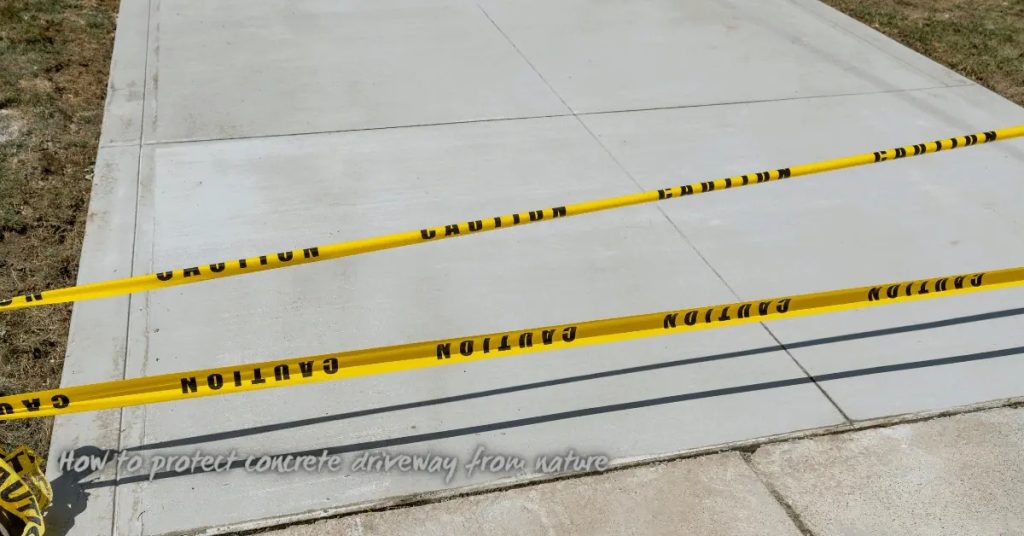
Creating a two-tone concrete border means masking and finishing a clean edge so two different surface colors or textures sit next to each other without bleeding. Start by preparing the concrete—clean, repair cracks, and make sure the surface is dry and compatible with whatever coloring method you plan to use. Pick tape made for concrete work and follow manufacturer instructions for adhesion and removal timing.
Make saw cuts where needed to create a straight edge and control where the color transition will sit, using a blade and depth that match your slab thickness—check blade and equipment instructions. After taping and coloring, remove tape carefully and address any adhesive residue with a recommended solvent or mechanical method; if unsure, test a small area and consult product labels or a pro. Seal the finished surface with a sealer appropriate for your finish and follow drying and application guidance on the product label.
Key takeaways
- Prepare concrete surface by cleaning, repairing damage, and degreasing before edging.
- Choose and apply tape with sharp edges to ensure clean boundary lines.
- Plan precise saw cuts along taped borders to separate colors without chipping.
- Remove adhesive residue from tape promptly to avoid skin contact and slips.
- Apply color treatments in stages, protecting adjacent areas and avoiding bleed.
- Seal entire border after curing per manufacturer guidance, inspecting for gaps or flash.
Table of Contents
- Introduction
- Key takeaways
- Project Planning and Design
- Tools, Materials, and Product Selection
- Preparing the Concrete Surface
- Accurate Layout and Applying Tape and Adhesives
- Saw Cutting to Separate Colors and Define the Border
- Applying Color Treatments and Two-Tone Finishes
- Sealing Strategy and Long-Term Durability
- Final Inspection, Common Mistakes, Safety, and Cost Considerations
- Conclusion
- FAQ
Project Planning and Design
Start by writing down what success looks like for this border so decisions later have a reference point. Specify where the border will go, whether it runs full or partial length, the intended light/dark contrast, approximate width and corner radii, the expected type of traffic, and current substrate condition.
Create a simple layout sketch and a work sequence to follow on site so lines, saw cuts, and transition points are planned before tools arrive. Establish milestones, mark realistic timing windows, and list contingencies for weather, access, or material delays to keep the job moving.
Site assessment and measurements
Before you start, inspect the existing slab. Check its condition, locate any existing joints and slopes. This helps avoid conflicts with control joints and drains later on.
Measure the area precisely. You’ll need these dimensions for your layout plan and to calculate material needs. Don’t forget to account for any curves or irregular shapes.
Mark out the border’s location using stakes and string lines. This gives you a clear visual guide while working.
Design choices and color/texture pairing
Choose complementary tones for your two-tone border. Light and dark contrasts work well, but you can also use similar shades with different textures.
Consider the intended traffic. For high-traffic areas like driveways or walkways, opt for durable, low-maintenance finishes.
Before committing, do small mockups or samples. This lets you preview the final look and make adjustments if needed.
Scheduling and weather considerations
Plan your project around suitable weather windows. Concrete needs warm, dry conditions to cure properly. Avoid pouring in extreme heat or cold, or when rain is expected.
Factor in cure times. Concrete takes time to gain strength. Most mixes need at least 28 days to reach their full potential.
Check local permit requirements if applicable. Some areas need permits for concrete work, especially for driveways or large projects.
Tools, Materials, and Product Selection
Make a checklist of categories you will need: tapes and release products, joint fillers and adhesives, sealers and color products, saw blades and cutting equipment, and PPE. For each item note the key compatibility items to verify on the product label or data sheet—surface prep, temperature and wind limits, cure requirements, and recommended substrates.
Separate temporary joint tapes from reinforced or permanent tapes, and decide when mechanical fasteners or formwork are a better choice than adhesives. For blades and safety gear, choose cutting media rated for concrete, select appropriate dust-control methods, and confirm respirator and eye/ear protection meet the task requirements.
Tape and adhesive options
For a two-tone concrete border, you’ll need tapes to create clean lines and adhesives to secure them. Here’s what to consider:
Joint Tapes: Polyethylene tape is standard for temporary joints. For more permanent borders, reinforced tapes with fiberglass or steel mesh can be used. Always check the manufacturer’s wind and temperature limits.
Adhesives: Construction adhesives are needed to secure the tape. Test adhesion on a small area first. Some tapes come with residue-removing products; use those if specified.
Saw blades, cutting equipment, and consumables
To make clean saw cuts, you’ll need the right blade and equipment. Here’s what to consider:
- Blade Type: Choose a diamond or carbide-tipped masonry blade for concrete. They’re designed to cut through aggregate without breaking.
- Saw Type: For small projects, a handheld circular saw will do. For larger jobs, consider renting a walk-behind saw. Prices range from $20-$50 per day.
- Cutting Depth and RPM: Follow your saw’s manufacturer recommendations for safe cutting depth and RPM limits to prevent blade damage.
- Blade Thickness: A 14-inch blade is standard. For deeper cuts, you might need a thicker blade.
- Safety Gear: Always wear safety glasses, ear protection, and a dust mask when cutting concrete.
Sealers and finish products
To protect your border and enhance its color, you’ll need to seal it. Here are the types of sealers:
Penetrating Sealers: These soak into the concrete, protecting it from within. They’re great for natural-looking finishes.
Film-Forming Sealers: These create a protective layer on top of the concrete. They’re good for high-traffic areas and can provide extra UV protection.
Color-Enhancing Finishes: These sealers also protect but enhance the color of your border. Be sure to check compatibility with any dyes or stains you’ve used.
Preparing the Concrete Surface
Clean the slab thoroughly: remove dirt, oil, sealers, and any loose laitance so tape and finishes can bond uniformly. Use the product label or manufacturer instructions to determine whether a degreaser, strip, or mechanical profiling is required for the materials you plan to use.
Repair cracks and spalls to create a consistent surface texture, and test moisture and porosity in representative areas before proceeding. Run small-area adhesion tests for tape, color treatments, and sealers and document results so you have acceptance criteria before full-scale application.
Cleaning and removing old coatings
Before you start, check if your concrete has any existing sealers, paints, or curing compounds. These need to go.
Mechanical removal works best for thick layers. Use a grinder with a diamond blade to scrape off the coating. Be careful not to damage the concrete surface.
For thin coatings and stains, use chemical strippers. Follow the manufacturer’s instructions carefully. Always do spot tests first to ensure it won’t damage your substrate.
Safety note: Wear appropriate PPE when handling chemicals and using power tools.
Repairing cracks and defects
Inspect your concrete for any cracks, spalls, or voids. These need to be repaired before you apply tape or color.
For small cracks, use a concrete crack filler. For larger areas, mix up some concrete repair mortar according to the package instructions. Apply with a trowel or putty knife, ensuring it’s level with the surrounding surface.
Let it cure for the time specified on the product label. Then, use a concrete primer to seal the repaired area and prepare it for tape adhesion.
Pro tip: Don’t rush curing. It’s crucial for the repair’s strength and longevity.
Moisture and surface condition checks
Concrete needs to be dry enough to accept tape, color, and sealers. Use a moisture meter to check. The reading should be below 4% for most products.
Also, check the surface alkalinity. High alkalinity can prevent stain adhesion. Most sealers and stains work best on surfaces with an alkalinity of 8 or less.
If your concrete is too moist or alkaline, you might need to condition it. Consult the product manufacturer’s guidelines for advice tailored to their specific products.
When in doubt: Contact the sealer or stain manufacturer. They can provide guidance based on their product’s specific needs.
Accurate Layout and Applying Tape and Adhesives
Lay out reference lines with a chalk line, laser, or straightedge and verify measurements at least twice before applying any tape. Align your layout to existing saw kerfs and control joints so the border sits cleanly against those features.
Pick a tape and adhesive approach that matches the sealer and color products you will use, and follow manufacturer directions for surface prep and working time. Apply tape smoothly, press edges firmly to prevent bleed, and plan how and when to remove tape to avoid residue or pulled edges.
Marking and snapping layout lines
Before you start cutting, you need to mark out your cuts accurately. Here’s how:
First, check your design plans. Make sure they’re up-to-date and reflect any changes. Then, use a straightedge and a pencil to draw layout lines on the slab. Start from a fixed point, like a corner or an existing wall.
To account for saw kerf width, mark your cuts at the right distance. For example, if you’re using a standard concrete saw with a 1/4″ blade, mark your cuts 1/4″ wider than your desired line. This way, when you cut, the slab will break along your intended line.
Applying joint tape and temporary covers
Once you’ve marked out your layout lines and checked base compaction, it’s time to apply joint tape and temporary covers. This step is crucial for preventing movement and color bleed during staining or overlay work.
Joint Tape: Start by unrolling the tape along the center of each control joint. Make sure to overlap the tape by at least 2 inches (5 cm) on both sides of the joint. This ensures a strong bond and prevents cracking. Use a straight edge or trowel to press the tape firmly into the concrete, removing any air pockets.
Temporary Covers: After applying the tape, cover each joint with a piece of temporary cover material, like plastic or foam. Make sure the covers are wide enough to extend at least 1 inch (2.5 cm) on both sides of the joint. Secure them in place using tape or staples. This step helps maintain consistent joint width and prevents staining.
Adhesives and residue management
Applying adhesives right is key to a strong bond. Check your adhesive’s label for the correct mix ratio and application temperature. Most need a warm, dry surface.
Never apply adhesives in cold or damp conditions. It won’t set properly and you’ll end up with weak joints. Use approved residue removers to clean up any spills immediately. They’re designed to break down the adhesive before it sets hard.
To protect adjacent surfaces from residue, use barrier films. Apply them before you start gluing. Once the job’s done, simply peel off the film and all residue comes with it. No scraping or harsh chemicals needed.
Saw Cutting to Separate Colors and Define the Border
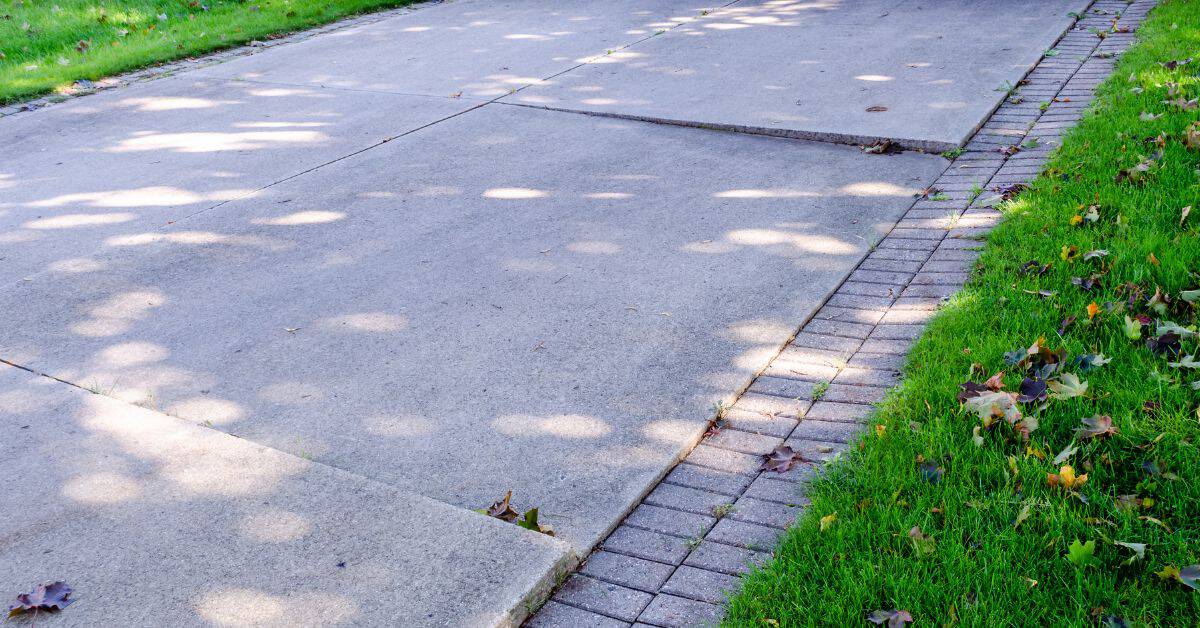
Plan each cut: decide start points, cut order, and target depth to separate the tones without causing chip-out. Review the saw and blade manufacturer’s operating guidelines and practice on a scrap area if possible to confirm settings and technique.
Protect adjacent areas with edging or backing to reduce chipping, and use appropriate dust control—wet cutting or a vacuum system—plus PPE for operators. After cutting, clean the kerf, inspect for micro-cracks, and address any edge damage before applying color or sealant.
Cut planning and depth control
Planning your cuts starts with deciding the reveal depth. A shallow reveal (1/4″ to 1/2″) works for subtle effects, while deeper cuts (1″ to 2″) create striking borders.
Confirm cut depths with your saw and blade manufacturer. Most diamond blades can handle 1-1/4″ to 2″ at a time without overheating or breaking.
Mark your cut lines clearly, using a straight edge for accuracy. Consider practicing on a scrap area first to get a feel for the depth and blade control needed.
Cutting technique and sequencing
Start your cuts from one end of the border, working towards the other. This helps maintain a consistent reveal depth and reduces chipping at the beginning of each cut.
Use a slow, steady pass for best results. Most saws recommend speeds around 50-150 FPM. Let the blade do the work; applying too much pressure can cause chipping.
For dust control, consider wet cutting if your site allows. It keeps dust down but may require additional drying time before applying tape or sealers. Always follow manufacturer guidelines for wet/dry use with your specific blade and saw.
Minimizing chipping and edge damage
Pre-scoring the cut line with a scribe or pencil can help reduce chipping. It gives the blade a starting point, making it less likely to grab and pull material.
Backing up your cuts with a piece of wood or metal against the uncut side can also prevent chipping. This provides support for the concrete as you cut, reducing the risk of spalling.
After cutting, use a chisel or router bit to clean up any rough edges. This ensures a sharp, even edge for applying tape and achieving a crisp color separation.
Applying Color Treatments and Two-Tone Finishes
Choose the color process that suits your substrate and contrast goals—stain, dye, overlay, or integral pigment—and consult product instructions for compatibility and timing. Mask carefully around the border lines using tapes and edge-sealing techniques that the product label approves to prevent bleed during application.
Run small test panels to confirm tone, absorption, and recoat windows and record the manufacturer-recommended pot-life and cure notes. Apply base and accent colors in a controlled sequence with the right tools for the material, and keep documentation so you can replicate the result across the entire project.
Stain and Dye Application Techniques
Apply stains and dyes using a brush, roller, or sprayer. Start with the edge of your tape line to avoid overlapping onto the wrong area.
Test patches: Before full application, test on a small, hidden area to ensure desired color and penetration. Adjust dwell time based on results.
For even coverage, work in manageable sections. Avoid overworking or leaving product sitting too long to prevent blotching or uneven penetration.
Overlays, Stamps, and Masking Strategies
Use overlays or stamps for textured contrast. Apply over the entire area first, then mask off saw reveals and taped lines to maintain crisp transitions.
Masking: Use high-quality tape and seal edges with a suitable sealer or primer to prevent bleed. Re-apply tape after each coat if necessary.
For stamps, apply the overlay material first, then press stamps into the wet surface. Remove stamps before material sets completely.
Correcting Color Bleed and Touch-ups
If you notice minor bleeding, clean up immediately using a damp cloth or sponge. If stain/dye has dried, lightly grind the area with a concrete grinder to remove excess.
For touch-ups, wait until the surface is completely dry and cured. Apply touch-up product in thin layers, matching the surrounding color as closely as possible.
Always test touch-up products on a small, hidden area first to ensure compatibility and match.
Sealing Strategy and Long-Term Durability
Match your sealer choice to the appearance and protection needs—compare penetrating versus film-forming and water- versus solvent-based options for UV, abrasion, and moisture resistance. Verify compatibility with the color system and any tape or joint materials by checking technical data sheets and surface-prep requirements.
Plan the number of coats, intercoat timing, and edge work near saw cuts and tape lines to avoid overlaps or blotching. Establish a maintenance and recoat plan based on exposure and traffic so the two-tone contrast and surface protection last as long as possible.
Choosing the right sealer
The first step to a successful sealing strategy is selecting the right product. Consider your border’s traffic, desired sheen, and color enhancement goals.
Penetrating sealers soak into the concrete, protecting it from within while allowing breathability. They’re great for low-traffic areas and offer a natural look with minimal sheen.
Film-forming sealers, on the other hand, sit on top of the surface, providing more robust protection against abrasion and moisture but may require periodic reapplication. They come in various sheens, from matte to glossy.
Ensure compatibility with your chosen stains or overlays by checking product labels or consulting manufacturers. Some sealers can alter the appearance of certain color treatments.
Application methods and curing
Sealer application can be done using a roller, sprayer, or even a paintbrush for small areas. Each method has its pros and cons:
Rolling is slower but allows for better control over the application process. It’s ideal for large, flat surfaces.
Spraying is faster but requires more skill to avoid overspray and ensure even coverage. It’s great for complex shapes or hard-to-reach areas.
Apply sealers in recommended environmental conditions – typically temperatures between 50°F and 90°F (10°C and 32°C) with low humidity. Follow manufacturer guidelines for surface preparation, application rates, and drying times. Verify cure times to ensure your border is ready for foot traffic or outdoor exposure.
Maintenance and re-sealing guidance
Regular maintenance is key to prolonging the life of your sealer and preserving your two-tone border’s appearance. Here’s a simple inspection and cleaning routine:
Inspect your border every few months for signs of wear, such as dullness, discoloration, or cracks. Use a mild detergent and water solution to clean any dirt or stains. Rinse thoroughly with clean water.
Re-sealing is typically needed every 2-5 years, depending on traffic, weather conditions, and the sealer type used. Look for signs like increased porosity, reduced sheen, or moisture damage to determine when it’s time to reapply.
To maintain your border’s two-tone contrast, avoid using harsh chemicals that could stain or yellow the concrete. If you notice any discoloration, address it promptly to prevent dulling of the two-tone effect.
Final Inspection, Common Mistakes, Safety, and Cost Considerations
Create a final checklist to inspect evenness of tape lines, clean saw cuts, consistent fill in joints, proper sealer coverage, and uniform color adhesion; use simple pass/fail criteria for each item. Note common problems—misaligned layout, chip-out, premature tape removal, over- or under-sealing, and color bleed—and include quick fixes or rework steps.
Confirm all safety measures for cutting and chemical use are in place: appropriate PPE, dust control, ventilation, and safe handling of solvents and sealers. For costs, break estimates into material categories, tools, blades, and labor, and consult local suppliers for current pricing and product availability when finalizing your budget.
Visual and performance checkpoints
Before you sign off on your two-tone border, use this checklist to ensure it’s up to snuff.
- Even tape lines: Check for any misaligned or wavy lines. Inconsistencies here will show up in the final product.
- Clean saw cuts: Ensure all cuts are smooth and even. Chips or rough edges can ruin the look.
- Consistent grout/caulk fill: Inspect for any gaps or voids. Incomplete filling can lead to water intrusion and damage.
- Proper sealing: Verify that the sealant is applied evenly and covers all edges and joints.
- Uniform color adhesion: Check for any spots where the color treatment didn’t take properly. This could be due to improper surface preparation or application.
- Repaired areas: Inspect any patched areas to ensure they blend in with the rest of the border.
- Edge profiles: Ensure all edges are uniform and smooth. Uneven edges can catch dirt and debris, making them harder to clean.
Quick rule: If it looks off, it probably is. Better to fix now than later.
Common mistakes and corrective actions
Here are some common pitfalls and how to avoid or fix them.
- Misaligned lines: If your lines aren’t straight, you’ll need to retape and recut. Take your time with the initial taping.
- Chipping: This usually happens during cutting if you go too deep or fast. Slow down and use a steady hand.
- Improper tape removal: If you remove the tape too early, color bleed can occur. Wait until the stain is fully dry before peeling off.
- Over- or under-sealing: Too much sealant can lead to drips and runs. Too little leaves areas unprotected. Practice your application technique.
- Color bleed: This happens when the color treatment seeps into unwanted areas. Reapply tape and touch up as needed.
- Uneven edge profiles: If edges are uneven, you’ll need to grind them down or build them up with a concrete mix.
Quick rule: Prevention is the best cure. Take your time and double-check your work.
Safety protocols and cost estimation tips
Safety first, then let’s talk money.
- PPE: Wear gloves, safety glasses, and a dust mask when cutting or handling chemicals.
- Ventilation: Ensure your workspace is well-ventilated to avoid inhaling harmful fumes.
- Dust control: Use wet cutting techniques to minimize dust. Sweep up any spills immediately.
- Lockout/tagout: Always turn off and lock out power tools when not in use or during maintenance.
- Safe handling of sealants and solvents: Follow manufacturer’s guidelines for storage, use, and disposal. Keep them away from heat sources and open flames.
- Neighbor/allergen considerations: Be mindful of neighbors with allergies or sensitivities to dust or chemicals. Communicate openly about your project.
- Material costs: Get quotes from local suppliers for concrete mix, tapes, sealants, and other materials. Prices can vary greatly by region.
- Tool rentals: Estimate the cost of any tools you’ll need to rent. Some suppliers offer package deals.
- Labor costs: If hiring help, get quotes from local contractors or laborers. Be clear about what tasks you need assistance with.
Quick rule: Safety first, then budget wisely. Don’t skimp on safety gear or quality materials.
Conclusion
Finish this project with a solid, durable border by staying methodical, testing small areas first, and sticking to the plan. Safety and proper sealing are what keep the two tones looking good and lasting.
With that in mind, follow this quick check: confirm the surface is prepared and clean, lay out the lines and tape with accurate measurements, perform the saw cuts cleanly without chipping, apply the color treatments in the recommended order, seal per product guidance, and finally inspect for full coverage and even color before use.
Avoid these common mistakes: rushing the layout or tape work, skipping surface prep, using the wrong tape or adhesives near cuts, or sealing too soon after applying color. Always wear eye and skin protection, test finishes in a small inconspicuous area, and let each product cure as directed to prevent peeling or staining. If the work area is cramped, the surface is very old, or you’re unsure about the color system, consider bringing in a pro to ensure precision and long-term durability. Stay steady, follow the plan, and you’ll get a clean, professional-looking border that holds up.
FAQ
How should I prepare the concrete surface before applying tape and starting the border?
Make sure the edge where the border will run is clean and dry. Remove dust, grease, and any old adhesive; a light etch or grinder isn’t always needed, but follow the surface prep guidance on your products.
What should I look for in tape to get clean two-tone lines?
Choose painter’s tape or marking tape that sticks well without curling. Look for a low-tack option for delicate finishes and a sharp edge, and always press the edges firmly to seal.
How do I make precise saw cuts without wrecking the surface?
Plan your cut line with a straight edge, set the saw depth to just slightly below the surface, and use a quality blade designed for concrete. Make slow, steady passes and avoid twisting or forcing the saw.
How do I remove adhesive residue after pulling the tape?
Wait until the tape is fully set, then peel slowly at a low angle. If residue remains, use a manufacturer-approved adhesive remover or a mild solvent, and wipe with clean rags—never scrub aggressively.
What should I consider when choosing colors for a two-tone border?
Pick colors that contrast enough to define the line, but complement the overall space. Test color samples on a small area or scrap to see how they look when dry, and check any colorfast or bleed warnings on the product label.