
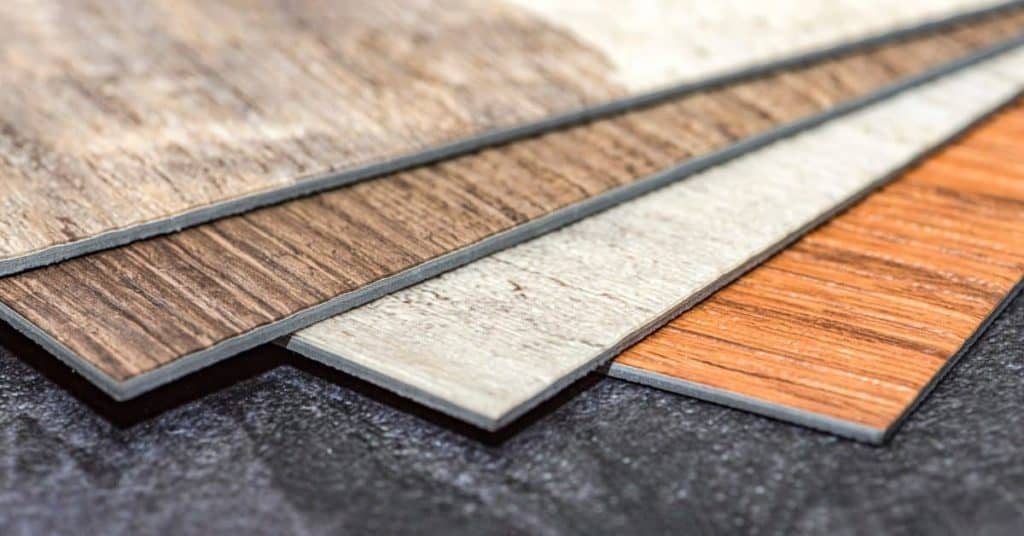
Introduction
Designing flooring that ends up regretted happens when durability, upkeep, and style don’t line up in a real room. This article gives plain, hands-on steps to troubleshoot and correct those choices. You’ll learn to spot red flags early and adjust plans before your project slips away.
If you already chose something risky, start by checking the manufacturer’s guidance on wear, cleaning, and finish care, then compare with your room’s traffic and moisture. For stone or high-polish floors, note that marble and other stone can chip or show scratches and require specialized maintenance, so verify sealers and warranties. Watch for mosaic seams and grout durability, and beware trendy finishes that look great at install but fade or scratch quickly—check samples and test in a small area.
Key takeaways
- Choosing stone like marble requires sealing schedule and ongoing maintenance realities.
- High-polish floors show scratches easily; consider matte finish for living areas.
- Mosaic and heavy grout lines trap dirt; prep easier cleaning pathways and grout seal.
- Trendy flooring fades quickly; plan for replacement or finish updates over time.
- Safety: ensure slips resistance and proper subfloor prep before any floor install.
- Troubleshooting: patch small issues early; some problems require full replacement.
Table of Contents
- Introduction
- Key takeaways
- Why Designers Regret Certain Flooring Choices
- Marble and Other Natural Stone — Why They Often Disappoint
- Glossy, High-Polish Floors — the Pitfalls of Showy Finishes
- Mosaic and Heavily Grouted Tile — Beauty Vs. Practicality
- Anything Too Trendy — the Risk of Fast-Fading Fashions
- Safety and Practicality Considerations Homeowners Overlook
- Common Selection Mistakes and How to Avoid Them
- Troubleshooting After Installation — Fixes, Patches, and When to Replace
- Conclusion
- FAQ
Why Designers Regret Certain Flooring Choices
Designers often flag floors that look impressive at first but demand heavy upkeep. The daily life cost shows up in sealing needs, frequent cleaning, and long‑term restoration bills. These realities influence comfort, budgets, and long‑term satisfaction.
Their cautions extend to durability and wear patterns across common materials, from scratches to fading and chipping in real rooms. They weigh safety, noise, and resale impact alongside initial price and appearance. This sets the stage for a practical trade‑off between glamour and practicality.
Maintenance and longevity pitfalls
Some flooring choices might look great at first, but their high-maintenance nature can lead to regrets down the line. Here are some mistakes to avoid:
- Porous stone (like travertine or limestone): They require regular sealing and can stain easily if not maintained properly.
- Specialty finishes (e.g., acid-stained concrete, hand-scraped hardwood): These unique looks need careful upkeep to prevent fading or wear patterns from becoming too apparent.
- Dark colors: They show every speck of dirt and can be challenging to clean thoroughly.
- High-gloss finishes: While they reflect light beautifully, they also highlight every scuff and scratch.
To avoid these pitfalls, consider materials that are naturally durable or require minimal maintenance. Regular cleaning and proper care will help extend the lifespan of your floors.
Practicality vs. aesthetics
Aesthetics are important, but they shouldn’t compromise functionality. Here are some common clashes between form and function:
Pets and kids: Dark colors, light fabrics, or delicate materials might look stunning in a showroom but can be disastrous with pets or children. Opt for durable, easy-to-clean options instead.
High traffic areas: While hardwood might seem like a great choice, it can scratch easily in high-traffic zones. Consider more durable alternatives like luxury vinyl plank or tile.
Always consider your lifestyle and needs when choosing flooring. A beautiful floor is no good if it’s constantly being damaged or is a hassle to maintain.
Cost and resale consequences
Expensive or ultra-trendy floors might seem like a great investment, but they can actually hurt your ROI and limit potential buyers. Here are some financial mistakes to avoid:
Overly expensive materials: While high-end materials can add value, they won’t necessarily recoup their full cost at resale. Stick with mid- to high-range options that appeal to a broad range of buyers.
Ultra-trendy designs: Trends come and go, and what’s hot today might be out of style tomorrow. Opt for timeless choices that will still look good years down the line.
Remember, the goal is to add value to your home, not just spend money on it. Choose floors that balance aesthetics, functionality, and long-term resale potential.
Marble and Other Natural Stone — Why They Often Disappoint
Natural stone draws attention with unique color and veining, but these advantages come with persistent downsides. High porosity makes staining more likely, and polishing isn’t a one‑and‑done finish. Homeowners often feel the burden of ongoing sealing and maintenance.
Acidity sensitivity, etched halos, and the risk of dulling or cloudy patches can undermine perceived value. Variations between slabs heighten mismatches and upkeep challenges. The result is a premium feel with frequent upkeep questions that many homeowners find burdensome.
Troubleshooting stains and etching
Marble’s porous nature makes it prone to staining. Here’s how to tackle common issues:
Stains: Clean spills immediately. For tougher stains, use a poultice made from baking soda and water. Apply, let sit, then vacuum off.
Etching: Acidic spills leave ‘etching’ halos on polished surfaces. For light etching, use a marble polishing kit. Severe cases may need professional restoration.
Maintenance schedule and realistic costs
Marble needs regular sealing to protect against moisture and stains. Here’s a maintenance checklist:
– Sealing: Every 1-2 years, apply a penetrative sealer following manufacturer’s instructions.
– Cleaning: Use neutral-pH cleaners. Avoid acidic or alkaline products.
Costs: Sealer: $30-$50 per bottle (covers 200-400 sq ft). Professional restoration: $100-$500 per sq ft.
Safer alternatives that mimic stone
For a similar look with less maintenance, consider these options:
– Porcelain tile: Dense, non-porous, and resistant to staining. Available in large formats for a seamless look.
– Engineered stone-look planks: Made from composite materials, they’re durable, stain-resistant, and mimic natural stone’s beauty.
Choose these alternatives when you want low-maintenance floors that still look like natural stone.
Glossy, High-Polish Floors — the Pitfalls of Showy Finishes
High‑polish surfaces catch the eye for drama, but they reveal every scuff and fingerprint. Scratches, swirl marks, and dulling become noticeable quickly in busy homes. Glare from lighting tests patience and comfort in daily use.
Maintenance cycles and potential for chemical damage add to the equation. Reglazing or refinishing can be costly and disruptive. Alternatives like matte or satin finishes can preserve elegance with less upkeep.
Reducing glare and slip risk
Glossy, high-polish floors can reflect light, causing glare that’s uncomfortable to the eyes. To mitigate this:
Opt for less reflective finishes. A satin or matte finish reduces glare without sacrificing elegance.
Slip risk is higher on smooth, polished surfaces. In wet or humid areas like bathrooms and kitchens, consider these fixes:
Textured topcoats add grip without compromising the look. Anti-slip treatments can be applied to existing floors. Strategic rug placement also helps absorb moisture.
Repairing scratches and dulling shine
High-polish surfaces show every scratch. Here’s how to tackle this:
For minor scratches, use a touch-up kit designed for your floor type. For deeper ones, you might need a professional.
Dulling is inevitable with foot traffic. To revive the shine:
Use a mild cleaner and soft cloth to remove dirt. For light dulling, buff the area with a polishing machine or by hand using a suitable polish. If the floor is severely dulled, it may need refinishing or even replacement.
Mosaic and Heavily Grouted Tile — Beauty Vs. Practicality
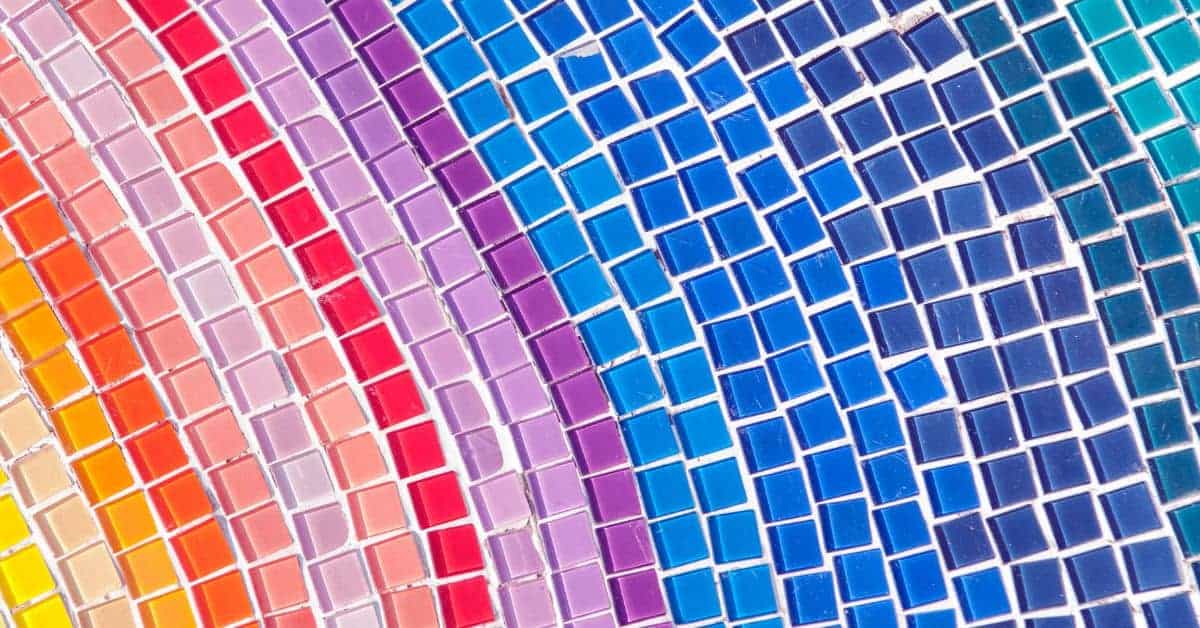
Mosaics captivate with intricate patterns, yet grout porosity and mold risk keep maintenance front and center. Stain susceptibility and frequent cleaning demands drive ongoing costs. In real rooms, the pattern can overshadow practicality in busy zones.
Labor costs rise with pattern density, tile size, and grout width, making repairs more complex. In moisture and high‑traffic areas, wear and grout breakdown can become persistent issues. Smart substitutions can deliver similar aesthetics with lower upkeep.
Cleaning and preventing grout failure
Mosaic tiles with heavily grouted patterns look stunning, but they demand constant care. Grout is porous, so it absorbs liquids and dirt, leading to discoloration and mold growth.
Regular cleaning is key. Use a soft-bristled brush or cloth with mild detergent and warm water. Avoid harsh chemicals that can damage grout.
Sealing helps prevent absorption. Apply grout sealer after installation, then every 2-3 years. If grout crumbles or turns black, it’s time for regrouting. This involves grinding out old grout and replacing it.
Epoxy grouts are more durable but harder to install. They’re worth considering in high-traffic areas or where moisture is a concern.
Design-smart placement and alternatives
Mosaics can overwhelm large spaces. Use them sparingly, like in accent walls or backsplashes. In high-traffic areas, consider larger-format tessellations that mimic mosaic patterns but have fewer grout lines.
Moisture-prone zones need special attention. In showers, use larger tiles with wider grout joints to minimize the risk of mold and mildew growth. Consider using epoxy grout, which is more resistant to moisture.
For low-maintenance alternatives, consider subway or metro tiles. They offer a similar look but have less grout per square foot. Or, opt for large-format porcelain slabs that mimic stone with minimal grout lines.
Remember, beauty and practicality should go hand in hand. Choose materials that fit your lifestyle and the demands of each space.
Anything Too Trendy — the Risk of Fast-Fading Fashions
Trendy floors push bold colors and textures, but fashion tends to fade. Buyers often worry about matching future remodels and furniture changes. The risk is a design that dates itself quickly.
A practical approach uses a timeless base with interchangeable accents. Consider durability and ease of coordination with common cabinetry and fixtures. This helps protect resale value while still allowing personal style tweaks.
How to future-proof your flooring choice
Choosing timeless over trendy doesn’t mean you can’t have style. Here’s how:
Neutrals are key. They’re the canvas for any color scheme. Go with classic wood tones, neutral stone looks, or durable modern laminates.
Mix in trends sparingly. One bold element paired with neutrals keeps your space fresh without dating it fast.
Use removable decor to test bolder looks. Area rugs, finishes, and accessories can be swapped out easily when you tire of a trend.
When to embrace a trend and when to avoid it
Embracing trends isn’t always a mistake, but knowing when to do so is crucial. Here are some rules of thumb:
- Avoid if budget’s tight. Trendy materials can be pricey. Stick with neutrals and add trendy touches later.
- Embrace if you plan to stay a while. If you’re in for the long haul, go ahead and indulge your trendy side.</