Introduction
Efflorescence is the white, powdery deposit that forms on brick or block when water brings soluble salts to the surface. This article explains simple removal methods that avoid making it worse. You’ll get practical, hands-on steps you can do yourself without fancy tools.
Start with the easiest, low-risk approach and test a small area first. Use a stiff brush to scrub away deposits, then rinse with clean water and let it dry. If stubborn, check the label for suitable cleaners and consider moisture control; if in doubt, follow manufacturer instructions and local guidelines.
Key takeaways
- Efflorescence is mineral salt deposits migrating to the surface of masonry.
- Diagnose by checking moisture sources before choosing removal methods.
- Use non-chemical methods first to minimize material damage.
- Protect occupied interiors with barriers; wear gloves and goggles, avoid introducing water.
- Test any poultice or cleaner on a hidden area first.
- Inspect mortar joints and historic masonry for scratches or loose mortar.
- Repair leaks and improve drainage to prevent future efflorescence recurrence.
Table of Contents
- Introduction
- Key takeaways
- What Efflorescence Is and How It Forms
- Diagnosing Severity and Identifying Root Causes
- Tools and Materials Checklist
- Non-Chemical Removal Methods (Lowest Risk First)
- Chemical and Poultice Methods Without Making It Worse
- Special Considerations for Mortar Joints and Historic Masonry
- Preventing Recurrence and Long-Term Fixes
- When to Call a Professional and Common DIY Mistakes to Avoid
- Conclusion
- FAQ
What Efflorescence Is and How It Forms
Efflorescence is a white or gray powdery look that appears on brick or block surfaces. It comes from soluble salts migrating out of masonry as moisture moves through the wall. The salts are carried by water and leave a crystalline residue as the water evaporates at the surface.
Common moisture pathways include rising ground water, surface water runoff, leaking gutters or cracks in the wall, and interior humidity driving water through porous masonry. Understanding where the moisture enters helps target the right fix without guessing from appearance alone.
Chemical process and moisture sources
Efflorescence is a chemical process that happens when salts dissolved in water migrate to the surface of masonry. This can happen through various moisture pathways.
Capillary rise: Water seeps up from the ground, carrying dissolved salts with it. This often occurs at the base of walls or where there’s poor drainage.
Leaks: Water intrusion from cracks, gaps, or damaged areas can also cause efflorescence. Check for signs of water damage around windows, doors, and joints.
Condensation: Moisture in the air can condense on cool surfaces, like basement walls or exterior walls in cold weather. This can lead to efflorescence if there are salts present in the masonry.
Differences between brick and concrete block
Brick and concrete block differ in their composition, affecting how they handle salt transport and cleaning.
Porosity: Brick is more porous than concrete block. This means it can absorb and release more moisture, making it more prone to efflorescence but also easier to clean.
Aggregate and cement content: Concrete block has a higher aggregate-to-cement ratio than brick. This makes it less permeable to water and salts, reducing the likelihood of efflorescence but making it harder to clean when it does occur.
Brick is also more sensitive to cleaning methods that use high pressure or harsh chemicals, which can damage its surface.
Visual checkpoints to confirm efflorescence
Before you start treating the problem, make sure it’s really efflorescence. Use this checklist to confirm.
- Appearance: Efflorescence appears as a white, powdery deposit on the surface of masonry. It may look like salt crystals or a white haze.
- Location: Check where it’s appearing. Efflorescence often shows up at the base of walls or in areas prone to moisture.
- Texture: Unlike mold, efflorescence is not slimy or fuzzy. It’s dry and powdery.
- Color: True efflorescence is white. Other colors could indicate different issues, like rust (orange) or algae (green).
- Removal: Efflorescence can be easily wiped off with a damp cloth. If it’s stubborn, try a mild acid like lemon juice or vinegar.
- Reappearance: If the problem keeps coming back after cleaning, it’s likely efflorescence. Something is causing moisture and salts to keep migrating to the surface.
- Paint bloom: Unlike efflorescence, paint bloom appears as a white film on painted surfaces. It’s caused by moisture trapped under the paint, not salts in the masonry.
- Lime scale: Lime scale is a white deposit that forms when calcium carbonate precipitates out of solution. It often appears on hard surfaces like tiles or metal, not masonry.
Quick rule: If you’re unsure, test a small area with a mild acid. If the deposit wipes off easily and doesn’t reappear quickly, it’s likely efflorescence.
Diagnosing Severity and Identifying Root Causes
Start by determining if the deposits are a one-time surface issue or a sign of ongoing water intrusion. Look for new salt lines after rains or rapid changes in humidity in the building. Check nearby joints, cracks, and flashing for signs of vulnerability.
Assess whether the moisture source is external, internal, or both. If the moisture keeps coming back after cleaning, focus on the root cause first rather than the symptoms. Verify guidance from product labels or manufacturer instructions when selecting cleaners or sealers.
Surface deposit versus active salt migration
First, understand that efflorescence can be either a one-time surface issue or an ongoing problem. Here’s how to tell the difference:
If salts are still migrating to the surface, you might see:
– New deposits forming over time.
– A white, powdery residue that easily rubs off.
To confirm, perform a simple test: wet a small area with water. If new efflorescence forms within 24 hours, salts are still migrating.
Small-area testing and what to watch for
Always test cleaning methods on a small, inconspicuous area before tackling the entire surface. Here’s why:
Some cleaners can damage bricks or blocks if left too long, or if they’re not rinsed thoroughly. Testing lets you see how your chosen method affects the material.
Watch for these short-term indicators:
– Discoloration: This could mean the cleaner is damaging the surface.
– Effervescence: Bubbling indicates a reaction with salts, which is good.
– Easy rinsing: If water beads up or doesn’t rinse off easily, there might be residue left behind.
When moisture source repair takes priority
Sometimes, cleaning efflorescence won’t solve the problem if water is still getting in. Here are scenarios where you should fix the moisture source first:
– If you find water damage or stains behind the bricks or blocks, this indicates ongoing water ingress.
– If your home has poor drainage around the foundation, or if gutters are damaged, water may be seeping in.
Also, check for issues inside your home:
– Are there any leaks or high humidity areas?
– Is your ventilation adequate?
Tools and Materials Checklist
Gather basic brushes, sturdy scrapers, and non-metal tools to avoid rust stains. Include containment options like tarps and trays to keep surfaces under control. Have protective gear such as gloves and eye protection ready for cleanup tasks.
Stock cleaning agents labeled for masonry and ensure you can read the instructions. Prepare water source and pails for rinsing. For larger jobs, plan for additional scrubbing tools and disposal means as needed per the manufacturer or local rules.
Safe cleaners and what to check on labels
Before you start, make sure your cleaner is suitable for brick or block. Here’s a checklist:
- Mild detergent: Gentle on masonry, won’t damage surface.
- Specialty efflorescence products: Check active ingredients, ensure no harsh chemicals.
- Poultice materials: Follow instructions for mixing and application time.
- pH level: Ensure it’s between 7-10 to avoid damaging masonry.
- Concentration: Dilute if necessary, follow manufacturer’s guidelines.
- Safety warnings: Check for ‘caution’, ‘warning’, or ‘danger’ symbols.
- Avoid cleaners with: High acidity (pH below 7), harsh abrasives, or unknown chemicals.
Quick rule: Always test a small area first to ensure no adverse reactions.
Brushes, sprayers, PPE and other equipment
Protect yourself and your masonry with the right tools. Here’s a checklist:
- Brush stiffness: Medium to soft bristles for brick, harder for block.
- Sprayer nozzle: Low-pressure, wide fan pattern to avoid damaging surface.
- Gloves: Rubber or nitrile gloves for chemical protection.
- Eye protection: Safety glasses or goggles to prevent chemical splash.
- Respirator: Optional, but useful if using strong chemicals or in enclosed spaces.
- Tarps or drop cloths: Contain cleaning solution and protect surrounding areas.
- Plastic scraper: For removing excess cleaner after application.
Quick rule: Always prioritize safety with proper PPE and containment.
What to avoid: tools and chemicals that cause harm
Steer clear of these to prevent damaging your masonry:
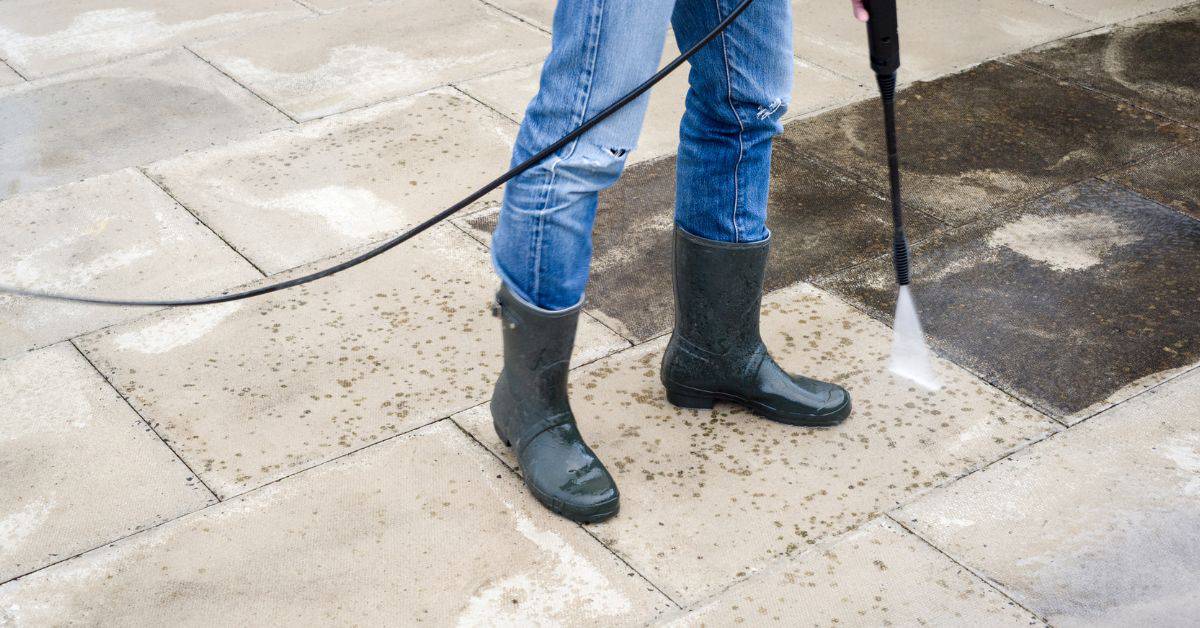
- High-pressure washing: Can erode surface, drive salts deeper.
- Aggressive abrasives: Sandblasting or harsh scrubbing can damage brick/block.
- Unknown concentrated acids: Etching masonry and driving salts in.
- Avoid cleaners with: High pH (above 10), strong oxidizers, or unknown chemicals.
- Never use: Wire brushes on brick, as they can scratch surface.
Quick rule: When in doubt, test a small area first to avoid irreversible damage.
Non-Chemical Removal Methods (Lowest Risk First)
Begin with dry brushing to lift loose efflorescence without introducing moisture. Use a soft broom or nylon brush and work with the grain of the masonry. Vacuum or sweep away the residue after brushing to keep the surface clean.
If using water, apply a light mist and avoid saturating the wall. Rinse with clean water and recheck before repeating any steps. Avoid aggressive pressure that can push salts deeper into the pores or damage the surface.
Dry brushing and vacuuming
Start by removing loose efflorescence with a stiff-bristled brush. Use gentle, long strokes to avoid damaging the surface.
Why dry? Removing salt while it’s dry prevents it from dissolving and being driven deeper into the masonry.
After brushing, use a vacuum or dustpan and broom to collect the loosened efflorescence. This step helps prevent re-deposition of salts onto the surface.
Low-pressure rinsing and controlled wetting
For more stubborn efflorescence, use a low-pressure water spray. A garden hose with a nozzle set to its lowest pressure setting works well.
Avoid saturating the masonry. Over-wetting can drive salts deeper into the pores and cause further damage.
Rinse in small sections, allowing each section to dry before moving on. This helps prevent reabsorption of salts back into the masonry.
Mechanical removal for heavy crusts
For very thick efflorescence deposits, you may need to use a soft grinding or scraping tool. A handheld grinder with a wire cup wheel can help remove heavy crusts.
Be gentle. Use light pressure and keep the tool moving to avoid damaging the masonry surface.
After mechanical removal, vacuum or brush off any remaining loose efflorescence. Then, rinse and allow the area to dry thoroughly.
Chemical and Poultice Methods Without Making It Worse
When choosing a chemical cleaner, verify it is appropriate for masonry and follow label directions. Apply according to the manufacturer’s instructions and protect adjacent areas from over-spray. Work in small sections to control exposure and rinse thoroughly.
Poultice methods can draw out embedded salts but require careful timing and removal. Use a poultice compatible with the substrate and avoid materials that could etch or leave residues. Always test first and check product data sheets for finish considerations.
Mild detergent and soap-based cleaners
For light efflorescence, start with mild detergents or soap-based cleaners. These are alkaline-free, making them safe for most masonry surfaces.
When to use: If the deposits are thin and white, these cleaners can dissolve surface deposits without damaging the masonry.
Mix a solution of warm water with mild detergent or soap. Apply it to the affected area using a soft-bristle brush or sprayer. Let it sit for 15-30 minutes, then scrub gently and rinse thoroughly.
Acid cleaners: safe use, limits, and testing
For heavier deposits, consider acid-based masonry cleaners. But remember, acids can be harsh. Always spot test first.
Safety first: Wear full PPE including gloves, goggles, and protective clothing. Ventilate the area well.
Follow label directions carefully. Never mix different acid cleaners together. After application, rinse thoroughly to prevent salt redeposition.
Test a small, hidden area first to ensure the cleaner doesn’t damage your masonry. If it etches or discolors the surface, don’t use it.
Poultices for embedded salts
A poultice is like a paste that draws out embedded salts. It’s best when salts are deep within the masonry.
Composition: Common ingredients include powdered clay, hydrated lime, or even baking soda mixed with water to form a thick paste.
Apply the poultice directly onto the affected area. Cover it with plastic sheeting to keep it moist and let it sit for 24-72 hours. Then remove the poultice, brush off any residue, and rinse thoroughly.
Poultices work slowly but effectively. They’re ideal when you need to extract salts gently without damaging the masonry.
Special Considerations for Mortar Joints and Historic Masonry
Mortar joints and historic masonry may react differently to cleaning due to composition and previous repairs. Avoid aggressive cleaning that can damage softer joints or historic textures. In some cases, protecting or repairing joints before cleaning is the prudent path.
Consider the potential impact on appearance and structural integrity when choosing methods. Verify any historic preservation guidelines or local rules that apply. When in doubt, consult the documentation for the mortar or brick type and follow expert recommendations.
Repointing and Mortar Repair Before Cleaning
Efflorescence often indicates underlying moisture issues. Failing mortar can let water in, exacerbating the problem.
Inspect your joints: Look for crumbling, missing, or cracked mortar. If you find any, it’s time to repoint or repair before cleaning.
Repointing seals out moisture, preventing further efflorescence and protecting your masonry. It also gives you a clean surface to work on, ensuring better cleaning results.
Preserving Historic Finishes and Patina
Historic masonry often has unique surfaces that should be preserved. Aggressive cleaning can strip away these finishes, leaving you with a surface that looks new but lacks character.
Test first: Before you start cleaning, test your chosen method on a small, hidden area to ensure it doesn’t damage the finish.
Use conservative approaches: Opt for mild cleaners and gentle methods. Work from the bottom up, using minimal pressure. If in doubt, consult a professional preservationist.
Matching Materials and Maintaining Breathability
Using compatible mortars and breathable treatments is crucial to prevent future efflorescence. The wrong materials can trap moisture, leading to recurring problems.
- Mortar: Match the existing mortar’s composition. Use a Type N or Type O mix for most brickwork. Avoid cement-based mortars, which can trap moisture.
- Sealers: Choose breathable sealers that allow moisture to escape. Silane/siloxane-based sealers are good choices.
- Avoid paint and thick coatings: These can trap moisture, leading to efflorescence and peeling.
- Weep holes: Ensure your masonry has weep holes at the base. These allow trapped moisture to escape.
- Drainage: Check your site’s drainage. Poor drainage can cause recurring efflorescence, no matter how well you seal or clean.
Preventing Recurrence and Long-Term Fixes
Address drainage issues around the wall to limit moisture that travels through masonry. Look for proper grading, downspouts, and flashing details that keep water away from the surface. Controlling interior humidity can also reduce driving forces for salts.
Consider sealing options only after the wall is dry and after assessing the risk of trapping moisture. Use products compatible with masonry and follow label instructions for application and reapplication intervals. Verify local code or manufacturer guidance when in doubt.
Controlling water entry and drainage
Efflorescence is a sign of excess moisture. To prevent it, you need to control where water enters your brick or block surfaces and ensure proper drainage.
Improve grading: Around your home’s foundation, the ground should slope away at least 6 inches over 10 feet. This prevents water from pooling and seeping into your walls.
Repair flashing: Flashing is the thin metal or plastic strips used to direct water away from vulnerable areas like windows, doors, and roof-wall junctions. If it’s damaged or missing, repair or replace it.
Seal gaps: Inspect your walls for any cracks or gaps where water could enter. Use a flexible sealant suitable for masonry to fill these voids and prevent moisture intrusion.
Sealers and breathable coatings—what to check
Before applying any sealer or coating, it’s crucial to understand their permeability. Breathable coatings allow moisture to escape, preventing efflorescence.
- Check product claims: Look for the term ‘vapor-permeable’ or ‘breathable’ on the label. This indicates the product allows water vapor to pass through.
- Check permeability rating: Some products list a perm rating, which measures their breathability. Aim for a rating of 5 or higher.
- Avoid impermeable sealers: These trap moisture within the wall, leading to efflorescence and potential damage.
- Check compatibility with existing finishes: Ensure the sealer won’t react negatively with any existing treatments on your masonry.
- Read reviews: See what others have experienced with the product. If it causes efflorescence issues, skip it.
- Test a small area first: Apply the sealer to an inconspicuous spot and monitor for any adverse reactions before committing to the entire surface.
- Follow manufacturer’s instructions: Proper application is key. Follow the guidelines closely to achieve the best results.
- Reapply as needed: Breathable coatings may need periodic reapplication, especially in high-traffic or exposed areas.
Quick rule: Always choose a breathable sealer and follow application instructions carefully to prevent trapping moisture and causing efflorescence.
Maintenance schedule and visual inspection points
A regular maintenance routine helps catch moisture problems early, preventing heavy efflorescence deposits. Here’s a simple inspection checklist:
- Spring and fall: Inspect your roof, flashing, and gutters for any damage or debris that could cause water to back up.
- After heavy rain: Check for water stains or damp spots on interior walls. These could indicate a leak.
- Annually: Inspect your foundation and exterior walls for cracks, gaps, or other signs of damage that could allow moisture intrusion.
- Every 2-3 years: Reapply breathable sealers to protect your masonry and maintain their permeability.
- Regularly: Remove any vegetation growing on or near your walls. Plants can trap moisture and encourage efflorescence.
- After snow melt: Inspect your walls for any signs of water damage, especially if you’ve had a heavy snowfall.
- Before winter: Ensure all exterior openings are properly sealed to prevent cold air from drawing moisture into your walls.
- During power outages: Check for any sump pump failures that could cause water backup in your basement or crawlspace.
Quick rule: Regular visual inspections and timely repairs will help keep efflorescence at bay, saving you time and money in the long run.
When to Call a Professional and Common DIY Mistakes to Avoid
If efflorescence recurs despite cleaning or if there are signs of leaks, consult a professional to diagnose moisture sources and assess structural risks. A pro can help with complex drainage, flashing, and masonry repairs. Do not ignore recurring moisture, as it can cause further damage over time.
Avoid over-cleaning, harsh acids, or sealing a wet wall. These mistakes can worsen damage or trap moisture. Check product instructions, local rules, and professional guidance when the DIY approach seems uncertain.
Signs you should hire a masonry specialist
Efflorescence can be a stubborn issue, but sometimes it’s more than just a cosmetic problem. Here are signs that indicate you need professional help:
Persistent Active Migration: If the white deposits keep reappearing despite your cleaning efforts, there might be an underlying moisture issue that requires expert diagnosis and repair.
Structural Deterioration: Cracking, crumbling, or other signs of structural damage could mean serious problems with your masonry. A specialist can assess the extent of the damage and recommend appropriate repairs.
Large Areas Requiring Repointing: If a significant portion of your masonry needs repointing, it’s best to hire a professional. They have the tools and experience to ensure the job is done right, preserving the integrity of your structure.
Common DIY errors that make efflorescence worse
While it’s great to tackle home improvement projects yourself, some methods can actually exacerbate efflorescence or cause damage. Here are common mistakes to avoid:
- Over-wetting: Too much water can drive the salts deeper into the masonry, making them harder to remove and potentially causing damage.
- High-pressure washing: High pressure can blast away surface material, leaving your masonry vulnerable to further damage and salt penetration.
- Using incompatible cleaners: Some cleaners can react with the salts or masonry materials, causing more harm than good. Always test cleaners first in a small, hidden area.
- Sealing without fixing moisture: Sealing your masonry before addressing the underlying moisture issue will only trap the problem inside, leading to recurring efflorescence and potential damage.
Remember, patience and careful planning are key when dealing with efflorescence. Take the time to understand the cause and choose the right method for removal to avoid making the problem worse.
What to expect from a professional quote
When hiring a masonry specialist, you should receive a detailed estimate outlining the work to be done. Here’s what to look for:
Diagnostic Work: The quote should include an assessment of your masonry’s condition and the cause of the efflorescence. This might involve testing and inspection.
Moisture Repairs: If moisture is the root cause, the estimate should detail any repairs needed to address water entry points or improve drainage.
Cleaning Method: The quote should specify the cleaning method they plan to use. This could include chemical cleaners, poultices, or other techniques discussed earlier in this article.
Repairs: If repointing or other repairs are necessary, these should be clearly outlined in the estimate. Also, ask for references and details about their method of work to ensure you’re hiring a reputable professional.
Conclusion
Efflorescence is a symptom you can fix without wrecking the brickwork, but you must work safely and methodically to protect durability and appearance. The right moves start with understanding moisture sources, choosing the lowest-risk methods first, and testing any approach on a small, inconspicuous area before committing.
Begin with a simple, practical checklist: identify the moisture path, confirm the area is dry before you start, gather the tools and non‑chemical methods first, try dry brushing or gentle washing if allowed, document what works and what doesn’t, then consider poultice or chemical options only if needed and only as directed. Always work in cool, dry conditions, rinse and let surfaces dry fully between steps, and recheck joints and openings for gaps that invite water in. After you treat, monitor for new salt deposits and address the source to prevent a repeat.
Avoid the usual traps: don’t scrub aggressively or heat-dry brick, don’t seal a damp wall, and don’t rely on one-size-fits-all products. Safety matters—test first, wear eye protection and gloves, and stop if you see fraying mortar or loose bricks. If the moisture source isn’t clear, or you’re dealing with historic masonry or compromised mortar joints, call in a pro sooner rather than later. Stay steady, follow the plan, and you’ll keep the brickwork solid and looking right. You’ve got this.
FAQ
Is efflorescence a one-and-done deal, or can it come back after I remove it?
Efflorescence can recur if the source of moisture isn’t fixed. After removal, fix water intrusion and improve drainage or ventilation to keep it from returning.
Should I seal the brick after I’m done removing it?
Sealing can help, but it’s not a cure. Make sure the wall is fully dry and source control is in place before sealing, and pick a breathable product if you plan to use mortar joints again.
Can I use household cleaners like vinegar, bleach, or baking soda to remove it?
Brighteners and acids can damage brick or mortar if used wrong. Read the product label and test in an inconspicuous spot first, and prefer non-chemical methods or manufacturer-approved poultices when possible.
What should I do about damp masonry that keeps producing moisture after removal?
Track down leaks, cracks, or poor flashing. Improve drainage and airflow, fix leaks, and re-evaluate exterior conditions before reapplying any treatment. If you’re unsure, check manufacturer guidance or local rules before proceeding.

