
Introduction
Crack isolation membranes are thin sheets or coatings that separate a flooring layer from the concrete to limit crack transfer. They’re installed between the slab and the finish, acting as a buffer rather than a full repair. On older slabs, you’ll need to verify compatibility and follow product instructions for best results.
What they can do: they help reduce the effect of some cracks and improve movement tolerance under tile or other floors. What they can’t do: they don’t fix severe damage, and installation may be limited by slab condition, moisture, or adhesive compatibility. Check the label and local rules, and test a small area if unsure about adhesion or movement compatibility.
Key takeaways
- Older slabs may flex and crack; membranes help but don’t fix structural movement.
- Verify substrate moisture and voids; perform tests per manufacturer instructions.
- Choose membranes compatible with tile adhesive and grout systems; read labels.
- Prep involves cleaning, removing loose materials, and patching dimples for adhesion.
- Follow installation order: primer, membrane, optional second coat, then tile setting.
- Safety: keep area dry, wear PPE, guard against trips and electrical hazards.
- Inspect for lippage, edge debonding, and exposed pores after cure.
Table of Contents
- Introduction
- Key takeaways
- Quick Overview: Purpose and Types of Crack Isolation Membranes
- What Crack Isolation Membranes Can Reliably Do on Older Concrete Slabs
- What Crack Isolation Membranes Cannot Do on Older Slabs
- Inspecting Older Slabs Before Choosing a Membrane
- Prep Work and Substrate Remediation for Successful Membrane Performance
- Choosing the Right Membrane and Materials for Older Slabs
- Installation Best Practices and Common Failure Modes to Avoid
- Testing and Verification After Installation
- Conclusion
- FAQ
Quick Overview: Purpose and Types of Crack Isolation Membranes
Crack isolation membranes are a layer placed between a substrate and finish to absorb movement and keep cracks from transferring to the tile. They come in several forms that suit different jobs. The main types are sheet membranes, liquid-applied systems, and fabric reinforced options.
The primary goal is to decouple the tile or finish from substrate movement, which helps reduce crack transfer and protect the surface finish. Common materials fall into these categories, each with its own method of installation and suitable applications.
How Crack Isolation Differs From Waterproofing And Crack Suppression
Crack isolation membranes, waterproofing membranes, and crack suppression membranes each serve different purposes. Let’s break it down:
Crack Isolation Membranes decouple your tile or finish from the substrate below. They allow movement in the slab without transferring cracks to your finish. This is crucial for older slabs with existing cracks.
Waterproofing Membranes, on the other hand, prevent water from passing through. They’re used in wet areas like showers and basements. While they can sometimes help with minor hairline cracks, their primary function is to keep water out.
Crack Suppression Membranes are designed to bridge small cracks and prevent them from growing wider. They don’t decouple the finish from the substrate like crack isolation membranes do. Use these when you want to control minor cracking but still need some flexibility in the slab.
Common Membrane Systems And Typical Warranties
Crack isolation membranes come in various types, each with its own warranty. Here are some common ones:
Sheet Membranes, like those made of polyethylene or polyolefin, typically come with warranties ranging from 10 to 25 years against visible crack transmission. They’re usually easy to install and can be walked on immediately.
Liquid-Applied Membranes, such as urethanes or acrylics, often carry similar warranties but may require a longer cure time before foot traffic. They provide excellent flexibility and adhesion.
Fabric-Reinforced Membranes, combining the benefits of sheet membranes with added strength from embedded fabric, usually come with warranties ranging from 15 to 30 years. They’re great for areas with heavy foot traffic or loads.
What Crack Isolation Membranes Can Reliably Do on Older Concrete Slabs
On older slabs, these membranes can help reduce the spread of small, non-structural shrinkage cracks. They can also allow thin-set tile installations over substrates that have minor movement. When installed correctly, they can contribute to a longer lasting finish by tolerating some substrate changes.
Be sure to verify the membrane’s limitations and recommended use with the manufacturer or local guidelines. Different products have different performance envelopes that matter for aging concrete.
Size and type of cracks membranes can bridge
Crack isolation membranes are designed to handle different types and sizes of cracks. Here’s what you need to know:
First, check the product label or manufacturer instructions to find out the approximate crack widths a membrane is designed to handle. This usually ranges from 1/8″ (3mm) to 1/4″ (6mm). Anything wider might require additional repair steps.
Now, let’s talk about the types of cracks:
- Hairline cracks: These are tiny, barely visible. Most membranes can handle these.
- Shrinkage cracks: These happen as concrete dries and shrinks. Membranes designed for older slabs should be able to bridge these.
- Structural cracks: These are wide, often caused by settling or structural issues. If you’ve got these, the slab needs proper repair before applying a membrane.
Remember, membranes aren’t magic. They won’t fix serious structural problems. So, always check your slab’s condition before starting any work.
Improving tile and finish performance vs. direct adhesion
Old concrete slabs can be tricky to tile due to their age and potential movement. Directly adhering thin-set mortar to these surfaces might seem like the easiest way, but it’s not always the smartest.
That’s where crack isolation membranes come in. These flexible sheets bridge minor cracks (check membrane specs for size) and absorb some of the slab’s movement. Here’s how they improve your tile job:
First off, they create a stable base for your thin-set mortar. Unlike old concrete, these membranes don’t shift or crack under thermal/humidity changes. That means better adhesion and less chance of tiles popping off.
Secondly, they help prevent moisture from wicking up into your new tile installation. This is crucial to stop mold growth and delamination (check local building codes for moisture barrier requirements).
Lastly, membranes add an extra layer of protection against future cracks. If the old slab moves again, the membrane will take some of that stress, keeping your tiles in place.
What Crack Isolation Membranes Cannot Do on Older Slabs
These membranes will not permanently fix structural movement or active cracks. They do not stop major deflection or severe substrate movement. They also cannot replace the need for slab repair where movement or damage is significant.
They do not substitute for proper waterproofing where it is required, and they rely on correct substrate conditions and installation. Always check the product label and installation instructions for limits before planning a project.
Active movement and structural cracks
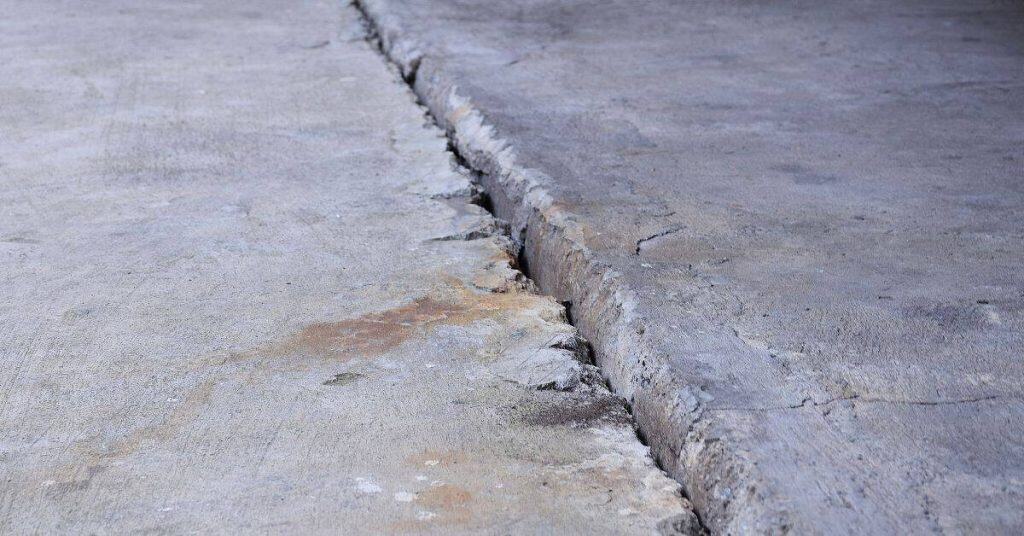
Crack isolation membranes aren’t magic. They can’t fix ongoing structural issues on your slab.
Signs of active movement? Cracks that keep widening, joints misaligned, or even noises from the slab itself. These are signs of serious problems beneath the surface – maybe settlement, maybe something worse.
Membranes won’t stop these issues. They can’t bear loads or fix structural problems. They’ll just cover up the symptoms, not cure the disease.
Substrate deterioration, delamination, and moisture-related failures
Membranes can’t fix everything. They won’t stick to a bad substrate.
Spalling concrete? Lose laitance? Severe moisture vapor drive? Non-load-bearing failures? These are serious issues that need fixing before you apply any membrane.
Moisture’s the enemy here. It weakens the slab, makes membranes peel off. You’ve got to fix these problems first, or your membrane job will be a waste of time and money.
Inspecting Older Slabs Before Choosing a Membrane
Start with crack mapping to understand pattern and extent. Check for moisture symptoms and test accordingly with accepted methods. Run a simple flatness check and tap the surface to listen for voids or delamination.
Note any existing coatings or finishes and review load history or traffic patterns. Red flags like widespread cracking, moisture, or damag e may require professional evaluation before choosing a membrane.
Moisture and vapor assessment
Before you pick a membrane, you gotta know what you’re up against. Here’s how to test for moisture and vapor in your old slab:
Relative Humidity Probes: Stick ’em into the slab at different spots, follow the manufacturer’s instructions. Acceptable range? Below 75% RH.
Calcium Chloride Test: Place a dish of CaCl2 on the slab, cover it, and check back after 60-72 hours. If there’s no condensation, you’re good. If not, recheck or consider an alternative test.
Always check product labels for recommended tests and acceptable ranges. Don’t guess, don’t wing it. You wanna avoid moisture-related issues later on.
Flatness, deflection, and load considerations
Before you slap on any membrane, check your slab’s flatness. It’s crucial for a successful tile job.
Tile installation flatness tolerances vary, but generally, aim for no more than 1/8″ in 10′ for ceramic and 3/16″ for vinyl. If you’re over these, consider leveling or consult a structural engineer if deflections are severe.
Check for deflection, too. Gently press on the slab; it should spring back. If it’s soft or stays down, there might be issues. Check base compaction and consider reinforcing if needed. Always follow local building codes and manufacturer recommendations.
Prep Work and Substrate Remediation for Successful Membrane Performance
Begin with thorough cleaning to remove oil, dust, and contaminants. Repair spalls and delamination, and fill large or open cracks as recommended. Ensure the surface is ready for bonding according to the membrane instructions.
Prime the substrate per the manufacturer’s directions and confirm compatibility with any primers used. Proper prep is essential for adhesion and performance over time.
Repair techniques for cracks and delaminated areas
Before applying a crack isolation membrane, fix any visible damage. Here’s how:
Structural cracks: These need attention from an engineer first. Once approved, use epoxy injection to fill them.
Delamination: Remove loose concrete using a chisel or grinder. Patch with a suitable repair mortar.
Spalls: Clean the area, apply a bonding agent, then patch with repair mortar.
Surface profile, cleaning, and priming best practices
Prepare your slab’s surface for membrane adhesion:
Profile the surface: You can mechanically abrade or chemically etch it. Both create a better bond.
Remove coatings/adhesives: Use a suitable stripper and scraper to clear the sur