
Introduction
Stucco wicking from concrete is moisture drawn from the concrete into the stucco layer. It happens when the concrete surface stays damp and porous, pulling water into the plaster as it dries. That moisture can cause staining, peeling, or long-term damage if not addressed.
To stop it at the transition, start with a dry, clean concrete base and fix any drainage or grading issues nearby. Install a proper weather barrier and flashing at the transition and follow the material instructions so you don’t trap moisture. Always check product labels, manufacturer guidelines, and local codes for acceptable methods and any humidity or curing limits.
Key takeaways
- Inspect transition joints for cracks, improper flashing, and moisture intrusion before repairs.
- Use compatible primer and bonding agents when sealing wicking-prone transitions.
- Clean and dry substrate thoroughly prior to applying new stucco at joints.
- Maintain proper drainage away from walls to reduce wicking risk.
- Wear eye protection and gloves when removing damaged stucco and re-sealing.
- Verify manufacturer instructions for mix ratios and curing times on site.
Table of Contents
- Introduction
- Key takeaways
- Understanding Stucco Wicking and Why Transitions Leak
- Diagnosing Moisture Movement: Inspection and Testing
- Materials and Components at the Transition
- Surface Preparation and Substrate Repair Before Stucco
- Proper Detailing to Stop Wicking at the Transition
- Installation Steps and Best Practices
- Retrofit Solutions for Existing Wicking Problems
- Maintenance, Monitoring, and Long-Term Prevention
- Conclusion
- FAQ
Understanding Stucco Wicking and Why Transitions Leak
Moisture moves through porous materials by wick action and capillary rise. The path is driven by differences in moisture content and gravity as water seeks equilibrium. At the concrete-to-stucco transition, this movement can persist if the path is continuous.
Concrete is often highly porous and the finish over it may not seal each pore. If there is no proper separation or flashing, moisture can keep traveling along the joint. This is why the transition area tends to leak or stay damp over time.
What is wicking and how it affects stucco
Wicking, also known as capillary action, is like a tiny straw that sucks water up. It’s what makes a paper towel soak up spills.
In your home, this means moisture from the ground or concrete can travel up through porous materials like stucco. Here’s how:
Stucco finish: Moisture wicks upwards, weakening and damaging the finish.
Bond coats: They can delaminate as moisture gets trapped between layers.
Framing or insulation: Prolonged exposure to moisture can lead to rot and reduced effectiveness.
Common causes at concrete-to-stucco transitions
The transition from concrete to stucco is a vulnerable spot. Here are common issues:
Unfinished concrete: If the concrete wasn’t properly cured or sealed, it’s like an open invitation for moisture to wick up.
Missing flashing: Flashing creates a barrier and directs water away. Without it, moisture can travel right into your stucco.
Direct contact with moisture sources: If the concrete is in direct contact with irrigation systems or other moisture sources, wicking will be worse.
Improper joint detailing: Poorly detailed joints allow water to seep through and wick up.
Construction sequencing and landscaping also play a role. If the stucco was applied before the concrete was fully cured, or if plants are too close to the wall, moisture can get trapped and wick upwards.
Diagnosing Moisture Movement: Inspection and Testing
Start with a careful visual survey of the transition and surrounding surfaces. Look for staining, efflorescence, blistering, or damp areas after weather events. Document findings with dates and conditions observed.
Then perform targeted checks such as moisture readings or gentle probing in suspected zones. Track changes over days or after rain to confirm active movement. Record notes you can reference for repairs and warranties.
Visual checkpoints and red flags
Before you start testing, use your eyes. Visual signs can point you right to the problem.
- Staining: Dark spots or streaks on stucco mean moisture’s been there.
- Efflorescence: White, powdery deposits indicate water moving through.
- Delamination: Peeling or bubbling stucco shows trapped moisture.
- Soft or powdery stucco: This means it’s absorbing too much water.
- Patterns: Look for wavy lines, blisters, or other patterns that show upward or lateral wicking.
- Cracking at transition: Cracks let water in and out, worsening the problem.
- Mold or mildew: These indicate constant moisture presence.
- Water stains on adjacent materials: This shows water’s moving beyond just the stucco.
Quick rule: If you see any of these, don’t wait. Test and address immediately to prevent further damage.
Moisture testing methods and when to use them
Now that you’ve seen the signs, it’s time to confirm with some tests. Here are your tools:
- Surface moisture meters: For quick, non-invasive checks on stucco surfaces.
- Pin meters: Drill small holes to measure moisture deep within the wall.
- Infrared scans: See where heat (and thus moisture) is moving through the wall.
- Simple probe tests: Use a screwdriver or awl to check for softness, indicating moisture.
Quick rule: Always verify your results with a professional if you’re unsure. Complex cases need expert eyes.
Materials and Components at the Transition
Identify the concrete substrate and note any surface contaminants. Understand the bond coat types and how lath and flashings are intended to integrate with the system. Termination fittings also play a key role in sealing the edge from moisture.
Assess compatibility between materials and follow product data sheets for guidance. When in doubt, consult the manufacturer instructions or local code requirements. Make a plan that accounts for how each layer interacts with moisture flow.
Substrate compatibility: concrete, CMU, and block
The substrate at your transition zone could be concrete, concrete masonry units (CMU), or regular old blocks. Each has its own quirks.
Concrete is strong but can be porous. That means moisture can wick through it and into your stucco. Make sure it’s cured and clean before you start.
CMU and block are more porous still. They need a good bond coat to seal them up. Check for any damage or efflorescence – that white, powdery stuff – which can mess with adhesion.
Flashing, drip edges, and weep screeds explained
These are your transition zone’s first line of defense against moisture. Let’s break them down.
Flashing is a thin sheet of metal or plastic that goes behind your stucco at the base. It creates a barrier to stop water getting in and directs any that does get through outwards.
Drip edges are L-shaped strips that go along the bottom edge of your wall. They stick out a bit, so water drips off rather than wicking up into your stucco.
Weep screeds are those horizontal slots you see at the bottom of walls. They let any trapped moisture escape. Make sure they’re not blocked – that’s a common mistake.
Surface Preparation and Substrate Repair Before Stucco
Prepare the concrete surface by removing contaminants that can prevent bonding. Repair spalls and resurfaced areas to create a sound, flat base. A rough, clean substrate helps the bond coat resist moisture penetration.
Verify that repairs have cured per the product guidance before applying subsequent coats. If needed, follow a staged curing approach and avoid applying finishes on fresh repairs. Document cure times and conditions for reference.
Repairing cracks, spalls, and laitance on concrete
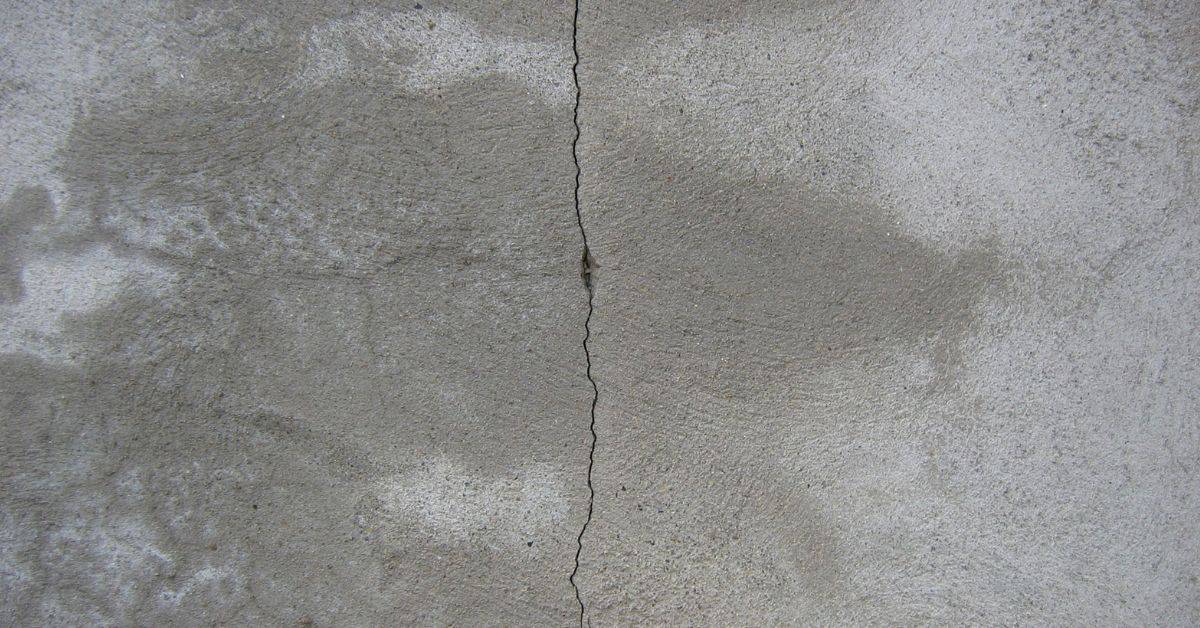
Before applying any bond coat or stucco, it’s crucial to repair all visible defects in your concrete surface. This includes cracks, spalls (chipped or broken pieces), and laitance – a weak, cement-rich layer that can form during curing.
Shallow defects, like hairline cracks or minor spalls, should be chased out with a cold chisel to create an undercut. This gives the patch material something to grip onto. Use a compatible, high-quality concrete patching compound and trowel it into place, ensuring it’s well packed.
Deep defects, like wide cracks or deep spalls, may require additional support. Insert a piece of rebar or fiber reinforcement into the chase before filling with patch material to strengthen the repair. Always follow manufacturer guidelines for mixing and application.
Cleaning and bonding preparation
The concrete surface must be clean and free of contaminants for a good bond between the substrate and your stucco. Start by brushing away any loose material, dirt, or debris with a stiff-bristle broom.
Use a low-pressure washer to remove any remaining dust or residue. Be careful not to use high pressure, as it can damage the concrete surface. Allow the surface to dry completely before proceeding.
Apply an adhesion promoter or primer designed for your specific stucco system. These products enhance bonding and help prevent delamination. Always follow manufacturer recommendations for application rates and drying times.
Proper Detailing to Stop Wicking at the Transition
Design in separation layers and continuous flashing to interrupt moisture paths. Ensure there is positive drainage away from the transition and prevent water from pooling at the edge. Consider how serrated or stepped detailing can break capillary rise.
Check local codes and manufacturer detail drawings for edge details. Align flashings with the weather exposure and surrounding wall assemblies. Use clear guidance from product literature when selecting finishes for the transition area.
Mechanical and moisture-control details
At the concrete-to-stucco transition, you need to create a barrier that stops moisture but allows the two materials to move independently. Here’s how:
Separation Gap: Leave a 1/8″ to 1/4″ gap between concrete and stucco. This breaks the capillary action and prevents wicking.
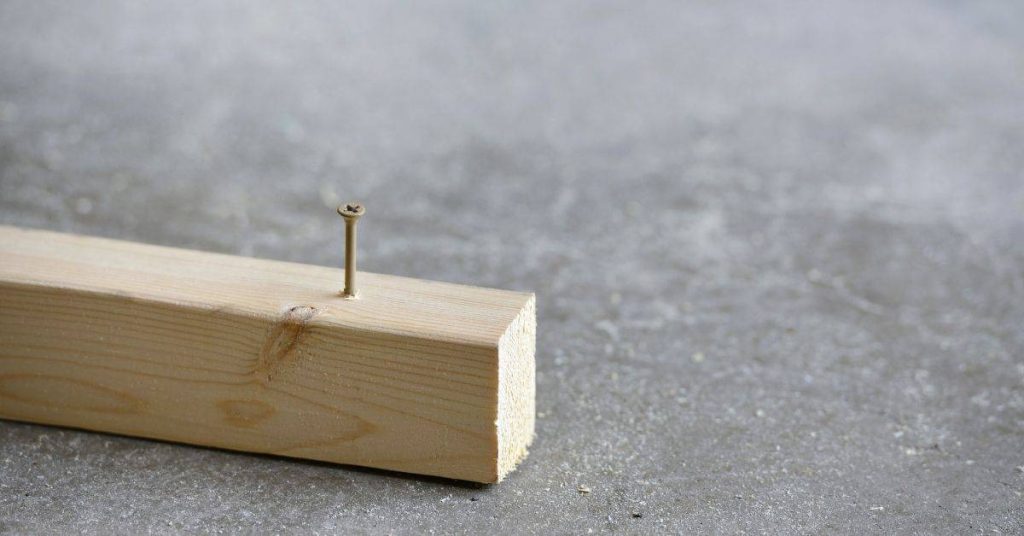
Backer Material: Use a non-absorbent backer board like plywood or OSB, not foam or gypsum. Secure it with screws, leaving the heads proud for flashing.
Continuous Flashing: Install a wide (at least 4″ to 6″) flashing strip over the gap and under the stucco. Ensure it’s continuous and laps properly. Seal all edges with compatible caulk.
Drainage/Weep Path: At the base, create a weep screed or use a drainage mat to ensure water can escape. Never block this path.
Sealant selection and joint treatment
Choosing the right sealants and treating joints properly are crucial to prevent moisture intrusion at transitions:
Sealant Selection: Use a flexible, paintable, and compatible sealant. Silicone or polyurethane caulks work well with stucco and concrete.
Joint Backers: Use backer rods in expansion joints to maintain the gap and prevent bridging. Ensure they’re compatible with your sealant and can withstand movement.
Expansion Joints & Terminations: Detail these areas carefully. Seal both sides of the joint, fill it with a backer rod, then apply sealant. At terminations, ensure stucco ends on flashing or a drip edge to prevent water entry.
Installation Steps and Best Practices
Plan a logical sequence from substrate prep to lath, base coats, and finish coat. Keep workmanship tight around edges and joints to reduce voids where moisture can travel. Use clean tools and maintain a free fingers approach to avoid contamination.
Follow product instructions for cure and dry times between coats. Do not rush transitions that require more time to dry and gain strength. Maintain documentation of steps and timings for future reference.