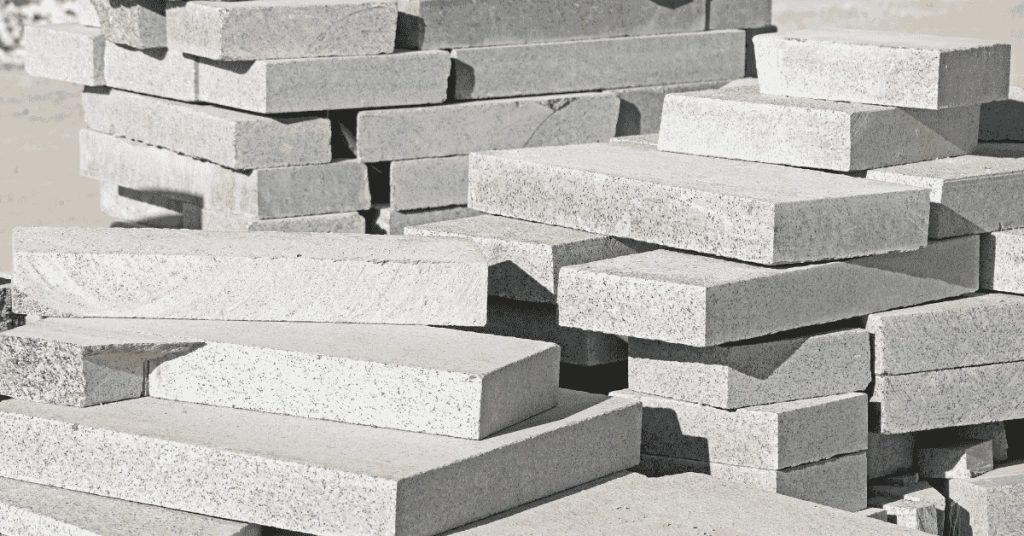
Stacked concrete bricks and blocks outdoors

Concrete Planters: Waterproofing details that don’t peel or trap moisture

Introduction

Waterproofing concrete planters means using sealants or coatings that block moisture from entering the concrete and from leaching out. Choose products labeled for concrete and exterior use, and follow the label for surface prep and drying times. Check the manufacturer instructions and local rules for any specific requirements.

Apply the sealant with even coverage on clean, dry surfaces and allow adequate curing per the label. Different coatings have varying durability and lifespans, so read the instructions for reapplication intervals and maintenance. Consider common materials like acrylic, epoxy, or penetrating sealers and verify compatibility with your planter material and exposure conditions.

Key takeaways

  • Ensure planters are fully cured before applying sealants to avoid peeling.
  • Choose waterproof sealants compatible with concrete, porous substrates, and irrigation lines.
  • Apply sealants in thin, even coats following manufacturer instructions to avoid gaps.
  • Use a proven drainage plan to prevent constant moisture contact with coatings.
  • Inspect for moisture pockets and peeling after seasonal changes; recoat if needed.
  • Store materials off the ground, protected from extreme temperatures and moisture.
Table of Contents

Waterproofing Goals and Common Failure Modes

Define success criteria for planter waterproofing without naming specific brands or products. Look for no peeling, no moisture ingress, and the ability to manage water from irrigation and rainfall.

Explain common failure modes in planters: peeling coatings, trapped moisture leading to root rot, freeze-thaw damage, and degraded substrate interactions that affect drainage. Connect these outcomes to root health, ongoing moisture balance, drainage performance, and durability under outdoor temperature cycles.

Why waterproofing matters for planters

Waterproofing your concrete planters isn’t just about keeping the plants happy. It’s crucial for protecting the concrete itself and extending its service life.

Concrete is porous. Without proper protection, water can seep in, especially during rain or when you’re watering your plants. This water can freeze in winter, causing cracks and weakening the structure.

Salt from fertilizers or minerals in the water can also migrate into the concrete, further damaging it over time. Proper waterproofing prevents these issues, keeping your planters looking good and lasting longer.

Proper waterproofing is key to protecting both your plants and your investment.

Typical failure modes: peeling, blistering, and trapped moisture

Waterproofing failures in planters often manifest as peeling or blistering coatings. But the real danger lies in trapped moisture, which can cause serious issues you might not see at first.

Peeling or blistering coatings are signs of delamination – the waterproofing layer is no longer adhering to the concrete. This could be due to poor surface preparation, incompatible materials, or simply age and wear.

Trapped moisture, on the other hand, can lead to root rot in your plants and even compromise the integrity of the concrete itself. It can happen when waterproofing isn’t breathable enough, preventing excess moisture from escaping, or when there’s poor drainage in the planter.

Understanding these failure modes helps you prevent them. Proper design, material selection, and maintenance are key to keeping your planters waterproof and functional.

Back to top ↑

Types of Waterproofing Materials for Concrete Planters

Define the four material categories: liquid membranes, cementitious products, liners, and sealants, with concise definitions and typical use-cases in concrete planters.

Map each category to practical planter scenarios (indoor vs outdoor, high moisture exposure, root contact, drainage considerations) and outline its key advantages and limitations. Include installation considerations like surface prep, curing times, adhesion issues, and how temperature/humidity affect performance.

Liquid-applied membranes (silicone, polyurethane, acrylic)

Liquid membranes are continuous coatings that form a seamless barrier against water. They’re applied directly to the concrete surface and cure to create a flexible, durable seal.

Flexibility is key here. These membranes can stretch and move with your planter, preventing cracks from forming due to temperature changes or settling. They’re great for exposed rims and decorative planters where you want a smooth, seamless look.

Breathability varies by type:

  • Silicone is highly breathable, allowing moisture vapor to escape while keeping liquid water out.
  • Polyurethane and acrylic membranes are less breathable but still suitable for most planters. Avoid using them indoors without proper ventilation.

Cementitious coatings and crystalline waterproofing

Cement-based products, like cementitious coatings, bond with concrete at a molecular level. They penetrate the surface, filling capillaries and micro-cracks to create a waterproof barrier.

Crystalline additives in these products form crystals that grow within the concrete, blocking moisture from passing through. This makes them excellent for through-thickness protection, preventing water from entering from all sides.

Cementitious coatings are best suited for outdoor planters and areas with high moisture exposure. They can be applied over sealed or unsealed concrete, but they won’t breathe as well as liquid membranes, so use them sparingly indoors.

Liners, sheet membranes, and sealants

Physical liners and sheet membranes are pre-formed barriers that you install inside your planter. They’re great for internal liners or removable pots, providing a quick, easy waterproofing solution.

Sheet membranes can be made from various materials like PVC, EPDM, or TPO. Choose one based on your climate and the specific needs of your plants. Some are more resistant to UV damage than others, for instance.

Sealants are used to fill joints and penetrations in your planter. They can be applied over concrete, metal, tile, or ceramic surfaces. Use them to seal cracks, holes, or where different materials meet. Make sure the surface is clean and dry before application, and follow the manufacturer’s instructions for curing times.

Back to top ↑

Choosing the Right Material — Performance, Compatibility, and Cost Factors

Define target performance needs: freeze-thaw resistance, moisture management, UV exposure, and chemical compatibility with soil and potting mixes. Align material choice with planter size, drainage design, and expected load.

Compare material families and their pros/cons: concrete, metal, ceramics/terra cotta, composites, and protective coatings or membranes; note typical lifespan, maintenance, and impact on waterproofing strategy. Discuss compatibility and integration: verify compatibility with coatings, drain inserts, and interior liners; check manufacturer data for substrate performance and re-coating intervals.

Performance tradeoffs: breathability vs. impermeability

Concrete planters need to keep water out, but they also need to breathe. Here’s why:

Impermeable materials block both liquid and vapor. They prevent water from getting in, but also trap moisture inside the concrete. This can lead to issues like trapped moisture and blistering.

Breathable materials allow vapor to escape while keeping liquids out. They help prevent moisture buildup but may be less effective at preventing water ingress if not properly sealed or designed.

To balance these, choose materials that are breathable yet still provide good water resistance. Consider using a combination of breathable concrete with a liquid-applied membrane for added protection.

Compatibility with coatings, paints, and plant substrates

Before applying any system, ensure it plays nice with others. Here’s how:

Check adhesion. Make sure your chosen material sticks well to the concrete surface. Some paints or sealants may not adhere properly if the concrete is too wet or dirty.

Verify chemical compatibility. Ensure your planter’s interior can handle fertilizers and potting mixes without reacting negatively. Some materials might degrade over time when exposed to certain chemicals.

Consult manufacturer data. Always check the manufacturer’s guidelines for substrate performance, curing conditions, and re-coating intervals. This ensures you’re using products that work well together.

Cost comparison approach

Comparing costs isn’t just about upfront price. Here’s how to do it right:

Calculate cost per unit area. Divide the total cost of a material by its coverage area to get the true cost per square foot or meter.

Consider expected lifespan. A more expensive option might last longer, saving you money in the long run. Don’t forget to factor in maintenance and replacement costs too.

Contact local suppliers. Get current price ranges from your local suppliers. Prices can vary by region due to transportation costs and availability.

Back to top ↑

Surface Preparation and Condition Assessment (Planning Ahead)

Establish a clear pre-inspection checklist: moisture status, cracks, flaking, efflorescence, and contamination on the planter surface, with thresholds that trigger repair rather than direct waterproofing.

Detail moisture assessment methods suitable for concrete planters and when to defer waterproofing if readings exceed recommended limits. Outline standard repairs before coating and specify surface preparation steps for optimal coating adhesion.

Inspecting substrate and identifying defects

Before you start any concrete work, it’s crucial to inspect the existing surface. You’re looking for issues that could cause problems later on.

Cracks: These can be caused by settlement, temperature changes, or rebar corrosion. If they’re less than 1/8″ wide and not growing, you might get away with sealing them before waterproofing. Wider cracks or those that are getting bigger need repair or rebuilding.

Spalls: These are chunks of concrete that have fallen off. They happen due to freeze-thaw cycles, corrosion, or poor initial construction. Spalls larger than 1″ across should be chiseled out and patched before waterproofing or further work.

Efflorescence: This is a white, powdery deposit on the surface caused by salts in the concrete leaching out. It’s usually harmless but can indicate moisture issues. If it’s extensive, consider checking for and addressing any underlying water problems before proceeding.

Lastly, rising damp: This is when moisture comes up through the ground and into your concrete. It can cause efflorescence, spalling, and other issues. If you suspect rising damp, check local rules and consider hiring a professional to assess and address it before any work.

Cleaning, profiling, and repair methods

Before you start mixing concrete, get your surface ready. Here’s how:

Cleaning: Brush off loose dirt with a stiff broom. Then, use a pressure washer to remove stubborn grime. Keep the pressure below 1200 PSI to avoid damaging the surface. For tough stains, consider mild etching following manufacturer’s instructions.

Profiling: If you’ve got old concrete, roughen it up with a diamond blade or scarifier to give new concrete something to grip onto. Check base compaction – if it’s poor, consider replacing the subgrade.

Repair methods: For cracks, use a crack chasing tool and fill with compatible repair material (check product guidance). For holes, patch with a mix designed for repairs. Always follow manufacturer instructions to ensure compatibility with your new concrete.
Back to top ↑

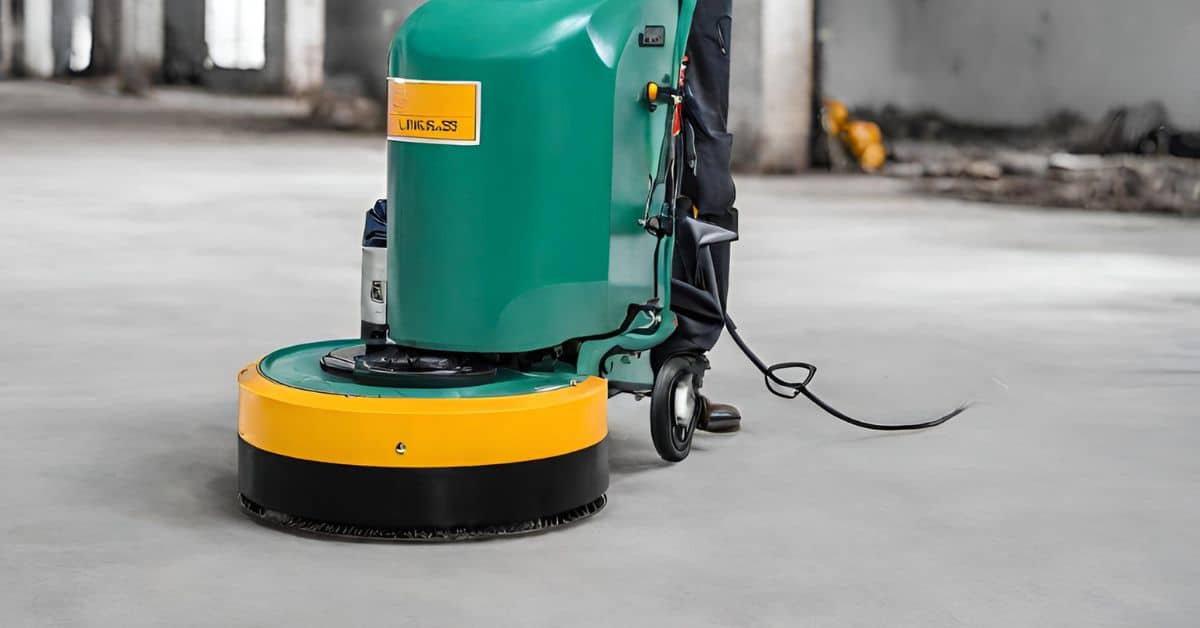
Electric floor cleaning machine on concrete surface

Application Process and Installation Best Practices

Pre-application assessment and masking plan: evaluate surface moisture, porosity, and contamination; mask adjacent finishes and planter openings to prevent overspray or contact with non-target areas.

Environmental readiness and material compatibility: note surface and ambient temperatures, humidity, and dew point; confirm compatibility with concrete, sealers, and any existing waterproofing; ensure proper ventilation and protection for nearby plants.

Step-by-step application workflow

The following steps outline the process of applying waterproofing to your concrete planters, ensuring a durable and long-lasting result.

  1. Preparation: Clean, remove laitance, grind high spots, and address hydrostatic pressure. Perform moisture/porosity tests before proceeding.
  2. Priming (if required): Apply primer following manufacturer instructions to enhance adhesion and seal the surface. Allow it to dry as directed.
  3. First coat of waterproofing: Apply the first pass of your chosen membrane or coating using a suitable brush, roller, or trowel. Ensure even coverage and avoid trapping moisture.
  4. Detailing: Carefully apply the product around joints, drains, rims, and inserts. Reinforce corners to prevent stress points. Allow it to dry as directed.
  5. Final inspection: Check for uniform coverage, pinholes, bleed-through, and proper adhesion before applying any topcoat or proceeding with plant installation.

Tools and materials checklist

Before starting your waterproofing project, ensure you have the right tools and materials to make the job easier and more efficient.

  • Cleaning supplies: Pressure washer, scrub brushes, degreaser, and cleaning rags.
  • Surface preparation tools: Grinding or abrading tools (e.g., angle grinder with diamond cup wheel) to remove high spots and laitance.
  • Primers and sealers: Compatible primer and sealer specific to your chosen waterproofing product.
  • Application tools: Brushes, rollers, or trowels suitable for your chosen waterproofing product. Verify compatibility with the manufacturer’s recommendations.
  • Waterproofing materials: Your chosen membrane, coating, or crystalline waterproofing product in sufficient quantity to cover your planters.
  • Reinforcing fabric (if needed): To strengthen corners and high-stress areas. Ensure compatibility with your chosen waterproofing product.
  • Safety equipment: Safety glasses, gloves, and respiratory protection as required by the products you’re using.
  • Masking materials: Painter’s tape, drop cloths, or plastic sheeting to protect adjacent finishes and planter openings.

Quick rule: Always check manufacturer instructions for specific tool recommendations and safety precautions.

Detailing joints, drains, planter rims, and inserts

Proper detailing around critical areas is crucial to prevent water ingress and ensure the longevity of your waterproofing system.

Joints: Apply a generous bead of waterproofing material along joint lines. Use a notched trowel or squeegee to press the material into the joint, ensuring full penetration. Reinforce corners with reinforcing fabric if necessary.

Drains and inserts: Flash around drains and inserts using a flexible flashing tape or self-adhesive membrane. Ensure there are no gaps or voids where water can enter. Integrate filters into the system to prevent clogging.

Planter rims: Apply a continuous bead of waterproofing material along the rim, ensuring it extends slightly onto the vertical surface. This helps direct water away from the planter and prevents it from wicking back up the sides.

Back to top ↑

Material Specs, Shelf Life, Storage, and Warranties

How to read product datasheets for concrete waterproofing: identifying key properties and how they apply to planter environments.

Label checks you mustn’t skip: VOC content, cure time, temperature ranges, substrate compatibility, and any odor or safety notes. Shelf life and storage considerations: unopened vs opened life and ideal storage conditions; how storage can affect performance in planters.

How to read product labels and datasheets

When choosing a concrete waterproofing product, it’s crucial to understand what you’re getting. Start by checking the product label. It should list key properties like:

Waterproofing grade: This tells you how effective the product is at preventing water penetration. For planters, look for high grades (e.g., 98% or more).

Adhesion, elasticity, and permeability: These properties ensure the product sticks well to your concrete, stretches with it, and doesn’t trap moisture. Check these against your planter’s substrate and climate.

Shelf life and storage recommendations

Proper storage extends product life and maintains performance. Follow the manufacturer’s instructions. Here are some general tips:

Store in a clean, dry place away from direct sunlight. Ideal temperatures range between 50°F to 77°F (10°C to 25°C). Keep opened products tightly sealed and use within the recommended time frame.

Unopened: Most waterproofing products have a shelf life of 1-3 years when unopened. Check the packaging for exact details.

Opened: Once opened, most products should be used within 6 months to a year. If not, they may lose effectiveness or change consistency.

Understanding warranties and what to check

Before purchasing, review the warranty to know what you’re covered for. Here’s a checklist:

  • Coverage duration: How long is the warranty valid?
  • What’s covered: Is it just materials or labor too? What about environmental factors like UV exposure?
  • Exclusions: What voids the warranty (e.g., improper surface prep, mechanical damage)?
  • Documentation required: What records do you need to keep for a claim?
  • Environmental limits: Are there restrictions on temperature, humidity, or other conditions?
  • Installation requirements: Must the product be installed by a certified professional?
  • Transferability: Can the warranty be transferred to a new owner if you sell your property?
  • Claim process: How do you make a claim, and what’s the expected response time?

Quick rule: Always read the fine print. It might seem tedious, but understanding the warranty can save you headaches (and money) down the line.

Back to top ↑

Long-Term Maintenance, Inspection, and Avoiding Trapped Moisture

Establish a clear seasonal maintenance calendar with monthly quick checks and deeper quarterly inspections tailored to concrete planters.

Inspection items: coating integrity, cracks or movement, efflorescence, drainage around the planter, and moisture accumulation inside. Include simple repair protocols and criteria for full coating refresh when needed.

Visual checkpoints and routine inspections

Regularly inspect your concrete planters to catch any issues early. Here’s a quick checklist.

  • Coating condition: Check for peels, blisters, or wear. These can lead to moisture trapping if not addressed.
  • Cracks: Inspect for hairline cracks. They can grow and let in water.
  • Efflorescence: Look for white powdery deposits. This indicates excess moisture.
  • Drainage: Ensure gutters are clear and planter drains aren’t clogged.
  • Moisture inside: Check if water is accumulating within the planter or on interior surfaces.
  • Masonry movement: Inspect for any shifts in bricks or blocks. This can cause cracks and leaks.
  • Planter rim: Ensure it’s intact and properly sealed to prevent water intrusion.
  • Inserts: Check if they’re securely fitted and not allowing water to bypass the coating.

Quick rule: Inspect planters monthly for these signs. Catching issues early prevents major repairs.

Common mistakes and how to avoid them

Learn from common DIY errors to keep your concrete planters in top shape.

  • Inadequate prep: Skipping proper cleaning, profiling, and repair can lead to coating failure. Always prepare the surface well.
  • Wrong product choice: Using incompatible or low-quality coatings can cause premature peeling and moisture trapping. Stick to recommended products.
  • Overcoating without repair: Applying new coats over cracks or damaged areas won’t fix underlying issues. Always patch and repair before recoating.
  • Ignoring seasonal changes: Not accounting for temperature fluctuations and moisture levels can lead to coating failure. Perform seasonal checks and maintenance.
  • Neglecting drainage: Poor drainage can cause water buildup, leading to efflorescence and structural damage. Ensure proper drainage at all times.
  • Using impermeable patches: Sealing cracks with non-breathable materials can trap moisture, causing more harm than good. Use breathable sealants.
  • Not documenting maintenance: Without a record of repairs and maintenance, you might repeat mistakes or miss crucial steps. Keep a maintenance log.

Quick rule: Understand these common pitfalls to avoid them. Regular inspection and proper maintenance are key to long-term planter health.

Back to top ↑

Safety, Environmental Impact, and Sustainable Choices

Safety protocol essentials: define required PPE, footwear, and skin protection; outline a simple on-site safety plan and emergency procedures.

Ventilation and dust control: emphasize proper ventilation when mixing and pouring indoors, and containment measures to prevent dust spread. Handling chemicals, disposal, and waste management: cover safe use, storage, and local disposal regulations; promote lower-VOC or recycled-content options where available.

Safety precautions and personal protective equipment

Protecting yourself and your team is crucial when working with concrete. Here’s what you need to know about safety gear and handling.

  • Gloves: Protect hands from cuts, burns, and chemicals. Choose rubber or nitrile gloves for better grip and protection.
  • Safety Goggles: Shield eyes from debris and chemical splashes. Ensure they fit well and provide full coverage.
  • Dust Mask or Respirator: Protect lungs from silica dust. Use a respirator with P100 filters for better protection, around $20-$30.
  • Steel-toed Boots: Safeguard feet from heavy objects and compression injuries. Rentable, around $15-$25 per day.
  • Skin Protection: Use sunscreen to protect against UV rays and keep skin moisturized to prevent irritation from concrete.

Environmental effects and sustainability considerations

The environmental impact of your concrete planters goes beyond their lifespan. Here’s what you need to consider:

VOCs: Some sealants and primers emit volatile organic compounds (VOCs). Opt for lower-VOC or water-based alternatives to reduce indoor air pollution.

Runoff: Concrete planters can leach chemicals into the soil and stormwater. Use permeable bases and consider using regionally produced materials to minimize transportation emissions.

Recyclability: Check if your concrete mix contains recycled materials or if it’s designed for recycling at the end of its life. Document these selections for certifications like LEED or BREEAM.

Back to top ↑

Conclusion

Waterproofing planters correctly protects the concrete, keeps roots healthy, and avoids costly fixes down the line. Start with solid prep, pick a compatible material, and follow a calm, tested process to get durable, drip-free results.

First, check the surface for cracks, failure points, or thin sections. Then choose a material based on performance, compatibility with concrete, and cost. Clean and dry the surface, repair defects, and plan the application in the right weather window. Apply per the manufacturer’s instructions, cure or set as required, and test a small area before doing the whole planter. Keep an eye on shelf life, storage, and warranties, and enforce a simple maintenance routine to prevent moisture buildup.

Avoid common mistakes such as applying glossy coatings over dusty or damp surfaces, using materials that aren’t compatible with concrete, and skipping drainage or venting. Never skip safety steps: wear gloves and eye protection, work in a ventilated area, and test a small area first. Don’t rush curing or skip inspections, and never trap moisture behind a failed layer.

If the project involves unusual shapes, thick sections, or past leaks, or if you’re unsure about material compatibility, consider calling a professional. Stay patient, follow the plan, and you’ll get a sturdy, leak-free planter that lasts season after season.

Back to top ↑

FAQ

What types of waterproofing sealants are suitable for concrete planters?

Look for sealants labeled for concrete and outdoor use. Common options include penetrating sealers, elastomeric coatings, and sealant membranes. Always check the manufacturer’s instructions for planter compatibility and whether the product bonds to wet or damp surfaces.

How should I apply waterproof sealants on planters to avoid peeling or trapped moisture?

Follow the product instructions exactly, including surface prep and curing times. Apply in thin, even coats and don’t overwork the material. Plan to seal after the surface is dry, clean, and free of efflorescence or dust.

What coatings balance durability, environmental impact, and cost?

Durability varies by product and climate. Environmental considerations matter: choose low-VOC options if available and avoid coatings that emit strong fumes indoors. If unsure, compare product labels and datasheets for outdoor suitability and recommended uses.

Which materials can act as a waterproof layer under planters, and how do I maintain them?

Common options include compatible sealants, membranes, and protective coatings designed for concrete. Regular maintenance checks for wear, cracking, or peeling help; reapply only per the manufacturer’s schedule and use the same type if re-laying. Always verify compatibility with planter substrates and soil.”

Back to top ↑

More about this topic