

Introduction
Tile over tile is acceptable when the existing tile surface is sound, clean, and properly stabilized. If the current tile is loose or cracked, or the surface is delaminating, you’ll want to address that first. This article walks you through what to check and why, in plain DIY language.
First, inspect the substrate for loose spots, peeling, or moisture risk and plan fixes before you tile over. Then you’ll clean, fill, and smooth the surface according to the product labels and manufacturer instructions, keeping ridges low and surfaces flat. Have the right materials on hand: bonding products, patch compounds, primers, and groutable finish options, and always check compatibility with your tiles and local rules.
Key takeaways
- Check existing tile condition; looseness or cracks require removal or remediation before tiling.
- Clean and smooth substrate surfaces; remove wax, grease, and grout haze thoroughly.
- Identify moisture risks and substrate incompatibilities that block tile-over-surface applications.
- Use appropriate primers, adhesives, and membranes per manufacturer instructions and local code requirements.
- Safety: wear eye protection, masks, and follow dust control when removing glaze.
- Plan for extra prep time and potential tile removal in tight spaces.
Table of Contents
- Introduction
- Key takeaways
- When Tiling over Existing Tile Is Acceptable
- Assessing the Existing Tile and Substrate: Step-by-Step Inspection
- Surface Prep Essentials That Make Tile-over-Tile Work
- Substrate-Specific Guidance (Drywall, Concrete, Concrete Block, Painted Tile)
- Mortar, Adhesives, Membranes, and Material Specs
- Common Mistakes, Safety, and Code Considerations
- Cost, Timeline, and Planning Implications
- Tools, Materials Checklist, and Visual Checkpoints
- Conclusion
- FAQ
When Tiling over Existing Tile Is Acceptable
Tile over tile can be a viable option when the existing layer is flat, solid, and free from bond failures. It also helps to confirm compatibility with the adhesive system you plan to use and the substrate beneath. Quick checks should be part of your decision: flat and clean surfaces, no moisture events, and materials that work with the chosen mortar.
If any red flags appear, removal or substrate repair may be the safer route. Consider moisture risk, dimensional stability, and the presence of old underlayment that could compromise adhesion. Outline a surface preparation plan that includes cleaning, leveling, priming as required, and selecting the correct thin set or epoxy system for the chosen substrate. Budget, timeline, and potential warranty implications should factor into the decision, along with appropriate edge treatments to preserve safety and aesthetics.
Structural and Substrate Factors to Check
Before you start tiling over existing tile, you need to ensure the substrate is sound. Here’s what to look for:
Load Bearing: Make sure the existing tile can bear the weight of new tiles. Too many layers can cause structural issues.
Adhesion: Check if the old tile is securely bonded to the substrate. Tap it gently; if it sounds hollow, it might not be well-adhered.
Flatness: The surface should be flat. If there are high or low spots, you’ll need to level them out during prep.
When Removal Is Mandatory
In some cases, it’s best to remove the existing tile. Here are scenarios that require full removal:
Loose Tile: If any tiles wobble or feel loose, they need to be removed and the substrate repaired.
Water Damage: Moisture can compromise the substrate’s integrity. If you see signs of water damage, remove the tile and address the issue.
Multiple Layers: Too many layers of tile can cause structural issues. If there are more than two layers, consider removing them all.
Unacceptable Thickness: Building codes may limit the total thickness of wall finishes. If adding new tiles would exceed this limit, you’ll need to remove some or all of the existing tile.
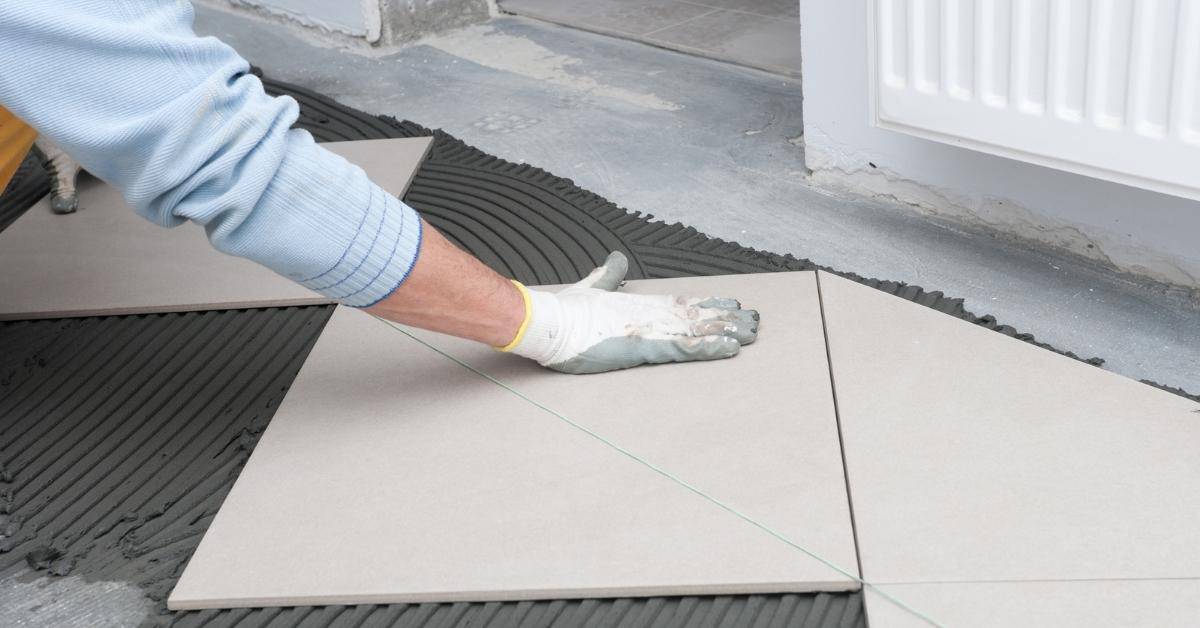
Assessing the Existing Tile and Substrate: Step-by-Step Inspection
Start with a clear decision flow: determine if the current surface meets flatness, adhesion, and moisture criteria for tiling over it, or if removal is the safer endpoint. Define a pass/fail framework based on those criteria to guide the next steps. Use a simple inspection mindset to avoid surprises later in the project.
Identify the substrate type and what it means for prep and bonding. Test for delamination, levelness, and depth of grout lines that may indicate underlayment conditions. Plan moisture checks and note any patches or cracks that could signal substrate issues. Keep documentation of the results to support decisions about proceeding or rework.
Step-by-Step Process
Before you start any work, use this checklist to assess the existing tile and substrate. This step helps prevent costly mistakes and ensures your new tiling project has a solid foundation.
- Prepare the area: Clear the space of all furniture and debris. Tape off adjacent areas with painter’s tape to protect them from dust and damage.
- Safety first: Wear appropriate safety gear, including gloves, safety glasses, and a dust mask. Ensure proper ventilation if using power tools.
- Inspect tile condition: Check for loose, cracked, or damaged tiles. Tap each one gently with a hammer; a dull thud indicates a solid tile, while a hollow sound suggests damage or delamination.
- Check substrate integrity: Gently press on the walls and floor around the tiles. The substrate should feel firm and stable. If it feels soft or gives way, check for underlying structural issues before proceeding.
- Examine grout lines: Inspect grout lines for cracks, gaps, or discoloration. These can indicate movement in the substrate or water damage, which may require further investigation.
- Check tile adhesion: Gently pull on a few tiles to ensure they are securely attached. If any come off easily, the existing thinset may need to be removed before installing new tiles.
- Measure tile thickness: Use a tile cutter or snap a line across one tile to measure its thickness. This measurement is crucial for determining how much backer board or leveling compound you’ll need for your new installation.
- Check for moisture: Inspect the area for signs of water damage, such as warped tiles, discolored grout, or musty odors. If present, address the source of the moisture before proceeding with any tiling work.
Quick rule: Always check local building codes and manufacturer recommendations for specific materials and installation methods to ensure your project is up to code and will last.
Visual and manual inspection techniques
Before you start any work, use this checklist to inspect your existing tile and substrate. This will help you identify potential issues early, saving you time and money in the long run.
- Check for cracks: Look for hairline or visible cracks on the surface of the tiles. These can be caused by settling, improper installation, or impact damage.
- Inspect grout lines: Check if grout is missing, cracked, or crumbling. This could indicate movement in the substrate or water intrusion.
- Feel for hollow spots: Tap on tiles with a wooden or plastic tool (never metal to avoid damaging tiles). A dull thud indicates a hollow spot, which may mean loose tiles or delamination.
- Check for delamination: Try to lift the corners of tiles. If they come up easily, the tile is likely delaminated from the substrate and will need to be replaced.
- Look for moisture: Check for water stains, mold, or mildew on the tiles or grout. This could indicate a leak or high humidity levels.
- Inspect the substrate: If possible, remove a small section of tile to expose the underlying substrate. Look for signs of damage, such as cracks, crumbling, or excessive movement.
- Check for proper installation: Ensure that tiles are evenly spaced and properly aligned. Also, check if the thinset or mortar bed is level and uniform.
- Verify substrate material: Identify the type of substrate (concrete, plywood, etc.) to ensure you’re using the right products and methods for your project.
Quick rule: If you find more than a few damaged tiles or signs of significant substrate damage, it’s best to consult with a professional before proceeding. Minor issues can often be repaired, but major ones may require extensive rework.
Diagnostic tools and when to call a pro
Before you start any work, use this checklist to assess your tile and substrate. It’s best to do this after a thorough visual and manual inspection.
- Check for structural movement: Use a straightedge and level to check if tiles are still flat and even. If there’s more than a 1/8″ gap, something might be wrong with the substrate or structure.
What goes wrong if you skip this: Tiles can crack, pop off, or cause further damage to the subfloor. - Test for moisture: Use a moisture meter (under $50) to check for excess water in the substrate. Ideal readings are between 12-16%.
What goes wrong if you skip this: High moisture can cause mold, mildew, and tile failure. - Inspect grout lines: Check if grout is still intact and firmly attached. If it’s crumbling or missing, re-grouting might be needed.
What goes wrong if you skip this: Water can seep through, causing damage to the substrate and tiles. - Check for loose tiles: Gently tap each tile with a mallet. A hollow sound indicates it’s no longer securely attached.
What goes wrong if you skip this: Loose tiles can fall off, causing injury or damage. - Inspect waterproofing: If unsure about the existing waterproofing, consult manufacturer instructions or call a pro. Unclear waterproofing can lead to serious issues.
What goes wrong if you skip this: Water can seep through, causing damage and mold growth. - Check for efflorescence: Look for white powdery deposits on the surface of tiles or grout. This indicates excess moisture in the substrate.
What goes wrong if you skip this: Efflorescence can cause tiles to become slippery and unsightly. - Inspect thinset mortar: Check if the existing thinset is still intact and firmly attached. If it’s crumbling, removal might be necessary.
What goes wrong if you skip this: Poorly adhered thinset can cause tiles to pop off. - Check for asbestos: If your home was built before 1980, consider testing for asbestos in old tile adhesive or mastic. Asbestos is hazardous.
What goes wrong if you skip this: Exposure to asbestos can cause serious health issues.
Quick rule: If you find any of these issues severe or unclear, always consult a professional. It’s better to be safe than sorry!
Surface Prep Essentials That Make Tile-over-Tile Work
Tile over tile works best when the surface is compatible and sound, with old bond intact and no moisture problems. Confirm that the existing layer can accept the chosen thin set and any membrane systems if needed. Use a quick readiness test to determine if a full overlay is warranted.
Cleanliness and mechanical profiling are your first lines of defense. Remove all residues, then abrade high or glossy spots to create a solid key. Fill cracks and uneven areas with compatible repair mortars, and follow the manufacturer directions for priming and bonding agents before setting tile.
Cleaning, Degreasing, and Mold/Mildew Remediation
Start by removing all loose debris with a stiff brush or scraper. Then, use an appropriate cleaning agent to remove contaminants like grout haze, waxes, sealers, and dirt.
Never use harsh chemicals like bleach or acid-based cleaners as they can damage the tile substrate.
For mold or mildew, use a solution of water and detergent, then rinse thoroughly. Let it dry completely before proceeding with any further prep work.
Surface Profiling and Mechanical Keying Methods
To create a solid bond for your new tile, you need to roughen the old surface. This is called profiling or keying.
Grinding or sanding with coarse grit paper (60-80) is effective but generates dust. Wet grinding or using a vacuum sander can help control this.
Etching with a mild acid solution can also work, but it’s more labor-intensive and requires proper safety measures. Bonded underlayment or decoupling membranes are another option, providing a fresh surface for adhesion.
Substrate-Specific Guidance (Drywall, Concrete, Concrete Block, Painted Tile)
Know when you’re dealing with drywall versus concrete and how that affects prep, moisture tolerance, and edge protection. Walls and floors have different requirements, and exterior or wet areas demand extra attention. Always verify that the chosen products are suitable for the substrate you have on hand.
Drywall needs careful sealing and possibly cementitious backer options or moisture-ready primers. Concrete requires proper surface profiling and moisture considerations, while block needs joint sealing and attention to porosity. Painted surfaces may require removing or mechanical keying, with adhesives matched to paint films. Stay mindful of moisture risk and local code cautions as you plan the work.
Tiling over drywall and cement board differences
Drywall is acceptable for tiling, but it needs reinforcement. Use a cementitious backer or waterproof/alkali-resistant additive-thinset to strengthen it.
In wet areas: Use greenboard or moisture-resistant drywall and apply a bonding primer to seal gypsum.
Cement board is ideal for wet zones. It’s durable, waterproof, and doesn’t require additional reinforcement.
Concrete, concrete block, and painted surfaces
For concrete: Ensure it’s clean, dry, and has a suitable abrasion/etched surface. Test for moisture using the Cement Moisture Vapor Emission Rate.
For concrete blocks: Seal joints to prevent moisture traps. Fill hollows with thinset or mortar before tiling. Efflorescence may appear; remove it before tiling.
With painted surfaces: Test paint adhesion. Remove compromised paint or use a bonding primer for better adhesion. Select adhesives compatible with painted films.

Mortar, Adhesives, Membranes, and Material Specs
Assess the substrate and old tile to decide what mortar and bonding approach fits best. The choice between different mortar types and polymer modifiers influences bonding, movement tolerance, and cure behavior. Always check the data sheet or manufacturer instructions when in doubt.
Membranes and surface barriers can be critical for cracking or moisture control. Confirm compatibility with the mortar system and the substrate, and follow the recommended sequence from primer to membrane to tile. Keep an eye on open times, cure times, and temperature ranges as you verify product specs and perform a quick adhesion test if unsure.
Choosing the Right Mortar and Additives
The key to successful tile-over-tile is using the right mortar. Here’s what you need to know:
Thinset Mortars: These are cement-based, sand-free mortars designed for ceramic and stone tiles. For tile-over-tile, use modified thinsets, which have added polymers for better bond strength and flexibility.
For large-format tiles (15″ x 15″ or larger), consider using a large format mortar. It’s designed to handle the extra weight and prevent lipping.
Epoxy mortars are ideal for problematic surfaces like existing vinyl or painted tile. They provide excellent bond strength and resistance to moisture, chemicals, and heat.
When to Use Decoupling Membranes, Waterproofing, or Primers
These products serve different purposes in tile-over-tile installations:
Decoupling Membranes: These are used when there’s a risk of substrate movement. They ‘decouple’ the new tile from the old, preventing cracks if the substrate moves. Use them over concrete or plywood substrates.
Liquid-Applied Waterproofing: This is a must when tiling over cement board or greenboard. It prevents moisture from penetrating and damaging the substrate. Apply it before installing the membrane or tile.
Primers: Use primers on low-porosity surfaces like existing glazed tile or painted surfaces. They improve adhesion and seal the surface to prevent moisture migration. Some primers also act as a bonding agent, enhancing mortar bond strength.
Common Mistakes, Safety, and Code Considerations
Watch for common failures like insufficient profiling, ignored movement joints, and overly thick assemblies that undermine adhesion. These issues often show up in stubborn cracks or delamination later on. Build a robust plan to prevent them from becoming a project risk.
Safety and code compliance go hand in hand. Use dust control measures and appropriate PPE, and document local height, thickness, and warranty requirements. Check with local authorities or manufacturer guidelines to ensure your approach meets code and manufacturer approvals for an overtile installation.
DIY Safety and Dust-Control Best Practices
Safety should always be your top priority when working on tile-over-tile projects. Here are some practical tips to keep you safe:
Respirators are a must when cutting or grinding old tiles. They protect you from inhaling harmful dust particles.
Use wet-cutting tools and vacuums with HEPA filters to control dust during the process. Enclose the work area if possible to contain dust and prevent it from spreading throughout your home.
Always wear appropriate PPE, including safety glasses or goggles to protect your eyes, and gloves for handling sharp edges. Proper disposal of old tiles is also crucial – bag them up tightly and dispose according to local regulations.
Movement Joints, Transitions, and Long-Term Durability
Proper placement of movement joints and transitions is key to ensuring the longevity of your tile-over-tile installation.
Expansion joints should be placed every 8-12 feet along the length of the wall or floor, allowing for natural expansion and contraction due to temperature changes. They can be filled with a flexible caulk or sealant designed for tile installations.
Transitions between different types of flooring or surfaces should also be considered. Use appropriate transition strips or profiles to create a smooth, safe transition that accommodates movement.
Proper detailing at these joints and transitions is crucial – neglecting this step can lead to cracking, delamination, and other long-term issues that shorten the life of your tile installation.
Cost, Timeline, and Planning Implications
Tile-over-tile versus full removal has different material and labor implications, so map out the expected scope early. Consider potential hidden costs that can emerge if substrate issues show up after work begins. Use a planning mindset to forecast contingencies without locking into rigid schedules.
Outline a practical timeline and sequencing that aligns with your prep, setting, and cure phases. Identify common risk areas such as moisture remediation or substrate repairs, and plan for adjustments. Use a simple decision framework to decide when tile-over is feasible or when removal becomes necessary, and keep notes to communicate with suppliers or pros.
When tile-over-tile saves time and money (and when it doesn’t)
Tile-over-tile can be a quick, cost-effective solution, but it’s not always the best choice. Here are some scenarios to consider.
Saves Time: If your existing tiles are in good condition, tile-over-tile can save you days of demolition and disposal time. It also reduces the need for substrate repair and new backer material installation.
Saves Money (Upfront): You’ll avoid removal, disposal, and substrate repair costs. Plus, less labor is needed as there’s no tile removal or new backer board installation.
Doesn’t Save Time/Money: If your existing tiles are damaged, loose, or have a poor bond with the substrate, you’ll need to remove them anyway. Hidden issues like moisture problems or structural movement can also surface mid-project, leading to unexpected costs and delays.
Maintenance expectations and warranty implications
Tile-over-tile can change your maintenance routine and affect warranties. Here’s what you need to know.
Maintenance: While tile-over-tile reduces initial labor, it doesn’t eliminate ongoing care. You’ll still need to clean, seal, and inspect your tiles regularly. Accessing the subfloor for repairs can be challenging with an additional layer of tiles.
Warranties: Installing new tiles over old ones may void existing warranties on both the old tiles and the substrate. Always check with manufacturers before proceeding. If you’re hiring a pro, ask about their warranty policies for tile-over-tile work.
Questions to Ask: Before starting any project, contact your tile manufacturer and contractor (if applicable) to discuss warranties, maintenance expectations, and any specific installation guidelines for tile-over-tile applications.
Tools, Materials Checklist, and Visual Checkpoints
Before you tile, run a quick readiness check on the substrate, including adhesion tests and flatness evaluations. Stop work if the surface isn’t ready for an overlay. Visual cues like uniform sheen and consistent porosity help confirm readiness. Maintain a go/no-go mindset on site.
Gather the essential tools, measurement gear, and safety equipment, plus the specific primers, patching compounds, and mortars for overlays. Prepare a clear surface prep workflow that covers cleaning, scarifying, and smoothing high spots, with clear time cues for curing and dwell times. Use on-site visuals and tests to confirm readiness before you proceed.
Pre-work visual checklist for installers and homeowners
Before you start tiling over an existing surface, use this checklist to ensure everything is in order. It’s your final check before diving into the project.
- Flatness: Check for any dips or high spots using a straightedge. Inconsistencies can cause tiles to crack over time.
- Adhesion test: Perform an adhesion test by applying pressure on a tile with your thumb. If it moves, the surface isn’t ready.
- Cleanliness: Ensure the surface is clean and free of dust, dirt, or debris. Contaminants can hinder adhesion.
- No loose tiles: Check for any loose existing tiles. If found, repair or replace them before proceeding.
- Uniform sheen: The surface should have a uniform sheen. Any glossy spots may indicate a lack of adhesion.
- Consistent porosity: The surface should absorb water at a consistent rate. Inconsistencies could lead to poor adhesion.
- No movement: Check for any cracks or movement in the substrate. This can cause tiles to crack over time.
- Moisture risk: Perform a moisture test using a calcium chloride moisture meter. High readings may indicate a moisture problem that needs addressing.
Quick rule: If any of these checks fail, address the issue before proceeding to ensure a successful tile over tile installation.
Recommended consumables and finishing materials
Before you head to the hardware store, use this checklist to ensure you’re getting the right products for your tile over tile project.
- Grout type: Choose a grout that’s compatible with your tiles. Sanded grout is usually best for larger tiles.
- Sealers: Ensure the sealer is suitable for your tile type and the area where it will be installed (e.g., kitchen, bathroom).
- Backer options: If using a backer board, ensure it’s compatible with your existing surface and can support the weight of the new tiles.
- Mortar/thinset: Choose a mortar or thinset specifically designed for tile over tile installations. It should have good bond strength and flexibility.
- Primer/sealer: Ensure the primer or sealer is compatible with your existing surface and will improve adhesion.
- Waterproofing/membrane: If installing in a wet area, ensure you’re using a waterproof membrane that’s suitable for tile over tile installations.
Quick rule: Always check the product data sheets to ensure compatibility with your existing surface and new tiles. Better safe than sorry!

Conclusion
Tile over tile can deliver a solid, durable finish when the existing surface is sound, and you get the prep right. Getting the prep and substrate right protects against failures, keeps water where it belongs, and helps the final look stay sharp for years.
First, inspect the current tile and substrate for cracks, moisture, or loose tiles; if you find any, address those issues before moving forward. Clean and abrade the surface enough to accept adhesive, apply any required membranes or primers per the product specs, choose the right mortar and set time, and work in small sections with constant checks as you go. Test a small patch for adhesion and curing, then proceed in a measured, methodical way, following the order: assess, prep, bed, tile, grout, and cure, while keeping safety gear on and doors or vents open as needed.
Common mistakes to avoid include skipping moisture assessment and substrate repair, using the wrong adhesive or membrane for the surface, and rushing through cure times or overloading joints. Always follow the product directions, keep joints clear, and test as you go. If anything about moisture, movement, or substrate type feels off, stop and reassess before you proceed.
When in doubt, call a pro—structural movement, water intrusion, or odd substrate conditions can cost more if you push through. With a careful plan, proper prep, and disciplined execution, you can finish with a durable surface that looks good and lasts. Stay steady, follow the checks, and you’ll be done with confidence.
FAQ
What should I look for when checking the substrate conditions before tiling over existing tile?
Inspect for loose or cracked tiles, hollow sounds, and gaps in the grout. Look for water damage, efflorescence, or flex in the surface. Do a quick check of the substrate integrity and note any areas that feel soft or suspect to movement.
What surface prep steps are essential to properly prepare the surface for tile-over-tile?
Clean the surface thoroughly and remove all loose material and grout. Remove glaze or slick finishes from the old tile so the new adhesive can grab better. If you find high spots or unevenness, fill and smooth with an appropriate patching compound according to the product label.
In what situations is tiling over existing tile considered necessary or acceptable?
It’s often used when removal would damage the substrate or create a bigger mess. It’s more acceptable on flat, solid tiles with no moisture issues. If the old tile is loose or the substrate shows signs of significant damage, tiling over is not a good idea.
What materials do I need to properly prep and tile over existing tile?
You’ll need a bonding adhesive rated for over-tile use, a patching or smoothing compound for flatness, and a compatible primer if recommended by the adhesive or patch product. Have a tile cutter, notch trowel, small squeegee, and a damp sponge on hand. Always follow the product labels and manufacturer instructions for mixing and application.
What safety guidelines should DIY installers follow for this job?
Wear eye protection, gloves, and a dust mask when grinding, cutting, or cleaning. Ensure adequate ventilation and keep the area clear of tripping hazards. If you’re unsure about moisture issues or substrate condition, check the product instructions and local rules before proceeding.