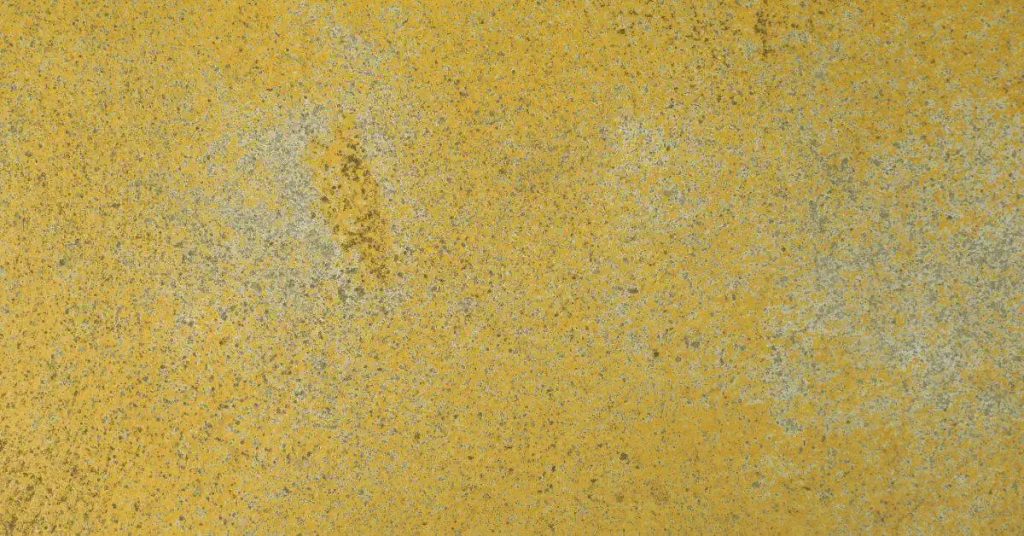
yellow stained concrete surface with varying texture

Concrete Surface Delamination: Causes, diagnosis, and repair that lasts

Introduction

Delamination is the surface layer of concrete peeling or separating from the underlying concrete, creating a patchy, hollow feel. It often shows up as a dull patch that may flake or sound hollow when tapped. Lightly tapping suspect areas can help you spot where the top lift isn’t bonded well.

To diagnose, look for soft spots, visible cracking, or flaking, and listen for a hollow sound when you tap the surface. Preventing and fixing it starts with controlling the curing environment, balancing bleed water, and using a patch that bonds well with the existing concrete. If you’re unsure, check the product labels, manufacturer instructions, and any local guidelines to choose a repair method that stays durable over time.

Key takeaways

  • Delamination is the separation of a concrete surface layer from the underlying concrete.
  • Premature finishing and air content issues frequently trigger early surface faults.
  • Diagnose by visual checks, tapping sounds, and non-destructive tests like GPR when available.
  • Balance bleed water, control environmental conditions, and proper cure to reduce risk factors.
  • Choose repair options that bond well to existing surface and resist future delamination.
  • Safety: stop work if delamination signs appear; reassess structure and schedule accordingly.
Table of Contents

What Is Concrete Surface Delamination?

Delamination is the near-surface separation of concrete layers, creating a distinct plane just beneath the surface. It differs from cracking or spalling in that the bond between layers loosens rather than the material breaking apart along random fractures. Look for a shallow separation that feels soft or hollow, and edges that sound different when tapped.

Common signs include a color shift, a dull or powdery surface, and sheets that lift or buckle under light pressure. The condition often sits in the uppermost layer or just a bit deeper, which affects how it should be repaired. For quick identification, perform simple sound tests, inspect moisture patterns, and note any changes after weather or use changes.

Definition and formation mechanisms

Concrete surface delamination is a separation of the near-surface layer from the underlying sound concrete. It’s not just cracking or spalling – those are vertical breaks. Delamination happens parallel to the surface, forming a weak plane.

This weak plane forms due to bleed-water entrapment during finishing. Air voids and improper finishing actions can also contribute. The result? A layer that’s easily peeled off like wallpaper.

Types and typical locations (shallow vs. deeper delamination)

Delaminations can be shallow or deep, depending on where they start.

Shallow delaminations occur in the trowel-finished layer at the very top. You’ll find these on driveways, sidewalks – anywhere there’s heavy foot or vehicle traffic.

Deeper delaminations start at the bond plane between old and new concrete, or around air voids. These are less common but more serious, often found in basement floors or under heavy equipment.

Why delamination matters (durability, safety, performance)

Delamination isn’t just cosmetic. It affects durability and performance.

Delaminated surfaces let in water and contaminants, speeding up deterioration. They need more frequent maintenance – think patching and sealing.

Safety’s a concern too. Loose delaminations can cause trips or falls. In structures, they could lead to collapse under heavy loads. So, don’t ignore them. Address delamination promptly for long-term durability and safety.

Back to top ↑

Common Causes of Surface Delamination

The main root causes revolve around finishing timing, mix design, air and bleed behavior, and on-site practices. Finishing too early or too late can trap laitance or moisture that weakens the bond between layers. Poorly proportioned mixes or improper aggregate grading can also reduce layer cohesion over time.

Environmental conditions during placement and curing matter, including wind, temperature, and humidity, which drive rapid surface drying and microcracking. Substrate prep errors and inadequate bonding between layers are frequent culprits, as are sequencing mistakes that leave a weak surface that cannot hold coatings or overlays. Look for signs and adjust procedures to prevent these issues from repeating on future work.

Finishing timing errors (premature and delayed finishing)

Timing is crucial when it comes to concrete finishing. Doing it too early or too late can lead to surface delamination.

  • Premature Finishing: Traps bleed water, leading to weak bond and potential delamination.
  • Delayed Finishing: Disrupts compaction and bonding, resulting in a weak surface layer prone to delamination.

To avoid these issues, wait for the initial set before starting to finish. For premature finishing, look out for blistering or soft spots on the surface. Delayed finishing may show up as a weak, crumbly surface.

Mix design and entrapped air (air entrainment, SCMs, admixtures)

Air entrainment, supplementary cementitious materials (SCMs), and admixtures can affect bleeding and set behavior, increasing the risk of delamination.

Excess Air: Too much air in the mix can lead to a weak surface layer. Ensure proper air content for your specific application.

PCEs and HRWR: These admixtures can increase bleeding if not dosed correctly, leading to potential delamination. Follow manufacturer guidelines for dosing.

SCMs: While beneficial in many ways, SCMs can also affect set behavior. Monitor the mix’s performance and adjust as needed.

Environmental and operational factors

Wind, temperature, rapid evaporation, over-wet mixes, and poor on-site practices can contribute to surface delamination.

Rapid Evaporation: Quick drying can cause the surface to set too fast, leading to a weak layer prone to delamination. Protect the concrete from wind and sun during early curing.

Over-wet Mixes: Too much water can lead to excessive bleeding and a weak surface. Ensure proper water-cement ratio and adjust as needed based on aggregate type and size.

Poor Consolidation and Surface Contamination: Inadequate consolidation and contaminated surfaces can result in weak bonding and potential delamination. Ensure proper consolidation and clean, sound substrates before placing concrete.

Back to top ↑

Symptoms and Visual/Physical Indicators

Key signs to watch for include blistering or scaling, hollow-tapping sounds, and visible flaking or pop-outs near joints. Discoloration or damp patches can indicate moisture migration, while efflorescence may reveal soluble salts at the surface. Use quick photo prompts to document each symptom as you go.

Field tests are simple and repeatable: tap tests to gauge hollowness, gentle probing with a plastic tool to feel for hollows, and a moisture check after rain. Plan a basic moisture indicator placement strategy and keep notes for later comparison. Differentiate delamination from cracks, laitance, and general wear with a clear decision approach and safe next steps.

Visual signs (crazing, discoloration, pop-outs, powdery surface)

Inspect your concrete for any unusual patterns or color changes. These could signal early-stage delamination.

Crazing looks like tiny cracks forming a web pattern. It’s often a sign of premature drying.

Discoloration and staining might indicate moisture trapped beneath the surface, which can lead to delamination over time.

Look for pop-outs or small pieces of concrete popping out from the surface. This is a clear sign that the bond between the old and new concrete has failed.

A powdery surface feels like sandpaper when you run your hand over it. It’s usually due to efflorescence, which can indicate moisture issues.

Tactile and mechanical indicators (hollow sound, loose flakes)

Use your ears and hands to check for delamination. Start by tapping the concrete with a hammer or chain-drag tool.

A hollow sound indicates that there’s air trapped beneath the surface, which is a sign of delamination. It’s like tapping on an empty barrel.

Next, try to scrape the concrete with a plastic knife or putty blade. If it feels hollow or scoops out easily, you’ve found a delaminated area.

Look for any loose flakes of concrete. If they come off easily when gently scraped, that’s another sign of delamination.

Related unsound-concrete symptoms to watch for

Delamination often doesn’t occur in isolation. Keep an eye out for these related issues:

Blisters are raised, dome-shaped areas on the concrete surface. They can burst, leaving a crater-like appearance.

Scaling is when small pieces of concrete flake off, exposing the aggregate beneath. It’s often caused by freeze-thaw cycles or de-icing salts.

Microcracking is tiny cracks that form in the concrete surface. They can be hard to see but are usually visible under magnification. These cracks can widen over time and lead to delamination.

Back to top ↑

Diagnosis and Testing Workflow

Start with a practical field-check list: observe visible cracking, scaling, and discoloration, and listen for hollow sounds when tapped. Note the concrete age, exposure, and service conditions to inform the next steps. This quick scan guides whether to move to nondestructive methods.

Progress through a tiered testing flow: begin with noninvasive assessments and then apply nondestructive testing as needed. Consider impact-echo, radar, infrared, or pin tests to map delamination under the surface. Keep documentation of moisture and bond indicators to separate surface issues from true delamination.

Rapid field surveys and mapping (visual inspection, sounding)

Before you start testing, do a quick walkthrough. This helps prioritize areas for detailed checks.

  • Visible cracks: Check length, width, and direction. Ignoring them could lead to underestimating the problem.
  • Spalling: Look for flaking or chipping. It might indicate deeper issues if missed.
  • Discoloration: Note any stains or color changes. They can signal moisture or other problems.
  • Hollow sounds: Tap the surface with a hammer. A dull thud could mean delamination beneath.
  • Laitance or dusting: Check for a powdery surface. It might indicate weak bonding.
  • Concrete age: Note when it was poured. Older concrete can have different issues than new.
  • Exposure and service conditions: Consider weather, traffic, and other factors affecting the concrete.
  • Map suspect zones: Mark or sketch areas for closer inspection. This helps focus your efforts.

Quick rule: Always start with a visual check. It’s quick, easy, and often reveals much about the problem.

Nondestructive testing options (GPR, infrared thermography, impact-echo)

These tests help find subsurface issues without damaging the concrete.

Ground Penetrating Radar (GPR): Sends electromagnetic waves into the concrete. Strengths: Can detect voids and delaminations deep beneath the surface. Limitations: Results can be complex to interpret, and accuracy depends on operator skill.

Infrared Thermography: Detects temperature differences that might indicate moisture or other issues. Strengths: Non-contact method, useful for finding areas with high moisture content. Limitations: Can’t see through concrete, so it’s best used to confirm suspicions raised by other methods.

Impact-Echo: Uses stress waves to find defects. Strengths: Can detect delaminations and voids up to 12 inches deep. Limitations: Results can be affected by concrete quality and reinforcement presence.

Confirmatory destructive testing (core sampling, petrographic analysis)

Sometimes you need to take a closer look. These tests provide detailed information about the concrete’s internal structure.

Core Sampling: Drilling out small cylinders of concrete for lab analysis. What it reveals: Bleed patterns, voids, reaction products, and other signs of delamination. When to do it: If NDT results are ambiguous or you suspect deep voids.

Petrographic Analysis: Examining the cores under a microscope. What it shows: Detailed information about concrete composition, structure, and any defects. How it helps: Informs repair choice by revealing the root cause of delamination.

Back to top ↑

Worker measuring concrete slab thickness with tape measure

Prevention Strategies During Mix Design and Construction

Prevention starts with controlling the variables that affect bond and uniform hardening. Focus on the mix design, batch discipline, placement timing, and early curing to minimize segregation and entrapped air. Establish routines that keep workmanship steady across shifts and crews.

Guard against laitance and premature drying by managing slump, aggregate size, and appropriate admixtures. Control the temperature and humidity on site, and enforce proper finishing and curing sequences. Document procedures and maintain records so you can spot trends and adjust for future jobs.

Mix and material controls (bleed balance, air content, SCMs)

The right mix and materials ensure durability and appearance. They affect bleed behavior, air content, and performance with supplementary cementitious materials (SCMs) like fly ash or slag.

  • Cement: The backbone of concrete. Look for ASTM C150 type I/II. Cheap alternatives may cause weak bond and cracking.
  • Water: Clean, drinkable water works fine. Too much causes excessive bleed, weakens concrete, and increases risk of efflorescence.
  • Aggregates (sand & gravel): Well-graded, clean aggregates ensure strength and durability. Check Sieve Analysis report for gradation. Cheap, poorly graded aggregates can cause weak spots and cracking.
  • Admixtures: Air entrainers improve freeze-thaw resistance. Water reducers increase workability. Superplasticizers boost slump without extra water. Always follow manufacturer’s guidelines to avoid durability issues.
  • Supplementary Cementitious Materials (SCMs): Fly ash, slag, or silica fume enhance long-term strength and durability. Look for ASTM C618/792 compliance. Too much can cause delayed setting and weak early strength.

Pro tip: Buy materials from reputable sources to avoid counterfeits. Store cement in a dry place, aggregates in a clean area, and admixtures at recommended temperatures. Always follow manufacturer’s mixing instructions for best results.

Finishing and environmental controls (timing, wind breaks, curing)

Timing is everything in concrete work. Trowel too soon, you’ll get a weak surface. Too late, it’s rough and hard to fix.

Check your mix design. It should tell you when to start troweling. As a rule of thumb, wait until the bleed water is gone and the surface is no longer sticky.

Wind and sun are concrete’s worst enemies. They dry it out too fast, causing cracks. So, protect your pour. Use wind breaks like tarps or temporary walls. Keep the sun off with shade cloth or even a big ol’ tarp.

Curing is when you make that concrete strong. You’ve got options here: ponding, sprinkling, or using an evaporation retarder. Check your local rules and pick one. But remember, consistent moisture is key. Don’t let it dry out too fast.

Site QA/QC and documentation

Keeping records and checking your work as you go is the best way to ensure quality. It might seem like extra hassle, but it’s the difference between a job well done and a costly mistake.

Documentation: Keep a site diary. Note down mix designs, material batch numbers, weather conditions, and any changes made during construction. This isn’t just for your records; it’s proof of quality if there are ever any issues.

Site Checks: Don’t rely on others to check your work. Do it yourself, and do it often. Here’s what to check:
Base compaction: Check the base before pouring. It should be at least 95% of maximum theoretical density.
Formwork alignment: Ensure forms are level, plumb, and properly braced.
Concrete placement: Keep an eye on how concrete is being placed. Check for segregation, excessive bleeding, or cold joints.

Acceptance Criteria: Before signing off on any stage of work, make sure it meets your agreed standards. For example, check that slump tests are within the specified range and that curing procedures are followed to the letter.

Back to top ↑

Repair Options and Selecting a Durable Solution

Repair paths range from localized patches and epoxy injections to shallow overlays or full-depth replacement, chosen by delamination depth and substrate condition. Use non-destructive testing to map extent and verify substrate readiness before selecting a path. Consider load requirements and moisture intrusion when deciding on a repair strategy.

Prepare the surface properly, choosing compatible bonding agents and primers to ensure durable adhesion. Compare repair materials such as epoxy mortars, polymer-modified mortars, or overlays, and match them to service conditions and expected lifespan. Plan for protection and maintenance after repair to extend performance over time.

Surface repairs and overlays (scarify/shotblast + patch or overlay)

When delamination is localized and the substrate is still sound, surface repairs and overlays can be a quick and cost-effective solution. First, remove the unsound concrete using scarification or shotblasting to create a clean, profiled surface.

Caution: Ensure you’ve removed all loose material and any remaining delaminated layers to prevent further deterioration.

Next, apply a bonding agent or primer to promote adhesion. For small patches, use a cementitious repair mortar. For larger areas or heavier traffic, consider polymer-modified cement mortars or concrete overlays. Always follow the manufacturer’s instructions for mixing and application.

Full-depth and structural repairs (cut-out and replacement, dowels)

If delamination is extensive or the substrate is compromised, full-depth replacement may be necessary. Cut out the unsound concrete, ensuring you’ve removed all damaged material.

Important: Before replacing, assess the cause of failure to prevent recurrence. This might involve addressing moisture intrusion or improving reinforcement coverage.

Replace the cut-out section with fresh concrete, using mechanical connections like dowels to restore load transfer and ensure longevity. Dowels should extend into undamaged, sound concrete on both sides of the repair for optimal strength.

Bonding, primers, and material selection

The success of your repair depends heavily on material choices and proper preparation. The right bonding agent or primer promotes strong adhesion between the old and new concrete.

  • Epoxy: Use for heavy traffic areas and chemical exposure. Look for high solids content (at least 90%) and low viscosity for easy application. Avoid using in freezing temperatures.
  • Cementitious overlays: Suitable for light to moderate traffic. Choose a product with good bond strength and flexural strength. Avoid if freeze-thaw cycles are severe.
  • Polymer-modified mortars: Good for both light and heavy traffic. They offer improved durability, flexibility, and adhesion. Look for high polymer content (at least 15%).
  • Urethane/Polyurethane toppings: Ideal for heavy-duty applications like industrial floors or driveways. They provide excellent resistance to chemicals and abrasion. Avoid if UV exposure is significant.
  • Concrete overlays: Can be used to resurface entire slabs, providing a new wearing surface. Choose a product with good bond strength and flexural strength. Avoid if the substrate is weak or delaminated.

Back to top ↑

Safety, Costs, and Scheduling Considerations

Safety controls must cover PPE, site controls, ventilation, dust management, and confined spaces when needed. Adapt plans to the DIY context while maintaining essential protections for workers and occupants. Document safety steps and ensure emergency procedures are understood by everyone involved.

Discuss cost drivers with clients, including materials, tools, containment, and potential downtime. Schedule with weather windows in mind and coordinate sequence for inspection, prep, repair, curing, and testing. Keep basic QA/QC records and prepare client-facing notes to confirm scope and expectations.

Safety Precautions and Regulatory Issues

Delamination repair can kick up a lot of dust, so dust control is crucial. Use water sprays to keep it down. Silica dust is harmful, so wear a respirator rated for silica.

Repairs might mean working in confined spaces or near traffic. Use lockout/tagout procedures and barricades to keep everyone safe. Contain the work area to prevent environmental contamination.

Check local regulations before starting. You may need permits for structural repairs, and some areas have rules about waste disposal.

Cost Drivers and Budgeting Guidance

The size of the delamination is a big cost factor. More damage means more materials, labor, and time.

Testing adds to costs, but it’s worth it to know what you’re dealing with. Surface prep, like scarifying or shotblasting, can be pricey too.

Materials vary in cost. Cheaper options might not last as long. Downtime for production also adds up, so plan repairs carefully.

Before estimating, check the extent of damage, talk to suppliers about materials costs, and consider how much downtime you can afford.

Phasing Repairs and Minimizing Operational Impact

If the delamination is big, consider phased repairs. Do a section at a time to keep facilities running.

For traffic areas, use temporary solutions like concrete barriers or signage to redirect traffic while repairs are done.

Curing needs warm temperatures and high humidity. Plan repairs around the weather, and consider using curing blankets or enclosures if needed.

Communicate with occupants about what to expect during repairs. They can help keep the area clear and safe for workers.

Back to top ↑

Common Mistakes and a Practical Checklist for Contractors and Diyers

Common mistakes include moisture traps, poor surface prep, and inadequate curing, which all worsen bond and durability. Other errors are mismatched patch materials, rushing repairs, and failing to verify substrate readiness. Each misstep reduces the likelihood of a lasting fix and increases rework risk.

Follow a practical pre-work checklist: verify substrate moisture and pH, assess surface profile, remove coatings, map delamination, and set repair windows. Stock essential tools and materials, and define pass/fail criteria to prevent premature repairs. Use a stepwise workflow to diagnose, repair, and rework only as needed, with clear on-site decision points.

Mistakes to avoid (premature fixes, poor surface prep, wrong materials)

Before you start any repair work, use this checklist to avoid common mistakes that worsen delamination.

  • Don’t patch unsound concrete: Removing unsound concrete is crucial. Patching over it weakens the bond and leads to further delamination.
  • Avoid moisture traps: Ensure the surface is dry before applying any repairs. Moisture can weaken the bond between the old and new concrete.
  • No early loading: Allow the repair to cure properly before exposing it to heavy traffic or loads. Early loading can cause delamination.
  • Proper surface prep: Clean, scabble, or shot blast the surface to remove any weak layers and create a good bond.
  • Match patch materials: Use compatible patch mortars that match the existing concrete’s strength and composition. Mismatched materials can cause delamination over time.
  • No shortcuts in curing: Follow the recommended cure regime to maximize long-term bond. Skipping this step weakens the repair.
  • Remove existing coatings: If present, remove any old coatings or sealers that could hinder bonding.
  • Avoid unsupported overlays: Ensure the underlying concrete can support the overlay. Unsupported overlays can lead to delamination and failure.

Quick rule: Always prioritize thorough preparation over rushed application to prevent further damage.

Tools and materials checklist

Before you start your repair, make sure you have the right tools and materials on hand.

  • Moisture meter: To check substrate moisture levels. Excessive moisture can cause delamination.
  • pH test strips: To ensure the surface pH is suitable for bonding. Extreme pH levels can hinder adhesion.
  • Scraper: For removing loose concrete and coatings.
  • Rebar magnet: To locate and map out any embedded rebar before cutting or drilling.
  • Bond-break/primers: To prepare the surface for bonding. Always use a compatible primer with your repair mortar.
  • Bonding agents: To enhance the bond between old and new concrete. Use only those recommended by the manufacturer.
  • Compatible patch mortars: Match the existing concrete’s strength and composition to prevent delamination over time.
  • Protective gear (PPE): Safety glasses, gloves, ear protection, and dust masks are essential for safe working.

Quick rule: Always double-check your tools and materials before starting any repair work to ensure you have everything needed for a successful outcome.

Visual checkpoints and acceptance criteria

Before signing off on any repaired areas, use these visual checkpoints to ensure the repair is sound and durable.

  • No hollow sound: Tap the repaired area with a hammer. A solid sound indicates a good bond. A hollow sound suggests delamination.
  • Proper bond: Check for any signs of lifting or separation at the edges of the repair. Any movement indicates a weak bond.
  • Surface profile: Ensure the repaired area is level with the surrounding concrete and has a smooth, uniform surface.
  • Curing signs: Look for signs of proper curing, such as a consistent color and no cracks or shrinkage.
  • Flexural failure risk zones: Inspect areas prone to flexural failures, like corners and edges. These are often where delamination starts.
  • Adhesive bond tests: Perform pull-off or push-off tests to confirm the strength of the bond between old and new concrete.

Quick rule: Always perform a thorough visual inspection before signing off on any repair work. A quick check can save you from costly rework later on.

Back to top ↑

Conclusion

Safety and durability go hand in hand with a solid repair plan. Addressing delamination now protects you from bigger cracks, moisture entry, and a shabby finish later.

Run a simple, straight‑forward check sequence: inspect the surface for loose or hollow patches, verify the condition in a small, controlled area, confirm the suspected causes by noting moisture, coatings, or joint movement, review the concrete mix and placement practices used, and choose a repair option that fits the size of the delamination and the expected traffic. Do the work in the right order: test a small area first, then plan the repair method, gather the right materials, prep and protect surrounding areas, perform the repair, and cure or seal as required. Keep safety gear on, and document what you find for future maintenance.

Common mistakes to avoid are big missteps: ignoring small delaminations or pretending they’ll fix themselves, choosing quick‑fix patches that don’t bond well, and rushing through prep or cure times. Follow a simple safety rule: shut off power to nearby circuits, ventilate if you’re using any solvents, and test the repair in a hidden spot before committing to the whole surface. Don’t mix or apply materials beyond their stated temp and humidity ranges, and don’t skip small, critical steps like surface cleaning and roughening for better adhesion.

If the delamination involves structural movement, widespread spalling, or you’re unsure about the cause, a professional should review it before you proceed. When the area is small, the fix is routine, and you have the right tools and a clear plan, you can do it—and you’ll finish with a safer, longer‑lasting surface that looks right and stays intact.

Back to top ↑

FAQ

What exactly is concrete surface delamination?

Delamination is a split or separation in the top layer of the concrete that can peel back from the surface. It often looks like a hollow or rough patch under the surface finish and may trap moisture inside.

What can cause delamination to form in a slab or pavement?

Premature finishing, poor bleed water control, and air-entraining issues can contribute. Improper curing, too-rapid evaporation, or mixed-in contaminants can also create weak layers that delaminate.

How should I diagnose delamination on my project?

Do a careful visual check for hollow spots and rough patches. Tap or sound test with a hammer to locate voids, then consider non-destructive options like GPR if you have access to tools and know-how. If in doubt, bring in a pro for a definitive assessment.

What are safe and practical repair approaches to durable bonding?

Repair depends on the extent. You might remove loose material, clean the area, and apply a compatible repair product or overlay. Always follow the product label, manufacturer instructions, and local guidance for surface prep and cure times.

Back to top ↑