
Introduction
Dense troweled concrete floors can resist stain absorption, causing many stains to fail.
You’ll learn why this happens, and how to select compatible stains and proper surface prep to achieve reliable color results.
Key takeaways
- Dense troweled floors have low porosity; stain requires compatible penetrating formulas and proper surface prep protocols.
- Epoxy sealers or film-formers can hinder dye penetration on dense floors without adequate prep.
- Test porosity with a water drop test; expect slow absorption or pooling.
- Use compatible water-based stains or solvent-based systems tuned for density.
- Prepare with mechanical grinding or chemical densifiers to open pores.
- Patch test on small area; sealers must be compatible with topcoat life.
Table of Contents
- Introduction
- Key takeaways
- How dense troweled (machine-troweled) concrete differs from typical slabs
- Types of concrete stains, dyes, and sealers — which work and which don’t
- Testing your concrete before staining: porosity, contaminants, and existing treatments
- Surface preparation strategies to make dense floors stainable
- Choosing the right products and tools for dense floors
- Common mistakes, safety, scheduling, and cost considerations
- Aftercare, maintenance, and long-term performance
- Conclusion
- FAQ
How dense troweled (machine-troweled) concrete differs from typical slabs
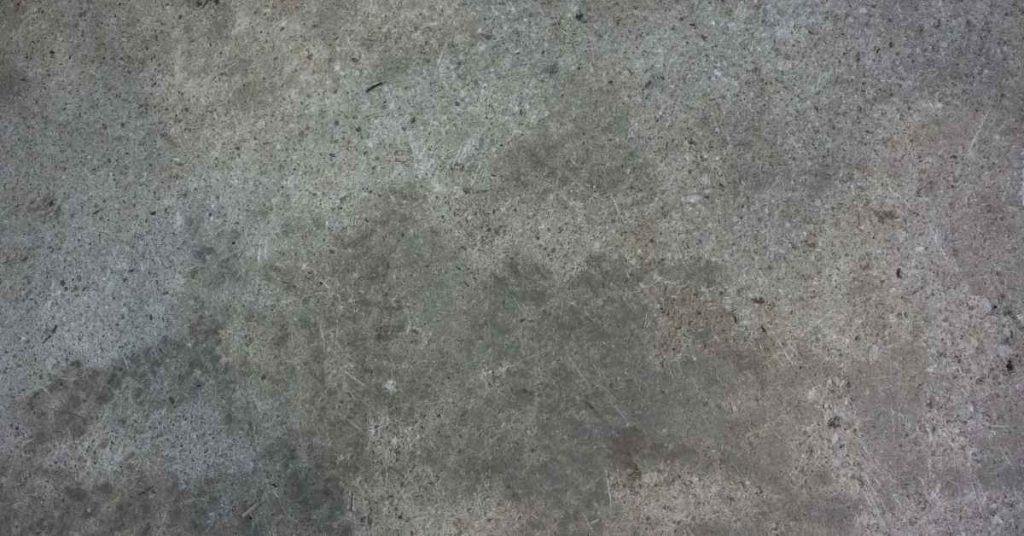
A machine-troweled finish is created by rapid, multiple passes with power trowels to harden the surface. This process yields a dense, low-porosity slab with a reduced surface profile. You can often spot it by its tight CSP and harder feel than broomed or lightly finished slabs.
Telltale signs of a dense finish include very smooth appearance, minimal surface capillaries, and high surface hardness. These traits influence stain penetration, absorption, and bond at the interface between stain and concrete. Typical causes of density are finish method, curing regimes, and the use of densifiers or chemical hardeners.
Surface chemistry and porosity basics
Concrete’s surface is a web of tiny pores, like a sponge. These pores allow liquids to penetrate and react with the concrete.
Machine-troweled surfaces have fewer, smaller pores due to their dense nature. This low porosity means stains can’t easily soak in or react with the concrete below.
Low porosity prevents penetrating stains from reacting or absorbing, leading to poor color development and potential failures.
Common finishes and where failures originate
Different finishing methods create varied surface profiles:
- Machine-trowel: Rapid, multiple passes with power trowels create a dense, low-porosity surface.
- Hand-trowel: Slower process allows more water evaporation, resulting in higher porosity.
- Power float: Smooths the surface but doesn’t significantly change porosity compared to machine-troweling.
- Burnished: Highly polished, lowest porosity of all finishes.
Each finish affects stain outcomes:
– Machine-trowel and burnished surfaces may lead to whitening or incomplete color development due to low porosity.
– Hand-trowel and power float surfaces generally allow better stain penetration but can still fail if too dense.
Types of concrete stains, dyes, and sealers — which work and which don’t
Dense, machine-troweled floors interact differently with acids, water-based stains, and solvent dyes. Surface density, epoxy or urethane topcoats, and prior sealers can limit dye or stain penetration and color uniformity. Distinguish acid stains, water-based stains, solvent dyes, and acetone dyes, and compare penetrating vs film-forming sealers.
Before full application, perform spot tests on representative areas, check moisture content, pH, and cleanliness, and test porosity and adhesion with both stain and sealer. Document results and drying times to guide your next steps. Clean and profile the surface as needed to improve compatibility.
Penetrating stains and densified concrete compatibility
Penetrating stains, like acid stains and reactive stains, rely on the porous nature of concrete to absorb color. Densified or machine-troweled floors have reduced porosity due to their smooth, compact surface.
Densifiers, used to harden and densify concrete, further reduce absorption. This makes it tough for penetrating stains to soak in evenly, leading to patchy results.
To check compatibility, perform spot tests on your floor. If the stain doesn’t absorb well or leaves inconsistent color, consider alternatives like surface-applied dyes or paints.
Surface-applied color systems and coatings (dyes, paints, overlays)
For non-porous floors, consider surface-applied color systems. These don’t rely on absorption but rather sit atop the concrete.
Dyes can be used to add color to dense surfaces. They’re typically water-based and provide consistent, uniform color. However, they may require a sealer for protection.
Epoxies and solid-color sealers are other options. These provide durable, long-lasting color but may alter the appearance of your floor if not applied correctly.
Overlays can also be used to change the color or texture of dense floors. They’re typically applied over a primer and provide a consistent, uniform finish.
Testing your concrete before staining: porosity, contaminants, and existing treatments
Porosity, contaminants, and any existing treatments can make or break stain performance. Define measurable outcomes like uniform absorption and even color to guide your testing plan. This helps you decide whether to proceed or adjust methods.
Porosity testing includes water drop tests, capillary absorption checks, and small dye tests to gauge penetration. Use spot tests with solvents on inconspicuous areas to detect film-forming coatings and note slick or dull residues. Plan remediation based on findings and consider lab analysis if results are inconclusive.
Water absorption (quick field) test and what results mean
The water drop test is a quick, easy way to check your concrete’s porosity. Here’s how:
1. Place a few drops of water on the surface.
2. Observe how they behave over 10-15 minutes.
Results:
– If water beads up and stays on the surface, your concrete is dense with low porosity. Choose stains designed for such surfaces.
– If water soaks in quickly, your concrete is porous. Opt for stains that penetrate well.
Chemical and adhesive residue checks
Before staining, check for sealers or curing compounds that could hinder absorption:
1. Apply a small amount of acetone to an inconspicuous area using a cotton swab.
2. Wipe gently. If the surface becomes dull or changes texture, you’ve found a film-forming coating.
What it means:
– Residues indicate existing treatments that could prevent stain absorption and cause blotching.
– Remedy: Strip or etch the surface before staining to ensure proper penetration.
Surface preparation strategies to make dense floors stainable
Set a clear objective: prep options should reliably yield stain absorption on dense, machine-troweled floors. Identify which method fits the surface condition based on quick tests and observations. This helps avoid over- or under-prepping.
Pre-checks include porosity tests and solvent-based checks for sealers or films, plus documenting surface contaminants. Options range from removing sealers, mechanical profiling, and acid or chemical etching, each with its own impact on profile and safety. Choose the method and test a small area first.
Removing existing sealers and coatings safely
Before you start staining, check if your concrete floor has any sealers or coatings. These can prevent stains from penetrating.
Solvent-based strippers are usually the best choice for removing sealers. Apply them with a brush or roller, let it sit, then scrub and rinse off. Always follow the manufacturer’s guidelines.
For tougher coatings like epoxy or urethanes, you might need to use heat guns. Scrape off as much as possible first, then use the heat gun to soften and remove the rest. Be careful not to damage the concrete.
After removal, perform an adhesion test with a piece of tape to ensure nothing’s left behind. If it sticks, strip again.
Creating a suitable surface profile (CSP) for penetrating stains
Penetrating stains need a rough enough surface to soak in. A good CSP has a micro-roughness of 1-2 mils.
The best way to achieve this is by diamond grinding. It’s precise and creates the right profile. Rent or buy a grinder with diamond blades, secure it properly, and grind in small sections.
Alternatively, you can use shot blasting, which shoots tiny steel shots at high speeds to create micro-roughness. It’s faster but can be messier and less precise than grinding.
After profiling, perform a visual check. The surface should look evenly roughened, not smooth or shiny. If it passes, move on to the next step.
Choosing the right products and tools for dense floors
Density from machine-troweling affects stain acceptance through porosity, capillary action, and surface glaze. Use this to frame your product selection. Consider how each option modifies absorption and color development on dense surfaces.
Compare penetrating stains, water- or solvent-based dyes, topical coatings, bond primers, and densifier-compatible stains. List the essential tools for each step, from grinders to test cards, and use test patches to verify adhesion and color before full application. Plan for proper sequencing and safety measures during the job.
Tools and materials checklist
Before you start, make sure you’ve got the right gear. This list covers essentials for prep and staining.
- Grinder: For surface prep and creating a suitable profile (CSP). Skip this, risk poor stain adhesion.
- Shot blaster or scarifier: To remove contaminants and create micro-pores. Miss this step, stains won’t penetrate well.
- Pressure washer: For thorough cleaning. Bypass this, you’ll struggle with stain acceptance.