
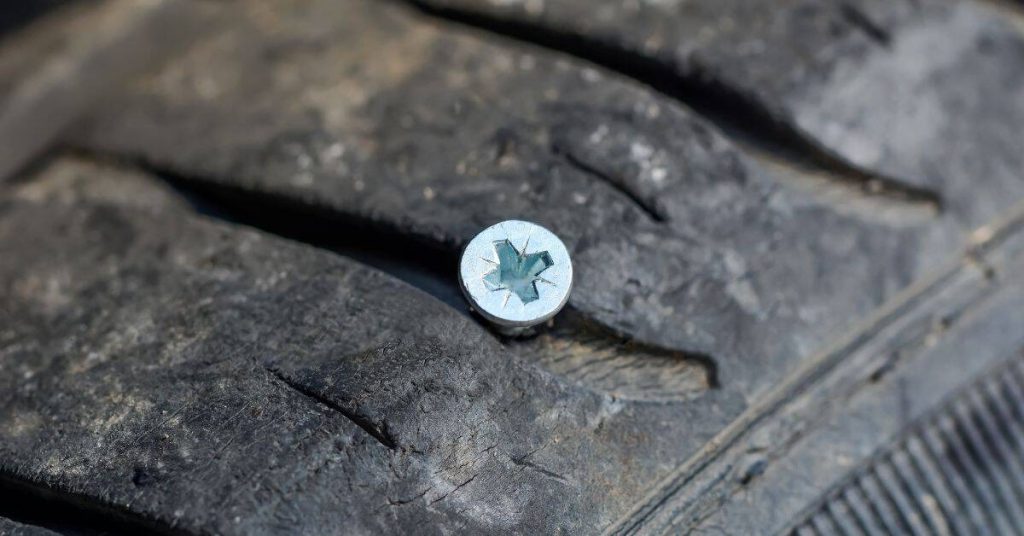
Introduction
Hot tire pickup is when a hot tire sticks to and pulls up a recently applied topcoat. It happens when the surface hasn’t finished curing or the coating isn’t the right match for the job. The fix starts with choosing the right topcoat and letting it dry properly before any traffic.
Check the product label and manufacturer instructions for cure times and recoat windows, and choose a topcoat with a suitable open time for your conditions. Apply with steady, even pressure and avoid laying down coatings when the surface is hot, dusty, or humid. If in doubt, test a small patch first and follow local rules for curing and protection until the surface is fully cured.
Key takeaways
- Select topcoats with high film hardness and adequate cure time for traffic.
- Match surface preparation to topcoat chemistry; clean, dry, and mechanically abrade as required.
- Follow cure-time guidance from manufacturers; environmental conditions can extend or shorten curing.
- Consider tire and vehicle factors: wheel weights, pressure, and controlled parking practices.
- Wear PPE and restrict access to fresh coatings until safe cure is reached.
- Perform on-site tests and visual checkpoints; reject or remediate if pickup symptoms appear.
Table of Contents
- Introduction
- Key takeaways
- What Is Hot Tire Pickup and Why It Matters
- Topcoat Chemistry and Surface Properties That Influence Pickup
- Cure Time, Cure Profile, and Environmental Effects
- Tire and Vehicle Factors That Drive Pickup Events
- Selecting or Formulating Topcoats to Minimize Pickup
- Application, Staging, and Process Controls
- On-Site Tests and Visual Checkpoints for Pickup Susceptibility
- Troubleshooting, Remediation, and Repair Strategies
- Conclusion
- FAQ
What Is Hot Tire Pickup and Why It Matters
Hot tire pickup happens when softened tire compounds transfer onto a freshly applied topcoat and lift it away. You’ll often see small impressions, shiny spots, or peeling edges as evidence of the transfer. The effect can impact appearance, safety, and warranty coverage on floors and coated surfaces.
Understanding the risk helps you plan proper surface preparation, product choice, and cure discipline. Look for clear guidance on label claims, data sheets, and manufacturer instructions before starting work. If in doubt, check local rules and the supplier’s notes to confirm how to mitigate this issue.
Mechanics of transfer and adhesion failure
Hot tire pickup happens when softened tire compounds stick to freshly poured concrete or coated surfaces. This is due to a few reasons:
Tack: Tires left on hot surfaces can become tacky, like chewing gum on a sunny day.
When you drive onto fresh concrete or coatings, this tackiness causes the tire to stick. Then, when you drive off, it lifts off tiny bits of the topcoat or cure layer.
This is a cohesive failure, meaning the coating sticks to itself better than it does to the surface below. Pressure and movement from driving exacerbate this, promoting pickup.
Typical scenarios and industries affected
Hot tire pickup is a common issue in various settings:
Garages: Especially in attached garages where the concrete slab is part of your home’s foundation, tires can pick up material as you pull into or out of your garage.
Service bays and showrooms: In commercial settings like car dealerships, tire pickup can occur on freshly coated surfaces during test drives or while vehicles are parked in showrooms.
New construction sites: During the curing process, tires from equipment or vehicles can pick up material from newly poured concrete slabs.
Topcoat Chemistry and Surface Properties That Influence Pickup
Different polymer types and how tightly they crosslink affect how easily a topcoat can be picked up. Higher crosslink density generally reduces tackiness and transfer potential. Gloss level and surface energy also play roles in how a polymer interacts with tire compounds.
Some chemistries are inherently more resistant to pickup due to their balance of hardness, elasticity, and chemical resistance. Always verify the product data sheet and manufacturer recommendations to understand performance expectations. If you’re unsure, consult the supplier for guidance on compatible substrates and typical use cases.
Polymer families and their behavior
Topcoats are made from different polymer types, each with its own behavior. Here’s what you need to know:
Urethanes are flexible, durable, and good for heavy traffic areas. They’re not the best at preventing pickup but offer decent resistance.
Epoxies are tough, chemical-resistant, and great for industrial floors. They have low tack retention, making them less prone to pickup.
Polyaspartics are fast-curing, UV-stable, and excellent at preventing pickup due to their high crosslink density and low surface energy.
Surface energy, texture, and cured film properties
The way your topcoat feels and looks when it’s dry matters for pickup resistance:
Smooth surfaces have lower surface energy, making them less sticky. Pickup is less likely.
Tack retention is the stickiness of a cured film. Low tack means less pickup. Epoxies and polyaspartics excel here.
Film hardness helps resist indentation from tires. Harder films, like those from urethanes and epoxies, are better at this.
Cure Time, Cure Profile, and Environmental Effects
There is a difference between a tack-free look and a fully functional cure. A surface may feel dry but not yet reach full strength or chemical resistance. Rushing cure time can leave the coating vulnerable to tire transfer and weekend traffic issues.
Check the manufacturer cure profile for guidance on air and surface temperatures, humidity, and time to full cure. If you need to verify specifics, reference the product label and technical data sheets. Environmental conditions during cure can strongly affect performance, so plan accordingly.
Stages of curing and why partial cure is risky
The cure process for concrete isn’t just about it looking dry. It’s a chemical reaction happening in stages.
First, you’ve got the initial set. That’s when your concrete goes from liquid to solid. But it’s not fully strong yet.
Then comes the final set, or full crosslinking. This is where the concrete gains its full strength and durability. It takes time, often days or weeks, depending on the mix.
Here’s why partial cure is risky: If you let tires sit on concrete before it’s fully cured, they can stick and leave marks when removed. So, don’t rely on looks alone to tell if your concrete is ready. Use objective checks like the ‘needle penetration test’ or follow the manufacturer’s recommended cure time.
Temperature, humidity, and contamination impacts
Cure rate isn’t just about time. It’s also about conditions. Temperature and humidity play a big role.
Too cold or too hot: If it’s freezing or sweltering, your concrete might not cure right. Check the manufacturer’s recommendations for ideal curing temps.
Humidity matters: Concrete needs moisture to cure properly. But too much humidity can cause issues too. Keep an eye on it.
Contaminants beware: Dirt, oil, or other contaminants on the surface can slow down or stop the curing process. Make sure your concrete’s surface is clean before applying any topcoat or allowing tire contact.
Tire and Vehicle Factors That Drive Pickup Events
Hot tires transfer more readily when the vehicle sits with weight on the coating for extended periods. Tire compound and tread pattern influence how much material is deposited. Temperature and ambient heat amplify softening and transfer risk.
Vehicle weight, parking duration, and tire condition all affect pickup potential. Some vehicles present higher risk due to sustained contact time or higher load. If unsure, review the tire specification and consider on-site tests under your expected conditions.
Hot tire behavior and compound transfer
Tire compounds soften when heated, increasing their likelihood of transferring to freshly poured concrete. This is known as hot tire pickup.
Heat cycles from vehicle operation cause tires to expand and contract. When tires are hot, the tread compound becomes more malleable, allowing it to adhere to uncured concrete surfaces.
Observe vehicle use patterns when planning coating work. Vehicles that operate frequently or sit idle with hot tires are higher risk for pickup events.
Load, contact area, and parking patterns
The weight distribution of a vehicle affects the pressure exerted by its tires on concrete surfaces. Heavier vehicles or those with concentrated weight (e.g., trucks) can cause more significant pickup events.
Wheel size also plays a role. Larger wheels have a smaller contact area, increasing pressure per square inch and transfer likelihood.
Long-term parking exposes tires to concrete for extended periods, allowing time for the softened tread compound to adhere and transfer. Minimize long-term parking on freshly poured concrete surfaces.
Selecting or Formulating Topcoats to Minimize Pickup
Choose commercial topcoats or custom formulations with a track record for low transfer risk. Look for notes on evaporation, cure behavior, and resistance to tire materials. Reading the data sheets helps you compare options without guessing.
Supplier consultation can clarify compatibility with substrates and environmental limits. Use the manufacturer instructions as your baseline, and verify any claims about pickup resistance before committing to a product. If you’re unsure, ask for test recommendations and typical field results.
Material specs and standards explained
Choosing the right topcoat material is crucial to minimize hot tire pickup. The specifications of these materials can greatly affect their performance.
- Abrasion Resistance: High abrasion resistance helps prevent tire marks from embedding into the surface. Look for a high Taber Abrasion value (e.g., 50-100 mg loss).
- Elongation: Good elongation allows the topcoat to flex without cracking under pressure from tires. Aim for an elongation of at least 50%.
- Recommended Cure Conditions: Follow manufacturer’s recommended cure conditions to ensure optimal performance and minimize pickup risk.
- Glass Transition Temperature (Tg): A higher Tg ensures the topcoat remains hard and resistant to tire marks at typical parking temperatures. Aim for a Tg above 50°C.
- Pigment Volume Concentration (PVC): Low PVC helps achieve better film properties and reduces pickup risk. Aim for a PVC below 40%.
Additives and formulation tweaks that help
Incorporating certain additives or adjusting the formulation can further reduce hot tire pickup tendency.
Matting Agents: Adding matting agents like silica or wax can lower surface gloss and reduce pickup by creating a less tacky surface. Be careful not to add too much, as it can affect film properties.
Slip Modifiers: Slip modifiers like polyethylene or polypropylene waxes can help tires slide off the surface rather than sticking. Again, use in moderation to avoid compromising other film properties.
Increasing Crosslink Density can make the topcoat more resistant to tire marks by making it harder for the tire compound to penetrate the surface. However, be mindful of the trade-off with flexibility. Reducing Plasticizer Content can also help minimize pickup by making the topcoat less soft and tacky.
Application, Staging, and Process Controls
Follow a disciplined workflow: surface prep, appropriate sealing or primer if needed, and controlled application thickness. Avoid overspray or uneven coats that can create transfer-prone zones. Plan sequencing to minimize vehicle contact during cure.
Staging before vehicle return matters. Keep the area clean, dry, and free of debris, and confirm that edges are fully cured before traffic resumes. When in doubt, rely on the product’s staging and cure guidance from the label or technical data sheet.
Surface preparation and priming strategy
Before applying your topcoat, it’s crucial to prepare the surface right. This means cleaning off any dirt, grease, or contaminants that could interfere with bonding.
Proper profiling is also key. You want a smooth, even surface for your topcoat to adhere to. Fill any cracks or holes and grind down any high spots.
Use a compatible primer. This seals the substrate, improves adhesion, and helps prevent moisture from getting trapped under your topcoat. Let it dry completely befo