
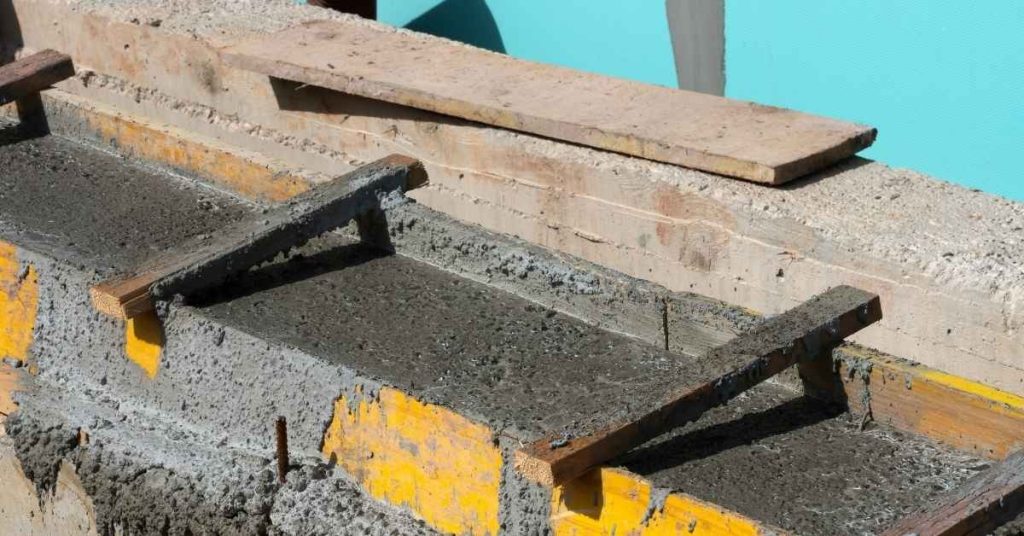
Introduction
A concrete pour that stays soft longer than expected needs diagnosis, not an improvised fix. Cold concrete, a delayed delivery, excess water and prolonged bleeding, a retarding or incompatible admixture, or a material/batching error can all delay setting. First determine whether the concrete itself is still plastic or whether only the surface is wet or slow to become finish-ready.
Know the difference: setting is the loss of plasticity; hardening and strength gain continue afterward; surface drying is moisture loss and is not a reliable measure of set. A surface can lose its sheen before the concrete has set, and curing protects concrete after finishing—it does not normally make the mix set faster. See the FHWA guidance on bleeding, finishing, and curing timing.
For a small, nonstructural bagged-mix repair, follow the exact product label. For ready-mix, reinforced, load-bearing, commercial, prestressed, or specified work, contact the supplier immediately before changing anything. Do not add water, cement, accelerator, or another chemical to concrete that has already been placed unless the supplier and project specification provide a validated procedure.
Key takeaways
- Record placement and delivery times, concrete temperature, weather, water additions, and admixtures before deciding the concrete is delayed.
- Cold concrete can delay setting and strength development; wind, sun, low humidity, and hot concrete mainly raise moisture-loss and finishing risks.
- Wait for bleed water to stop and for the surface to support finishing without tearing. Do not work bleed water or added water into the surface.
- Use curing covers, shade, windbreaks, misting, or curing compounds only as directed to control evaporation and protect curing—not as a way to speed setting.
- For structural or suspect ready-mix work, preserve the batch ticket and call the supplier or engineer rather than attempting an on-site correction.
Table of Contents
- Introduction
- Key takeaways
- Why Concrete Sometimes Sets Too Slowly
- How Weather and Site Conditions Influence Set Time
- Early Signs a Pour Is Setting Too Slowly and Immediate on-Site Troubleshooting
- Accelerating Admixtures and Additives: Options and Selection
- Adjustments to Mix Design and Placement Practices to Speed Set Time
- Safety Protocols and Quality Control When Modifying Mixes on-Site
- Cost Implications and Scheduling Strategies to Avoid Delays
- Common DIY Mistakes and a Pre-Pour Checklist to Prevent Slow Setting
- Conclusion
- FAQ
Why Concrete Sometimes Sets Too Slowly
Set time comes from the whole concrete system: temperature, cementitious materials, water, admixtures, batching, mixing, and elapsed time. A soft surface alone cannot identify the cause. Compare the observed behavior with the product instructions or approved mix information and with the expected delivery and placement sequence.
Chemical causes (cement type, additives, retarders)
Retarders deliberately extend working time, and an incorrect dose or an admixture compatibility problem can produce an unexpected delay. Cement type can affect early behavior, but there is no dependable rule that Type I always sets faster than Type II; cement composition, temperature, supplementary materials, and admixtures also matter. The American Cement Association’s overview of cement types is useful background, but the approved mix data—not the cement designation alone—should guide a pour.
For bagged products, do not substitute cement, additives, or a generic water-cement-ratio target. The bag label controls water amount, mixing method, temperature limits, and whether an accelerator is compatible.
Physical causes (temperature, water content, mixing)
Cold concrete generally sets and gains strength more slowly. Excess water can increase bleeding and may extend finishing time while reducing hardened performance. In contrast, a mix that is merely stiff from too little water is a workability problem, not proof of a delayed set; do not correct either condition by guessing at water additions.
Delayed discharge, poor batching, inadequate mixing, or a truck held too long can also affect behavior. For ready-mix, verify these points from the batch ticket and supplier records instead of relying on touch or appearance.
Material quality and contamination issues
- Old or damp bagged material: Do not use bags that are wet, hardened, damaged, or outside the manufacturer’s stated storage limits.
- Contaminated ingredients: Dirt, clay, salts, or unknown materials can affect performance. Do not use questionable sand, aggregate, water, or containers.
- Incorrect admixture dose or sequence: This requires supplier or manufacturer review, especially when more than one admixture is involved.
- Inconsistent batches: Changes in color, texture, or workability between batches warrant a pause and documentation; they do not, by themselves, identify the cause.
How Weather and Site Conditions Influence Set Time
Use actual conditions, not a universal “safe” air-temperature range. Concrete temperature, air temperature, wind, relative humidity, sun exposure, mixture, and available protection all matter. Record concrete temperature at discharge when practical, plus air conditions and the time of placement. Follow the product instructions or the project’s cold- or hot-weather plan.
Cold weather impacts and mitigations
Cold concrete slows hydration, setting, and early strength development. Before the pour, arrange approved protection such as insulated blankets or an enclosure and confirm the supplier’s cold-weather recommendations. Do not expose fresh concrete to freezing conditions. For structural work, the supplier or engineer must direct temperature protection and any mix adjustment.
Hot weather impacts and mitigations
Hot concrete can shorten working time, while heat, wind, and low humidity can remove surface moisture quickly. That can make finishing difficult even when the concrete has not set. Plan delivery, shade materials where appropriate, use windbreaks, and have finishing and protection ready. These measures manage evaporation and temperature; they do not reverse an admixture or batching problem. Related guidance: Accelerator + Superplasticizer Interactions: The Combo That Can Flash Set.
Wind, sun, and humidity effects
Wind, direct sun, warm concrete, and low relative humidity increase evaporation risk. Higher humidity generally reduces it. Use shade and windbreaks where practical, and use fogging, covers, or curing products only at the product-specified time and rate. Do not mist, cover, or apply curing compound in a way that damages a bleeding or unfinished surface.
Early Signs a Pour Is Setting Too Slowly and Immediate On-Site Troubleshooting
Unusually long plasticity, recurring bleed water, or a surface that tears when finishing is attempted can justify investigation. A glossy, tacky, chalky, or dry-looking surface is not a conclusive diagnosis. Do not improvise a slump or air test after placement; those tests require a representative fresh sample and proper equipment.
First-response checklist
- Stop guessing. Do not add water, dry cement, accelerator, or other chemicals to placed concrete.
- Observe safely. Check for persistent bleed water, segregation, settlement, and whether the same behavior occurs across the placement. Wear alkali-resistant gloves, eye protection, boots, and long sleeves around wet concrete.
- Record conditions. Note discharge and placement times, current time, concrete and air temperature if available, wind, sun/shade, weather changes, and photos.
- Review records. For ready-mix, retain the batch ticket and note truck number, water added, specified mix, and admixture information. For bagged mix, retain the product name, bag information, water used, and mixing time.
- Decide the path. Cold conditions call for approved protection; visible bleeding means wait before final finishing; a delayed delivery or suspected admixture/batching issue calls for the supplier; normal slow finishing timing calls for patience and surface protection.
- Escalate. For structural, reinforced, load-bearing, commercial, or otherwise specified work, call the supplier immediately and follow the engineer or testing agency’s direction.
Visual and tactile checkpoints to monitor setting
- Bleeding: Surface water may be normal early on, but recurring water means do not start final finishing or work it back into the surface.
- Finish response: A float or trowel should not tear the surface or pull up wet paste. This is a practical finishing check, not a strength test.
- Uniformity: Segregation, unusual color changes, or markedly different behavior between batches should be documented and reported.
- Time and temperature: These are more useful than touch alone for judging whether delay is plausible.
- Surface appearance: A sheen, tackiness, or chalkiness can have several causes. Treat it as an observation, not proof of excess air, excess water, or an admixture error.
Rapid, safe interventions during the pour
Slow or pause placement if the crew cannot place and finish safely or if the batch appears abnormal. Protect fresh concrete from cold air and freezing with approved insulation or an enclosure; use windbreaks or shade to limit evaporation where needed. Keep the placement and finishing crew ready, but do not overwork the surface.
Do not use “constant agitation” or additional mixing as a cure for an already suspect batch. Follow supplier instructions on discharge limits and handling. If the supplier confirms that the behavior is within the approved mix’s expected range, continue only with the specified finishing, curing, and protection plan.
When to stop the pour and call for expert help
Stop improvised correction and obtain direction when concrete is structural or reinforced; a wrong batch, contamination, incorrect admixture dose, or severe delivery delay is suspected; freezing is possible; segregation is visible; or concrete remains abnormally plastic beyond the supplier’s expected window. Preserve tickets, delivery/discharge times, admixture records, temperature readings, photographs, and any properly obtained samples. Ask whether specified cylinders, maturity monitoring, or other testing is needed; surface hardness and elapsed time do not establish strength.
Accelerating Admixtures and Additives: Options and Selection
An accelerator is a pre-pour mix-design decision, not a surface-applied rescue treatment. Its dosage, addition point, compatibility, temperature limits, and effect on workability and early strength are product-specific. For bagged concrete, use one only when the exact product label explicitly permits it. For ready-mix, the supplier and project specification control the product and dosage.
Types of accelerators and how they work
Accelerators can shorten set time and/or increase early strength, but the result depends on the complete mixture and conditions. Chloride-containing products have restrictions related to reinforcement, embedded metals, exposure, and project specifications. Do not assume calcium chloride is acceptable simply because a small pour appears non-reinforced. Non-chloride products may be appropriate in some applications, but they still require confirmed compatibility.
Specialty rapid-setting cement systems are not interchangeable with ordinary concrete or a general DIY accelerator. Use them only as a complete, manufacturer-specified system.
Choosing the right product for your mix and structure
Before a future pour, ask the supplier or manufacturer whether the proposed accelerator is compatible with the cementitious materials and any water reducer, retarder, air entrainer, fly ash, or slag in the mix. Confirm its intended use, dosage, mixing sequence, temperature range, curing requirements, and restrictions for reinforcement or exposure. A trial batch is useful only when it follows the same approved materials and instructions as the actual work.
Safety and structural considerations for additives
Read the SDS and technical data before handling an admixture. Keep it in its original labeled container; use the stated PPE, ventilation, storage, and spill procedure. Obtain required approvals before changing a specified mix. Never sprinkle, inject, or mix an accelerator into concrete already placed unless a supplier-provided procedure specifically directs it.
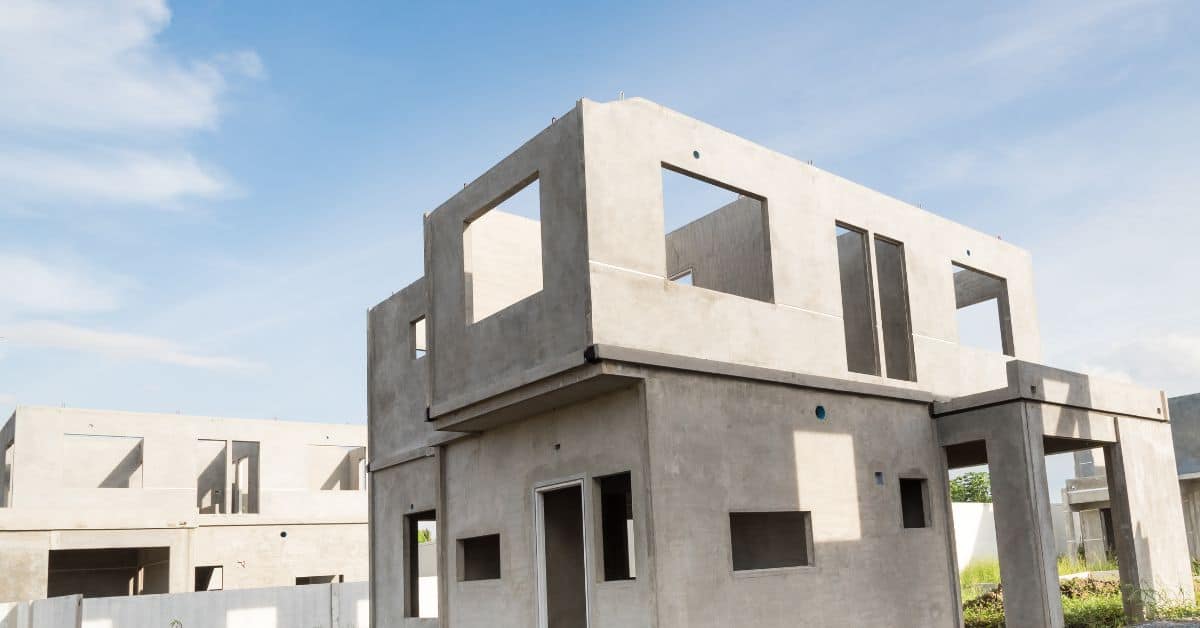
Adjustments to Mix Design and Placement Practices to Speed Set Time
Change a mix only before batching and only within manufacturer or project limits. Reducing water, changing cement, or selecting a set-control admixture can affect workability, bleeding, finishability, heat development, cracking risk, durability, and strength. Those choices belong to the bagged-product instructions or an approved ready-mix design—not to an on-site estimate.
Mix-level adjustments (water reduction, cement selection)
For bagged concrete, measure the exact water quantity and mixing time stated on the package; different products have different formulations. For example, the QUIKRETE Concrete Mix data sheet gives product-specific water and mixing instructions rather than a universal water-cement-ratio target. Do not add extra water to improve finishing or remove water from the formula in an attempt to speed set.
For ready-mix, discuss future-pour changes with the supplier. Cementitious materials and set-control admixtures may change early behavior, but selection requires the approved mix information and job conditions.
Placement techniques that maintain momentum
Have enough people and tools to place, consolidate, screed, and protect each batch without avoidable delays. Place and consolidate concrete according to the project method, avoiding segregation and over-vibration. Begin final finishing only after bleed water has ceased and the surface supports the operation without tearing. Do not confuse a delayed finishing window with a defective set.
Equipment and site setup to avoid hold-ups
- Mixing and placement tools: Check the mixer, wheelbarrows, chutes, rakes, screeds, floats, and trowels before starting.
- Protection: Have appropriate covers, insulation, shade, or windbreaks ready for the expected conditions.
- Records and contacts: Keep the bag instructions or batch ticket, a clock, thermometer if available, phone, and supplier contact information on site.
- Safety: Have gloves, eye protection, boots, clean water for washing exposed skin, and a safe cleanup area ready.
Safety Protocols and Quality Control When Modifying Mixes on-Site
Wet concrete is caustic and admixtures may have additional hazards. Wear waterproof alkali-resistant gloves, eye protection, boots, and protective clothing; wash wet concrete from skin promptly. Read the SDS for every admixture and keep products labeled and stored as directed.
Personal protection and chemical handling
Do not handle unfamiliar chemicals without the product instructions and SDS. Use the stated ventilation and spill response measures, and keep admixtures out of reach of children and away from incompatible materials. If wet concrete contacts eyes or causes a persistent skin burn, flush with clean water and seek medical advice.
On-site testing and ongoing monitoring
For a small DIY repair, meaningful records are usually the product, water amount, mix time, placement time, weather, and observations. Slump, air content, strength specimens, and maturity monitoring are qualified-testing tools and are not normally homeowner checks. On specified or structural work, use the testing plan and ask the supplier or testing agency whether a valid fresh sample remains available.
Documentation, approvals, and regulatory compliance
For ready-mix or specified work, record all approved changes, water additions, admixture details, times, temperatures, and supplier instructions. Do not remove forms, load the concrete, or make structural decisions based on elapsed time alone when set or strength development was delayed. Follow the required strength, maturity procedure, specification, or engineer’s direction.
Cost Implications and Scheduling Strategies to Avoid Delays
The least costly response is often to postpone a pour when conditions or preparation are unsuitable. A pre-approved weather plan, reliable delivery timing, adequate crew, and ready protection reduce the chance that a slow set becomes a finishing or rework problem.
Cost vs. delay: evaluating accelerators and extra labor
For a future pour, compare the cost of supplier-approved cold-weather protection or an approved mix adjustment with the cost of rescheduling, extended labor, equipment time, and potential repairs. Do not choose an accelerator solely to meet a schedule; it must suit the mix, structure, and exposure conditions.
Pre-pour coordination with suppliers and contingency planning
Confirm the exact mix, delivery sequence, expected conditions, protection materials, finishing crew, and supplier contact before placement. Ask in advance what the supplier wants documented if a truck is delayed or the concrete behaves unexpectedly.
When to hire specialized help for large pours
Use qualified concrete and engineering help for large, reinforced, structural, load-bearing, tight-tolerance, cold-weather, or otherwise critical pours. They can establish the mix, testing, protection, finishing, and form-removal requirements before placement begins. Related guidance: Concrete Bonding Agents: When they help and when they make repairs weaker.
Common DIY Mistakes and a Pre-Pour Checklist to Prevent Slow Setting
Good formwork, subbase preparation, reinforcement placement, and joint planning are important for quality, but they are not routine direct causes of slow setting. Focus slow-set prevention on the correct product, measured water, mixing method, timing, conditions, and protection.
Typical DIY Pitfalls (Overwatering, Late Admixture Addition, Poor Staging)
- Overwatering: Use only the water amount on the exact bag label. Do not add water after mixing to make finishing easier.
- Unapproved additives: Do not use an accelerator or other admixture unless the product instructions specifically allow it and state how to add it.
- Mixing inconsistently: Measure water and follow the listed mixing time for every batch.
- Starting without protection: Have covers, insulation, shade, or windbreaks ready for the forecast conditions.
- Finishing too early: Do not finish bleed water into the surface or keep troweling a surface that tears.
- Rushed stripping or loading: Follow the product’s curing and loading guidance; do not rely only on the clock.
Tools, Materials, and Visual Checkpoints Checklist
- Concrete mix: Correct product, undamaged dry bags, and the product instructions.
- Measured water: A clean measuring container; do not estimate by hose flow.
- Mixing and finishing equipment: Mixer or mixing tub, hoe, wheelbarrow, screed, float, trowel, and cleanup tools.
- Weather and timing tools: Clock, phone, thermometer if available, and a forecast check.
- Protection: Appropriate covers, insulation, shade, or windbreaks ready before mixing.
- PPE: Gloves, eye protection, boots, long sleeves, and clean water for wash-off.
Post-Pour Curing and Salvage Steps for Marginal Pours
- Delay final finishing when needed: Wait until bleed water is gone and the surface can be finished without tearing.
- Cure at the proper time: After finishing and when the product directions permit, apply the specified curing method. Curing retains moisture and protects temperature and surface quality; it does not normally accelerate set.
- Protect from weather: Use covers, insulation, shade, or wind protection as appropriate without marking or damaging the surface.
- Do not disguise a defect: An overlay, coating, or surface treatment cannot establish that a marginal structural pour has adequate strength.
- Escalate when uncertain: For severe delay, freezing exposure, segregation, suspected contamination, or structural work, contact the supplier or engineer before form removal, loading, or repair.
Conclusion
When concrete seems slow to set, separate normal finishing timing from a true set delay. Record time and temperature, look for bleeding and non-uniformity, review the product label or batch ticket, and protect the concrete from harmful weather conditions.
Do not try to rescue placed concrete with added water, cement, or accelerator. Finish only when the surface is ready, start curing at the specified time, and keep forms in place until the required instructions or strength criteria are met. Call the supplier or an engineer early when the work is structural, the mix is suspect, or conditions exceed the approved plan.
FAQ
How can I tell whether concrete is actually setting slowly?
Use time, concrete temperature, delivery records, and the expected product or mix behavior—not surface tackiness alone. Persistent bleed water, unusually long plasticity, or a finish that continually tears can justify investigation, but each has more than one possible cause.
Can I add accelerator to concrete that is already in the forms?
No—not without a supplier- and specification-approved procedure for that exact mix. Do not sprinkle or inject accelerator, cement, water, or another chemical into placed concrete. For bagged mix, any approved accelerator must be used exactly as the product instructions direct before placement. Related guidance: Bugholes on Formed Concrete: Vibration, release agents, and mix tweaks that help.
Does keeping concrete wet make it set faster?
No. Proper curing helps protect hydration, temperature, and surface quality after finishing, but it does not normally speed setting. Apply covers, misting, or curing products only at the timing and rate specified for the product or project.
When should I call the ready-mix supplier or an engineer?
Call immediately for structural, reinforced, load-bearing, commercial, or specified work; suspected wrong batching or admixture dosage; severe delivery delay; freezing risk; contamination; segregation; or an unexplained delay. Keep the batch ticket, times, temperatures, photos, and records of any water or admixture additions.