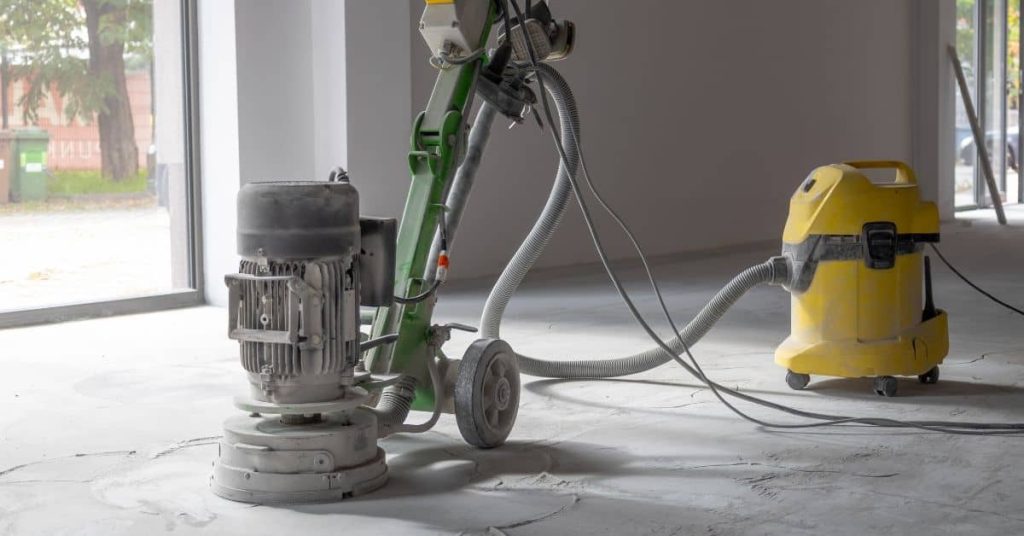
Concrete floor grinder connected to yellow vacuum cleaner

Bugholes on Formed Concrete: Vibration, release agents, and mix tweaks that help

Introduction

Bugholes on formed concrete are small air cavities that mar the surface after form removal. They happen from trapped air, sticky release agents, or improper vibration. In DIY work, you can reduce them by adjusting how you vibrate, how you release the form, and how you mix your concrete.

Use the right vibration technique to pop air pockets, but don’t over-vibrate. Choose release agents that suit your form material and follow label instructions, and check for residue that can trap air. If you adjust your mix or additives, stay within the ranges recommended by the product instructions and local rules, and verify any changes with the manufacturer or a pro if needed.

Key takeaways

  • Causes include inadequate vibration, over-consolidation, aggregate gaps, and improper formwork alignment.
  • Use controlled wand or internal vibration with short cycles; avoid over-vibration near surfaces.
  • Choose compatible release agents; apply evenly and avoid pooling to reduce bugholes.
  • Adjust slump with modest additions and avoid excess water or slump loss.
  • Coordinate pour sequence and form removal timing to minimize bughole formation.
  • Plan repair strategies and patching methods for minor bugholes during finishing.
  • Wear respirators and eye protection when mixing and vibrating; follow site rules.
Table of Contents

What Are Bugholes and How to Identify Them

Bugholes are air voids trapped during vibration that leave small holes or pockmarks on the concrete surface. They differ from laitance, which is a cement-cream on the surface, and from blowholes, which are larger, unconsolidated voids. Recognizing the difference helps you target the right cure and prevention steps.

Look for a regular pattern of dimples or voids across the slab, with a texture that feels rough or uneven under lighting. A glare-free inspection helps distinguish actual holes from surface sheen or discoloration. Structural and aesthetic implications are important for overlays, bonding, and overall quality perception.

Definition and types of bugholes

Bugholes are small air voids trapped within concrete during the vibration process. They differ from other surface defects like laitance, which is a cement-cream on the surface, and blowholes, which are larger, unconsolidated voids.

Typical bugholes range in size from 1/8 to 3/4 inch (3 to 20 mm) in diameter. They can appear as small, dark spots on the concrete surface, often arranged in patterns due to their formation during vibration.

Key: Unlike laitance and blowholes, bugholes are not caused by surface issues or improper finishing but rather by air entrapment during compaction.

Visual checkpoints and inspection protocol

Inspect formed concrete for bugholes before stripping forms and after, to assess severity and document patterns. Use this checklist:

  • Pre-strip inspection: Check surface with a glare-free light source. Mark any visible defects.
  • Post-strip inspection: Inspect again in natural light. Map defect locations and count them.
  • Lighting: Use portable, adjustable lights to reveal hidden defects. Check edges and corners thoroughly.
  • Surface mapping: Mark or photograph defect patterns for future reference. This helps identify trends and troubleshoot issues.
  • Size check: Measure a few bugholes with a tape measure to confirm they’re within typical size range (1/8 – 3/4 inch).
  • Distribution check: Note if defects are randomly distributed or grouped. This can indicate the cause.
  • Timing note: If bugholes appear after stripping, they might be due to form release agents not being removed properly. Check and clean if necessary.
  • Documentation: Keep records of inspections for future reference and quality control improvements.

Quick rule: Always inspect in both pre- and post-strip stages to get a complete picture of bughole severity and distribution.

Root causes at a glance

Bugholes are primarily caused by air entrapment during concrete placement and vibration. Here’s what goes wrong:

Inadequate vibration: If concrete isn’t vibrated enough, air pockets can form and get trapped within the mix.

Form surface issues: Rough or improperly oiled forms can trap air, leading to bugholes. Similarly, poorly cleaned forms may leave residue that traps air.

Placement and consolidation problems: Rapid placement of concrete without proper vibration can lead to air entrapment. Additionally, poor consolidation at the bottom of slabs or walls can cause bugholes to form there.

Back to top ↑

Formwork, Form Finishes, and Release Agents

Form material and surface texture influence bughole size and reflectivity. Wood, steel, and fiberglass forms can trap air differently, and rough finishes tend to hide or reveal defects in distinct ways. Note which combinations are prone to air pockets and release challenges.

Consider release agent options and their compatibility with your concrete mix. Guidance on application thickness, cure timing, and potential staining helps prevent bond or surface issues. Plan surface preparation, form sealing, and inspection criteria to judge bughole density after cure.

Types of release agents and how to choose

Release agents are crucial for creating a smooth, bughole-free concrete surface. They work by preventing the concrete from bonding with the formwork. Here’s what you need to know:

Barrier films create a physical barrier between the concrete and the form. They’re great for achieving a high-gloss finish but can be tricky to apply evenly.

Reactive oils chemically react with the concrete, creating a bond-breaking layer. They’re easy to apply but may stain if not removed promptly. Choose ones compatible with your concrete mix and cure time.

Water-based agents are eco-friendly and easy to clean up. They work well on most form materials but may require additional steps to prevent staining or bonding issues.

Thin-film products combine the benefits of barrier films and reactive oils, offering ease of application and stain resistance. However, they can be more expensive.

Correct application methods and common mistakes

Applying release agents correctly is key to preventing bugholes. Here are some common mistakes to avoid:

  • Over-application: Too much agent can lead to pooling, which creates weak spots in your concrete.
  • Uneven spraying: Inconsistent application results in a patchy finish and increased bughole risk.
  • Incorrect timing: Applying too early or too late can cause the agent to break down or not work at all.
  • Ignoring form texture: Not accounting for the form’s surface can lead to uneven finishes and more bugholes.

To avoid these, apply release agents evenly, following the manufacturer’s guidelines. Reapply as needed but avoid over-application. Time your application right before pouring to ensure the agent is still effective.

Form material and surface preparation

The type of formwork you use significantly impacts your concrete’s finish and bughole count. Here are some materials to consider:

  • Plywood: Inexpensive but can warp or crack over time, leading to bugholes. Use high-quality plywood and secure it well.
  • Steel: Durable and smooth, steel forms give a consistent finish. Ensure they’re clean and free of rust before use.
  • Plastic: Lightweight and easy to handle, plastic forms can create a smooth finish. However, they may not be suitable for large pours due to their flexibility.
  • Coated forms: Forms with release agent coatings provide an extra layer of protection against bugholes but can be more expensive.

Regardless of the material, always clean and prepare form surfaces before use. Remove any dirt, grease, or previous concrete residue to prevent bonding issues and increase the effectiveness of your release agent.

Back to top ↑

Vibration and Consolidation Techniques

Internal vibration (poker) and external vibration (tables or pads) serve different roles in breaking air voids and improving form contact. Each method affects bleed water and consolidation around corners, which matters for tight geometries. Use both wisely to avoid creating new voids elsewhere.

Follow practical guidelines for frequency, amplitude, and duration, and avoid over-vibration that can re-trap air or cause segregation. Coordinate timing with pour progression and use post-pour light consolidation to seal surface pores without enlarging holes.

Internal vs external vibration: effectiveness and limitations

Both internal and external vibration play crucial roles in consolidating concrete, but they work differently. Internal vibration, using a poker vibrator, is best for breaking air voids deep within the mix. It’s ideal for large pours or complex forms where reaching with an external vibrator might be difficult.

External vibration, like vibrating tables or mold contact pads, excels at consolidating concrete near form surfaces. It helps improve contact and reduce bugholes around corners or in tight spaces. However, it may not reach as deep into the mix as internal vibration.

Signs of insufficient vibration: honeycombing (swiss cheese-like surface), stringing (excessive water on top), and persistent air voids. Excessive vibration: aggregate segregation, entrapped air, and a rough surface finish.

Practical vibration procedures and troubleshooting

Start vibrating immediately after placing concrete, before it starts to set. For internal vibration, insert the poker vibrator at multiple points, moving in a grid pattern to ensure even consolidation. External vibration should be applied continuously during placement.

Common problems and fixes:

  • Stringing (excessive water): Reduce water-cement ratio or use a different cement type. Vibrate more thoroughly.
  • Honeycombing (surface voids): Increase vibration duration, ensure proper form contact with external vibrators, or adjust mix design.
  • Surface bubbling: Reduce air entrainment in the mix, use a finer aggregate, or increase vibration time.

Safety and operation of vibrating equipment

Vibrating equipment can pose hazards if not handled properly. Always wear appropriate PPE, including safety glasses, gloves, and hearing protection.

  • PPE: Protect eyes from debris, hands from vibration injuries, and ears from excessive noise.
  • Safe handling: Keep cords away from moving parts, never operate with wet hands, and maintain a stable footing.
  • Inspect equipment: Check cords for fraying, plugs for damage, and ensure all guards are in place before use. Rentals should be inspected upon delivery.
  • Avoid over-vibration: Monitor vibration duration and frequency to prevent aggregate segregation and worker fatigue.
  • Prevent worker injury: Train operators on proper techniques, provide regular breaks, and encourage open communication about any discomfort or concerns.

Back to top ↑

Mix Design Tweaks to Reduce Bugholes

Set clear goals for mix tweaks: better flow and surface finish while minimizing entrapped air, without detailing exact dosages. Think in terms of qualitative changes you can observe in the field. Always verify compatibility with form release agents before making changes.

Consider how cement type, supplementary cementitious materials, and aggregate grading influence paste mobility and compaction. Adjust water content, superplasticizers, and viscosity modifiers with caution, and test one variable at a time to see the effect on surface quality and bughole appearance.

Water-cement ratio, aggregate grading, and workability

The water-cement (w/c) ratio is key to reducing bugholes. Lower w/c means less water, less bleeding, and fewer voids.

Too low, it’s hard to place; too high, it bleeds too much, leading to segregation and surface issues.

Aggregate grading affects workability. Well-graded mixes (like a good sand pile) pack better, reducing voids. Coarse aggregates should be angular for better interlocking.

Admixtures: plasticizers, air-entrainers, and viscosity modifiers

Superplasticizers boost workability without extra water. They help reduce bugholes by improving flow and consolidation.

Air-entraining agents introduce tiny bubbles that rise to the surface, helping release excess water and reducing voids. But be careful: too much air can weaken concrete.

Viscosity modifiers help control bleeding and segregation. They keep concrete cohesive until it sets, preventing bugholes from forming due to excessive water movement.

Alternative mixes: SCC and polymer-modified systems

Self-consolidating concrete (SCC) flows like liquid, filling forms with minimal vibration. It reduces bugholes due to improved flow and less air entrapment.

Polymer-modified mixes use additives like PVA or acrylic polymers. They improve surface finish, reduce water demand, and enhance cohesion. But they can be more expensive.

Both SCC and polymer-modified mixes need careful proportioning and proper placement techniques to avoid unintended issues like excessive bleeding or segregation.

Back to top ↑

Close-up of various crushed concrete aggregate stones

Environmental, Placement Timing, and Planning Considerations

Document environmental windows such as temperature, humidity, wind, and ambient conditions that affect bughole formation. Have practical contingency plans like shade or windbreaks ready if conditions change. These notes help you decide when to pour or postpone safely.

Plan pour timing and sequencing to minimize rapid changes that trap air. Coordinate lift-by-lift pours and joint spacing with your crew so consolidation proceeds smoothly. Check how temperature and moisture interact with release agents before you pour.

Impact of temperature and humidity on bugholes

Temperature affects concrete setting time. Cold conditions slow down the process, allowing air to get trapped and form bugholes. Hot weather speeds up setting, reducing air release.

Cold temperatures: Use heated water or ice in your mix to raise temperature. Consider using accelerators, but be mindful of their effect on setting time.

Hot temperatures: Keep concrete shaded and use temperature-controlled water. Slow down the pour rate to give air more time to escape.

Pour sequencing, rate, and staging best practices

Minimize trapped air by maintaining a continuous pour. Thinner lifts allow better vibration and air release.

Layer thickness: Keep lifts thin – around 6 to 8 inches (150 to 200 mm). This allows for better vibration and air release.

Pour rate: Maintain a steady pour rate. Rapid changes can trap air. Coordinate with your crew to keep the pace consistent.

Pre-pour planning checklist

Use this checklist: Before each pour, ensure everything is ready to minimize surprises and reduce bugholes.

  • Form cleanliness: Inspect forms for debris. Clean if necessary. Trapped dirt can cause air pockets.
  • Release agent plan: Choose the right release agent (see Formwork, Form Finishes, and Release Agents). Ensure it’s applied evenly.
  • Vibration equipment: Check vibrators are in working order. Have enough for the job size.
  • Mix trials: Conduct small-scale mix trials to ensure consistency and workability.
  • Personnel roles: Assign clear roles – who’s vibrating, finishing, etc. Good coordination prevents air pockets.
  • Environmental conditions: Monitor temperature, humidity, and wind. Adjust plans as needed (see Impact of temperature and humidity on bugholes).
  • Pour sequence: Plan lifts and pour order to minimize rapid changes (see Pour sequencing, rate, and staging best practices).
  • Release agent application: Reapply release agent before each lift. It wears off during vibration.
  • Formwork inspection: Check forms for leaks or weak points that could trap air.

Quick rule: If you’re unsure about any aspect, double-check. A little extra time spent planning can save a lot of trouble later.

Back to top ↑

Finishing, Stripping, Cleaning, and Repair of Bugholed Surfaces

Post-pour actions influence bughole appearance, including moisture control and removal of release agent residues. Handle surfaces gently to avoid enlarging holes during early finishing. These steps set up the final texture you’ll see.

Stripping timing and methods matter to prevent tearing or new bugholes. Follow a controlled sequence, watch temperature and moisture, and avoid forcing forms away too soon. Cleaning should remove laitance without dulling texture, using appropriate cleaners and methods.

Stripping timing and immediate cleaning

Timing is crucial when stripping forms to prevent enlarging bugholes. Strip too early, concrete’s still weak; strip late, it might stick or tear.

Strip at the right time: When concrete reaches 70-80% of its final strength (usually 24-48 hours). Check with a maturity meter if unsure.

Clean immediately after stripping. Remove release agent residue and dislodged particles gently using a soft-bristle brush or low-pressure water spray. Avoid harsh scrubbing, which can damage the surface.

Patching and cosmetic repair techniques

For small bugholes (less than 1/4″): Use a non-shrink repair mortar. Mix it like concrete, trowel into the hole, feather edges to blend with surrounding surface.

For larger holes: Use a trowel patch. First, clean and dry the area. Apply a thin layer of patching compound, embed aggregate if needed, smooth with a trowel, let cure.

For cosmetic touch-ups: Apply a concrete coating or sealer. Choose one that matches your concrete’s color and finish. Follow manufacturer’s instructions for application and curing.

Long-term maintenance and protective coatings

Regular cleaning keeps bugholes from worsening. Use a mild detergent, soft-bristle brush, and low-pressure water spray. Avoid harsh chemicals that can damage concrete.

For minor defects: Apply a topical finish or sealer. These hide imperfections, enhance appearance, and protect against moisture intrusion. Choose one with UV protection for outdoor surfaces.

Maintain your concrete by sealing every 2-5 years (depending on traffic and weather). Re-sealing prevents bugholes from reappearing and extends service life.

Back to top ↑

Costs, Labor, and Practical Trade-Offs

Compare labor and material costs for vibration, release agents, mix tweaks, and non-vibration workarounds. Focus on what adds value in your job and what can be scaled to the project size. Keep notes for repeatability across pours.

Estimate equipment needs, material costs, and potential rework. Consider how each option affects surface finish, curing time, and durability. Use a practical decision framework that suits your site constraints and budget.

How fixes affect project cost and schedule

Each fix for bugholes comes with its own set of costs and labor implications. Let’s break it down.

Vibration: Renting a vibrator is cheap, but using it efficiently isn’t. More vibration means more time, more fuel, and potentially more wear on equipment. Less vibration might mean rework if bugholes persist.

Release agents: Higher-spec agents cost more upfront but can save labor in stripping forms. They also reduce the need for cleaning and repair work later.

Mix changes: Tweaking your mix design has material costs, but it might avoid rework or rejects. Air-entraining agents, for instance, add a small cost but improve long-term durability.

Sourcing, testing, and validating solutions

Before committing to a fix, do your homework. Get quotes from local suppliers for materials and equipment rentals.

Consider running small mock-ups or trial pours to see how different methods perform under your specific conditions. This helps avoid costly mistakes on the main job.

Check compatibility with project specs too. Some release agents, for example, might not play nice with certain form materials or finishes.

Don’t forget to validate your findings. If something works well in a test but fails in practice, you’ll know it’s time to re-evaluate your approach.

Decision framework for choosing interventions

Choosing the right fix depends on several factors. Here’s a simple decision flow:

Severity: If bugholes are minor, simple fixes like tapping forms or using a better release agent might suffice. Severe cases may require more drastic measures like changing the mix design.

Visibility requirement: For critical surfaces where every little imperfection shows, you’ll need to invest in higher-spec solutions. Less visible areas can get by with simpler fixes.

Budget: Cost is a major factor. If funds are tight, opt for cheaper solutions that still get the job done. If budget allows, go for premium options that save labor and reduce rework.

Schedule: Some fixes take more time than others. If your project’s on a tight timeline, choose quick-acting methods. But remember, faster isn’t always better if it means more rework later.

Back to top ↑

Common Mistakes, Alternatives, and Lessons Learned

Identify frequent causes of bugholes, including vibration practices, form-release behavior, and mix design. Recognize patterns from past pours to avoid repeating errors. Documented causes guide future adjustments.

Explore viable alternatives such as coatings, admixtures, or sequential pours. Field-tested tips from experience help with temperature, humidity, and batch variations. Use quick checks and simple decision guides to choose approaches on the fly.

Most common contractor and formwork mistakes

Here are some frequent errors that can lead to bugholes, along with quick remedies.

  • Improper release-agent application: Inadequate coverage or wrong type causes sticking. Ensure full coverage and use the right agent for your mix.
  • Inadequate vibration: Under-vibration leads to voids. Vibrate until you see bleed water appear at the surface.
  • Dirty forms: Dirt, rust, or grease can cause imperfections. Clean forms thoroughly before use.
  • Rushed pours: Pouring too fast causes segregation and bugholes. Control the pour rate to match form size.

Prevent these common mistakes for a smoother surface.

Alternative methods and materials to consider

Choosing the right materials can help minimize bugholes. Consider these options:

  • Vacuum deairation: Removes excess air from the mix, reducing voids. Specify this feature in your concrete pump.
  • Surface retarders: Delay setting time at the surface for better finishing. Look for ones that match your cement type and apply evenly.
  • Form liners: Provide texture or patterns. Ensure they’re clean, undamaged, and properly attached to forms.
  • Form-coating systems: Apply a thin layer on form surfaces. Choose one that provides good release and doesn’t stain the concrete.

Using the wrong material can lead to cracking, staining, or weak bond. Always test materials before use.

Case scenarios and quick-reference solutions

Match your fix to your project’s priorities with these scenario-based tips:

High-finish architectural wall: Use a low-slump, well-compacted mix. Apply a surface retarder and use a form-coating system for easy stripping.

Typical structural form: A medium-slump mix with proper vibration should suffice. Consider using vacuum deairation to ensure good compaction.

Cold or hot weather pours: Adjust your mix design and use temperature-correcting admixtures to maintain workability and prevent bugholes due to extreme temperatures.

Back to top ↑

Conclusion

Bugholes come down to control. When you respect form timing, finish, and how you treat the concrete mix, your walls stay smooth, durable, and less costly to fix later. Safety and deliberate steps keep you out of trouble and protect the job from early damage.

To carry this forward, keep this simple flow in mind: check the form and release plan before you pour; set or confirm the right vibration and consolidation approach; dial the mix tweaks to suit your concrete and forming conditions; pour, consolidate, and monitor environmental factors; strip, finish, and repair with a careful eye toward any bughole patches. Safety first, test a small patch on a noncritical area, and adjust your approach based on real results before committing to the full pour. Test a small patch and match release agent to form finish so you don’t fight the surface later.

Common mistakes to avoid are over-vibrating or under-vibrating, using the wrong release agents for the form finish, and ignoring temperature, humidity, or placement timing. Never rush stripping or cleaning, and always wear proper PPE. If the project is large, or if surface defects persist after careful tweaks, don’t hesitate to bring in a professional—it’s cheaper than redoing a poor finish. With careful planning and disciplined steps, you can finish strong and keep your project on track.

Back to top ↑

FAQ

What causes bugholes in formed concrete and how can I spot them?

Bugholes come from air, poor consolidation, or surface formulations that trap air near the surface. They show up as small craters or dimples on the concrete face, and they’re easiest to spot after finishing and curing. Check the surface closely in good light and note any patterns that match formwork or release agent issues.

How can I use vibration to minimize bugholes, and what should I avoid?

Vibrate the mix long enough to bring air up and fill gaps without over-vibrating, which can push concrete out and create laitance. Use the lowest effective vibration that compacts the face and avoid rest periods that let the concrete separate. Remove the vibrator as soon as you see the surface settle evenly.

What release agents work best for preventing bugholes and how should I apply them?

Choose a release agent that provides a clean release without leaving a slick film that traps air. Apply per the product label on clean, dry formwork and avoid puddling or streaks. If you’re unsure, check the manufacturer instructions and local guidelines for surface prep and application thickness.

How should I adjust mix and additives to reduce bugholes, and what should I verify?

Consider tweaks that improve workability and air control, but don’t guess. Verify any additive or mix change with the label, and test a small batch or sample panel if possible. Check with the material supplier for recommended ranges and confirm that the changes won’t affect curing, strength, or form release.

Back to top ↑

More about this topic