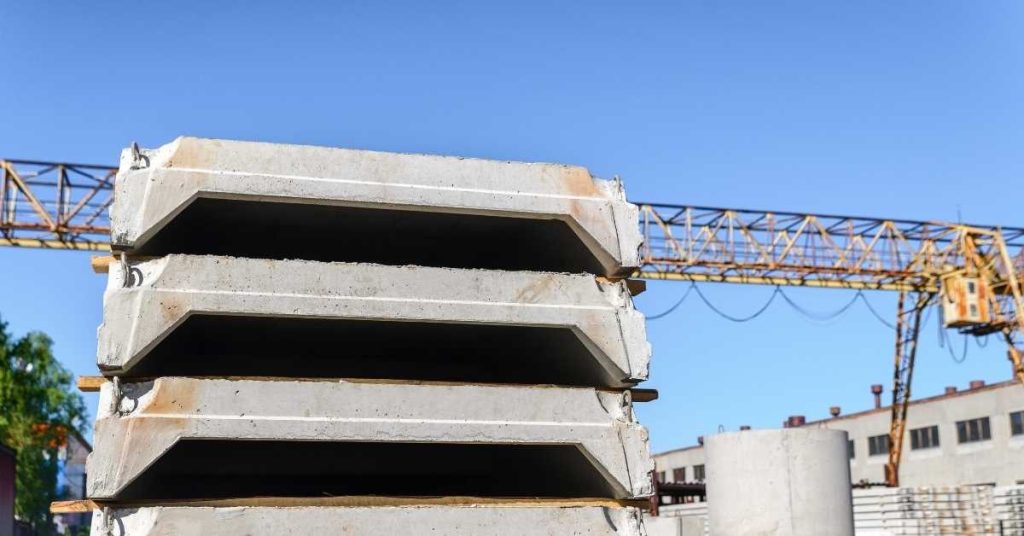
Stacked precast concrete slabs at construction site

Concrete Slabs Under Hot Tubs: Load Calculations and Reinforcement Basics

Introduction

A concrete slab for a hot tub is a reinforced, level platform designed to support the tub and its loads. You should plan for the weight of water, occupants, and equipment, and ensure the slab sits on good, stable ground. This article covers how to think about load, spacing, and setup in plain DIY language.

For best results, follow manufacturer and local guidance for minimum slab thickness and reinforcement. Reinforcement options include mesh or bars, placed according to guidelines and practical site conditions. Check material properties of the concrete mix, subgrade preparation, drainage, and how the slab will interact with the hot tub installation to avoid common issues.

Key takeaways

  • Confirm concrete properties and MoDOT standards referenced in project documentation.
  • Calculate loads for hot tub slabs considering tub weight, water, and occupants.
  • Choose slab thickness and subbase based on material properties and site drainage.
  • Apply reinforcement options and spacing per design guidance and local rules.
  • Identify personal tools and search options for planning and safety checks.
  • Safety warning: verify load paths, securing tub, and avoiding incomplete drainage.
Table of Contents

Understanding Loads on Hot Tub Slabs

Hot tub slabs must carry several distinct load types, and recognizing each one informs a conservative, practical design. Start with the dead load from the tub shell, plumbing, and fixed equipment, then consider the water weight when the tub is full. Add the occupants and their movement, and include any equipment or accessories placed on or near the slab. Finally, treat the soil and ground pressures as part of the supporting foundation, since they govern how the slab transfers all loads to the subgrade.

Differentiate permanent static loads from variable live loads, and note that point loads from a heavy base or concentrated legs behave differently than distributed loads across the slab. Identify site factors such as soil type and bearing capacity, subgrade prep, frost depth, slope, drainage, and backfill properties that affect load transfer. Practical steps include estimating empty and full tub weight, adding occupants and equipment, and deciding whether to treat loads as distributed or point loads. Document assumptions and consider consulting a structural professional or using a design calculator when loads are unusual or when codes require professional input.

Types of loads to include in your calculations

When designing a concrete slab for a hot tub, it’s crucial to identify and quantify various types of loads. These loads determine the slab’s thickness, reinforcement needs, and edge conditions.

Dead Loads: These are permanent, static weights such as the tub shell, plumbing, fixed equipment, and water when the tub is full. They exert constant pressure on the slab.

Live Loads (Occupant Load): These are variable loads caused by occupants moving around in the tub. They can be dynamic, causing additional stress to the slab.

Hydrostatic Load: This is the soil/ground bearing pressure exerted on the slab from the surrounding earth. It’s crucial for determining the required thickness of the slab and its reinforcement needs.

Dynamic Loads: These are loads caused by movement, such as occupants getting in or out of the tub, or water circulation. They can create additional stress on the slab edges.

Concentrated/Point Loads: These are localized heavy loads like a filled spa or heavy equipment placed on the slab. They require specific reinforcement and edge detailing to prevent cracking or settlement.

How to obtain accurate weight data (manufacturer and site)

To design a safe and durable concrete slab, you need accurate weight data for the hot tub. This includes the empty weight of the tub, the weight when it’s full of water, and the load from occupants and equipment.

First, contact the manufacturer to obtain verified weights for the empty tub shell, plumbing, and fixed equipment. Also, ask for the weight of the water capacity specified for your model.

Next, perform site measurements to confirm these weights. Use a certified scale or load cell to measure the weight of the empty tub and the weight when it’s full of water. This step is crucial if your tub is custom-built or has been modified from the manufacturer’s standard model.

Document all weight data for future reference and to include in any permitting processes. Regularly re-evaluate these weights if there are changes to the hot tub setup, such as adding heavy accessories or equipment.

Back to top ↑

Load Calculation Methodology

Intro

Identify total design loads by considering live loads such as hot tub weight when filled with water and users present, along with dead loads from slab self-weight, overburden, finishes, and environmental factors like snow or wind for outdoor or covered setups. Convert these into uniform or grouped point loads and determine if tributary area calculations or line/point load equivalents suit the slab geometry and support conditions.

This is crucial as a clear load plan guides material and reinforcement choices to meet serviceability and strength goals while considering future maintenance. Follow a concise calculation workflow: gather loads, compute unit loads, assign tributary areas, check shear and bending with minimum reinforcement and joint details, then verify on-site that the slab size and supports match calculated dimensions.

If unexpected load concentrations, irregular geometry, or local requirements arise, consult a licensed structural engineer. Document assumptions for permits and inspections.

Calculate Design Pressure for Concrete Slab

To ensure your concrete slab safely supports the hot tub and its contents, convert total applied loads into design pressure. This involves dividing the total applied loads by the effective area of the slab.

Effective area is the total area minus any cutouts or openings. If there are localized loads like feet, benches, or cabinets, apply relevant concentration factors to increase load intensity at those points.

For instance, if you have a 10′ x 12′ slab with a total applied load of 50,000 lbs (including hot tub weight, water, users, and environmental factors), the design pressure would be:

Design Pressure = Total Applied Load / Effective Area
Design Pressure = 50,000 lbs / (120 sq ft – cutouts) lbs/sq ft

Load Combinations and Safety Factors

Building codes mandate the use of specific load combinations and safety factors to ensure your slab’s structural integrity under various loading conditions. These factors account for uncertainties in loads and provide a margin of safety.

Safety factors are applied to both dead (D) and live (L) loads as per code provisions. Common load combinations include 1.2D + 1.6L, where D is the total dead load and L is the total live load.

To calculate the combined load:

  • Identify your slab’s total dead load (D).
  • Determine your slab’s total live load (L).
  • Apply the safety factors: Combined Load = 1.2D + 1.6L.

Back to top ↑

Material Properties and Concrete Mix Selection

Key material properties for slabs under hot tubs include compressive strength, modulus of elasticity, shrinkage and creep, and how air entrainment and admixtures influence workability and durability in wet and heated conditions. The way a mix is designed—normal weight, high-strength, or self-consolidating—affects strength, stiffness, and long-term performance when moisture and heat are present, so select a mix that balances load capacity and movement control.

For DIY readers, this matters because proper mix choices, air content, and appropriate aggregates help resist cracking, improve surface finish, and reduce problems from freeze-thaw-like cycles in moist environments. Quick checks like verifying slump and unit weight on site, plus pro oversight of aggregate grading and admixture dosages, can keep the slab aligned with project needs and local expectations. If the slab faces frequent moisture and occasional heat, increasing air content and choosing durable admixtures or supplementary cementitious materials may improve long-term performance, while correct curing—moist or membrane—limits early shrinkage and surface crazing. Stake, testing, and curing strategies matter: skipping mix verification can lead to inadequate performance, and over-air entrainment can cause surface crazing, so adjust accordingly. If high early strength is required, consider appropriate concrete options, and ensure curing and alignment with local standards for hot tub slabs. Pro tips: on-site checks for slump and unit weight, and a review of mix design and cure method with a qualified installer, help ensure durability under continuous moisture and occasional heat.

Selecting Concrete Strength and Admixtures

The conditions under your hot tub significantly impact the choice of concrete strength class and admixtures. High loads, warm environments, and continuous moisture exposure require careful selection to ensure durability and longevity.

Strength Class: For typical hot tub loads (up to 3000 lbs), normal-strength concrete (2500-4000 psi) is usually suitable. For heavier loads (>3000 lbs), consider high-strength concrete (f’c > 4000 psi) with appropriate admixtures.

Admixtures: In warm, moist environments, include air-entraining admixtures to enhance freeze-thaw resistance and surface finish. Water-reducing agents improve workability, helping achieve the desired slump while maintaining strength. Always consult manufacturer datasheets for compatible admixtures with your chosen cement type and aggregate gradation.

Subgrade and Subbase Material Properties

The choice of subgrade and subbase materials significantly impacts load distribution, slab deflection, and the long-term performance of your hot tub slab.

  • Subgrade: A strong, well-compacted subgrade minimizes slab deflection. If the subgrade modulus is low (check local standards for specific values), consider improving it through soil stabilization or using a thicker subbase to distribute loads effectively. Evaluate subgrade soil type and obtain geotechnical reports if available.
  • Subbase Aggregate: Dense-graded, well-compacted subbase aggregate provides better load support and reduces deflection, especially for thick slabs (check specific slab thickness requirements). Ensure the chosen aggregate meets local standards for gradation, strength, and durability requirements. Avoid using poorly compacted or unsuitable materials to prevent cracking and long-term performance issues.

Back to top ↑

Slab Thickness, Subbase, and Drainage Requirements

The required slab thickness for a hot tub depends on the total applied loads (water, occupants, accessories, and any dynamic or surcharge loads) and how the slab is supported, together with the soil bearing capacity, reinforcement plan, and edge or pipe layout. It should be determined with a practical range or decision approach that accounts for reinforcing and the interaction with surrounding footings, so you choose a thickness that minimizes deflection and cracking while staying within sensible construction practices.

Plan subbase design and compaction to achieve bearing capacity and minimize settlement, specifying a compactable material, target depth, and proof of adequate compaction, such as achieving a high percent of maximum dry density before pouring. Ensure positive drainage away from the tub with a measured slope and address moisture barriers or vapour retarders as needed to manage moisture and protect surrounding materials. If soil bearing capacity is low, increase slab thickness or use deeper footings; if total applied loads are high, consider added reinforcement to control cracking and movement. Quick checks include verifying subbase compaction at the required level and confirming reinforcement placement and jointing strategy, while inspections can confirm thickness, slope, and isolation from adjacent structures.

Determining Appropriate Slab Thickness

The thickness of your hot tub slab is influenced by several factors. Begin by calculating total applied loads: the weight of the filled hot tub, occupants, accessories, dynamic/impact loads, and surcharge from surrounding equipment.

Consider support conditions – edge support, columns, or continuous footings – as they affect load distribution. Reinforcement strategy significantly impacts slab thickness; a well-designed layout can resist bending moments and deflections, potentially allowing for a thinner slab.

Soil bearing capacity is another key factor. If the soil has a high bearing capacity (above 50 psi), a thinner slab may be sufficient. Always consult local building codes or a structural engineer for precise calculations based on your specific loads and subgrade conditions.

Drainage, vapor barrier, and slope details

Proper drainage is crucial to prevent water intrusion, settlement, and freeze/thaw damage. Begin by installing a vapor barrier beneath the slab to block moisture migration that could lead to slab curling or cracking.

Design your surface drainage system to direct water away from the hot tub. Incorporate a minimum slope of 1/8 inch per foot for proper runoff. In cold climates, ensure proper insulation and consider additional measures like heated slabs to protect against freeze/thaw cycles.

If the subgrade is prone to water saturation, increase subbase thickness, improve compaction, or implement additional drainage measures such as French drains. Regularly inspect your drainage system to prevent water pooling, which can cause significant damage over time.

Back to top ↑

Concrete slab with evenly spaced circular drainage holes

Reinforcement Basics for Hot Tub Slabs

Reinforcement for hot tub slabs uses rebar, welded wire mesh, and fiber to control cracking, boost flexural capacity, and resist concentrated loads from the tub. Together they manage load paths, reduce edge spalling, and help prevent premature cracking, with placement and anchorage guidance tailored to slab thickness and local conditions.

Understanding how to space, cover, and anchor these materials matters because improper layout can lead to cracks, movement, or failed edge support under vibration and weight. A careful installation sequence, proper placement checks, and adherence to local guidance or engineer input ensure the reinforcement performs as intended; if using mesh or fibers, verify codes and consult a structural professional when needed. Stake, quick checks, and pro verification help prevent common mistakes and deliver a durable, well-supported base for the hot tub.

Rebar and Wire Mesh Options and Placement

In hot tub slab reinforcement, both rebar and welded wire mesh play crucial roles in controlling cracking and improving flexural capacity. The choice between the two depends on your specific needs and local conditions.

Rebar, typically #4 or #5 bars spaced 6 to 12 inches apart, provides robust reinforcement but requires more labor for placement. It’s ideal for thicker slabs (over 4 inches) where crack control is less critical.

Welded wire mesh, available in grids like 6×6 inch or 6×8 inch, offers better crack control due to its continuous nature. It’s well-suited for thinner slabs (under 4 inches) and reduces labor costs as it can be laid directly on the subgrade.

Proper placement is key. Reinforcement should be placed at mid-depth of the slab for optimal performance. Ensure adequate cover depth, typically 2 to 3 inches, to protect reinforcement from corrosion and maintain structural integrity. Improper cover depth can lead to edge spalling under hot tub weight; adjust placement or use external tiebacks to correct this.

Use of Fiber Reinforcement and Overlays

Fiber reinforcement and overlays can enhance slab performance, but they must be used appropriately. Synthetic or steel fibers supplement crack control, particularly in thinner slabs where traditional reinforcement may not be as effective.

Polypropylene fibers are economical and easy to use, while macrofibers offer higher strength and better dispersion. Ensure proper mixing and dispersion of fibers in the concrete batch; inadequate fiber content can lead to poor performance. Verify the dosage rate per cubic yard of concrete according to manufacturer instructions.

Overlays or topping slabs may be appropriate when existing slabs show signs of distress or need increased strength. These systems involve applying a new layer of reinforced concrete over the existing slab, improving its overall performance. However, they require careful preparation and proper anchorage to prevent delamination.

Before proceeding with overlays, evaluate the condition of the existing slab and consult local building codes. Incorrect use can lead to further deterioration or structural failure; always verify that the chosen solution aligns with your specific needs and local regulations.

Back to top ↑

Footings, Pads, and Alternative Support Systems

Footings, pads, and alternative support systems must match how the spa load travels to the soil. Monolithic slabs, isolated footings/piers, grade beams, and structural pads each suit different loads and site conditions. Assessing load path, soil bearing capacity, drainage, and proximity to existing structures helps select the most reliable option.

In practice, plan for soil stabilization if bearing capacity is uncertain, and design connections and proper drainage to prevent crack transfer. If space is tight or access is limited, prefabricated structural pads can offer a quicker, consistent alternative, but confirm that they meet local requirements and load demands. An experienced installer reviews spa weight, dynamic loads, and soil conditions before choosing the system to avoid future failures.

When to use isolated piers or grade beams

Isolated piers or grade beams are preferable in certain scenarios due to their ability to distribute loads more evenly and efficiently. Consider these situations:

Poor soil conditions: If the soil bearing capacity is low or varies significantly, using isolated piers or grade beams helps distribute the load over a larger area, reducing settlement risks.

Deep footing needs: When frost depth or other site constraints require deep footings, isolated piers or grade beams allow for minimal slab area and material usage, making them cost-effective solutions.

Selecting the wrong support system can lead to structural failure and costly repairs. Always review soil reports, site conditions, and load requirements before deciding on a support system.

Integrating the hot tub slab with nearby foundations

Proper integration of the hot tub slab with adjacent foundations is crucial to prevent structural damage, water intrusion, and loss of clearances. Evaluate the following factors:

Similar materials and loading: If adjacent foundations have similar materials and loading conditions, integrate the hot tub slab using appropriate reinforcement and connections to maintain a continuous load path.

Differing materials or loading: When adjacent foundations differ significantly in material or loading, isolate the hot tub slab from them. This prevents crack transfer and water intrusion while maintaining required clearances as per local building codes.

Incorrect integration can result in structural damage to adjacent buildings. Always review adjacent foundation types, materials, and loading conditions before proceeding with integration or isolation.

Back to top ↑

Serviceability, Deflection, and Durability Considerations

Address serviceability with deflection controls, crack-width targets, and appropriate joint spacing to minimize cosmetic and structural distress under hot tub loads and dynamic effects. Outline durability design practices such as adequate cover, proper curing, air-entraining admixtures, and corrosion protection measures. Include guidance on surface finishes and sealers suitable for wet, chemically exposed environments.

Explain load-path and structural detailing to ensure efficient transfer of hot tub loads to footings or piers, including reinforcement layout and potential control joints. Describe maintenance strategies, inspection intervals, crack monitoring, drainage and slope requirements, and repair approaches to preserve service life. Consider environmental exposure, such as chemicals and freeze-thaw cycles, and provide maintenance and resealing recommendations aligned with local conditions.

Controlling deflection and cracking over time

The slab’s thickness, reinforcement, and jointing work together to minimize deflection and visible cracking. To maintain structural integrity and cosmetic appeal:

Slab Thickness: Ensure the slab is thick enough to distribute loads effectively. Check the design criteria for your specific application.

Reinforcement: Use adequate reinforcement to control cracking. Verify that the reinforcement ratio meets the design requirements.

Joint Spacing: Properly spaced joints help manage shrinkage-related cracking. Inspect joint spacing during construction and maintenance to ensure they meet design specifications.

Long-term maintenance and waterproofing

Maintaining your concrete slab’s integrity involves regular care, winterizing procedures, and effective waterproofing. To extend the life of your slab:

Regular Inspections: Conduct routine checks for signs of water intrusion, cracks, or damaged sealants. Address any issues promptly to prevent further deterioration.

Winterizing: Protect your slab from freeze-thaw cycles by using appropriate winterizing procedures. Consult local guidelines or manufacturer recommendations for specific methods.

Waterproofing: Apply suitable waterproofing measures, such as sealants and protective finishes, to resist moisture and chemical exposure. Reapply or repair as needed during routine inspections.

Back to top ↑

Costs, Tools, and DIY Vs Contractor Guidance

Identify the main cost drivers, including materials, reinforcement, site preparation, and permits, and provide a framework to help readers budget without quoting specific prices. Discuss typical labor and permit considerations, including the relative costs of DIY versus hiring a contractor, and emphasize safety and code compliance for hot tub loads. Include a realistic approach to weather or site access impacts on schedule and budget.

Offer a tools and materials checklist for DIYers, covering measurement and layout tools, forms, compaction equipment, mixing tools, and protective gear. Explain decision points for DIY versus contractor based on complexity, soil conditions, and the need for engineered drawings or warranties. Highlight safety, load-calculation considerations, frost depth, edge support, and reinforcement spacing to inform planning, along with a concise planning checklist to guide sequencing from design to curing.

Tools and materials checklist

Ensure project success by having the right tools and materials. Cross-check with a contractor’s quote to ensure nothing is missed.

  • Tape measure: Accurate measurements are crucial for slab dimensions and rebar placement. Tip: Use a measuring tape with imperial units (inches/feet) or metric units (centimeters/meters), depending on your preference.
  • Level: Verify the slab’s surface is flat and even to ensure proper drainage and hot tub stability. Tip: Use a 2-foot level for accurate readings.
  • Rebar cutter/bender: Size and bend rebar to fit your slab design. Tip: Rent or borrow these tools if needed; they’re not typically required for purchase.
  • Forms (wood or plastic): Contain the concrete mixture during pouring and curing. Key spec: Ensure forms are sturdy, straight, and properly secured.
  • Compaction equipment (plate compactor/vibrating roller): Compact the subbase to prevent settling and ensure a stable slab. Tip: Rent or borrow these tools if needed; they’re not typically required for purchase.
  • Concrete mixer: Mix concrete ingredients evenly for consistent strength. Key spec: Choose a mixer with enough capacity for your slab volume.
  • Wheelbarrow or mixing cart: Transport mixed concrete to the pouring site efficiently. Tip: Ensure the wheelbarrow is in good condition to prevent accidents.
  • Personal protective gear (gloves, safety glasses, hard hat): Protect yourself from injuries during construction. Key spec: Use ANSI-approved gear for optimal protection.
  • Ear/hearing protection: Shield your ears from loud noises generated by tools and equipment. Tip: Use earplugs or earmuffs, depending on noise levels and personal preference.

Common DIY Pitfalls and Safety Considerations

To maintain structural integrity and personal safety, avoid these common errors. Assess soil conditions, slab design, and reinforcement needs before starting work.

  • Insufficient Compaction: Uncompacted subbase can lead to settling and slab failure. Prevent this by using a plate compactor or vibrating roller to achieve at least 95% maximum density.
  • Undersized Reinforcement: Inadequate rebar can result in cracking and structural weakness. Ensure proper reinforcement by consulting local building codes and manufacturer instructions for appropriate rebar size and spacing.
  • Poor Curing: Improper curing causes concrete to dry out too quickly, leading to reduced strength and increased cracking. Maintain slab moisture and apply a cure-and-seal compound for at least 7 days.
  • Ignoring Frost Depth: Neglecting frost depth considerations can result in heaving and slab damage during freeze-thaw cycles. Determine the appropriate slab thickness by consulting local building codes or a professional.

If uncertain about any aspect, hire a professional for assessment and advice before proceeding with work.

Back to top ↑

Conclusion

A well‑designed slab for a hot tub protects safety, preserves the appearance of the space, and minimizes costly repairs. By aligning load expectations with practical reinforcement and proper subbase and drainage, you create a durable foundation that supports uptime and enjoyment.

To proceed, verify the expected loads and apply the methodology you’ve learned, confirm the slab thickness and subbase requirements, ensure drainage paths and compaction meet project needs, plan concrete mix choices that suit climate and exposure, check reinforcement details for footings and pads, and compare DIY options with professional guidance when schedules, access, or structural concerns demand it; review any local rules or manufacturer instructions before purchasing materials, and document your plan in simple steps so the work can be checked in sequence and tested in a small area first.

Common mistakes to avoid include skipping a proper subbase or drainage, underestimating the actual loads from a filled hot tub, and neglecting adequate reinforcement or joint spacing; always maintain clear working space, wear appropriate PPE, and follow product labels and local codes to prevent cracking, settlement, or premature failure.

When in doubt about footing depth, slab thickness, or complex reinforcement, call a qualified contractor for a formal assessment or supervision; if you can proceed safely, take it step by step, test small areas first, and document changes to prevent irreversible damage. With careful planning and steady progress, you’ll have a solid, durable base that performs as intended and lasts for years.

Back to top ↑

FAQ

How should I estimate the loads a hot tub will place on a concrete slab?

Start with the hot tub manufacturer’s weight and fill water estimates, plus expected occupants. Add a safety margin to account for dynamic loads and potential fluid movement. Check guidance from the manufacturer, label, or local rules for how loads should be treated in design calculations.

What slab thickness considerations should guide my decision?

Thickness depends on the overall load, subbase conditions, and reinforcement plan. Refer to local building guidance and the hot tub manufacturer’s installation instructions for recommended ranges. If in doubt, consult a qualified professional or the local building authority before proceeding.

What reinforcement methods are appropriate for a hot tub slab?

Use standard concrete reinforcement as specified for the project, such as reinforcing steel or welded mesh, placed at the correct cover from the surface. Follow the manufacturer instructions and local guidelines for placement, spacing, and protective cover. Do not exceed or ignore these instructions without verification.

What safety and regulatory checks should I perform before and after installation?

Ensure the slab rests on a stable subbase with proper drainage and formwork. Verify that all work complies with local permits, rules, and the hot tub’s installation instructions. After pouring, inspect for cracking, leveling, and proper load transfer paths as part of a safe installation.

Back to top ↑

More about this topic