Introduction
Embarking on a concrete patching project? Understanding the timeline is crucial to ensure your repair lasts. This guide walks you through each step, from preparation to final curing, so you can complete your thin-layer patching job efficiently and effectively.
Before you start, set aside enough time for each phase. Rushing through steps can lead to poor bonding, cracking, or other issues that compromise the longevity of your repair.
For the full guide, see Concrete Patching in Thin Layers: Polymer Mods, Lift Limits, and Curing Between Coats.
The Concrete Patching Timeline: From Prep to Finish
Concrete patching in thin layers follows a specific timeline to ensure each lift bonds properly and develops sufficient strength before the next layer is applied. Here’s a step-by-step breakdown of the process, including approximate time frames for each stage:
- Substrate Assessment & Surface Preparation (1-2 hours): Inspect the substrate for soundness, remove any loose material, and roughen the surface to enhance bonding.
- Mixing Materials (30 minutes – 1 hour): Follow manufacturer instructions to mix your polymer-modified mortar. Ensure you have enough material for each lift, mixing small batches at a time to avoid differential setting.
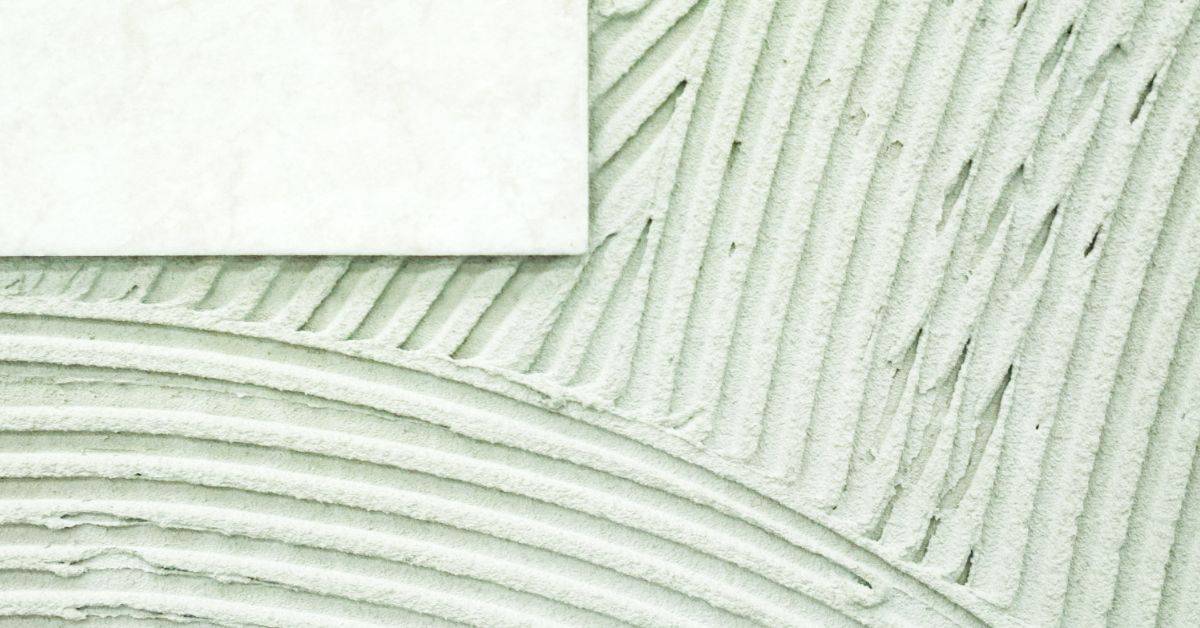
- Application (1-2 hours per lift): Apply the patch material in thin lifts, typically no more than ¼ inch thick. Use a trowel or other appropriate tool to spread and level the material, feathering edges to blend with the existing surface.
- Curing Between Coats (1-7 days per lift): Allow each lift to cure according to the manufacturer’s recommendations before applying the next layer. This time frame can vary depending on temperature, humidity, and other factors.
- Final Curing (7-28 days): After the final lift has been applied, allow it to cure completely following the manufacturer’s guidelines. This step is crucial for developing the patch’s full strength and durability.
By following this timeline and dedicating sufficient time to each stage, you’ll create a strong, lasting repair that blends seamlessly with your existing concrete surface.
Key takeaways
The preparation phase significantly impacts the overall timeline. Taking the time to properly assess and prepare the substrate ensures better bonding and reduces the risk of delamination, which could add additional steps and time to your project down the line.
- Thin-layer patches require proper substrate prep and clean, dust-free surfaces.
- Polymer modifiers alter work time, slump, and adhesion, altering patch behavior.
- Assess substrate integrity and moisture before any thin-layer patching.
- Mix batches to small, workable portions to avoid differential setting.
- Plan lift limits and feather edges to blend without ridges.
- Cure between coats per label; keep moisture away and wear PPE.
- Check flatness, embed air voids, and verify cure by visual indicators.
Table of Contents
- Introduction
- Key takeaways
- Why Thin-Layer Patching Is a Distinct Technique
- Polymer Modifications: Types, Benefits, and How They Change Behavior
- Substrate Assessment and Surface Preparation for Thin Layers
- Mixing and Application Techniques for Thin-Layer Patches
- Lift Limits, Layering Strategy, and When to Build up Vs Feather
- Curing and Recoat Strategy Between Coats
- Quality Checkpoints, Testing, and Visual Indicators of Success or Failure
- Tools, Materials Checklist, Specs Explained, and Safety Notes
- Conclusion
- FAQ
Why Thin-Layer Patching Is a Distinct Technique
Thin-layer patching focuses on restoring surface soundness and profile without replacing large volumes of concrete, so the goals and constraints differ from deep-fill or full-depth repairs.
Use thin lifts when the substrate is structurally sound and the defect is shallow; for larger loss, verify manufacturer guidance and consider deep-fill techniques, removal, or substrate repair before proceeding.
Performance objectives and expected longevity
Thin-layer patching aims to restore functionality, not just appearance. Expect these goals:
Bond: Thin layers bond well to existing concrete. They fill minor cracks, preventing water intrusion.
Wear resistance: While thin, they’re tough. Expect 5-10 years of service life in moderate traffic areas.
Crack control: They don’t control major cracks. Use for hairline cracks and small spalls.
Common use cases and failure modes
Thin-layer patching shines in these scenarios:
Surface repairs: Fixing minor damage, like small cracks or spalls.
Ramps & overlays: Improving surface texture for better traction. Expect 3-5 years in high-traffic areas.
Failure modes to watch out for:
Moisture: Prolonged exposure can weaken the patch.
Inadequate preparation: Poor cleaning, priming, or bonding leads to delamination.
Overloading: Thin layers aren’t meant for heavy loads. Avoid using in high-stress areas without proper design.
Polymer Modifications: Types, Benefits, and How They Change Behavior
Polymer modifiers such as latex, acrylic, and styrene-butadiene are added to cementitious mixes to improve adhesion, flexibility, and water resistance; each class behaves differently in adhesion and shrinkage control.
Check the product data sheet or label for the specific modifier used and follow manufacturer instructions, because dosing and handling determine how much flexibility and reduction in cracking you’ll actually get.
How polymers are used (liquid admixtures vs preblends)
Polymers can be added to your concrete mix in two main ways: as liquid admixtures or preblended with cement. Both methods have their pros and cons, affecting workability and strength.
Liquid Admixtures: These are added during mixing, allowing for better control over the amount used. They can improve workability, but too much may reduce strength. Overuse is common among DIYers.
Preblended Polymers: These come pre-mixed with cement, ensuring the right ratio. However, you can’t adjust the polymer content once mixed. Preblends offer consistent results but may be less flexible.
What to check on product datasheets
Before buying, review these key specs on the product datasheet to ensure you’re getting the right polymer for your job.
- Polymer Dosage: Check recommended options (e.g., 5%, 10%) and choose based on patch thickness and needed performance.
- Mixing Ratios: Ensure the product’s mixing ratio aligns with your cement and water amounts to avoid strength issues.
- Performance Claims: Compare stated improvements in adhesion, flexibility, etc., to match your needs.
- Curing Time: Check if it matches your schedule. Some polymers require longer curing times.
- Compatibility: Ensure the polymer is compatible with other mix components (e.g., aggregates) to prevent failures.
- Shelf Life: Confirm the product’s shelf life, especially for preblends, to avoid wasted materials.
- Handling and Storage: Check storage conditions and safety precautions before purchase.
- Technical Data Sheet (TDS) & Safety Data Sheet (SDS): Always review these for detailed information and safety guidelines.
Quick rule: Always compare multiple products’ datasheets to find the best fit for your specific job.
Substrate Assessment and Surface Preparation for Thin Layers
Inspect the slab for delamination, rust, contamination, oil, and loose material; sound substrate and proper roughness are essential for a thin-layer bond to work.
Preparation generally includes removing contaminants, achieving profile by mechanical methods, and pre-wetting or priming as the product instructions require—confirm the method on the product label or technical literature.
Visual and simple mechanical checks before repair
The first step is to check the soundness of your concrete. Grab a hammer, it’s time for some quick tests.
Hammer sounding: Tap on the concrete with your hammer. Listen for a clear, solid ‘clang’. If it sounds dull or hollow, you’ve got unsound concrete.
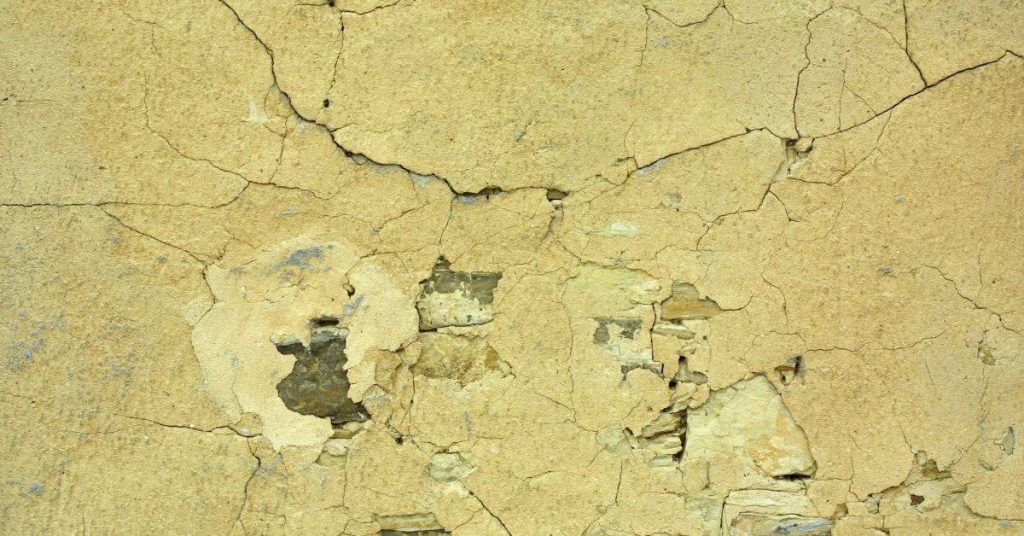
Visual delamination signs: Look for any flaking, peeling, or powdering. These are signs of weak bond between layers.
Pull or scrape tests: Use a chisel to scrape the surface. If chunks come off easily, your concrete is too weak for thin-layer patching.
Cleaning and profiling techniques
Before you start patching, you need a clean, rough surface. Here’s how to prep it right.
Pressure washing: For light dirt and stains, use a pressure washer with a wide-angle nozzle (40°). Keep the nozzle moving to avoid damaging the concrete.
Mechanical grinding: For tougher jobs, rent a mechanical grinder. It’ll remove old paint, glue, or other contaminants. Go slow and steady, following the contour of the surface.
Shotblasting: This is for pros only. It’s aggressive but effective in removing laitance (that weak top layer) and preparing the surface for thin-layer patching.
The rougher your profile, the better the bond between old and new concrete. But be careful – too aggressive a profile can lead to delamination if you’re applying very thin layers.
Mixing and Application Techniques for Thin-Layer Patches
Mix to a lump-free, user-friendly consistency that will stick to the wall without sagging; use the blend and water limits shown on the bag or data sheet to avoid overwatering and reduced strength.
Apply with a steel trowel or grout bag in thin, even passes, pressing to achieve contact and working out air; follow the manufacturer’s placement guidance for best bond and minimum shrinkage.
Proper mixing sequence and consistency cues
First off, grab your cement, sand, and aggregate. The mix ratio’s usually around 1:2:4 or 1:3:5 by volume. But remember, check the product label for specifics.
Now, dump these into a clean mixing tub or wheelbarrow. Start with the dry materials first – cement, then sand, and finally aggregate. This way you won’t have any clumps of pure cement causing trouble later on.
Next up, it’s time for water. But hold your horses! Don’t just pour it all in at once. Start slow, add a bit, mix it in, then check the consistency. You’re aiming for a smooth, workable paste – not too wet, not too dry.
If you’re using polymer modifiers to boost strength and flexibility, now’s the time to incorporate them. Follow the manufacturer’s instructions on how much to add. Once added, mix it in thoroughly until it’s evenly distributed throughout the patch material.
The consistency should be like peanut butter – easy to spread but not runny. If it’s too dry, add more water a little at a time. Too wet? Add some dry materials and mix well. Keep checking and adjusting until you get it right.
Tools and trowel techniques for thin coats
First, gather your tools: a straight edge trowel (3/8″ to 1/2″ wide), a magnesium or aluminum float (4′ to 6′ long), and optionally, a squeegee for large areas. Check your product label for recommended tool types.
Now, let’s apply that mixed patch material:
- Start with a thin layer: Aim for 1/8″ to 3/16″. Any thicker and you risk cracking or delamination.
- Use the straight edge trowel to spread the mix evenly, working it into any low spots. Check base compaction before applying; patch won’t stick to loose material.
- Next, use the float to smooth and consolidate the patch. Hold it at a 45° angle, moving it in long, steady strokes. This helps remove air pockets and ensures even thickness.
- For large areas, follow up with a squeegee to ensure a consistent, thin layer. Again, check your product label for specific recommendations.