Introduction
Backer rod sizing and proper tooling determine how deep the sealant sits and how well it resists peel-back. For DIY projects, match the rod to the joint width and choose tools that help you shape and cut the sealant cleanly. Check the joint surfaces and the manufacturer’s instructions for any minimums or recommendations.
Weather matters: plan for dry conditions and avoid sealing when rain or extreme temps are likely. Surface prep matters: clean, dry, and dust-free edges; roughen if required by the product label. Proper application methods: cut the nozzle cleanly, hold a steady bead, and press the sealant into the joint with even movement; use backer rod and grip strip where advised.
Key takeaways
- Verify joint depth and backer rod size per manufacturer guidance before sealing.
- Clean joints thoroughly to remove dust, curing compounds, and contaminants before sealant.
- Cut nozzle square and load sealant, maintain steady speed for uniform bead.
- Choose backer rod and sealant compatibility to prevent pop-out and peeling.
- Weather check: avoid sealing during rain, extreme heat, or freezing conditions.
- Wear eye protection and gloves; sealant fumes irritate skin and lungs.
Table of Contents
- Introduction
- Key takeaways
- Why Joint Depth and Backer Rod Sizing Matter
- Weather and Timing Considerations for Concrete Joint Sealing
- Surface and Joint Preparation: the Foundation of a Long-Lasting Seal
- Choosing the Right Sealant Chemistry and Backer Rod Material
- Backer Rod Sizing and Optimal Sealant Depth
- Tooling Techniques and Tools That Prevent Peel-Back
- Common Mistakes, Troubleshooting, and Repair Strategies
- Tools, Materials, Cost Considerations, and Safety Checklist
- Conclusion
- FAQ
Why Joint Depth and Backer Rod Sizing Matter
The geometry of a joint, how the substrate moves, and whether a backer rod is present all steer sealant performance and longevity. Peel-back is a common failure mode linked to improper depth or backing. You need to understand how depth, backing, and movement interact on your project.
First, define practical joint depths for substrates like concrete, masonry, wood, and composites, and explain why depth controls adhesion, cure progression, and peel-back risk. Then outline backer rod sizing philosophy: diameter relative to joint width, how a snug, compressive fit prevents three-point sag, gaps, and substrate cracking. Consider movement factors such as expansion, contraction, vibration, and thermal cycling when choosing geometry. Backer rod presence affects sealant compatibility, moisture handling, and creep limits that deter peel-back. Diagnose common failure modes—peel-back, cohesive failure, adhesion loss—with quick checks and tooling steps. Practical checks like pocket depth gauges, depth stops, primers if needed, and surface prep cues keep results consistent.
How joint geometry affects stress and adhesion
The width and depth of a joint significantly impact the sealant’s performance. Narrower, deeper joints (1/4″ to 1/2″ wide by 1″ to 2″ deep) distribute stress more evenly across the sealant during thermal expansion and contraction.
Wider, shallower joints (3/8″ to 5/8″ wide by 1/2″ to 3/4″ deep) concentrate stress, leading to higher peel forces. This can cause premature failure, especially in substrates prone to movement like wood or composites.
Proper joint geometry ensures even stress distribution, promoting better adhesion and longevity of the sealant.
Peel-back failure mechanisms
Peel-back occurs when the sealant pulls away from the substrate. This is often due to adhesion loss, which can be caused by insufficient surface preparation, improper priming, or using incompatible materials.
Poor tooling, like using an incorrectly sized backer rod or not compressing it properly, can also lead to peel-back. Gaps between the backer rod and substrate allow sealant to sag, creating a weak point that peels under stress.
Incorrect backing, such as using a backer rod that’s too small for the joint width, can cause the sealant to bridge over the backer rod, leading to peel-back. Contaminants on the surface can also hinder adhesion, contributing to peel-back.
Weather and Timing Considerations for Concrete Joint Sealing
Temperature, humidity, wind, and seasonal substrate movement all influence adhesion, cure, and tooling windows. Postpone work if conditions threaten adhesive performance or rapid weather changes. Use practical thresholds from product labels or manufacturer instructions to verify suitability.
Seasonal movement affects joint width and depth as the substrate expands or contracts. Plan sealing around anticipated movement and moisture changes to avoid traps or gaps. Check surface moisture, bleed water, and curing environment because these factor into open time and toolability. Establish a decision framework for postponement based on forecasts, multi-day curing risk, and signs of imminent weather disruption. Outline timing windows for different sealants, best times of day, and how to accommodate substrate movement. If adhesion issues or skin formation appear, apply quick troubleshooting steps like reinforcing with backer rod, re-prepping surfaces, or delaying resealing.
Environmental Windows and Cure Behavior
The ideal temperature for sealant application is between 70°F to 90°F (21°C to 32°C). Below 50°F (10°C), adhesion can suffer, and cure time increases. Humidity should be between 40% to 70%.
Check your sealant’s datasheet for cure time and skin formation time. These tell you how long it takes for the sealant to set and when you can backfill or expose it to weather.
Too high a temperature (above 90°F/32°C) can cause rapid skin formation, leading to tool drag. Too low, and cure time stretches out, risking rain damage before the sealant is fully cured.
Planning Around Thermal Movement and Moisture
Concrete expands in heat and contracts in cold. This daily and seasonal movement can widen or close joints, affecting backer rod size needed.
In summer, joints may open wider, requiring larger backer rods. In winter, they may close, needing smaller ones. Check joint width before installing backer rods.
Moisture changes in the substrate can also affect joint width. If joints are too wet or too dry, postpone work until conditions improve. Always check surface moisture with a simple dampness test before applying sealant.
Sealants cure best in dry, low humidity conditions. High humidity can lead to poor adhesion and skin formation issues. Plan your sealing work around weather forecasts to avoid these problems.
Surface and Joint Preparation: the Foundation of a Long-Lasting Seal
Explain how proper surface and joint prep underpins adhesion, durability, and peel-back resistance, tying preparation to backer rod sizing and tooling later. The goal is a clean, stable pathway for the sealant. A solid prep reduces surprises once the bead is placed.
Inspection covers joint movement, substrate condition, moisture risk, old sealant remnants, and priming needs. Cleaning follows a step-by-step protocol for dust, dirt, oils, and curing compounds, with realistic drying times. Provide joint profile guidance like acceptable width/depth, corner radii, and edge rebates, plus any sanding required for grip. Clarify priming needs for concrete, masonry, or wood, including primer types and dry times and note compatibility with the chosen sealant. Use a readiness checklist—dryness, tack-free surfaces, clean edges, masking in place, no contamination—and a quick adhesion test to confirm readiness.
Cleaning, contaminant removal, and substrate profiling
Before applying any sealant, you must clean the surface thoroughly. Contaminants like dust, dirt, oils, and curing compounds can prevent proper adhesion.
Mechanical cleaning: Use a wire brush or power washer to remove loose material and dirt. Be sure not to damage the substrate.
Chemical cleaning: For oil stains or laitance, use a suitable degreaser or cleaner. Always follow the manufacturer’s instructions. After cleaning, allow the surface to dry completely before proceeding.
Visual checkpoints and adhesion testing
Before applying sealant, it’s crucial to inspect the surface and perform simple tests to ensure optimal adhesion. Use this checklist when your surface is dry and free of contaminants.
- Check for moisture: Ensure the substrate is dry. Excessive moisture can cause peel-back.
- Inspect edges: Make sure they’re clean, sharp, and free of debris.
- Look for cracks or damage: Repair any defects before sealing.
- Check joint width/depth: Ensure it’s within acceptable limits (usually 1/4″ to 3/8″) for the sealant you’re using.
- Inspect corners and rebates: They should have a suitable radius or be chamfered for optimal sealant grip.
- Perform adhesion test: Apply a small piece of masking tape, press firmly, then pull it off quickly. If the surface comes away with the tape, it’s not ready for sealing.
- Check for contamination: Ensure there are no signs of oil, grease, or other contaminants.
- Inspect primer application (if applicable): Make sure it’s dry and tack-free. Recoat if necessary.
Quick rule: If any test fails, address the issue before proceeding with sealant application to prevent peel-back and ensure a long-lasting seal.
Choosing the Right Sealant Chemistry and Backer Rod Material
Consider life-cycle factors that drive chemistry choice: anticipated joint movement, climate exposure, substrate types, and chemical exposure potential. If you’re unsure, verify with product data sheets or manufacturer instructions. Match the system to the project’s expected service conditions.
Compare movement and elasticity across chemistries like silicone, polyurethane, polysulfide, and hybrids, and link each to typical joint widths and movement ranges. Note substrate compatibility pitfalls and priming needs—bonding differences between concrete, wood, and metal and whether primers are required. For backer rod, weigh open-cell versus closed-cell options, including elasticity and moisture handling. Ensure the pairing of sealant and backing accounts for joint width/depth, anticipated movement, and whether primed or primerless systems are suitable. Follow practical steps for installation: thorough cleaning, compatible primers, correct backer rod diameter to achieve target depth, and tooling that yields a rounded fillet and no air pockets.
Matching sealant movement capability to joint demands
The first step in choosing a sealant is understanding your joint’s movement needs. Concrete joints move due to temperature changes, moisture expansion, and structural settling.
Silicone sealants are excellent for joints with high movement, up to 25% or more of their width. They’re also great for outdoor use due to their weathering resistance.
Polyurethane sealants have strong adhesion and can handle high movement on many substrates. They’re ideal for joints with anticipated movement over 10%.
Polysulfide sealants are tough and fuel-resistant but may have odor issues and age faster than other options. They’re best suited for joints with low to moderate movement.
Backer rod selection: material, density, and cell structure
The right backer rod is crucial for achieving the correct sealant depth and preventing peel-back. The choice between open-cell and closed-cell rods depends on your joint’s conditions.
- Open-Cell Backer Rods: These are lightweight, flexible, and absorb moisture. They’re ideal for joints with low compression (<50 psi) and where some moisture absorption is beneficial. However, they can crack or stain if over-compressed.
- Closed-Cell Backer Rods: These are denser, more rigid, and resist moisture. They’re suited for high compression joints (>50 psi) and areas with heavy foot traffic or vehicle loads. They won’t absorb moisture but may compress too much if not properly sized.

Backer Rod Sizing and Optimal Sealant Depth
Present the joint context first: width, depth, substrate, movement, and exposure to determine the appropriate backer rod and sealant depth. Indoor versus outdoor use and UV or moisture exposure matter. Use this framing to select a starting point for diameter and depth.
Explain the sizing relationship between joint width and backer rod diameter, and how it shapes the final sealant profile. Provide practical targets for sealant depth relative to joint width, while ensuring enough material to bond without squeeze-out or peel-back. Emphasize verifying backer rod material (closed-cell foam) and sealant compatibility, and cross-check data sheets and standards (ASTM/ISO) for depth and movement ratings. Describe a verification workflow: measure the joint, choose rod, confirm depth with a shim or gauge, run a small test bead, and adjust per data-sheet recommendations. Outline how backer rod choice affects tooling, bead sizing, surface prep, and any priming or sealant-specific accessories required to prevent adhesion issues or peel-back.
Sizing rules, common practices, and what to verify
The backer rod’s diameter should be around half the joint width. So, for a 1/2″ wide joint, use a 1/4″ rod.
Common ratios: 1/8″ rod for 1/4″ joints, 1/4″ rod for 1/2″ joints, and 3/8″ rod for 3/4″ joints.
Always check the manufacturer’s recommendations and relevant standards like ASTM C920 or ISO 11600 to confirm your sizing. They provide specific guidelines based on joint width, depth, and movement capability.
Installing the backer rod without over- or under-compressing
Insert the backer rod just below the joint surface. Use a tool like a caulk gun or a purpose-made inserter.
Don’t compress it too much; you should still see some uncompressed cells at the top of the rod. This ensures proper sealant flow around and through the rod.
If the rod is too loose, it might move during sealant application. If it’s too tight, it could restrict sealant flow or cause excessive compression leading to peel-back.
Tooling Techniques and Tools That Prevent Peel-Back
Outline the tooling sequence from backer rod insertion through sealant application and final tooling to form a continuous, adhesive-backed bead with intimate contact. Use a consistent approach to avoid gaps that lead to peel-back. Timely tooling minimizes movement-related issues and tire-some rework.
Give timing guidance for tooling: tool soon enough after placement to respect substrate temperature and cure time, yet after the joint has stabilized. Define angles, pressure, and motion to create the correct profile, including taper, radius, and concavity to prevent air voids. Discuss tool options—power versus hand tools, nozzle sizes, and smoothing accessories—and how each affects finish. Verify backer rod compatibility, sealant type, and surface readiness, and warn about common pitfalls like over- or under-tensioning the bead or poor prep. Provide a practical workflow and troubleshooting tips, plus recommended tool brands or models suitable for both pros and DIYers.
Hand and power tools: what to use and when
When it comes to preventing peel-back, having the right tools is half the battle. Here’s a quick rundown of what you’ll need:
- Caulking Guns: For applying sealants, these are your best friend. Use them for applying sealant at joints and cracks.
- Pullers (e.g., Zip Tools): These come in handy when you need to remove old caulk or sealant. They’ll save you a lot of time and effort compared to using a utility knife alone.
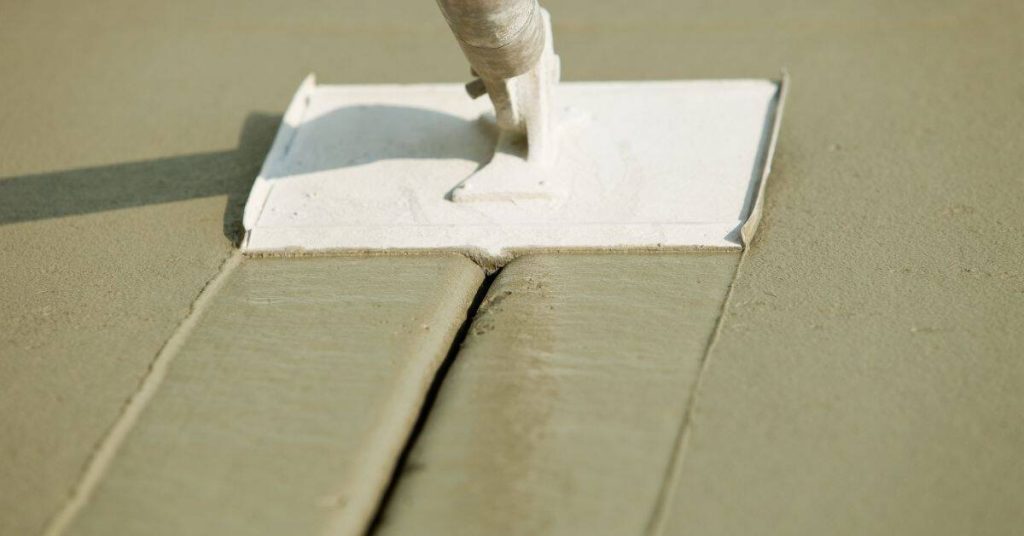
- Concave Tools: For creating control joints, concave tools are essential. They help create consistent, straight lines that prevent random cracking.
- Heat/ Cleaning Tools (e.g., Heat Guns, Pressure Washers): Before applying any sealant or coating, you need to clean and prepare the surface. Heat guns can soften old caulk for easy removal, while pressure washers help remove dirt and debris.
Here’s when to use each:
- Caulking Guns: Use them after cleaning and preparing the surface. Apply sealant in a smooth, steady motion, following the joint or crack.
- Pullers: Use these before applying new sealant to remove old, cracked, or peeling caulk. It’s a dirty job, but it’s crucial for a good bond.
- Concave Tools: These are used when creating control joints in fresh concrete. Make sure the surface is level and smooth before using them.
- Heat/ Cleaning Tools: Use these before any other step to ensure a clean, dry surface. Always follow manufacturer instructions for safe use.
Remember, the right tool at the right time can mean the difference between a job well done and a costly redo. Check your tools regularly to make sure they’re in good working order, and don’t be afraid to invest in quality equipment – it’ll save you time, money, and headaches in the long run.
Tooling timing, motion, and profile targets
Timing your tooling right is crucial to prevent peel-back. Tool too early, and the concrete’s still weak; tool too late, and you risk damaging the surface.
Check your mix design for skin time – that’s when the concrete’s strong enough to tool. It varies, so don’t guess; look it up.
For concave beads, use a smooth, steady motion. Start at the top, let gravity help you. Angle your tool around 45 degrees to the surface. Too steep, and you’ll dig into the concrete; too shallow, and you won’t get a good bead.
Your target sealant profile should accommodate movement. That means creating a wide, shallow bead. Narrow, deep beads can crack under stress. Check your sealant’s manufacturer instructions for their recommended profile.
Common Mistakes, Troubleshooting, and Repair Strategies
Identify frequent peel-back causes: poor surface prep, incorrect backer rod size or density, sealant/joint geometry mismatch, and install conditions with improper temperature or moisture. Use a diagnostic checklist to isolate issues quickly. Decide when patching is appropriate versus replacing a full joint.
Outline a practical inspection routine: joint width and depth, backer rod placement, sealant depth, substrate cleanliness, moisture tests, and expected motion direction. Use a patch-vs-replace decision tree to guide repairs. Cover surface preparation and priming considerations, including removal of old sealant and solvent compatibility. List tooling and materials guidance to prevent recurrence, such as correct gun, nozzle size, extrusion technique, and how to avoid air pockets. Provide a straightforward repair workflow from cleaning to backer rod checks, to sealing, curing, and a maintenance cadence to keep joints performing well.
Diagnostic checklist for peel-back incidents
When you notice sealant peeling back from your concrete joint, follow this quick checklist to diagnose the issue.
- Joint width and depth: Measure. Ensure it matches design specs. Too narrow or deep? It could cause peel-back.
- Joint curvature: Check. Sharp curves can lead to improper sealant application.
- Backer rod placement: Inspect. Is it centered, undamaged, and properly sized?
- Sealant depth: Verify. Too shallow or deep? It might cause peel-back.
- Substrate cleanliness: Assess. Dirt, grease, or old sealant can prevent adhesion.
- Moisture test: Conduct. High moisture can affect sealant curing and bond.
- Movement direction: Note. Joints moving differently than expected? This could cause peel-back.
- Expected joint motion: Assess. Is the joint designed to handle the expected movement?
Quick rule: Skipping these checks might lead you to apply new sealant over existing problems, causing recurring peel-back.
Repair methods: spot repair, reseal, and full-depth replacement
Depending on the damage, you may need to perform a spot repair, reseal, or replace the entire joint. Here’s when to choose each option:
Spot repair: For minor debonding, discrete cracks, or small gaps (less than 1/4 inch), spot repairs can be effective. First, clean and prepare the area. Then, apply new sealant.
Reseal: If the backer rod is intact but the sealant has failed, you might only need to reseal. Remove old sealant, clean, prime if necessary, then apply new sealant.
Full-depth replacement: For large gaps, recurring peel-back, or compromised backer rod or substrate, replace the entire joint. This involves removing all old materials, preparing the substrate, installing a new backer rod, and applying fresh sealant.
Tools, Materials, Cost Considerations, and Safety Checklist
Provide a consolidated tools and materials checklist by prep, tooling, and safety gear, with quick notes on when each item is required. Include PPE like gloves, goggles, and respirators and indicate ventilated work zones for solvent-based products.
Detail cost factors and budgeting: upfront material costs, labor implications, durability considerations, and cost-saving strategies such as standard sizes or warranties. List key specs and standards to verify, including manufacturer datasheets and ASTM guidance, substrate notes, service life expectations, and environmental performance. Outline a step-by-step sequence for tooling and prep, from surface prep to backing installation, sealant application, tooling, and curing. Finish with a PPE checklist and site-safety notes, including weather monitoring and work-zone controls to protect workers and occupants.
Tools and materials checklist plus estimated cost drivers
Use this checklist before starting your concrete sealing project to ensure you have everything needed. It’s best to gather all tools and materials beforehand to avoid delays.
- Concrete sealer: Check the label for compatibility with your concrete type (e.g., plain, stamped, colored). Ensure it provides the desired protection (e.g., waterproofing, UV resistance).
- Sealer applicator: Inspect your roller or sprayer to ensure it’s in good condition. Check if you need additional parts like extension poles.
- Backer rod: Verify the size (diameter) matches your control joint width. Check for any damage before use.
- Tape measure: Ensure it’s in working condition and calibrated correctly to avoid measurement errors.
- Level: Inspect your level to ensure it’s accurate and undamaged. A 2- or 4-foot level is typically sufficient for small projects.
- Safety glasses: Check for any cracks or damage that could compromise protection.
- Gloves and protective clothing: Ensure they’re in good condition to prevent skin irritation or chemical exposure.
- Respirator (optional): If using a solvent-based sealer, check your respirator’s filters and ensure it fits properly. Follow manufacturer instructions for use and maintenance.
Quick rule: Always get supplier quotes for sealant types and backer rod to understand primary cost drivers. Labor intensity also significantly impacts project costs, so plan accordingly.
Material specs, standards to consult, and safety precautions
Use this checklist before you start mixing or pouring concrete. It’ll help you ensure your project goes smoothly and safely.
- Concrete mix: Check the bag label for the mix type (e.g., C60, C25). Make sure it’s suitable for your job. Wrong mix can cause weak or failed concrete.
- Cement: Ensure cement is fresh (within 3 months of manufacture) and stored properly to maintain quality. Old or improperly stored cement can weaken concrete.
- Water: Check water source for cleanliness and consistency. Dirty or inconsistent water can affect concrete’s strength and appearance.
- Aggregates (sand, gravel): Verify they meet local standards (e.g., ASTM C33). Incorrect aggregates can cause weak, porous, or poorly finished concrete.
- Admixtures: If using, check labels for correct dosage and compatibility with other materials. Wrong admixtures can cause delayed setting, reduced strength, or discoloration.
- PPE (Personal Protective Equipment): Ensure you have safety glasses, gloves, boots, hard hat, and ear protection. Concrete is hazardous; PPE protects you from injuries.
- Site safety: Check for trip hazards, unstable structures, or other potential dangers. A safe site reduces accidents and downtime.
- Weather conditions: Verify temperature and humidity are within acceptable ranges (50-90°F/10-32°C). Extreme temperatures can affect concrete’s setting time and strength.
Quick rule: Always consult manufacturer instructions, local codes, and relevant standards (e.g., ASTM C94 for concrete) to ensure your materials and methods are correct and safe.
Conclusion
The key to a durable, clean seal is getting the joint depth and backer rod right, then sealing with the right material at the right time and with proper tooling. When you respect depth, choose the right backer material, and tool for peel-back prevention, you protect the road from water intrusion, cracking, and appearance degradation.
Check in this order: inspect the joint and surface for cleanliness, verify backer rod height and sealant depth to match the joint width, confirm the weather window and surface temperature, select the appropriate sealant chemistry, size the backer rod correctly, set the rod and apply the sealant with steady pressure, tool to a continuous bead, and test a small area first before proceeding full length.
Common mistakes to avoid include under- or over-sizing the backer rod, skipping surface prep, and rushing the sealant without curing time. Safety rules to follow are: wear eye protection, gloves, and ventilation as needed; keep tools clean and dry; test a short section first and don’t seal if rain or freezing temperatures are forecast; and never force material into a joint or remove cured material aggressively, which can damage adjacent concrete.
If joints are wide, joints are cracked beyond simple repair, or the weather window is uncertain, consider bringing in a pro. A timely, well-executed seal protects durability and appearance, so plan your work, follow the checks, and seal with confidence.
FAQ
What weather clues should I watch for before sealing joints?
Seal when the surface is dry and the air isn’t likely to rain. Avoid sealing in extreme heat or cold if you can; temperature swings can affect adhesion and cure. If in doubt, check the product label for the recommended operating range and local forecasts before starting.
How do I prep the joint and surface properly before applying sealant?
Clean the joint out completely and remove any dust, debris, and old sealant. Use a stiff brush or compressed air to clear tight corners. A dry, sound edge helps the new sealant stick and perform better over time.
What’s the right way to apply sealant and cut the nozzle?
Cut the nozzle at a 45-degree angle to match the joint width. Load the tube into a caulking gun and apply in smooth, continuous beads from end to end. If you see gaps or air pockets, stop and rework that section while the sealant is still tack-free.
How should I use backer rod and grip strip with the sealant?
Insert backer rod to set the correct joint depth and provide a firm backing for the sealant. Use grip strip only if the joint calls for it and it won’t interfere with the sealant’s movement capability. Check the manufacturer’s guidance on compatibility and installation depth.
What should I consider when selecting sealant types and their properties?
Choose a sealant with the right movement capability and adhesion for concrete joints. Look at the product label for VOC content and compatibility with concrete. If you’re unsure, compare options and follow the manufacturer’s instructions or local recommendations.

