Render / Stucco

Render / Stucco covers exterior cement-based finishes that protect walls and make them look good for years.

I write about substrate prep, lath and base coats, mixing, application techniques, control joints, curing, waterproofing details, and patch repairs. You’ll also see guides on diagnosing problems like cracking, hollow spots, moisture damage, and delamination.

If you’re working on an exterior wall finish, start here—prep and detailing matter more than people think.

Close up of stucco exterior wall under windows with roof eaves

Water Staining on Stucco Under Windows: Causes and better details

Introduction Water staining on stucco under windows is damp marks caused by moisture seeping or condensing near the window area. It often shows as brown, gray, or darker streaks and can come from leaks, condensation, or improper flashing. Check the window flashing, sealants, and the siding above to find where moisture is entering. To address […]

Water Staining on Stucco Under Windows: Causes and better details Read More »

Closeup of cracked white stucco wall texture

Stucco Patch Color Matching: Avoiding halos and obvious repair rings

Introduction Color matching stucco patches means blending the new patch with the existing wall so it looks seamless. Start by inspecting the surface, note the shade under natural light, and compare small test spots. Plan to mix from the same material and apply in thin layers to avoid halos. Feather the edges and apply thin,

Stucco Patch Color Matching: Avoiding halos and obvious repair rings Read More »

Close-up of wrinkled burlap fabric texture in natural brown color

Stucco Patch Blending: Matching texture so it doesn’t flash in sunlight

Introduction Stucco patch blending is the process of making a new patch texture match the existing wall so it doesn’t flash in sunlight. Keep the goal simple: blend edges, lay color or texture subtly, and avoid obvious patches. Work in small, incremental steps and compare under the sun as you go. Check the patch material

Stucco Patch Blending: Matching texture so it doesn’t flash in sunlight Read More »

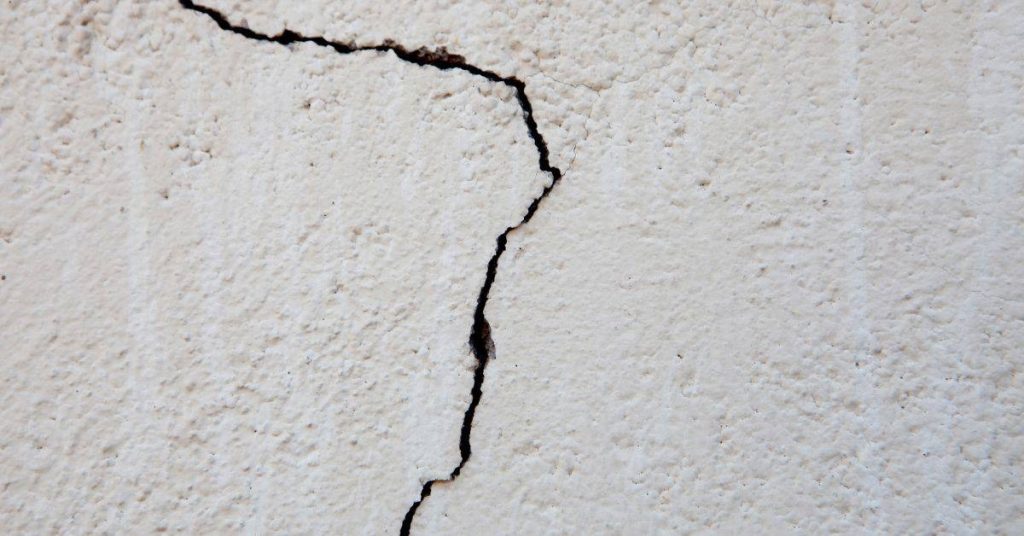
Closeup of large jagged crack in white stucco wall

Stucco Crack Patterns: What vertical, diagonal, and stair-step cracks usually mean

Introduction Vertical, diagonal, and stair-step cracks in stucco are signals of movement or stress in the wall rather than just a cosmetic flaw. These patterns often point to shifts in framing, moisture issues, or settlement and you should check the crack size, location, and whether it keeps opening after weather changes. For a DIY approach,

Stucco Crack Patterns: What vertical, diagonal, and stair-step cracks usually mean Read More »

wood block with nail sticking out on concrete surface

Stucco Wicking From Concrete: How to stop moisture at the transition

Introduction Stucco wicking from concrete is moisture drawn from the concrete into the stucco layer. It happens when the concrete surface stays damp and porous, pulling water into the plaster as it dries. That moisture can cause staining, peeling, or long-term damage if not addressed. To stop it at the transition, start with a dry,

Stucco Wicking From Concrete: How to stop moisture at the transition Read More »

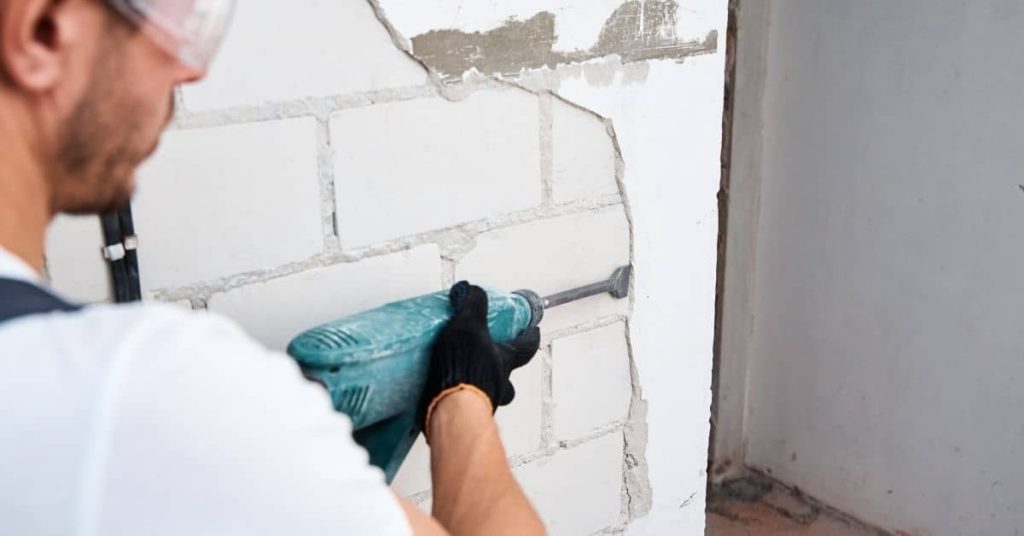
Worker using electric chisel removing stucco from wall

Stucco Bottom Edge Crumbling: Fixing wicking and keeping the base dry

Introduction Crumbling stucco at the bottom edge happens when moisture wicks into the base and weakens the coating. This article covers a practical DIY approach to stop the leak, remove damaged material, and start a proper patch. Check your local rules and product labels for compatibility and any safety steps. Start by cleaning the edge,

Stucco Bottom Edge Crumbling: Fixing wicking and keeping the base dry Read More »

Close-up of blue stucco textured wall corner

Sealing Stucco Around Pipes: A leak-proof method that still lets walls dry

Introduction Sealing stucco around pipes means creating a tight, watertight seal where pipes enter the wall while letting the surrounding stucco dry out. You’ll typically clean the joint, apply a compatible sealant, and backer material if needed, but don’t overfill. Follow product instructions for cure times and weather limits, and check for gaps after sealing.

Sealing Stucco Around Pipes: A leak-proof method that still lets walls dry Read More »

Close-up of rough stucco wall texture with light beige paint

Painting Stucco Without Killing Texture: Coverage methods that keep the look

Introduction Painting stucco without killing texture means applying paint in a way that preserves the surface texture while offering even coverage. Start with a clean, dry surface and repair damaged areas, then check the paint label for compatibility with stucco and any prep steps. Choose a paint type that is appropriate for exterior stucco and

Painting Stucco Without Killing Texture: Coverage methods that keep the look Read More »

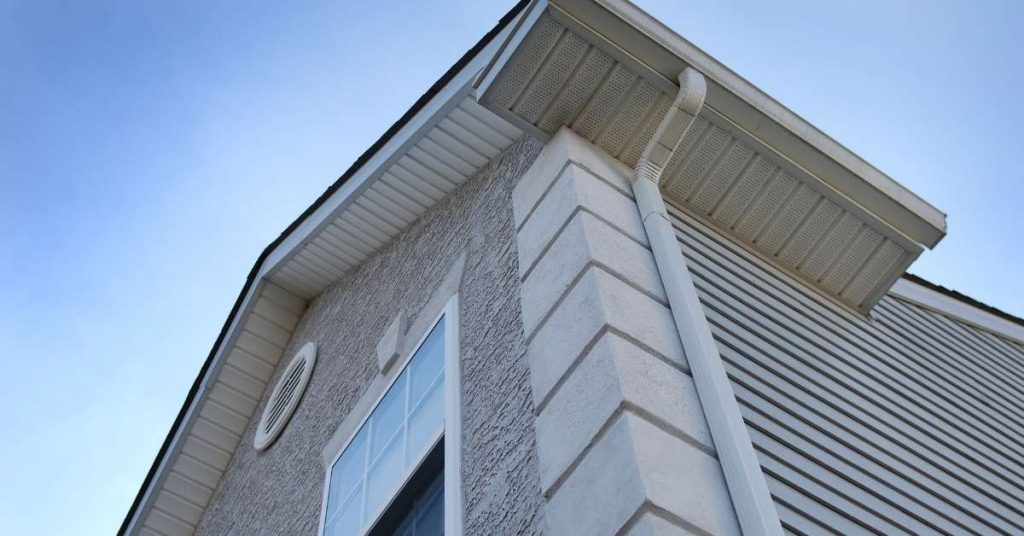
Close-up of outside stucco corner on house with clear sky

Outside Corner Stucco Damage: Stronger corner repairs that don’t chip out

Introduction Outside corner stucco damage refers to cracks or chips at the corner where two exterior walls meet. The goal is to make a repair that stays strong and looks even, without the chip coming back. This article walks you through practical, hands-on steps you can follow with common tools. You’ll want to check if

Outside Corner Stucco Damage: Stronger corner repairs that don’t chip out Read More »