Concrete

Concrete is where I keep my step-by-step guides for planning, pouring, and finishing concrete projects.

Topics include base prep, forms, reinforcement, thickness, mixing and placing, finishing, curing, sealing, and long-term durability. I also cover troubleshooting—what to do when concrete cracks, scales, dusts, or cures unevenly.

If you’re new to concrete, start with the planning and prep articles. They prevent most of the expensive mistakes.

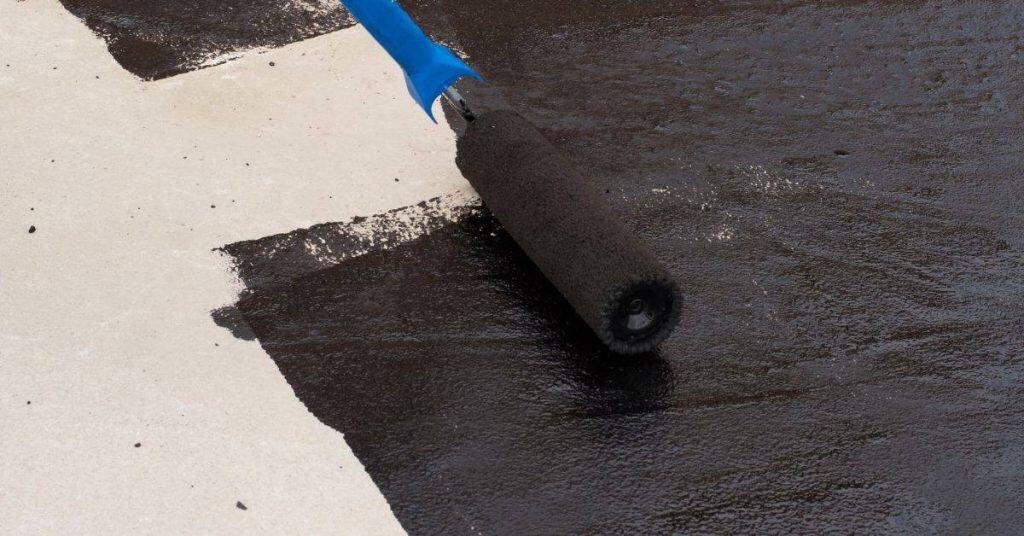
Paint roller applying black sealer on concrete surface

Concrete Sealer Slip Problems: How to Add Traction Without Peeling the Finish

Introduction A concrete sealer is a surface coating intended to protect and seal a concrete floor. When it becomes slick or peels, traction is lost and the risk of slips increases. This article explains practical ways to add traction without peeling the finish. There are penetrating sealers that soak in and film-forming coatings that sit […]

Concrete Sealer Slip Problems: How to Add Traction Without Peeling the Finish Read More »

Concrete surface peeling and flaking near wall base

Concrete Sealer Failures: Whitening, Peeling, and Slippery Surfaces

Introduction Concrete sealer failures are coatings that whiten, peel, or make surfaces unexpectedly slippery. These issues usually show up after a year or two of use, not right away, and they come from improper sealing, surface prep, or weather. Understanding what goes wrong helps you spot red flags early and plan the right steps for

Concrete Sealer Failures: Whitening, Peeling, and Slippery Surfaces Read More »

Empty wheelbarrow laying on wet concrete surface

Concrete Sealer Whitening: Moisture Trapping vs Application Errors

Introduction Concrete sealer whitening is when the finish looks cloudy or white after sealing. This can happen from moisture trapped beneath the film or from mistakes during application. Common symptoms are cloudy patches and a milky look that won’t cure clear. Fixes involve addressing moisture sources and correcting application errors. Make sure the surface is

Concrete Sealer Whitening: Moisture Trapping vs Application Errors Read More »

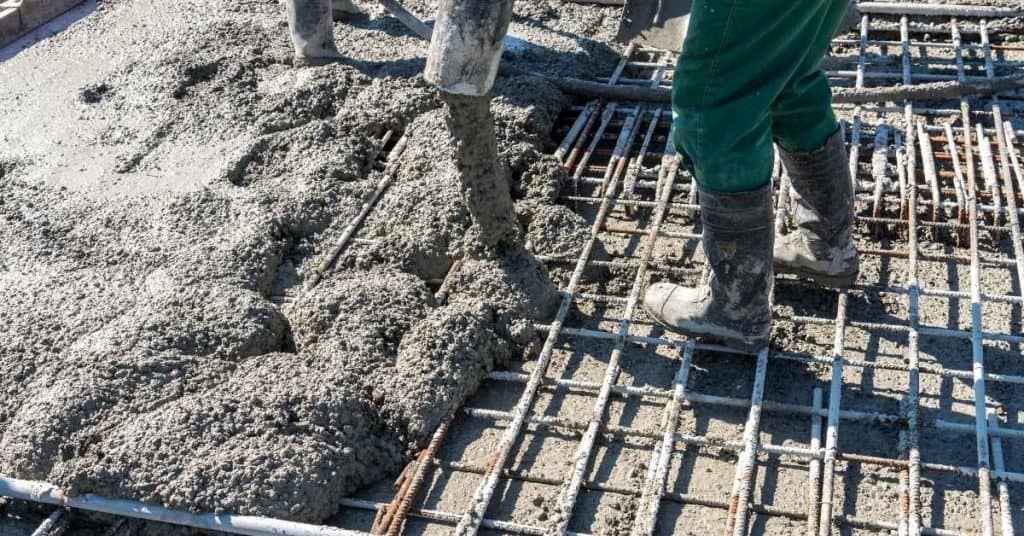
Workers pouring wet concrete over steel rebar grid

Concrete Rebar Shadowing: Why Lines Appear and What You Can Do

Introduction Concrete rebar shadowing is when the lines of embedded steel rebar show up as darker or lighter lines on the surface after curing. This happens as moisture, temperature, and the metal interact during the cure, with the surface sometimes mirroring the rebar pattern. Differences in finishing between forms or around the rebar can further

Concrete Rebar Shadowing: Why Lines Appear and What You Can Do Read More »

Smooth concrete window sill under open window with shadows

Concrete Microcracks After Curing: Causes, Visibility, and When to Seal

Introduction Concrete microcracks after curing are tiny cracks that form as the slab gains strength and settles. They are usually hairline and may be visible on the surface or near joints. Causes include shrinkage, temperature changes, and normal settling, not necessarily a defect. Sealing timing and product choice depend on your climate and the sealer

Concrete Microcracks After Curing: Causes, Visibility, and When to Seal Read More »

Close up of concrete surface with small voids and holes

Concrete Honeycombing: Why Voids Form and How to Patch Properly

Introduction Concrete honeycombing is voids or gaps in the concrete left by poor compaction, creating a honeycomb-like texture. It’s often visible on the surface as rough pockets and can affect how the finish looks and wears. For DIYers, inspect exposed areas after form removal and under surfaces to spot these voids early. Common causes include

Concrete Honeycombing: Why Voids Form and How to Patch Properly Read More »