Concrete

Concrete is where I keep my step-by-step guides for planning, pouring, and finishing concrete projects.

Topics include base prep, forms, reinforcement, thickness, mixing and placing, finishing, curing, sealing, and long-term durability. I also cover troubleshooting—what to do when concrete cracks, scales, dusts, or cures unevenly.

If you’re new to concrete, start with the planning and prep articles. They prevent most of the expensive mistakes.

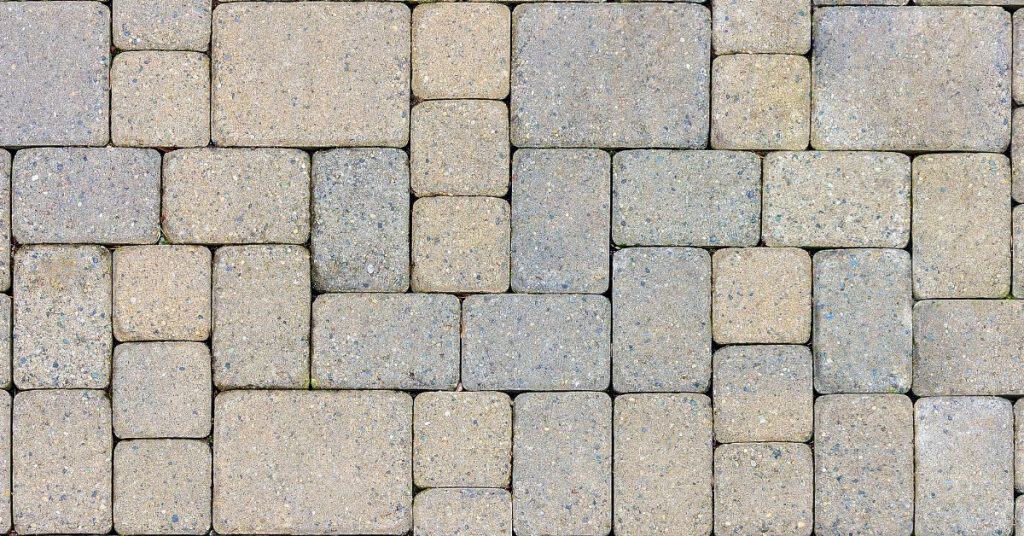
Interlocking concrete pavers arranged in a grid pattern.

How to Cast Removable Concrete Pavers With Built-In Lifting Slots

Introduction Removable concrete pavers with built-in lifting slots are modular paving units cast with recessed grips to lift and reposition. This is a practical, hands-on overview you can follow in a DIY setup for long-term flexibility and easy maintenance. When selecting materials and planning, check product labels and manufacturer instructions for slot design, heel protection, […]

How to Cast Removable Concrete Pavers With Built-In Lifting Slots Read More »

Close-up of a drill bit penetrating concrete with dust

Threaded Inserts and Anchors in Concrete for Removable Posts and Screens

Introduction A removable connection in concrete can be made two very different ways: cast-in-place sleeves or threaded inserts are positioned in the formwork before concrete is placed, while post-installed internally threaded anchors are drilled and set in hardened concrete. This article covers both. They are not interchangeable systems, and their hole size, embedment, setting method,

Threaded Inserts and Anchors in Concrete for Removable Posts and Screens Read More »

Concrete formwork with exposed rebar anchors in dirt

Post Base Anchors in Concrete: Edge Distance, Embedment, and Common DIY Mistakes

Introduction Post base anchors in concrete are hardware that fastens wooden posts to a concrete foundation to transfer load safely. They rely on proper edge distance and embedment to perform as intended. Always check the product label, manufacturer instructions, and local rules for any specific requirements. Common DIY mistakes include placing anchors too close to

Post Base Anchors in Concrete: Edge Distance, Embedment, and Common DIY Mistakes Read More »

Unfinished wooden deck frame with exposed joists and vertical posts.

How to Repair Concrete Around a Deck Post Base Without Replacing the Whole Pad

Introduction This article explains how to repair concrete around a deck post base without replacing the whole pad. You’ll start by inspecting for cracks, spalling, or loose sections around the base. Then you’ll plan a simple patching approach using common hand tools and patch material. Identify damage around the post base and note where the

How to Repair Concrete Around a Deck Post Base Without Replacing the Whole Pad Read More »

White insulated concrete forms stacked outdoors on grass

DIY Concrete Door Sill / Threshold Pour: Forms, Drip Edge, and Sealant Joint

Introduction A DIY concrete door sill/threshold pour is a hands-on project to create a flat, durable doorway transition using simple forms, controlled pours, and proper finishing. You’ll set up forms to hold the concrete at the right height and shape, then plan for a drip edge and a clean joint where the sill meets the

DIY Concrete Door Sill / Threshold Pour: Forms, Drip Edge, and Sealant Joint Read More »

Concrete panels with varying numbers of small holes on surfaces

How to Patch Pop-Outs in Concrete (Small Conical Holes) So They Don’t Reopen

Introduction A concrete pop-out is a small, conical or bowl-shaped cavity where a piece of aggregate or surrounding mortar has broken away. An isolated, shallow defect in otherwise sound flatwork can usually be patched. The repair lasts only when the cavity is cleaned, shaped as the chosen product requires, filled at the permitted thickness, and

How to Patch Pop-Outs in Concrete (Small Conical Holes) So They Don’t Reopen Read More »

close-up of concrete surface with multiple small holes and rough texture

Concrete Planter Drain Holes That Don’t Crack: Sleeves, Inserts, and Timing

Introduction Drain holes in concrete planters that won’t crack are achieved by using sleeves or inserts and timing the drilling to the curing stage. Keep the hole protected with a sleeve and drill during the right curing window, then finish with your chosen patch. Always check the product label or maker’s instructions for recommended hole

Concrete Planter Drain Holes That Don’t Crack: Sleeves, Inserts, and Timing Read More »

Pressure washing exposed aggregate concrete surface

Creating an Exposed Aggregate ‘Window’ in a Small Repair (Matching Existing Finish)

Introduction An exposed aggregate window is a small patch that reveals decorative stones after removing a portion of concrete to match the surrounding finish. Plan to cut a window in the existing slab, clean and dampen the area, and set up a simple form to keep edges neat. Check local rules and the patch will

Creating an Exposed Aggregate ‘Window’ in a Small Repair (Matching Existing Finish) Read More »