Concrete

Concrete is where I keep my step-by-step guides for planning, pouring, and finishing concrete projects.

Topics include base prep, forms, reinforcement, thickness, mixing and placing, finishing, curing, sealing, and long-term durability. I also cover troubleshooting—what to do when concrete cracks, scales, dusts, or cures unevenly.

If you’re new to concrete, start with the planning and prep articles. They prevent most of the expensive mistakes.

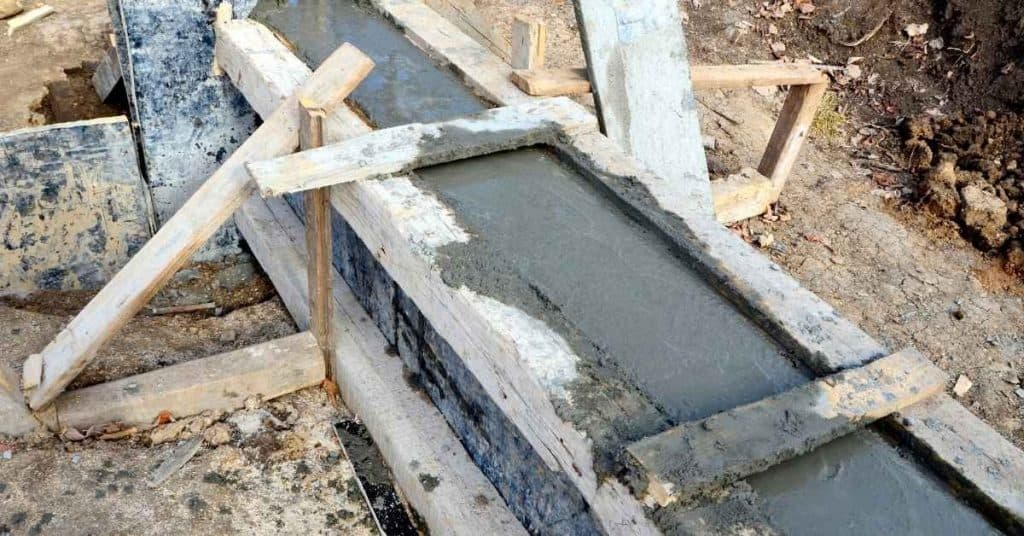
Wooden forms holding freshly poured concrete swale

How to Create a Drainage Swale in Concrete Without Making It Look Like a Gutter

Introduction A drainage swale in concrete is a shallow, sculpted channel that directs water away while keeping a smooth, integrated look. The idea is to route water on the surface or just below, and still read as part of the yard, not a gutter. Plan with proper slope, width, and edge treatment, and confirm you […]

How to Create a Drainage Swale in Concrete Without Making It Look Like a Gutter Read More »

Close-up of concrete surface with a patch of spalling damage

Concrete Spalling at Garage Door Thresholds: Why It Happens and How to Rebuild the Edge

Introduction Spalling is when the surface concrete flakes, chips, or peels away at the garage door edge. The damage comes from moisture intrusion, freeze-thaw cycles, or heavy traffic over time. You’ll notice rough edges where the edge of the slab meets the door opening. To rebuild the edge, remove loose material and clean the area

Concrete Spalling at Garage Door Thresholds: Why It Happens and How to Rebuild the Edge Read More »

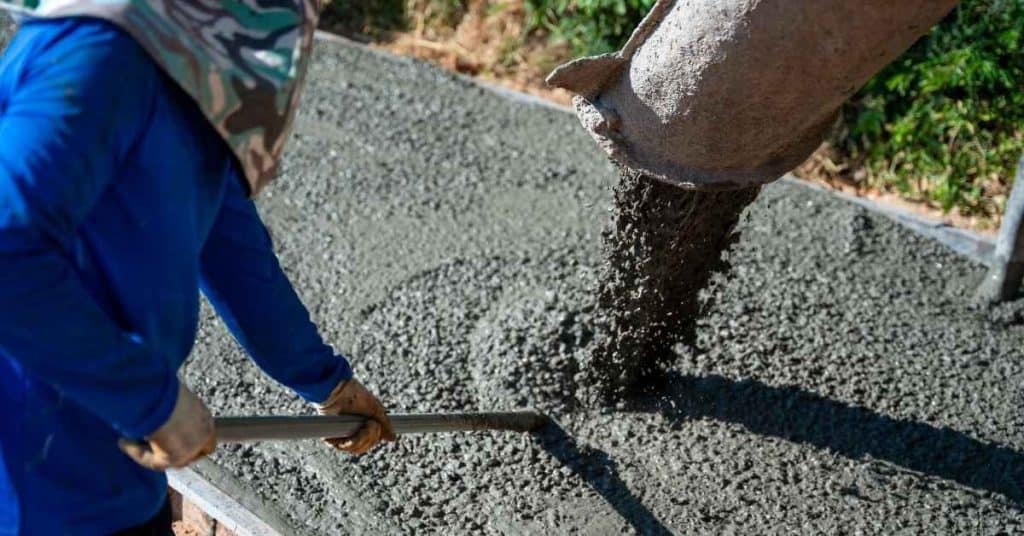
Worker pouring and leveling wet concrete outdoors

How to Handle a Concrete Slab Sinking at One Corner: Foam vs. Mudjacking

Introduction A concrete slab that has sunk at one corner can sometimes be lifted if the slab is mostly intact, the settlement is localized, and the cause of the void or soil loss is corrected. Cementitious grout (often called mudjacking) and two-component polyurethane foam are specialist slab-lifting methods—not ordinary beginner DIY repairs. The practical homeowner

How to Handle a Concrete Slab Sinking at One Corner: Foam vs. Mudjacking Read More »

Concrete driveway ramp with grooved textured surface

How to Add a Concrete Curb Ramp at the Sidewalk (DIY Without Tripping Hazards)

Introduction A concrete curb ramp is a sloped transition that lets you roll or walk from the sidewalk down to the street grade with fewer tripping hazards. This DIY intro helps you plan and build a simple ramp safely, without specialized equipment. Check your local requirements and ADA guidance to understand what’s expected for accessibility

How to Add a Concrete Curb Ramp at the Sidewalk (DIY Without Tripping Hazards) Read More »

Concrete driveway with visible saw cut expansion joints

Installing a Trench Drain in a Concrete Driveway (Slope, Saw Cuts, and Sealant)

Introduction You can retrofit a trench drain into an existing concrete driveway if there is a legal, workable outlet and the slab can be cut without compromising post-tensioning, significant reinforcement, utilities, or unstable concrete. The drain itself only collects water; the project succeeds or fails at the outlet, channel elevation, concrete surround, and traffic rating.

Installing a Trench Drain in a Concrete Driveway (Slope, Saw Cuts, and Sealant) Read More »

Person pressure washing concrete patio with hose nozzle

Uneven Concrete Color After Washing: How to Reset Without Making It Worse

Introduction Uneven color after washing means the surface shows inconsistent shade because cleaning or water exposure altered the finish. This happens when residue, detergents, or the top seal interact with the concrete and leave lighter or darker patches. The fix is practical and requires careful, in-place steps rather than a big overhaul. Start with a

Uneven Concrete Color After Washing: How to Reset Without Making It Worse Read More »

Paint roller applying sealer on outdoor concrete pavers

Sealing Concrete Outdoors: Penetrating vs Film-Forming and When to Use Each

Introduction Penetrating sealers soak into the concrete to guard against moisture and stains, while film-forming sealers sit on the surface as a protective layer. That choice changes how you clean, maintain, and how it handles water. If you want a low-maintenance, breathable finish, penetrating is often better; if you want a slick surface or easier

Sealing Concrete Outdoors: Penetrating vs Film-Forming and When to Use Each Read More »

Sealant being applied to joint between grey concrete panels

Repairing Broken Control Joints: Clean-Out, Backer Rod, and Sealant Steps

Introduction Repairing broken control joints means fixing the gap between concrete slabs so movement and moisture are controlled. The job involves cleaning out the old material, installing backer rod, and applying fresh sealant. Do it in stages and follow safety and surface prep steps. Start by removing loose debris from the joint so the new

Repairing Broken Control Joints: Clean-Out, Backer Rod, and Sealant Steps Read More »