Concrete

Concrete is where I keep my step-by-step guides for planning, pouring, and finishing concrete projects.

Topics include base prep, forms, reinforcement, thickness, mixing and placing, finishing, curing, sealing, and long-term durability. I also cover troubleshooting—what to do when concrete cracks, scales, dusts, or cures unevenly.

If you’re new to concrete, start with the planning and prep articles. They prevent most of the expensive mistakes.

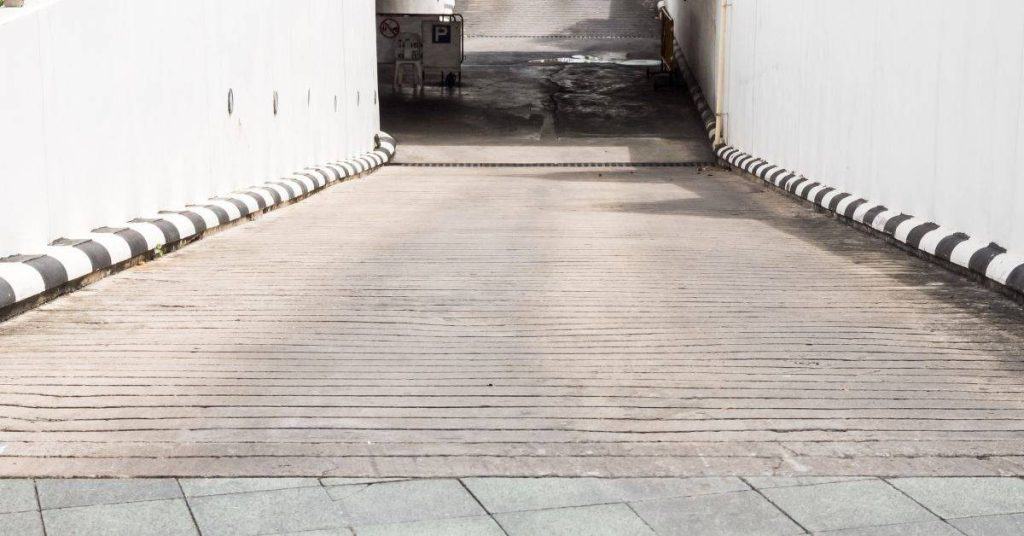
Concrete driveway ramp with grooved textured surface

How to Add a Concrete Curb Ramp at the Sidewalk (DIY Without Tripping Hazards)

Introduction A concrete curb ramp is a sloped transition that lets you roll or walk from the sidewalk down to the street grade with fewer tripping hazards. This DIY intro helps you plan and build a simple ramp safely, without specialized equipment. Check your local requirements and ADA guidance to understand what’s expected for accessibility […]

How to Add a Concrete Curb Ramp at the Sidewalk (DIY Without Tripping Hazards) Read More »
Person pressure washing concrete patio with hose nozzle

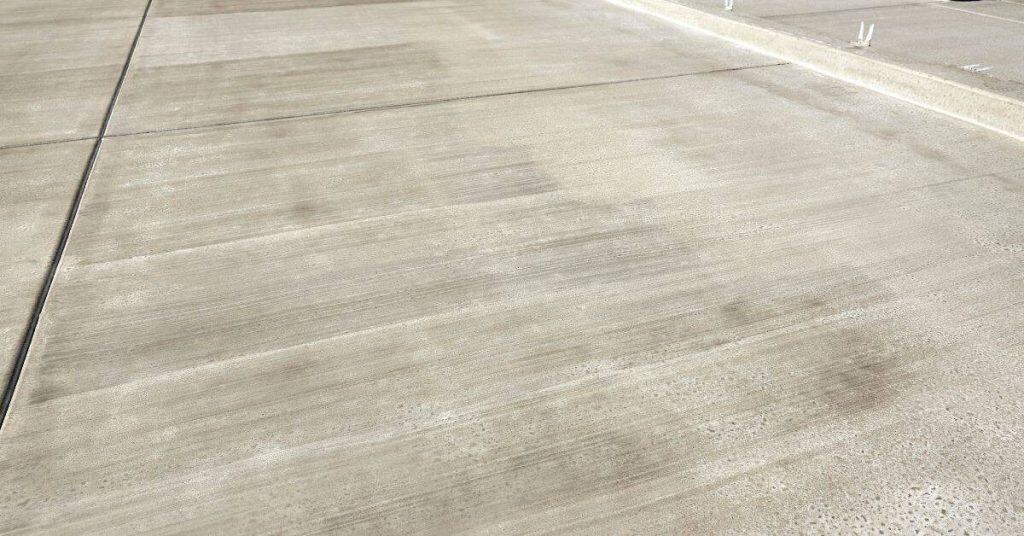
Uneven Concrete Color After Washing: How to Reset Without Making It Worse

Introduction Uneven color after washing means the surface shows inconsistent shade because cleaning or water exposure altered the finish. This happens when residue, detergents, or the top seal interact with the concrete and leave lighter or darker patches. The fix is practical and requires careful, in-place steps rather than a big overhaul. Start with a

Uneven Concrete Color After Washing: How to Reset Without Making It Worse Read More »

Paint roller applying sealer on outdoor concrete pavers

Sealing Concrete Outdoors: Penetrating vs Film-Forming and When to Use Each

Introduction Penetrating sealers soak into the concrete to guard against moisture and stains, while film-forming sealers sit on the surface as a protective layer. That choice changes how you clean, maintain, and how it handles water. If you want a low-maintenance, breathable finish, penetrating is often better; if you want a slick surface or easier

Sealing Concrete Outdoors: Penetrating vs Film-Forming and When to Use Each Read More »

Sealant being applied to joint between grey concrete panels

Repairing Broken Control Joints: Clean-Out, Backer Rod, and Sealant Steps

Introduction Repairing broken control joints means fixing the gap between concrete slabs so movement and moisture are controlled. The job involves cleaning out the old material, installing backer rod, and applying fresh sealant. Do it in stages and follow safety and surface prep steps. Start by removing loose debris from the joint so the new

Repairing Broken Control Joints: Clean-Out, Backer Rod, and Sealant Steps Read More »

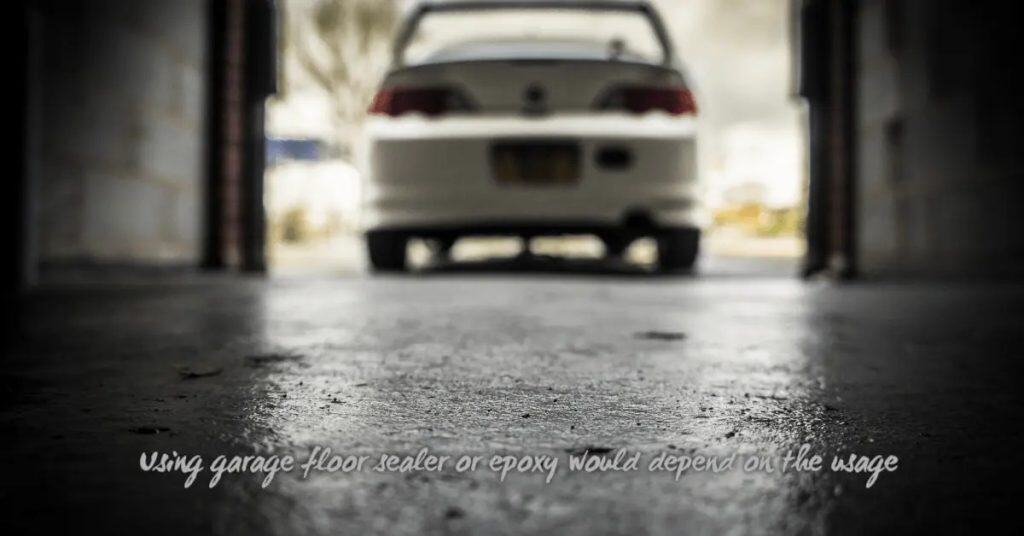
Close-up of textured concrete garage floor with white car in background

Moisture-Safe Concrete Coatings: What Works, What Doesn’t, and Why

Introduction Moisture-safe concrete coatings are sealers and finishes that slow or block water from the concrete surface. They help keep moisture from moving into basements, garages, or workshops. Choose options that fit your climate and surface, and always follow label directions. What doesn’t work for everyone can be a waste of time and money. In

Moisture-Safe Concrete Coatings: What Works, What Doesn’t, and Why Read More »

Pouring bonding slurry onto dry concrete surface

How to Patch Thin Concrete Repairs: Bonding Slurry and Edge Prep That Sticks

Introduction Patch thin concrete repairs with a bonding slurry to help the patch stick to the prepared edge. Start with clean, dust-free edges and roughen the surface for a solid key, then mix the slurry and patch material as instructed. If in doubt, check manufacturer guidance or local rules to ensure proper adhesion. Prepare the

How to Patch Thin Concrete Repairs: Bonding Slurry and Edge Prep That Sticks Read More »