Concrete

Concrete is where I keep my step-by-step guides for planning, pouring, and finishing concrete projects.

Topics include base prep, forms, reinforcement, thickness, mixing and placing, finishing, curing, sealing, and long-term durability. I also cover troubleshooting—what to do when concrete cracks, scales, dusts, or cures unevenly.

If you’re new to concrete, start with the planning and prep articles. They prevent most of the expensive mistakes.

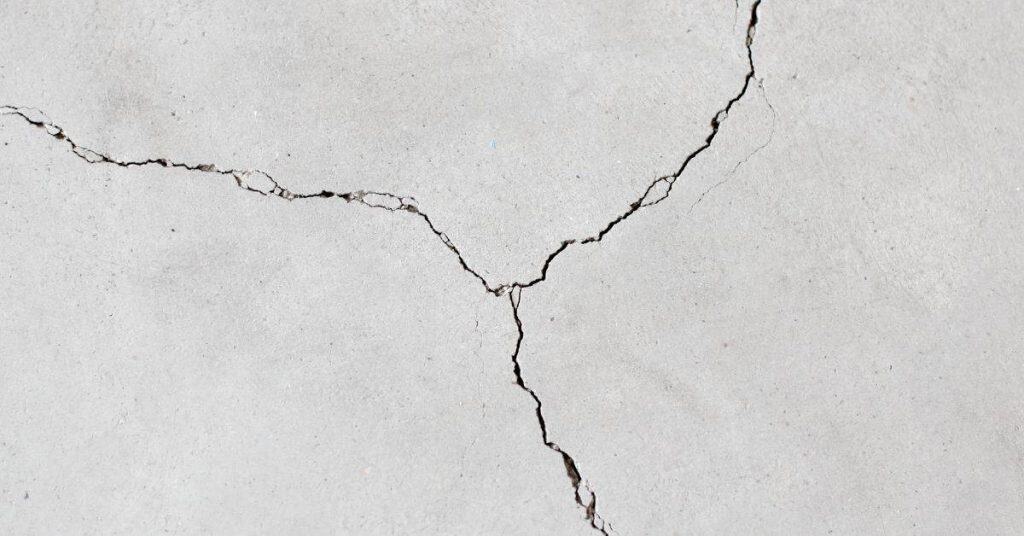
Close-up of a concrete surface with multiple cracks

How to Reinforce a Thin Concrete Overlay Over Plywood (So It Won’t Crack)

Introduction A thin concrete overlay over plywood is a lightweight concrete layer applied on a plywood subfloor to smooth and level the surface while staying thin enough to avoid excessive buildup. It must be prepared and reinforced properly to resist cracking in normal use. Check manufacturer instructions and local rules for feasibility and any limits. […]

How to Reinforce a Thin Concrete Overlay Over Plywood (So It Won’t Crack) Read More »
Ants marching along a white kitchen countertop edge

Concrete Countertop ‘Ghosting’ From Rebar or Mesh: Prevention and Fix Options

Introduction Ghosting on concrete countertops means the imprint or shadow of rebar or mesh showing through the surface. It usually happens when the reinforcement sits too close to the surface or moves during the pour. To avoid it, confirm your reinforcement is properly located in the forms with enough cover and secured before the mix

Concrete Countertop ‘Ghosting’ From Rebar or Mesh: Prevention and Fix Options Read More »

Close-up of concrete countertop surface with pinholes and texture

Fixing Pinholes in Concrete Countertops Without Regrinding the Whole Surface

Introduction A pinhole is a tiny void or air gap in cured concrete that shows as a small surface pore. You can fix it without regrinding the entire countertop by targeting the defect with the right repair approach. This intro covers identifying pinholes and choosing practical repair materials for a DIY fix. Prepare the surface

Fixing Pinholes in Concrete Countertops Without Regrinding the Whole Surface Read More »

concrete countertop with integrated sink and black faucet

DIY Concrete Countertop Heat Damage: Trivets, Sealers, and Spot Repair Options

Introduction A heat mark on a concrete countertop may be a changed sealer, altered pigment, exposed or etched concrete, or a crack or bond failure. Diagnose the surface before cleaning, sanding, patching, or recoating: a cloudy or tacky film needs a different response from a smooth color change, a dull rough spot, or a crack.

DIY Concrete Countertop Heat Damage: Trivets, Sealers, and Spot Repair Options Read More »

Concrete precast panel with metal rebar rods

How to Make a Concrete ‘Inlay’ House Number Panel (Clean Lines, No Spalling)

Introduction A concrete inlay house number panel is a built-in decorative panel that houses your address numbers flush with the surface. The goal is clean lines and a durable fit that resists spalling when exposed to weather. This article covers practical steps for creating the inlay and keeping the edges sharp while avoiding common mistakes.

How to Make a Concrete ‘Inlay’ House Number Panel (Clean Lines, No Spalling) Read More »

Paint roller applying black concrete sealer on light concrete surface

Concrete Sealer Lap Marks: Why They Happen and How to Prevent ‘Shiny Stripes’

Introduction Concrete sealer lap marks are shiny stripes that appear when sealer dries unevenly along the edges of a previous pass. They often come from pooling, overlapping strokes, or applying too many coats too quickly. In practice, you can spot them as brighter lines where the finish looks different from the surrounding surface. To prevent

Concrete Sealer Lap Marks: Why They Happen and How to Prevent ‘Shiny Stripes’ Read More »

Peeling gray coating on concrete surface near wall

How to Recoat a Concrete Sealer Without Peeling: Adhesion Tests and Prep Steps

Introduction Recoating a concrete sealer means applying a fresh layer over a sealed concrete surface after confirming the old layer sticks well. Before you open a new can, inspect the old finish for peeling or staining and prepare to clean and roughen the surface as needed. Keep the goal simple: the new coat should bond

How to Recoat a Concrete Sealer Without Peeling: Adhesion Tests and Prep Steps Read More »

Box fan on concrete floor with damp stains and wall marks

Sealer Blush/Whitening on Concrete: Causes, Tests, and Fixes That Don’t Trap Moisture

Introduction Sealer blush or whitening on concrete is a cloudy, milky haze that appears on the surface when moisture moves through the material and brings minerals to the surface. It often shows up after sealing or in humid, wet conditions and can look like a fuzzy white film. It’s a common DIY issue on pavers

Sealer Blush/Whitening on Concrete: Causes, Tests, and Fixes That Don’t Trap Moisture Read More »

Empty room with polished concrete floor and large windows

DIY Anti-Slip Additives for Concrete Sealers: Where They Work and Where They Fail

Introduction DIY anti-slip additives for concrete sealers are materials mixed into sealers to increase traction on wet or dry concrete. They work by changing the surface texture or increasing roughness at small scales. Before using them, check the product label and follow the manufacturer’s instructions for mixing ratios, safety, and cure times. Different sealers (penetrating

DIY Anti-Slip Additives for Concrete Sealers: Where They Work and Where They Fail Read More »