Concrete

Concrete is where I keep my step-by-step guides for planning, pouring, and finishing concrete projects.

Topics include base prep, forms, reinforcement, thickness, mixing and placing, finishing, curing, sealing, and long-term durability. I also cover troubleshooting—what to do when concrete cracks, scales, dusts, or cures unevenly.

If you’re new to concrete, start with the planning and prep articles. They prevent most of the expensive mistakes.

Unfinished wooden deck frame with exposed joists and vertical posts.

How to Repair Concrete Around a Deck Post Base Without Replacing the Whole Pad

Introduction This article explains how to repair concrete around a deck post base without replacing the whole pad. You’ll start by inspecting for cracks, spalling, or loose sections around the base. Then you’ll plan a simple patching approach using common hand tools and patch material. Identify damage around the post base and note where the […]

How to Repair Concrete Around a Deck Post Base Without Replacing the Whole Pad Read More »

White insulated concrete forms stacked outdoors on grass

DIY Concrete Door Sill / Threshold Pour: Forms, Drip Edge, and Sealant Joint

Introduction A DIY concrete door sill/threshold pour is a hands-on project to create a flat, durable doorway transition using simple forms, controlled pours, and proper finishing. You’ll set up forms to hold the concrete at the right height and shape, then plan for a drip edge and a clean joint where the sill meets the

DIY Concrete Door Sill / Threshold Pour: Forms, Drip Edge, and Sealant Joint Read More »

close-up of concrete surface with multiple small holes and rough texture

Concrete Planter Drain Holes That Don’t Crack: Sleeves, Inserts, and Timing

Introduction Drain holes in concrete planters that won’t crack are achieved by using sleeves or inserts and timing the drilling to the curing stage. Keep the hole protected with a sleeve and drill during the right curing window, then finish with your chosen patch. Always check the product label or maker’s instructions for recommended hole

Concrete Planter Drain Holes That Don’t Crack: Sleeves, Inserts, and Timing Read More »

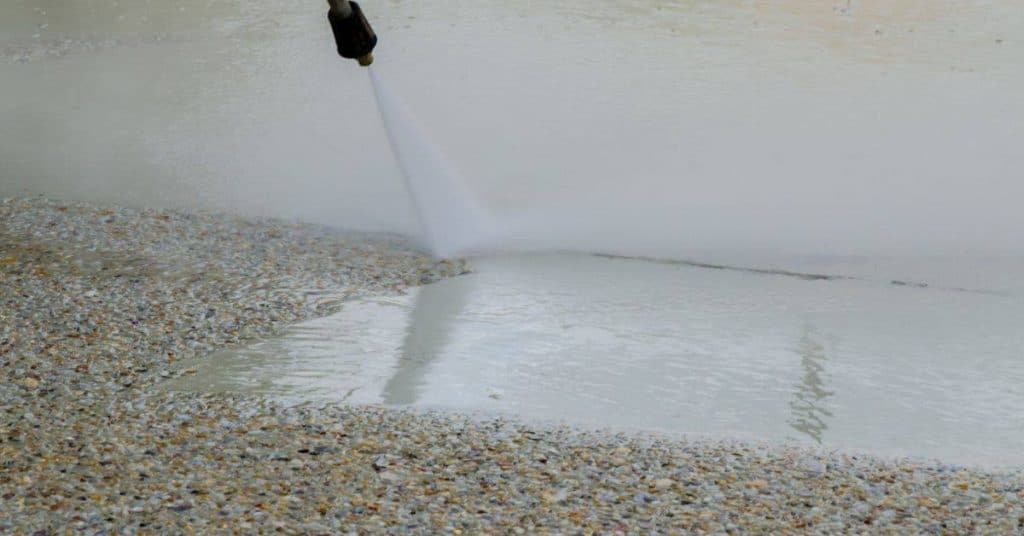
Pressure washing exposed aggregate concrete surface

Creating an Exposed Aggregate ‘Window’ in a Small Repair (Matching Existing Finish)

Introduction An exposed aggregate window is a small patch that reveals decorative stones after removing a portion of concrete to match the surrounding finish. Plan to cut a window in the existing slab, clean and dampen the area, and set up a simple form to keep edges neat. Check local rules and the patch will

Creating an Exposed Aggregate ‘Window’ in a Small Repair (Matching Existing Finish) Read More »

Stamped concrete patio with curved edge and garden bed

How to Feather a Concrete Patch Without a Weak Edge (Undercuts and Micro-Overlays)

Introduction Feathering a concrete patch means shaping the edge with undercuts and a micro-overlay so the repair blends with the surrounding slab. It’s about creating a gradual transition, not a hard line or a loaded patch. You’ll want a clean bond, good surface prep, and a plan for the edge quality as you go. This

How to Feather a Concrete Patch Without a Weak Edge (Undercuts and Micro-Overlays) Read More »

Worker measuring concrete slab with tape measure

Grinding High Spots on a Concrete Slab Safely (Dust Control and Tool Choices)

Introduction Grinding high spots on a concrete slab is the process of leveling protrusions to bring the surface flat and even. High spots can come from uneven finishing, hard trowel lines, or settling, and identifying them requires a simple run-over with a straightedge or level. Work calmly, plan for dust control and choose the right

Grinding High Spots on a Concrete Slab Safely (Dust Control and Tool Choices) Read More »