Concrete

Concrete is where I keep my step-by-step guides for planning, pouring, and finishing concrete projects.

Topics include base prep, forms, reinforcement, thickness, mixing and placing, finishing, curing, sealing, and long-term durability. I also cover troubleshooting—what to do when concrete cracks, scales, dusts, or cures unevenly.

If you’re new to concrete, start with the planning and prep articles. They prevent most of the expensive mistakes.

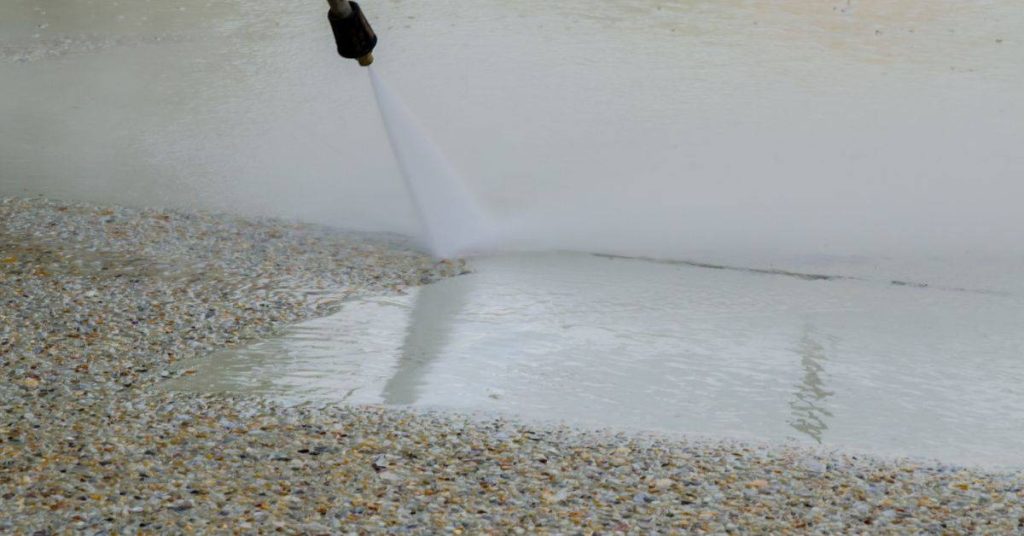
pressure washer cleaning exposed aggregate concrete surface

Concrete Countertop Mix Design for DIY: Step-by-Step Timeline and Duration Guide

Introduction Planning a concrete countertop project involves careful timing to ensure the best results. From mix design to curing, each step takes specific time commitments. This guide walks you through the timeline and duration of key processes, helping you plan your DIY project efficiently. Let’s dive into the step-by-step timeline, so you know exactly what […]

Concrete Countertop Mix Design for DIY: Step-by-Step Timeline and Duration Guide Read More »

Close-up of concrete expansion joint tooling with fresh concrete

Concrete Expansion Joint Sealants: Step-by-Step Application Timeline

Introduction Applying concrete expansion joint sealants is a crucial step in protecting your concrete surfaces from damage caused by movement and weathering. Understanding the timeline of this process helps you plan your project more effectively. Whether you’re working on a DIY project or managing a construction site, knowing how long each stage takes ensures that

Concrete Expansion Joint Sealants: Step-by-Step Application Timeline Read More »

How to Fix Concrete Plasticizer Problems (DIY Steps + Stop Rules)

Plastic-Sheet Concrete Curing Problems: How to Prevent Tiger Stripes, Trapped Water, and Soft Spots

Introduction Plastic-sheet concrete curing problems are surface defects and moisture issues that happen when polyethylene or similar sheets are used poorly during the curing period. In plain terms, tiger stripes are streaky color/texture changes, trapped water is pooled moisture under the sheet, and soft spots are weak areas from uneven hydration or contamination. This intro

Plastic-Sheet Concrete Curing Problems: How to Prevent Tiger Stripes, Trapped Water, and Soft Spots Read More »

Worker tying rebar grid with pliers on gravel base

What Happens If a Concrete Slab Is Too Thin? Real-World Failure Signs, Load Issues, and Fix Options

Introduction A concrete slab that is “too thin” means it lacks the mass and reinforcement to carry the loads and ground movements expected of it, and it will show that by failing sooner than a properly sized slab. Expect visible signs like cracking, sagging, or edge spalling, and check manufacturer guidance, product labels, and local

What Happens If a Concrete Slab Is Too Thin? Real-World Failure Signs, Load Issues, and Fix Options Read More »

Concrete slab with nine small drilled drainage holes

Core Drilling Small Holes in Concrete: Water Control, Bit Choices, and Patch Strategy

Introduction Core drilling small holes in concrete means using a core drill to bore precise holes and manage water for clean cuts. Water control is about keeping the dust down and cooling the drill, so use a steady water feed or a flood guard. Choose a bit size and type that matches the hole you

Core Drilling Small Holes in Concrete: Water Control, Bit Choices, and Patch Strategy Read More »

close up of cracked concrete surface with one large crack

Concrete Crack Stitching for DIYers: When Staples + Epoxy Beat ‘Fill and Forget’

Introduction Crack stitching is a method to rebind a cracked concrete surface using staples and epoxy to align and hold the pieces. It’s a practical, hands‑on repair you can tackle with basic tools. The stitched bond is designed to move with the slab rather than simply fill the gap. Plan your approach by inspecting the

Concrete Crack Stitching for DIYers: When Staples + Epoxy Beat ‘Fill and Forget’ Read More »

Highly polished concrete floor reflecting overhead lights

How to Make Concrete Look Like Limestone: Washes, Rubbed Finishes, and Sealers

Introduction This is a DIY technique to make concrete resemble limestone using washes, rubbed finishes, and sealers. You’ll work in stages from prepping the surface to applying color washes and texture. This approach aims for a natural, diffused look rather than a glossy finish. Start by cleaning the surface and addressing any rough spots, then

How to Make Concrete Look Like Limestone: Washes, Rubbed Finishes, and Sealers Read More »

Closeup of spider crack on rough concrete surface

DIY Concrete Waterproofing on the Inside: When It Works and When It’s a Trap

Introduction DIY concrete waterproofing on the inside is applying moisture barriers and sealants to interior concrete surfaces to keep dampness at bay. It helps when intrusion comes through cracks, porous walls, or hydrostatic pressure, but it isn’t a substitute for good exterior drainage. We’ll walk through identifying water sources and choosing practical interior steps for

DIY Concrete Waterproofing on the Inside: When It Works and When It’s a Trap Read More »