Concrete

Concrete is where I keep my step-by-step guides for planning, pouring, and finishing concrete projects.

Topics include base prep, forms, reinforcement, thickness, mixing and placing, finishing, curing, sealing, and long-term durability. I also cover troubleshooting—what to do when concrete cracks, scales, dusts, or cures unevenly.

If you’re new to concrete, start with the planning and prep articles. They prevent most of the expensive mistakes.

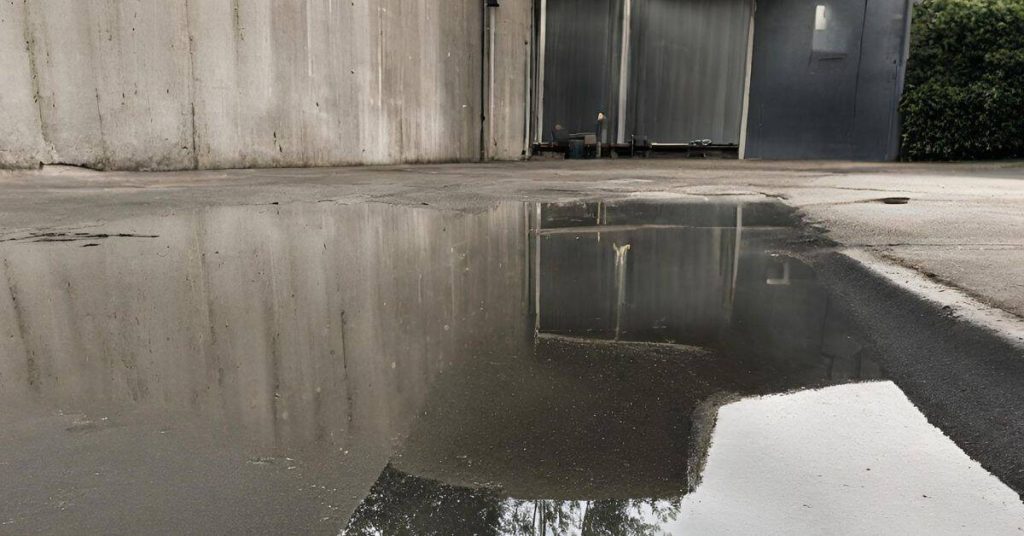
Water puddle on concrete surface near wall and door

Reading Water Stains Around Concrete Slabs: Simple Drainage Diagnostics Before You Start Digging

Introduction Water stains around concrete slabs indicate moisture movement from beneath or around the slab rather than a surface spill. This article helps you spot early signs and assess the basic drainage setup before any digging. Use plain checks and safe steps to decide what to fix first. Common signs include damp patches, mineral buildup, […]
Reading Water Stains Around Concrete Slabs: Simple Drainage Diagnostics Before You Start Digging Read More »

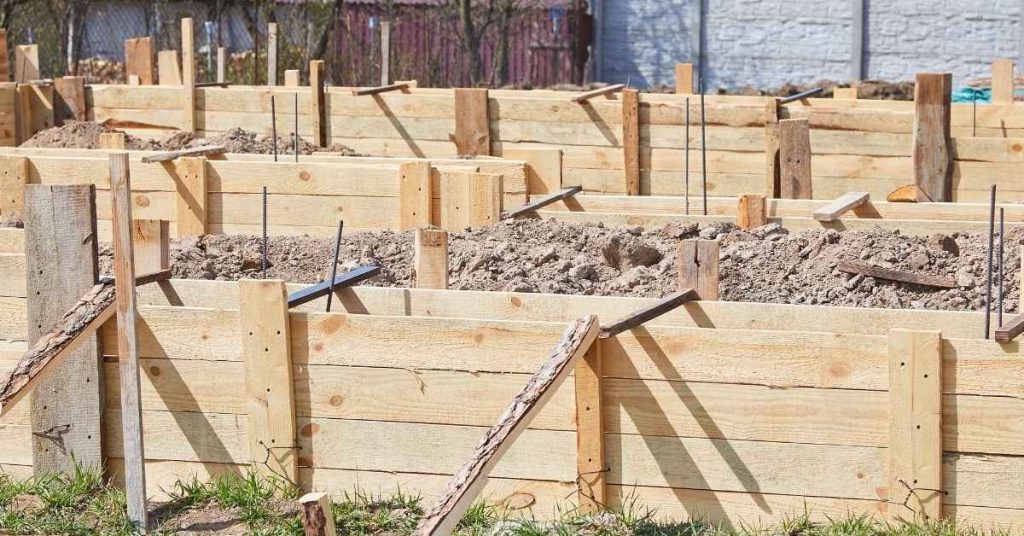
Wooden formwork panels set up for concrete pouring outdoors

Air-Entrained Concrete for Driveways and Steps: Real Freeze–Thaw Failures and How to Avoid Them

Introduction Air-entrained concrete is a type of concrete that has microscopic air voids added to improve its resistance to freeze–thaw damage. This helps prevent cracking and spalling in driveways and steps when the temperature swings. The key idea is that the tiny air pockets provide space for water to expand during freezing without cracking the

Air-Entrained Concrete for Driveways and Steps: Real Freeze–Thaw Failures and How to Avoid Them Read More »

Rusty orange concrete silo against clear blue sky

Troubleshooting DIY Mixes with a Slump Test: What Bad Numbers Look Like in Real Concrete

Introduction A slump test measures the workability of fresh concrete by how far a cone of concrete settles. This simple check helps you see if the mix will place and cure as intended. Slump ranges include zero, low, medium, high, and collapse, and each indicates a different workability. Different factors—water content, aggregate size, and mixing

Troubleshooting DIY Mixes with a Slump Test: What Bad Numbers Look Like in Real Concrete Read More »

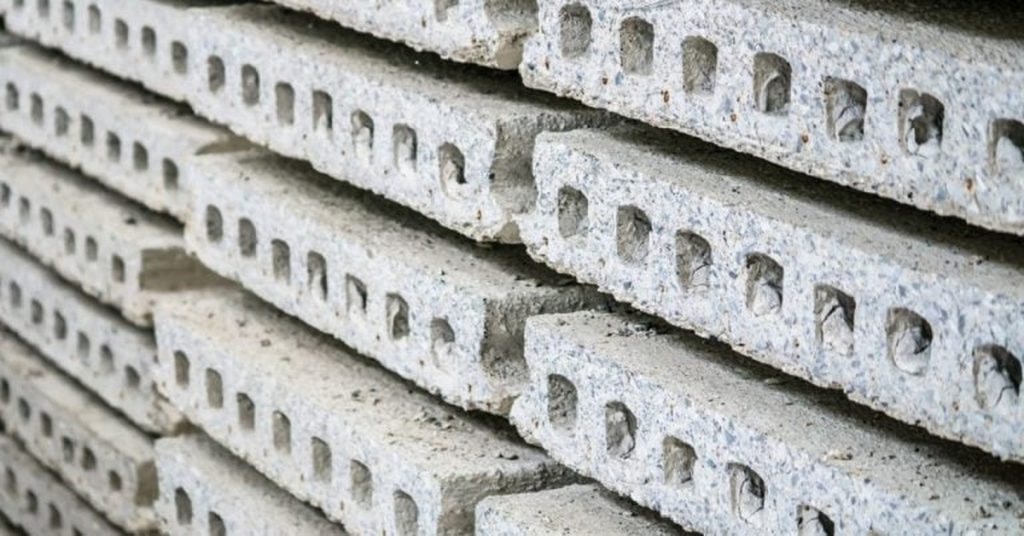
Stacked hollow core concrete slabs with visible edges

Random Cracks on Concrete Slabs: How to Read the Pattern and Find the Real Cause

Introduction Random cracks on concrete slabs are cracks that appear without a clear, repeating pattern. They can be the surface result of shrinkage, settlement, or temperature changes that stress the slab. Understanding when a crack is random helps you decide which steps to take next. To read the pattern, look at crack direction, length, width,

Random Cracks on Concrete Slabs: How to Read the Pattern and Find the Real Cause Read More »

Concrete driveway with brick border and grass lawn

Small-Batch Concrete Mixing: Keeping Ratios Honest with Buckets and a Cheap Scale

Introduction Small-batch concrete mixing means preparing only a limited amount of concrete at a time using simple tools like buckets and a basic scale. This article walks you through keeping ratios accurate, step by step, without fancy equipment. You’ll learn practical, hands-on methods suitable for quick projects and testing mixes. As you work, you can

Small-Batch Concrete Mixing: Keeping Ratios Honest with Buckets and a Cheap Scale Read More »

Worker pouring wet concrete over metal rebar grid

DIY Concrete Slump Control: Consistent Water Measurement and Batch-to-Batch Matching

Introduction Controlling water in concrete means keeping the mix’s water content steady so the slump remains predictable. A stable slump helps achieve a uniform color across the surface and avoids unexpected variation. Workable, consistent batches come from careful water handling and using the same mixing procedure each time. Accurate water measurement relies on consistent procedures

DIY Concrete Slump Control: Consistent Water Measurement and Batch-to-Batch Matching Read More »

Concrete formwork panels brace supports at construction site

Concrete Formwork Bulge and Bow: Brace Spacing and Quick Checks Before the Truck Shows up

Introduction Concrete formwork bulge and bow occur when the facing panels deform under poured concrete, and brace spacing determines the frame’s stability. A tight, well-braced layout helps keep panels square and reduces the risk of sudden failures. Before the truck shows up, perform quick checks for obvious bulges, loose braces, and misaligned corners. Check that

Concrete Formwork Bulge and Bow: Brace Spacing and Quick Checks Before the Truck Shows up Read More »

Stamped concrete patio surface with a textured pattern

Form Oil and Release Agents for Concrete: the Types That Stain and How to Avoid Fish-Eyes

Introduction Form oils and release agents are substances applied to molds to prevent sticking and ease demolding in concrete. They come in different types, including petroleum-based form oils and water-emulsion or semi-synthetic releases. The choice affects how the surface looks, so always check the product label and follow manufacturer instructions. To avoid fish-eye and staining,

Form Oil and Release Agents for Concrete: the Types That Stain and How to Avoid Fish-Eyes Read More »

Closeup of stacked concrete deck blocks

De-Icing Salts on Concrete: Which Products Attack Surfaces and Safer Winter Habits

Introduction De-icing salts on concrete are chemical products used to melt snow and ice, but they can damage the surface if misused. They work by lowering the freezing point of water, but some products can attack the concrete finish or initiate surface wear. Before applying, read the label and follow manufacturer instructions to choose a

De-Icing Salts on Concrete: Which Products Attack Surfaces and Safer Winter Habits Read More »

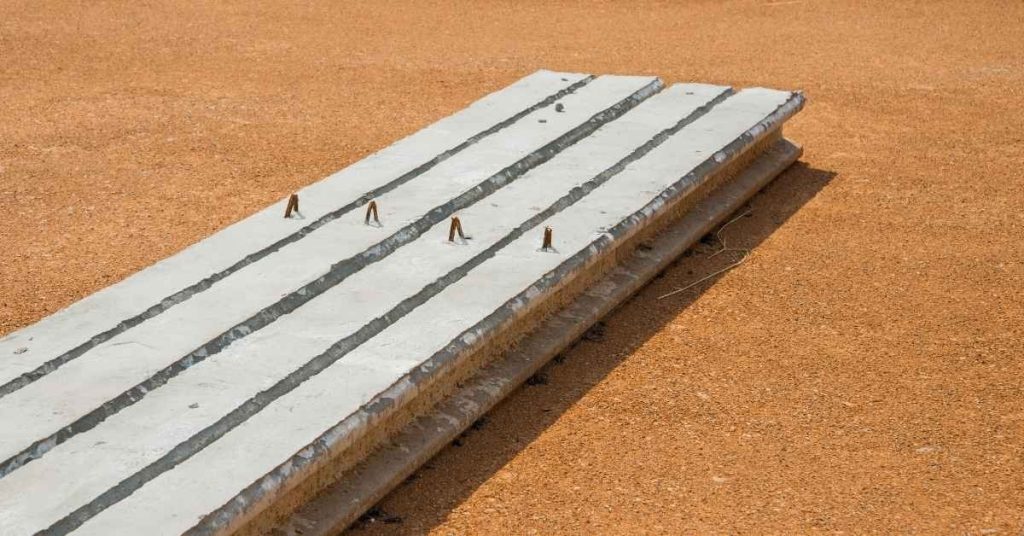
Concrete precast panel with exposed rebar on sandy ground

Penetrating Sealers Vs Film Sealers on Concrete: Picking One That Won’t Peel Outdoors

Introduction Penetrating sealers soak into the concrete and block moisture from within. Film sealers stay on the surface and create a protective film. Both aim to slow water and stain absorption, but they behave differently outdoors. Choose penetrating sealers for natural look and breathability on outdoor slabs. Film sealers can enhance color and provide a

Penetrating Sealers Vs Film Sealers on Concrete: Picking One That Won’t Peel Outdoors Read More »