Concrete

Concrete is where I keep my step-by-step guides for planning, pouring, and finishing concrete projects.

Topics include base prep, forms, reinforcement, thickness, mixing and placing, finishing, curing, sealing, and long-term durability. I also cover troubleshooting—what to do when concrete cracks, scales, dusts, or cures unevenly.

If you’re new to concrete, start with the planning and prep articles. They prevent most of the expensive mistakes.

Concrete ceiling with patched spalling areas

Polymer-Modified Repair Mortars in Freeze–Thaw Zones: When Polymer Helps and When It Hurts

Introduction Polymer-modified repair mortars are cement mixes that use polymers to improve adhesion and cohesiveness in damaged concrete. In DIY jobs near freeze–thaw cycles, they can help keep cracks from reopening if applied to a clean, prepped surface. Always read the product label for mixing ratios, cure time, and any temperature guidance before starting. Polymers […]
Polymer-Modified Repair Mortars in Freeze–Thaw Zones: When Polymer Helps and When It Hurts Read More »

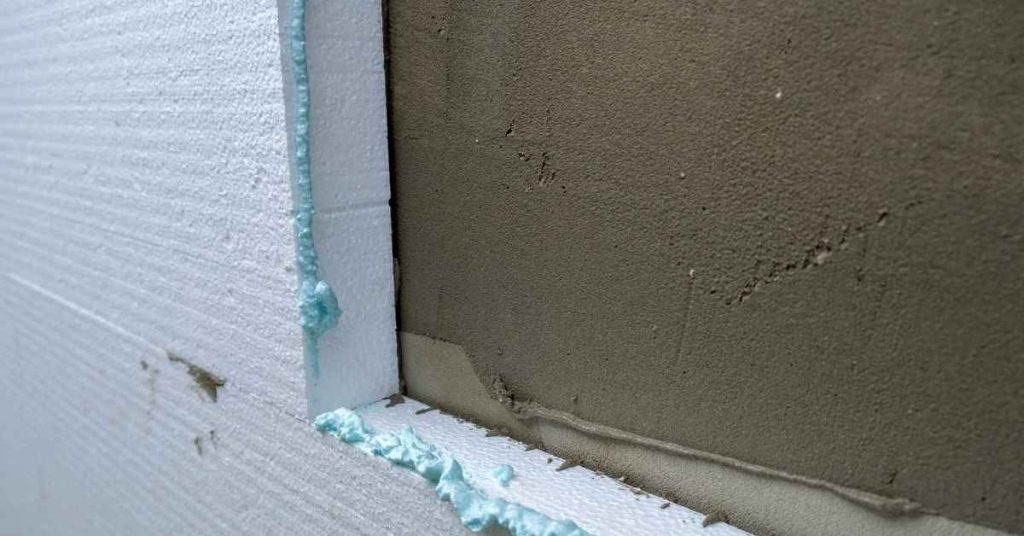
Close-up of foam insulation and repair mortar edge

Feather-Edge Rules for Repair Mortars: Minimum Thickness by Product Type

Introduction Feather-edge thickness for repair mortars is the minimum thickness you should aim for at the feathered edge of a repair, as defined by the product you choose. Because different products have different requirements, always check the label and the manufacturer instructions for the exact minimum. If in doubt, consult local rules or a pro

Feather-Edge Rules for Repair Mortars: Minimum Thickness by Product Type Read More »

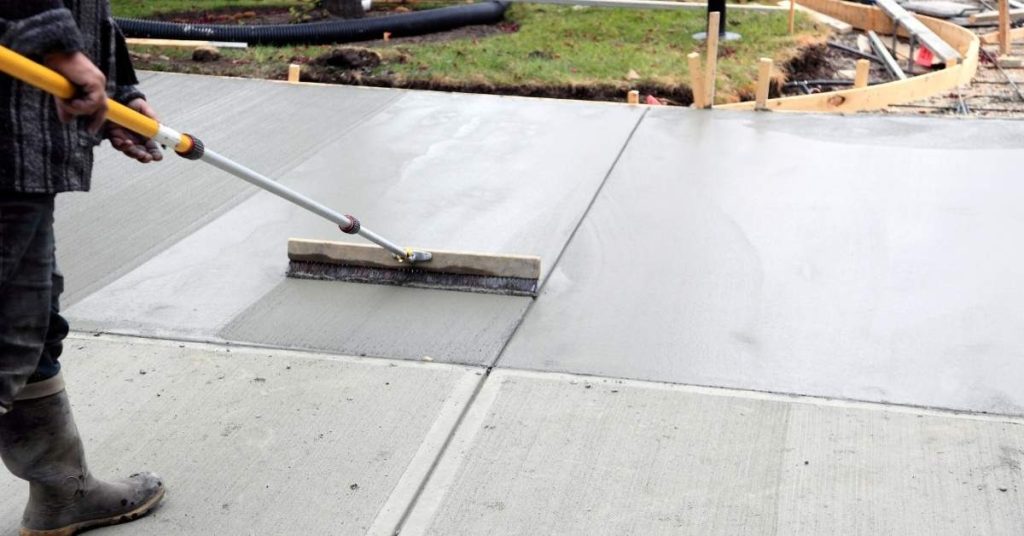
Person using concrete broom on wet concrete sidewalk

Reprofiling Worn Broom Finish: Thin Overlay vs Cut-and-Replace

Introduction Reprofiling worn broom finish means restoring a broom-textured concrete surface by either applying a thin overlay or replacing the affected slab. The approach you choose hinges on how deep the damage is, how flat you need it, and what your budget allows. Before you mix anything, focus on proper surface prep, crack clearing, and

Reprofiling Worn Broom Finish: Thin Overlay vs Cut-and-Replace Read More »

Close up of concrete floor grinding machine in use

Fixing Trip Hazards on Sidewalks: Grinding Limits, Overlay Risks, and Code-Ish Thresholds

Introduction Trip hazards on sidewalks are uneven or crowned surfaces that can snag a foot and cause a fall. For a DIY approach, start by evaluating where and how the surface is out of plane and plan gentle corrections rather than drastic reshaping. Keep changes modest, clearly mark the area, and work in daylight to

Fixing Trip Hazards on Sidewalks: Grinding Limits, Overlay Risks, and Code-Ish Thresholds Read More »

Close-up of a large crack in concrete slab surface

Concrete Crack Stitching With Staples: When It Works and How to Detail It

Introduction Concrete crack stitching with staples is a method that uses staples and epoxy to bridge and reinforce cracks in concrete. It’s most practical for non-structural cracks where movement is limited and the surface is accessible. Check product labels and local rules for epoxy and staple kit compatibility before starting. Typical materials to have on

Concrete Crack Stitching With Staples: When It Works and How to Detail It Read More »

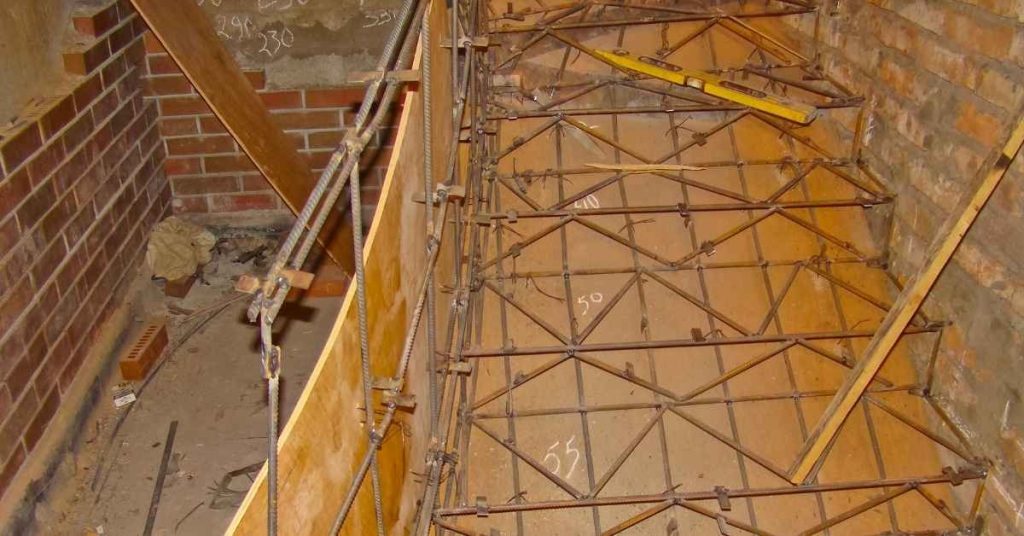
Concrete formwork with rebar inside brick walls

How to Write a Concrete Repair ‘Diagnosis Report’ for Your Own Projects: Photos, Measurements, and Decisions

Introduction A concrete repair diagnosis report is a simple, practical summary that defines what’s wrong, what you measure, and what you plan to fix. It guides your Photo-log, measurements, and observations into a clear set of next steps. Keep it grounded in what you can see, feel, and verify on the job site, with concrete

How to Write a Concrete Repair ‘Diagnosis Report’ for Your Own Projects: Photos, Measurements, and Decisions Read More »

Worker pouring concrete mix over steel rebar grid

DIY Grout-Style Mixes vs True Concrete: When High Sand Content Is Actually Stronger

Introduction Grout-style mixes with high sand content differ from true concrete in composition and how they cure. In some cases, more sand can bulk up the mix and feel stronger, but that doesn’t mean it works the same as real concrete in every situation. Always check the product label and manufacturer guidance to confirm sand

DIY Grout-Style Mixes vs True Concrete: When High Sand Content Is Actually Stronger Read More »

Stacked precast concrete wall panels outdoors on construction site

Infrared Thermography on Concrete Walls: Spotting Moisture and Delamination Without Guesswork

Introduction Infrared thermography is a non-contact inspection method that shows temperature differences on concrete walls to reveal moisture and delamination. It helps you spot problem areas without invasive probing, so you can plan remediation. Use it as a hands-on tool to guide where to open the wall and what to seal. In practice, expect to

Infrared Thermography on Concrete Walls: Spotting Moisture and Delamination Without Guesswork Read More »

Concrete screed tool smoothing wet concrete surface

Choosing Aggregate Size for Small Forms: Fewer Voids, Fewer Bugholes, Easier Finishing

Introduction Smaller aggregate size reduces voids and bugholes and makes finishing easier. For DIY projects, pick an aggregate that fits the form and follow the bag label and manufacturer guidance. If in doubt, check local rules or guidance from the mix supplier before deciding. Consolidation and slump are about how well the concrete fills tight

Choosing Aggregate Size for Small Forms: Fewer Voids, Fewer Bugholes, Easier Finishing Read More »

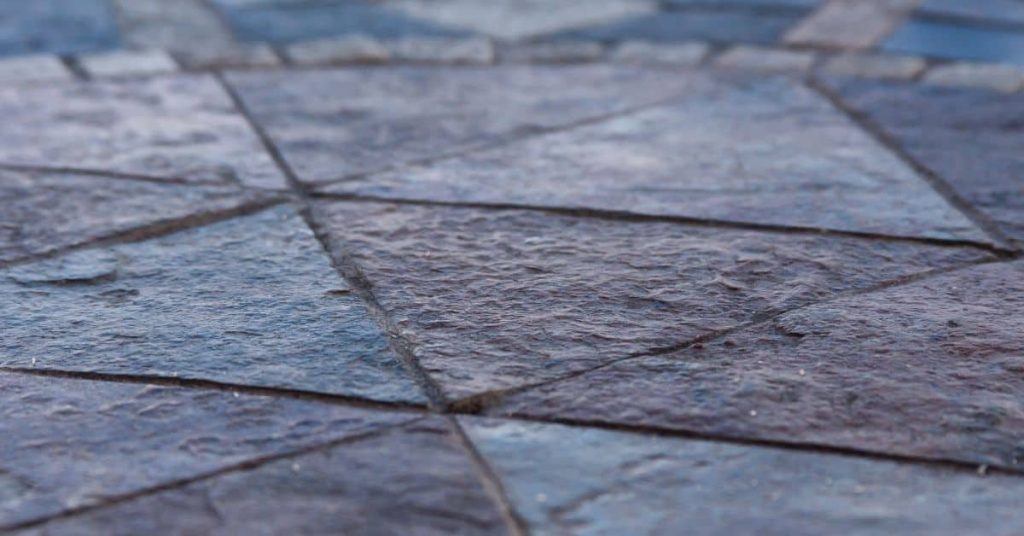
Close-up of textured and stamped concrete surface

Retarders in Decorative Concrete: Avoiding Cold Joints Without Soft Surfaces

Introduction Surface retarders are chemicals you apply to the top of fresh concrete to slow the surface set. They let you finish the body of the slab without creating a soft, uneven surface, helping you avoid cold joints. Different formulas work differently on color and texture, so understand what you’re using before you apply it.

Retarders in Decorative Concrete: Avoiding Cold Joints Without Soft Surfaces Read More »