Concrete

Concrete is where I keep my step-by-step guides for planning, pouring, and finishing concrete projects.

Topics include base prep, forms, reinforcement, thickness, mixing and placing, finishing, curing, sealing, and long-term durability. I also cover troubleshooting—what to do when concrete cracks, scales, dusts, or cures unevenly.

If you’re new to concrete, start with the planning and prep articles. They prevent most of the expensive mistakes.

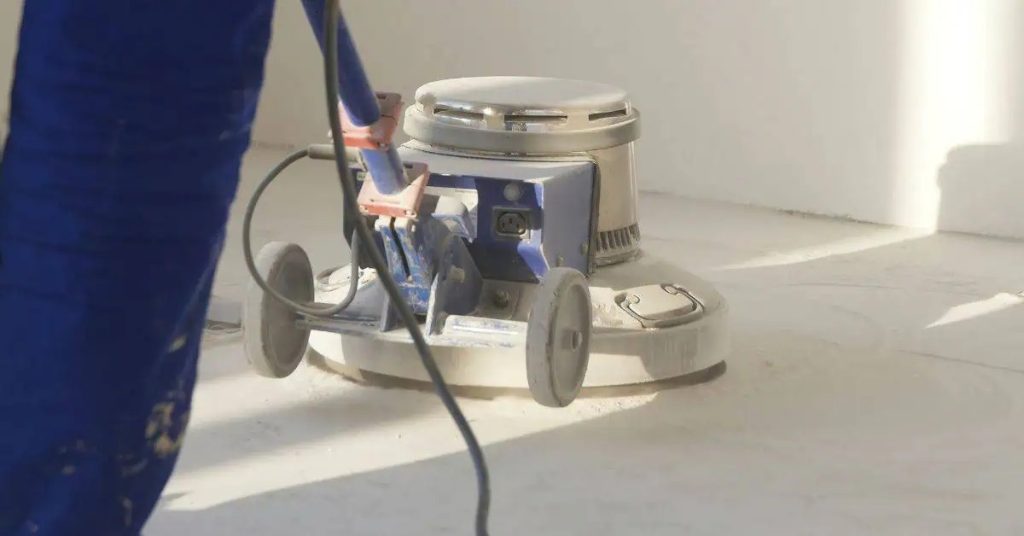
closeup of concrete floor polishing machine on floor

Angle grinder dust control on concrete and masonry: shrouds, vac sizing, and why airflow matters

Introduction Angle grinder dust control on concrete and masonry means using a shroud and vacuum system to capture dust at the source during cutting and grinding. Controlling dust protects lungs, keeps the work area safer, and helps the job go smoother by reducing cleanup and exposure. Airflow matters because proper capture depends on a good […]
Angle grinder dust control on concrete and masonry: shrouds, vac sizing, and why airflow matters Read More »

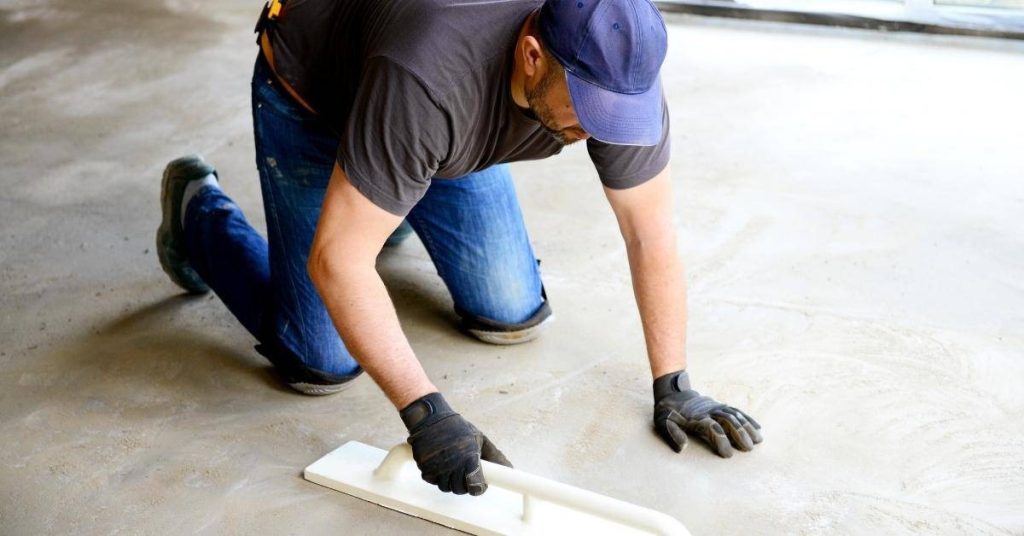
Worker kneeling smoothing wet concrete floor

Stringline vs laser for concrete and masonry layout: when old-school lines beat tech for accuracy

Introduction Stringlines are a traditional layout method using taut string and stakes to mark precise lines for concrete and masonry. Lasers introduce electronic sighting and can be faster, but stringlines can be more accurate in limited spaces or on uneven terrain when properly stretched and aligned. The choice depends on accuracy needs, site conditions, and

Stringline vs laser for concrete and masonry layout: when old-school lines beat tech for accuracy Read More »

Handheld float smoothing fresh concrete slab surface

Laser level setup for concrete slab work: calibration habits and common tripod mistakes

Introduction A laser level setup for concrete slab work is the process of aligning a beam reference to the slab plane and keeping it calibrated for accurate layout. Start with regular calibration checks and use a stable tripod to maintain a true reference throughout the job. Always verify the setup after adjusting or moving equipment

Laser level setup for concrete slab work: calibration habits and common tripod mistakes Read More »

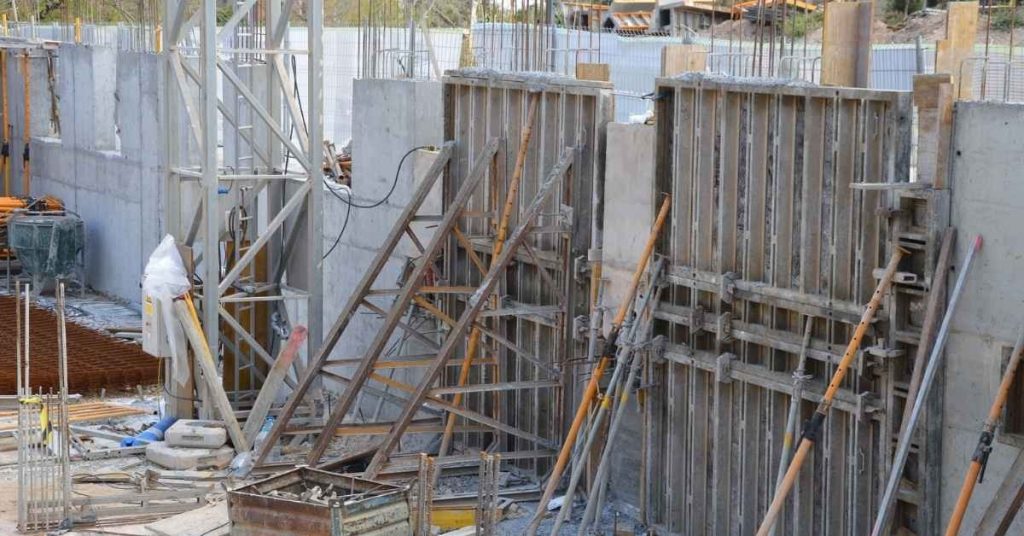
Concrete wall forms with multiple braces and supports at construction site

Concrete form bracing checklist: the quick pre-pour inspection that prevents disasters

Introduction A concrete form bracing checklist is a quick, practical pre-pour verify-before-you-commit guide to ensure form supports and braces are secure. Use it to confirm the setup is stable, true, and ready for concrete placement. It also helps you spot gaps in formwork setup, reinforcement placement, and material readiness before you mix and pour. Start

Concrete form bracing checklist: the quick pre-pour inspection that prevents disasters Read More »

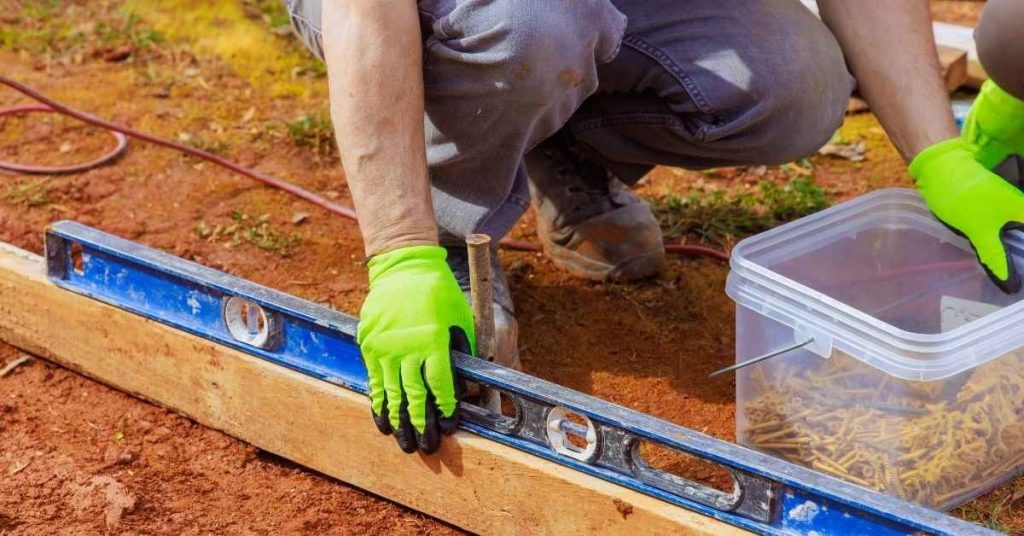
Person using level on wooden concrete form

Concrete form ties and snap ties: spacing rules and avoiding form blowouts

Introduction Form ties and snap ties are fasteners that hold concrete forms in place during pouring. They help keep the formwork tight and resist outward pressure. Use them according to manufacturer instructions and local rules to avoid failures. They come in several types and sizes, and selection depends on the project. Place and space them

Concrete form ties and snap ties: spacing rules and avoiding form blowouts Read More »

Close-up of drill bit drilling into concrete wall

Choosing a mixer for concrete and mortar: drill paddle vs mortar mixer vs tow-behind for your batch size

Introduction Choosing a mixer for concrete and mortar comes down to batch size and material, with drill paddles, stand-alone mortar mixers, and tow-behind units as common options. Drill paddles attach to a drill and work best for small jobs or light mixes, while dedicated mortar mixers and tow-behind models handle larger or tougher batches. Each

Choosing a mixer for concrete and mortar: drill paddle vs mortar mixer vs tow-behind for your batch size Read More »

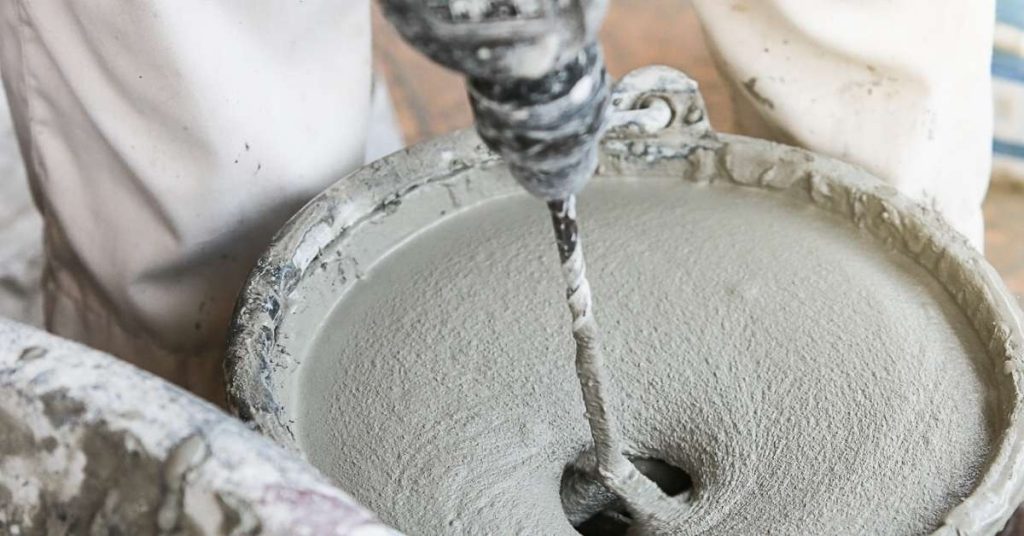
Electric mixer blending cement in a bucket

Cleaning concrete and mortar mixers and paddles: preventing rust flakes and stuck cement rings

Introduction Cleaning concrete and mortar mixers and paddles involves removing cement residue, grime, and surface rust to ensure smooth operation and prevent rust flakes or cement rings from forming. This routine maintenance extends equipment life and maintains consistent mixing results. Use simple steps and ordinary shop tools for this hands-on task. Select cleaning methods and

Cleaning concrete and mortar mixers and paddles: preventing rust flakes and stuck cement rings Read More »

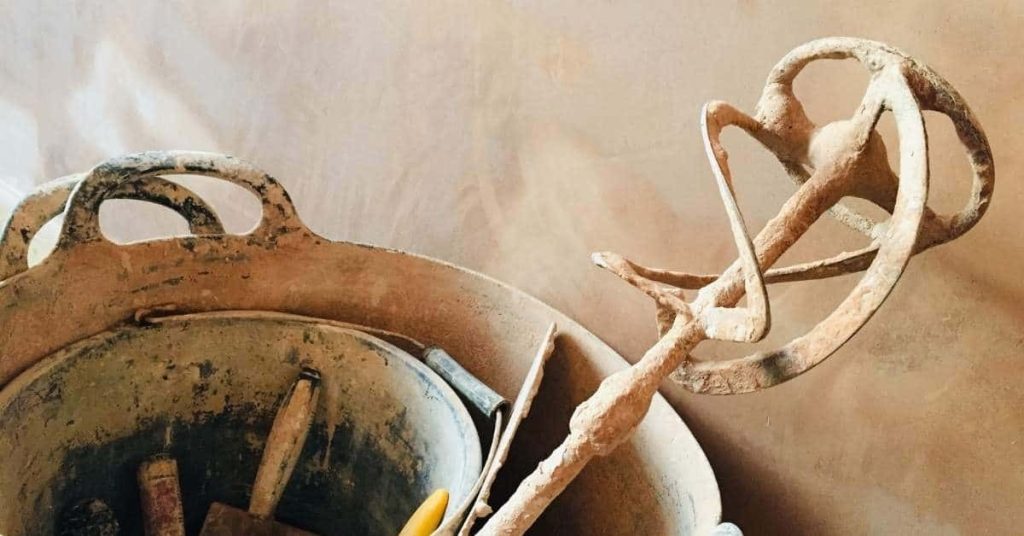
Old mixing tub with concrete mixer paddle and tools inside

Mixing barrels and tubs for concrete and mortar: what lasts, what cracks, and the easiest cleanup routine

Introduction Mixing barrels and tubs refers to using sturdy containers to blend concrete or mortar on site. Different container materials wear differently under load and abrasion. This article outlines what tends to hold up, what can crack, and how to keep cleanup quick and straightforward. For cleanup, rinse and scrub while material is still soft,

Mixing barrels and tubs for concrete and mortar: what lasts, what cracks, and the easiest cleanup routine Read More »

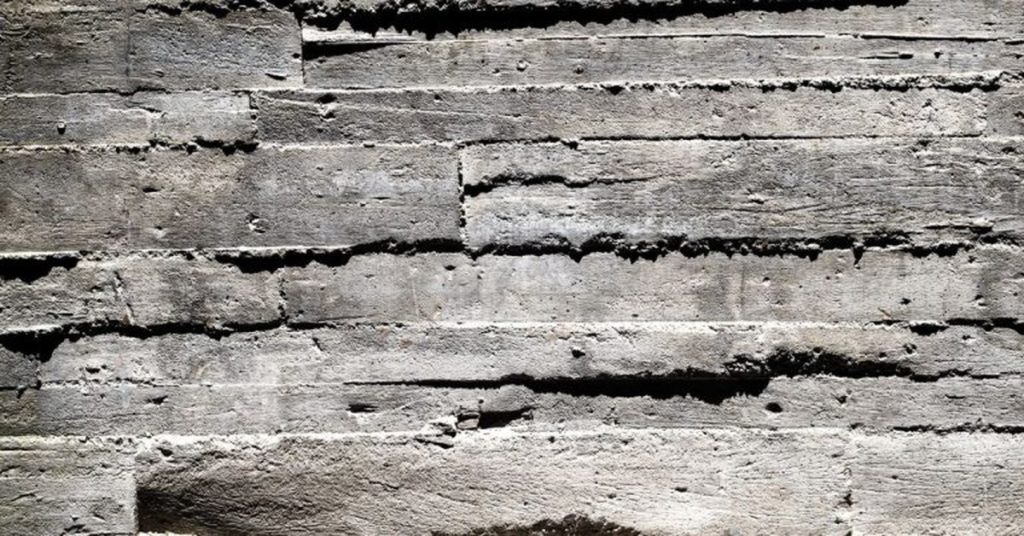
Close-up of rough concrete surface with wood grain texture

Concrete float comparison: mag, wood, resin—how each changes the finish

Introduction A concrete float comparison explains how magnesium, wood, and resin floats affect the surface finish. This article frames what each float type does as you work a concrete slab or patch, with plain, hands-on guidance. You’ll see what to expect in real-world use and how to judge the finish as you go. Magnesium floats

Concrete float comparison: mag, wood, resin—how each changes the finish Read More »

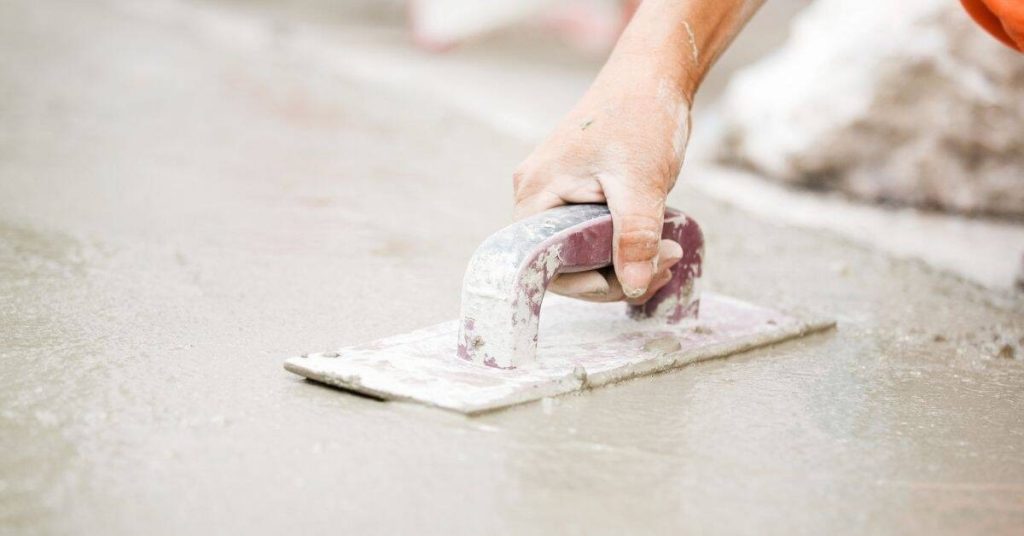
hand holding hand trowel smoothing wet concrete surface

Hand trowel sizing for concrete and plaster work: what beginners should buy first and what to skip

Introduction Hand trowel sizing means choosing the blade width and handle style to match the task, material, and user comfort, so beginners know what to buy first and what to skip. Start with a basic mid-size trowel suitable for both concrete and plaster, and avoid buying rare or specialty shapes until you’ve used a standard

Hand trowel sizing for concrete and plaster work: what beginners should buy first and what to skip Read More »