Concrete

Concrete is where I keep my step-by-step guides for planning, pouring, and finishing concrete projects.

Topics include base prep, forms, reinforcement, thickness, mixing and placing, finishing, curing, sealing, and long-term durability. I also cover troubleshooting—what to do when concrete cracks, scales, dusts, or cures unevenly.

If you’re new to concrete, start with the planning and prep articles. They prevent most of the expensive mistakes.

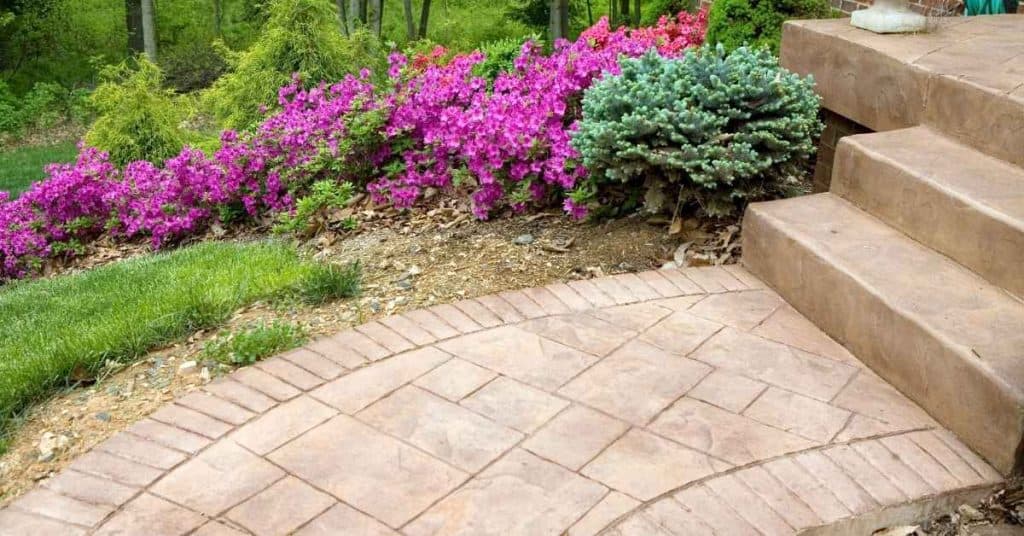
Curved stamped concrete patio edge beside stair steps and garden bed.

Plow-Friendly Concrete Edging for Gravel Drives: Low-Profile Forms and Crack Control

Introduction Plow-friendly concrete edging is a low-profile edge along a gravel drive designed to resist plow damage while keeping the edge neat. It uses lightweight forms set close to grade and poured with care to avoid raised lips. Keep it simple and plan for a smooth transition from drive surface to edging. To make it […]

Plow-Friendly Concrete Edging for Gravel Drives: Low-Profile Forms and Crack Control Read More »

Close-up of cracked gray concrete surface

Concrete Downspout Solutions: Surface Channels vs Buried Pipe (and Freeze Risks)

Introduction Concrete downspout solutions route roof water either through surface channels or through buried pipes, with freeze risks to consider. This introduction helps you weigh a surface option you can see and a buried option that hides the work, based on your site and climate. Buried systems can keep surfaces clean and may reduce trip

Concrete Downspout Solutions: Surface Channels vs Buried Pipe (and Freeze Risks) Read More »

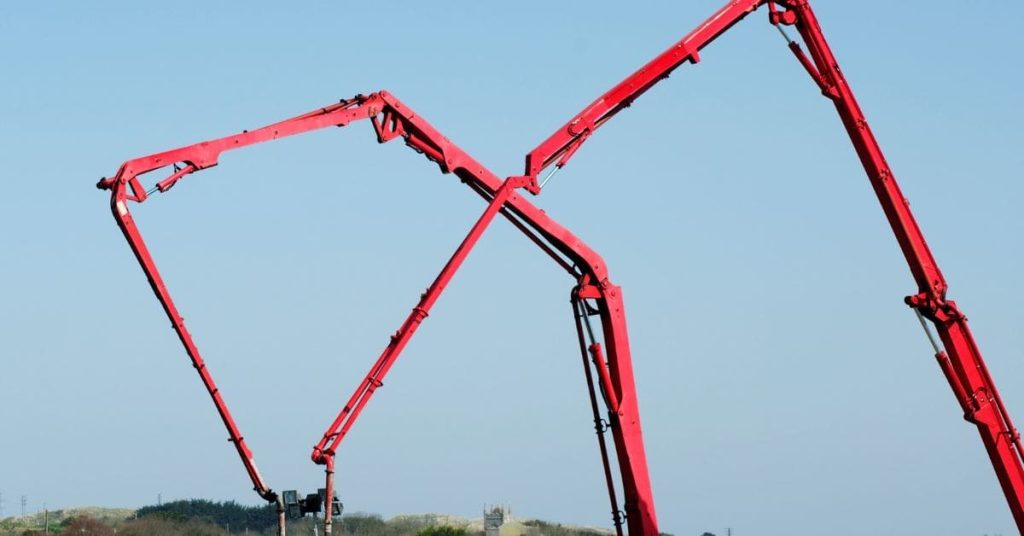
Red concrete pump booms set against clear blue sky

Concrete Splash Blocks That Actually Move Water: Shapes, Slopes, and Soil Protection

Introduction A splash block is a molded block placed under a downspout to direct rainwater away from the foundation. This article focuses on concrete splash blocks that actually move water, considering shapes, slopes, and soil protection. Choose a design based on how much flow you have and what the soil needs, and verify you follow

Concrete Splash Blocks That Actually Move Water: Shapes, Slopes, and Soil Protection Read More »

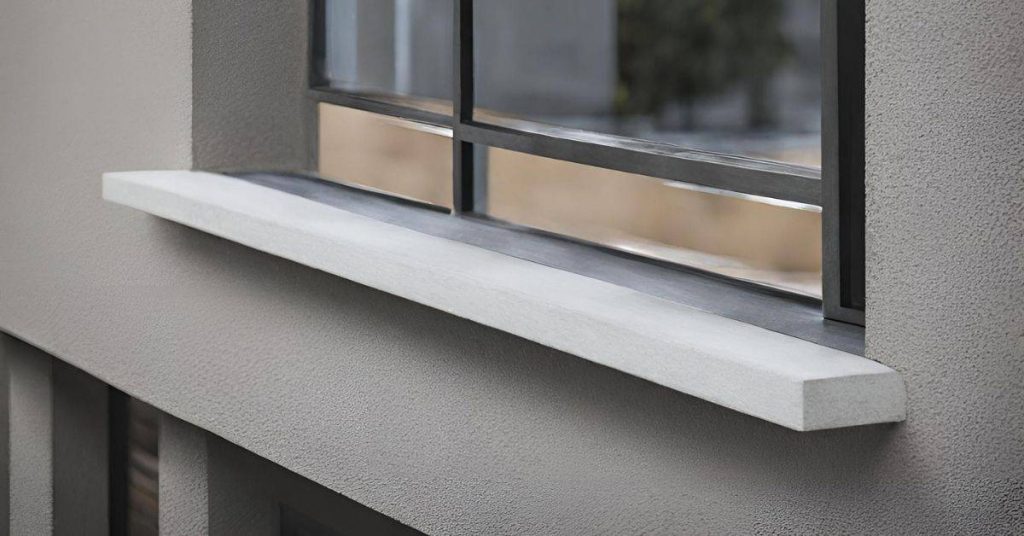
Precast concrete window sill on textured exterior wall

Concrete Pads for Mini-Split Condensers: Vibration Isolation and Drainage Details

Introduction Concrete pads provide a solid, level base for mini-split condensers while helping dampen vibration and manage drainage. In practice, you’ll pick a pad size and placement that suits your unit and how you route condensate away from the slab. Always verify load limits, mounting hardware recommendations, and local rules before pouring. Anti-vibration features and

Concrete Pads for Mini-Split Condensers: Vibration Isolation and Drainage Details Read More »

Polished concrete floor reflecting windows and lights

Kitchen Polished Concrete Sealers: Heat Rings, Food Reality, and Maintenance Plans

Introduction Kitchen polished concrete sealers are coatings that protect and enhance a smooth concrete surface in food prep areas. This article gives a practical, hands-on look at what types exist and how they work in real kitchens. We’ll cover basics you can check on labels and what questions to ask when choosing a sealer. Key

Kitchen Polished Concrete Sealers: Heat Rings, Food Reality, and Maintenance Plans Read More »

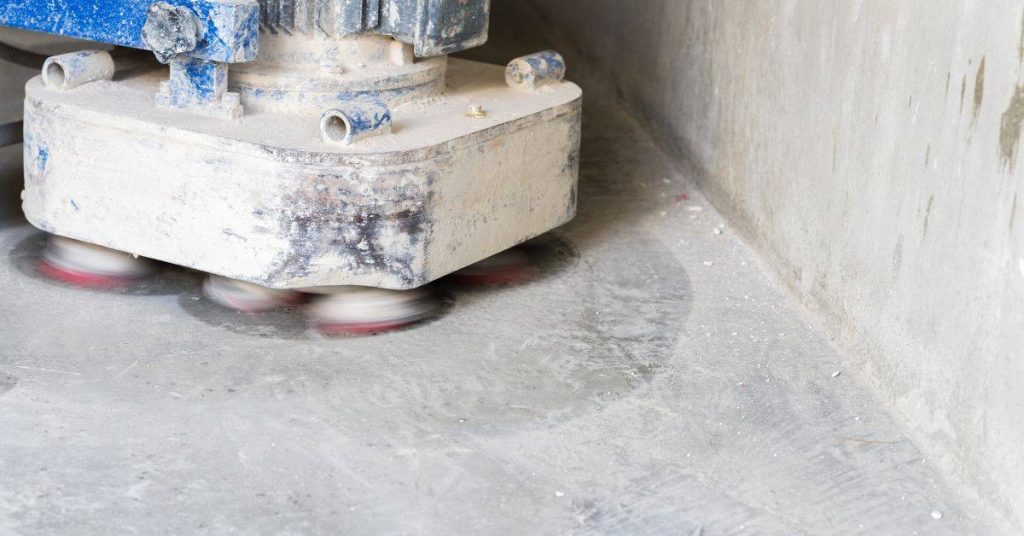
Close-up of a concrete floor grinder machine on concrete surface

Edge-and-Corner Concrete Polishing with a Small Grinder: A Tooling Map That Works

Introduction Edge-and-Corner Concrete Polishing with a Small Grinder is about using a compact handheld grinder to smooth and shine the edges and corners of a concrete surface. It’s a practical, do-it-yourself approach that fits tight spots and uneven edges. Plan for safety and steady, slow passes to avoid gouging or overheating. For small spaces, choose

Edge-and-Corner Concrete Polishing with a Small Grinder: A Tooling Map That Works Read More »

Close-up of concrete floor grinding machine in action

Grinding High Spots on Concrete: How Deep Is Safe Before You Hit Trouble

Introduction Grinding high spots on concrete is the process of removing tiny amounts of surface to bring the floor to a level plane. It’s a hands-on job that starts with locating the high spots and planning the approach, not blasting away blindly. Check your grinder’s guard, power rating, and the manufacturer’s instructions before you begin,

Grinding High Spots on Concrete: How Deep Is Safe Before You Hit Trouble Read More »

Workers installing concrete pavers on ground

Concrete Washout at Home: Containment, pH Basics, and Protecting Storm Drains

Introduction Concrete washout is the on-site collection and containment of liquid concrete waste so it can be treated instead of spilling. This protects soil and water, keeps your site tidy, and prevents muddy runoff from harming neighbors. Set up a sturdy, covered containment bin or small portable tank and keep the washwater inside until you

Concrete Washout at Home: Containment, pH Basics, and Protecting Storm Drains Read More »

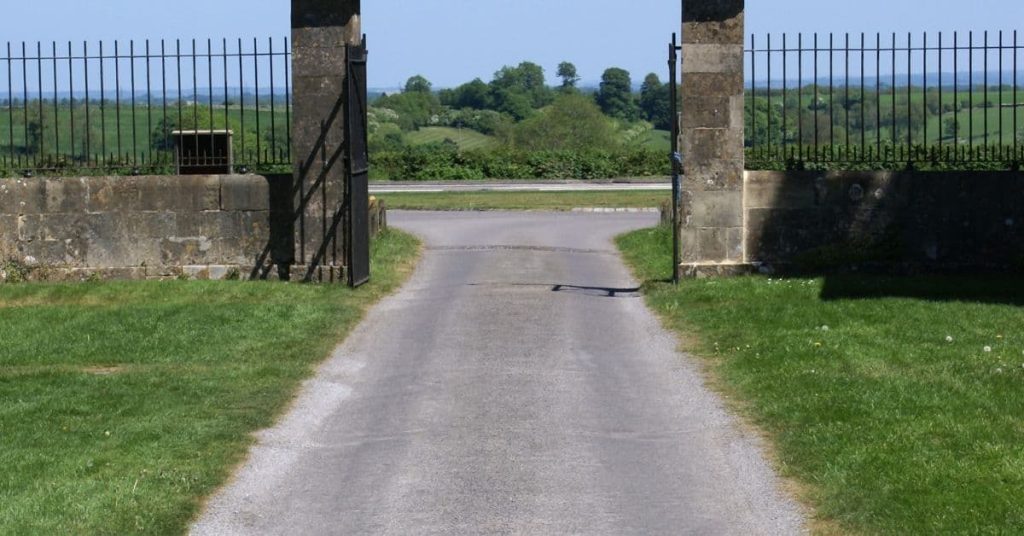
Stone-look concrete gate pillars with metal fence panels

Stone-Look Concrete Finishes: Rub Techniques, High Spots, and Sealer Choices

Introduction Stone-Look Concrete Finishes are achieved by rubbing and refining a concrete surface to resemble natural stone. On the job, you’ll use hand tools and trowels to work the surface while it’s still workable, then wipe, rub, and burnish to blend colors. Check product labels and manufacturer instructions for cure times and safety before starting.

Stone-Look Concrete Finishes: Rub Techniques, High Spots, and Sealer Choices Read More »