Concrete

Concrete is where I keep my step-by-step guides for planning, pouring, and finishing concrete projects.

Topics include base prep, forms, reinforcement, thickness, mixing and placing, finishing, curing, sealing, and long-term durability. I also cover troubleshooting—what to do when concrete cracks, scales, dusts, or cures unevenly.

If you’re new to concrete, start with the planning and prep articles. They prevent most of the expensive mistakes.

Comparing DIY Control-Joint Tools Jointers and Early-Entry Saws

Comparing DIY Control-Joint Tools: Jointers and Early-Entry Saws

Table of Contents Key Takeaways Introduction Criteria for Evaluation Overview of Jointers Details on Early-Entry Saws Comparative Analysis of Features Situations Favoring Jointers or Saws Common Questions About Control-Joint Tools Conclusion FAQ Key Takeaways Material Compatibility: Choose tools that match your concrete mix; jointers are best for fresh concrete, while early-entry saws work well in […]

Comparing DIY Control-Joint Tools: Jointers and Early-Entry Saws Read More »

Comparing Wire Mesh, Rebar, and Fiber Reinforcement for Homeowners

Comparing Wire Mesh, Rebar, and Fiber Reinforcement for Homeowners

Introduction Key Factors for Evaluation Overview of Wire Mesh Introduction to Rebar Understanding Fiber Reinforcement Comparative Analysis of Options Guidelines for Selecting the Right Reinforcement Common Questions and Answers Conclusion FAQ Key Takeaways Project Type: Choose reinforcement based on the specific needs of your project (e.g., rebar for driveways, wire mesh for patios). Load Bearing

Comparing Wire Mesh, Rebar, and Fiber Reinforcement for Homeowners Read More »

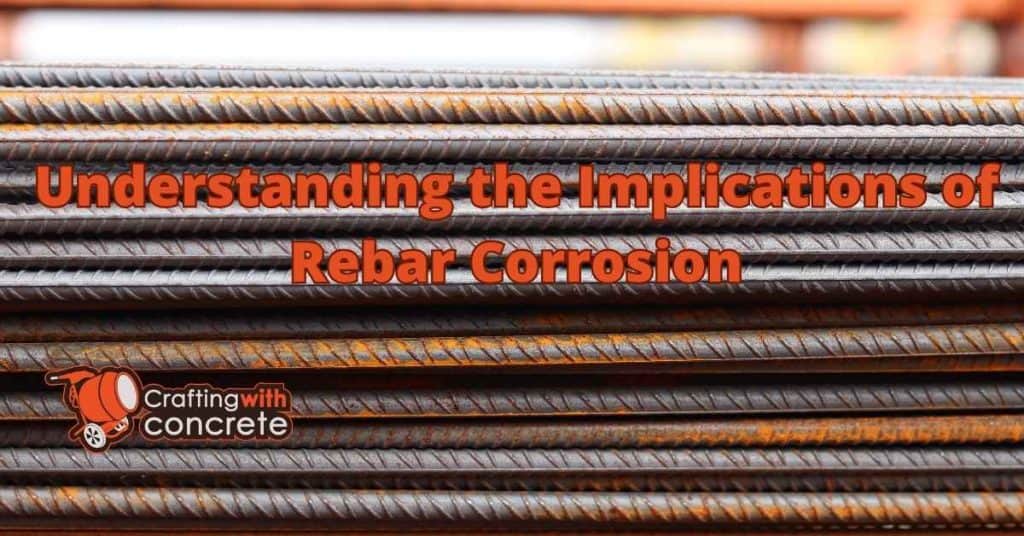
Understanding the Implications of Rebar Corrosion

Understanding the Implications of Rebar Corrosion

Table of Contents Introduction Fundamental Principles of Rebar Corrosion Essential Terminology Related to Rust on Rebar How Corrosion Develops in Reinforcing Steel Applications and Scenarios Involving Rebar Common Myths Surrounding Rebar Rust Important Factors to Consider Regarding Rebar Integrity Conclusion FAQ Key Takeaways Electrochemical reaction: Steel exposed to moisture and oxygen undergoes a reaction forming

Understanding the Implications of Rebar Corrosion Read More »

Understanding Air-Entrained Concrete for Cold Weather Conditions

Understanding Air-Entrained Concrete for Cold Weather Conditions

Table of Contents Introduction Essential Principles of Air Entrapment Glossary of Relevant Terms and Concepts How Air Entrainment Functions in Concrete Practical Applications in Cold Climates Common Misunderstandings About Air Entrained Concrete Important Factors to Keep in Mind Conclusion FAQ Key Takeaways Understanding air entrainment is essential for durability in freeze-thaw climates; tiny air bubbles

Understanding Air-Entrained Concrete for Cold Weather Conditions Read More »

Effective Cement Storage Solutions for Humid Garage Environments

Effective Cement Storage Solutions for Humid Garage Environments

Table of Contents Introduction Essential Supplies and Equipment Assessing Your Space and Conditions Detailed Instructions for Proper Storage Potential Challenges and Solutions Understanding the Importance of Proper Storage Helpful Hints and Alternative Methods Conclusion FAQ Key Takeaways Use waterproof storage containers like heavy-duty plastic bins or airtight buckets to keep cement dry. Monitor humidity levels

Effective Cement Storage Solutions for Humid Garage Environments Read More »

Air pockets vertical concrete vibration techniques for air pocket elimination.

Eliminating Air Pockets in Vertical Concrete Using Vibration Techniques

Table of Contents Introduction Essential Equipment and Supplies Needed Organizing Your Project and Timeline Detailed Procedure for Vibration Application Common Challenges and Solutions The Science Behind Vibration Effectiveness Helpful Suggestions and Alternative Methods Conclusion FAQ Key Takeaways Gather essential equipment: concrete vibrator, mixing tools, bucket/wheelbarrow, leveling tools, protective gear, water supply, measuring tools, vibration plates,

Eliminating Air Pockets in Vertical Concrete Using Vibration Techniques Read More »

Slab Edge Protection 101 Temporary Forms That Won’t Blow Out

Slab Edge Protection 101: Temporary Forms That Won’t Blow Out

Table of Contents Introduction Key Materials and Equipment Planning and Timeline Considerations Comprehensive Step-by-Step Guide Common Issues and Their Resolutions Evaluating Performance and Safety Useful Tips and Other Approaches Conclusion FAQ Key Takeaways Choose durable materials like plywood, metal sheeting, and composite materials for temporary forms. Incorporate essential equipment such as braces, anchors, and safety

Slab Edge Protection 101: Temporary Forms That Won’t Blow Out Read More »

8 Common Finishing Tools and Their Stages in the Pour Process

8 Common Finishing Tools and Their Stages in the Pour Process

Table of Contents Introduction Introduction to Finishing Tools Understanding the Pour Process Essential Finishing Tools and Their Functions Stages of the Pour Process Explained Common Challenges in Finishing Best Practices for Effective Finishing Conclusion FAQ Key Takeaways Finishing tools help enhance surface quality. Choosing the right tool can save time and effort. Proper use ensures

8 Common Finishing Tools and Their Stages in the Pour Process Read More »

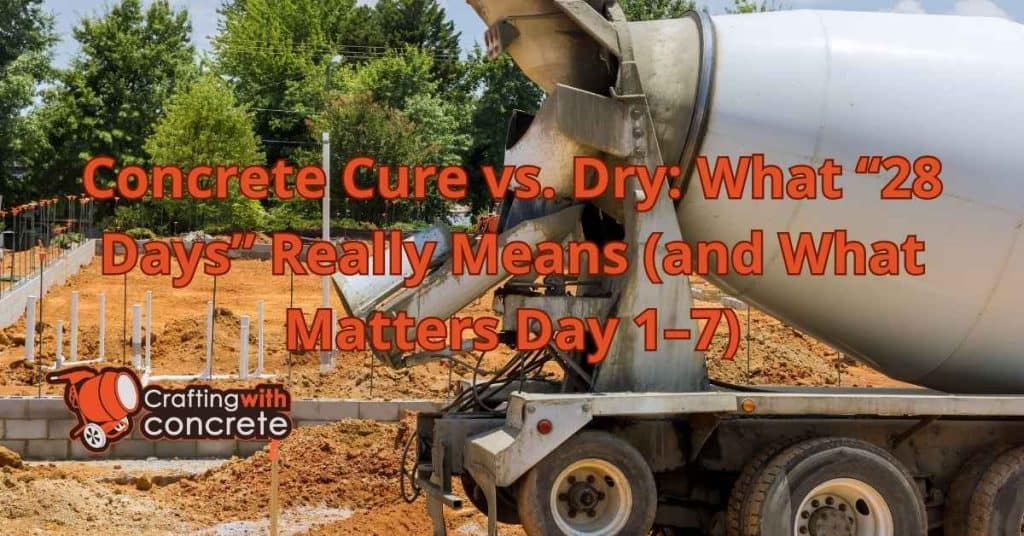
Concrete Cure vs. Dry What “28 Days” Really Means (and What Matters Day 1–7)

Concrete Cure vs. Dry: What “28 Days” Really Means (and What Matters Day 1–7)

 Table of Contents Introduction Materials & Tools Needed for Curing Understanding the Curing Process Step-by-Step Guide to Curing Concrete Common Issues During the Curing Process The Science Behind Curing: Importance of the First Week Best Practices and Alternatives for Effective Curing Conclusion FAQ Key Takeaways Gather essential materials: water, curing compounds, and plastic sheeting to

Concrete Cure vs. Dry: What “28 Days” Really Means (and What Matters Day 1–7) Read More »