Concrete

Concrete is where I keep my step-by-step guides for planning, pouring, and finishing concrete projects.

Topics include base prep, forms, reinforcement, thickness, mixing and placing, finishing, curing, sealing, and long-term durability. I also cover troubleshooting—what to do when concrete cracks, scales, dusts, or cures unevenly.

If you’re new to concrete, start with the planning and prep articles. They prevent most of the expensive mistakes.

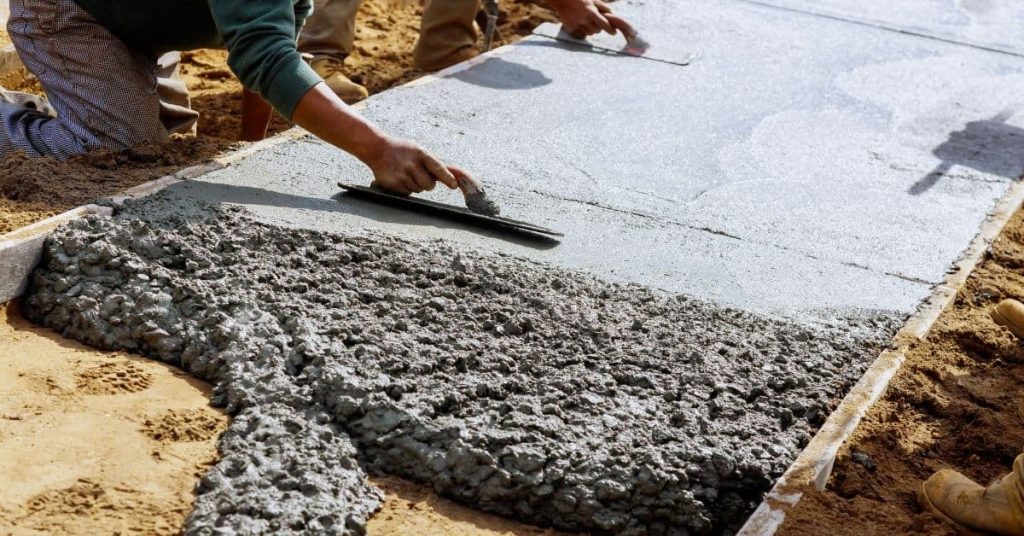
Workers finishing fresh concrete slab with hand trowels

Crazing and hairline map cracks: over-finishing clues and how to keep it subtle

Introduction Crazing and hairline map cracks are very fine, web-like cracks that run across the surface of concrete or plaster. They often look like a spiderweb or tiny branching lines and can appear after finishing when the surface dries unevenly. These marks aren’t structural failure, but they do affect the look and texture of a […]

Crazing and hairline map cracks: over-finishing clues and how to keep it subtle Read More »
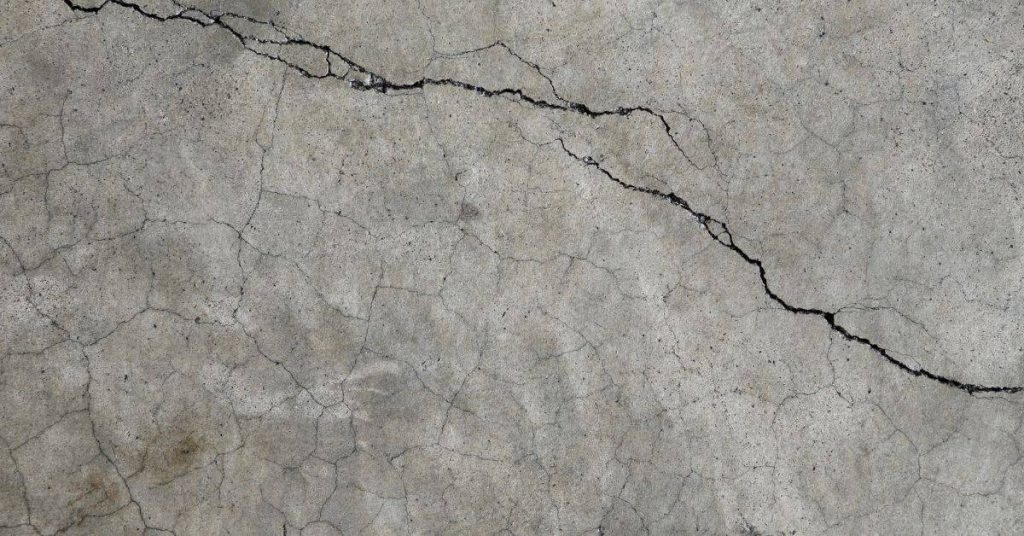
Concrete surface with visible edge spalling damage

Edge spalling at joints: why it happens and how to detail joints to stop it

Introduction Edge spalling at joints is when the concrete at the joint edge chips or flakes away. It happens from weather, freeze-thaw cycles, or movement that stresses the edge near the joint. When this shows up, it can ruin the look and invite moisture. To detail joints for durability, start by cleaning the joint and

Edge spalling at joints: why it happens and how to detail joints to stop it Read More »

Close-up of a concrete driveway slab with control joints

Air-entrained concrete for driveways and steps: real freeze–thaw failures and how to avoid them

Introduction Air-entrained concrete uses air bubbles added during mixing to resist freeze–thaw damage. For driveways and steps, this helps the surface survive cycles of freezing and thawing without cracking. Check the product label and manufacturer instructions to understand the recommended air content for your project. Keep the mix cool to cure evenly, protect fresh concrete

Air-entrained concrete for driveways and steps: real freeze–thaw failures and how to avoid them Read More »

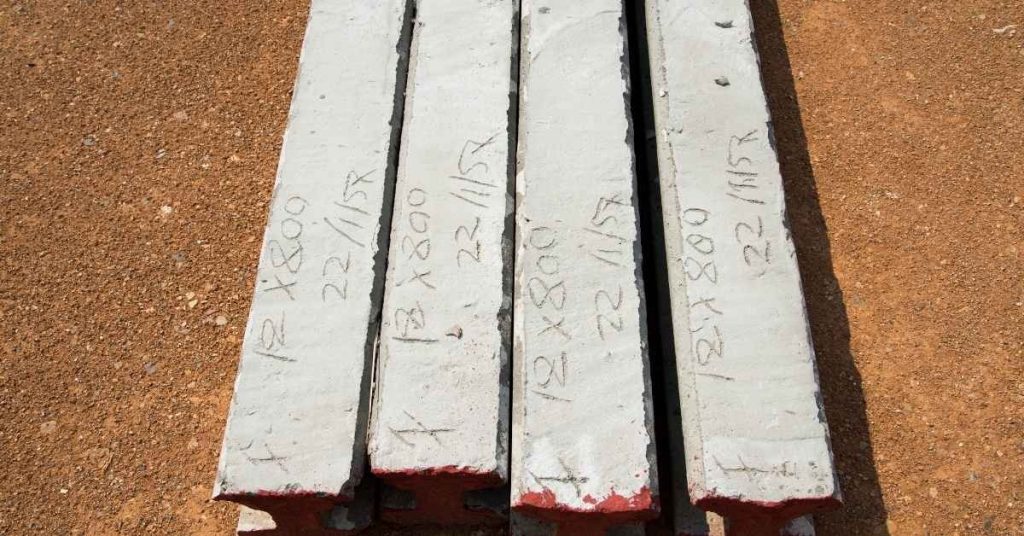
Four long concrete test slabs with handwritten markings

Troubleshooting DIY mixes with a slump test: what bad numbers look like in real concrete

Introduction A slump test checks how fluid your concrete mix is by measuring how much it slumps or settles. It’s a quick way to see if the mix is too dry or too watery before you lay it. If the numbers seem off, check the product label, manufacturer instructions, and any local guidelines for your

Troubleshooting DIY mixes with a slump test: what bad numbers look like in real concrete Read More »

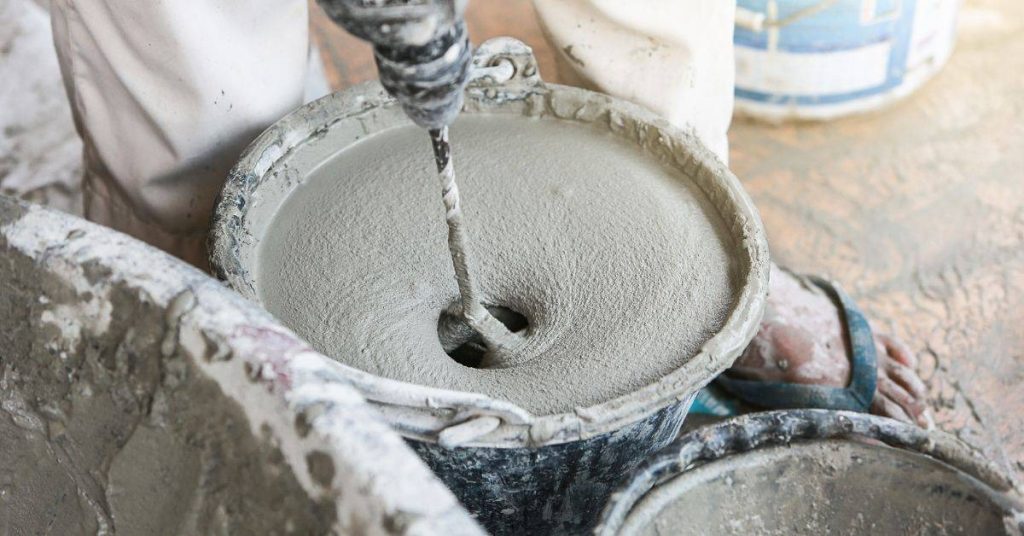
electric drill mixing cement in a bucket on dusty floor

Small-batch mixing: keeping ratios honest with buckets and a cheap scale

  Introduction Small-batch mixing means measuring everything in tiny, consistent portions so ratios stay true when you mix in buckets with a cheap scale. Keep it simple: use one bucket per component, tare the scale, and double-check labels before you start. Plan a batch size you can manage, and write down your target ratios in

Small-batch mixing: keeping ratios honest with buckets and a cheap scale Read More »

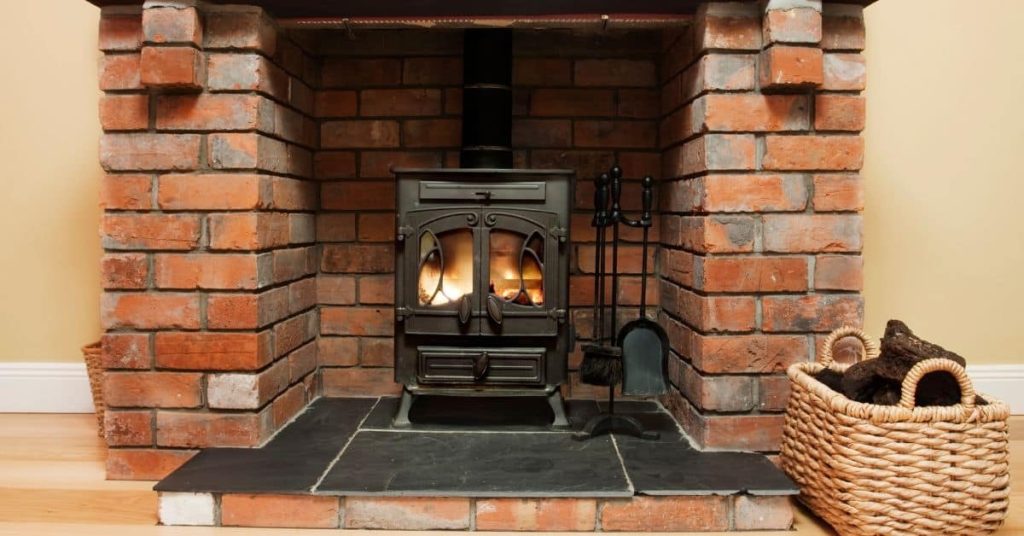
Black wood stove inside brick fireplace with fire tools and basket

Cleaning soot on fireplaces: products that won’t etch and how to avoid streaks

  Introduction Cleaning soot on fireplaces means removing soot and smoke marks without harming the surface. Use non-etching cleaners and test on a hidden spot first, then work in gentle, small sections. Avoid abrasive scrubbers and harsh acids; follow label instructions and local rules. To avoid streaks, wipe from top to bottom and use a

Cleaning soot on fireplaces: products that won’t etch and how to avoid streaks Read More »

wooden pier house standing above calm water at dusk

DIY slump control: consistent water measurement and batch-to-batch matching

Introduction DIY slump control means keeping the water in your concrete mix at a consistent level so every batch pours with the same workability. Use a single, clean container for water and add it in small, measured portions, then note the amount for each batch. Always follow the mix designer’s or product label guidance and

DIY slump control: consistent water measurement and batch-to-batch matching Read More »

Concrete being poured into rebar reinforced square form

Formwork bulge and bow: brace spacing and quick checks before the truck shows up

Introduction Formwork bulge or bow is when the plywood or panel forms in your walls push out or flex under load. Brace spacing is how often you place and tighten supports to keep the panels true. Check that the bracing system is aligned, secure, and capable of resisting the expected weight. Do a quick pre-pour

Formwork bulge and bow: brace spacing and quick checks before the truck shows up Read More »

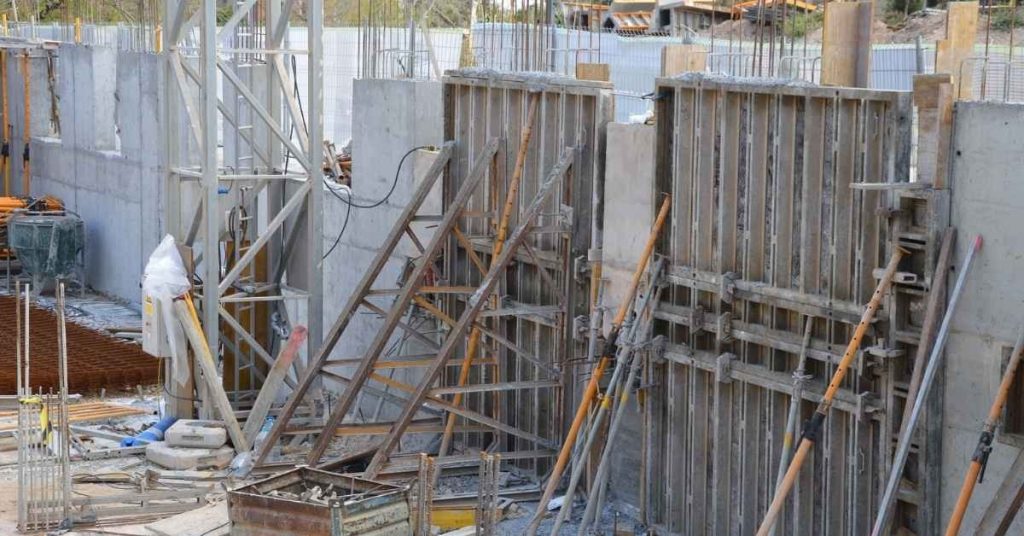
Concrete wall formwork supported by braces at construction site

Form oil and release agents: the types that stain and how to avoid fish-eyes

Introduction Form oils and release agents are coatings applied to forms to prevent concrete from sticking. They can stain if the wrong type is used or if the application is uneven. Check the label and follow the manufacturer’s instructions to choose the right option for your form material. To avoid fish-eyes, test a small area

Form oil and release agents: the types that stain and how to avoid fish-eyes Read More »